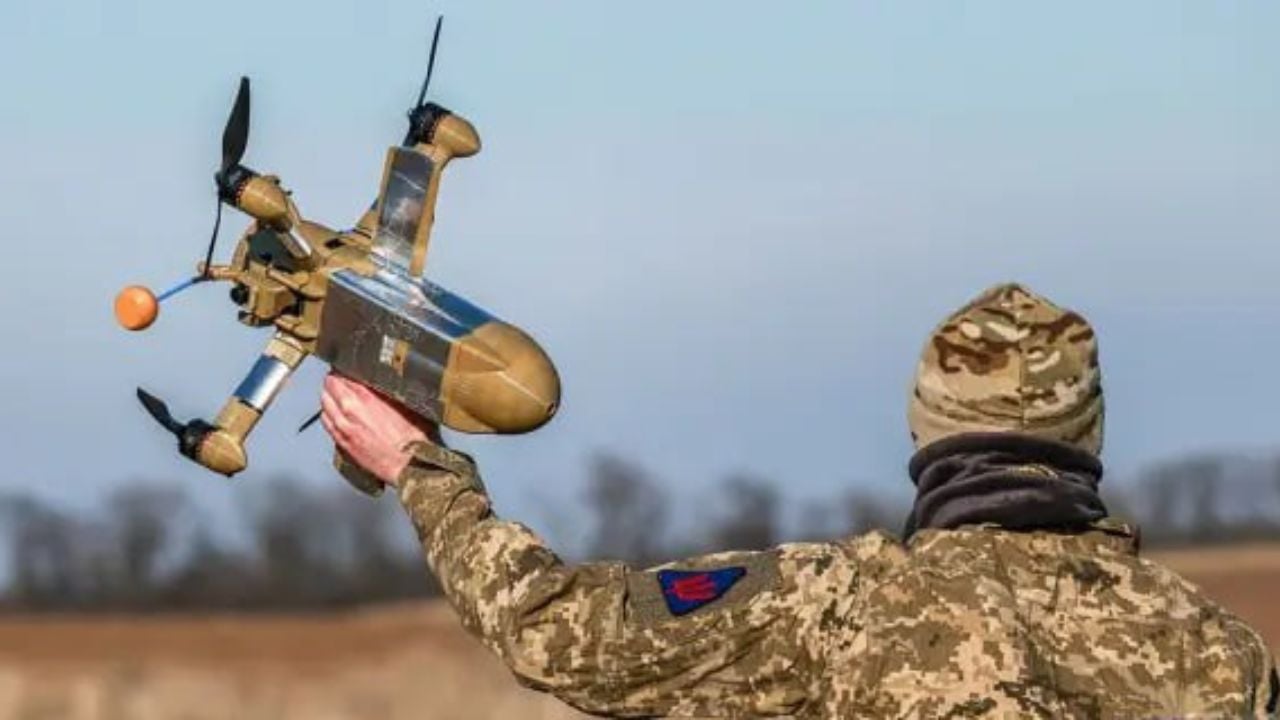

Ukraine’s air defense network has reached a striking new milestone in the evolving drone war with Russia. The country recently reported intercepting more than 33,000 Russian drones in March alone.
According to Ukraine’s defense leadership, that figure marks the highest monthly total since the full-scale invasion launched in 2022, underscoring how dramatically aerial warfare has intensified.
The surge in interceptions reflects a combination of layered defenses and rapid technological innovation. Ukrainian officials say interceptor drones now play a central role, working alongside traditional air defense systems to neutralize incoming threats.
These smaller, agile drones are designed specifically to track and destroy enemy unmanned aircraft midair. The tactic that has proven cost-effective and adaptable against waves of Russian attacks.
Scaling Up
Ukraine’s push to scale this capability is accelerating.
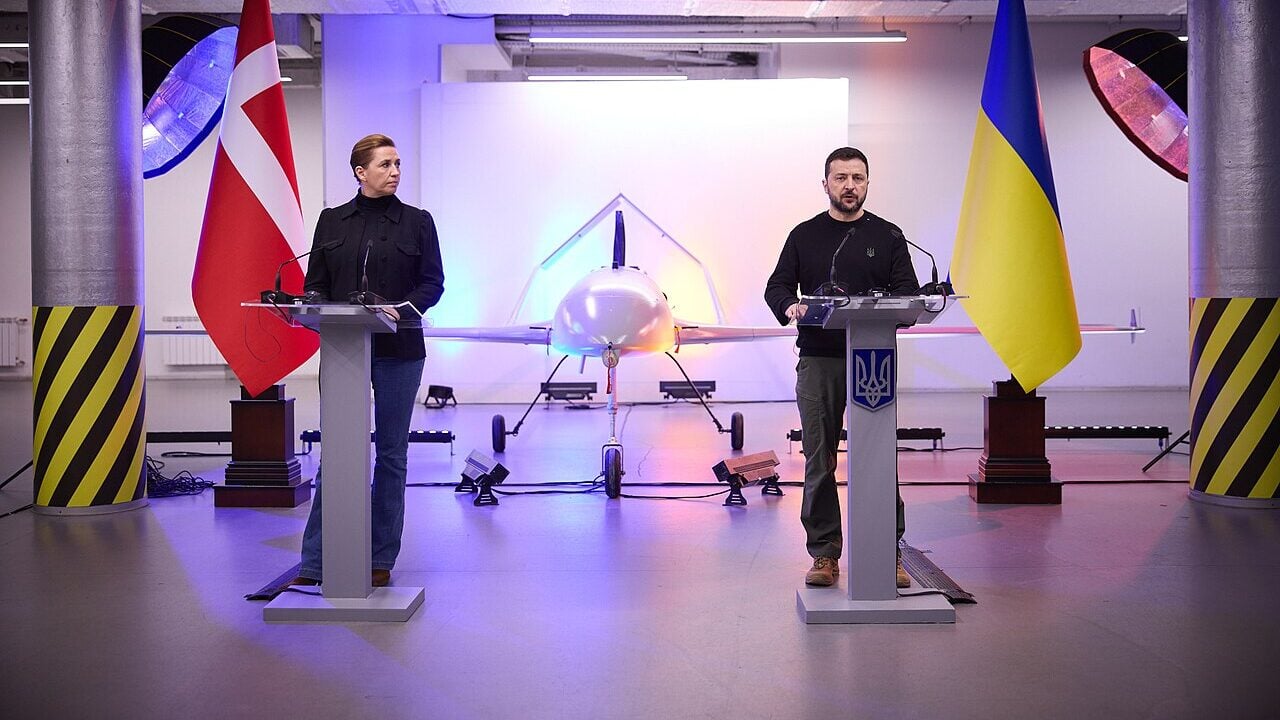
Defense Minister Mykhailo Fedorov recently confirmed the expansion of interceptor drone production and deployment, along with the creation of a new command structure within the air force dedicated to unmanned systems.
This institutional shift signals how central drone warfare has become for Ukraine, not just tactically but strategically.
At the same time, Ukraine’s offensive drone capabilities have grown in reach and precision. Early in the war, Ukrainian forces could strike targets roughly 400 miles away. Officials now say that range has extended to over 1,000 miles, allowing deeper penetration into Russian territory.
That expanded reach has enabled strikes on critical infrastructure, particularly oil facilities that generate revenue for Moscow’s war effort.
Oil Target Hit
One of the most notable recent operations targeted a major oil refinery in the Black Sea port city of Tuapse. Ukrainian forces hit the site for the third time within a two-week span, using a coordinated effort involving multiple branches of the military and security services.
Previous strikes reportedly destroyed 24 storage tanks and damaged several more, though independent verification remains limited.
Footage released by regional authorities in Russia showed thick black smoke rising above the refinery and viscous oil spilling into nearby streets. Emergency responders reported that heated petroleum products had overflowed from damaged tanks, spreading onto surrounding roads and affecting parked vehicles.
Local officials ordered evacuations for residents living near the facility, though specific numbers were not disclosed.
Russian President Vladimir Putin acknowledged the incident and warned of potential environmental fallout, citing the risk posed by burning and leaking oil products.
Even so, regional leadership maintained that the situation was under control and that emergency teams were managing the aftermath.
Deadly Swarms
The broader conflict continues to see heavy drone usage from both sides.
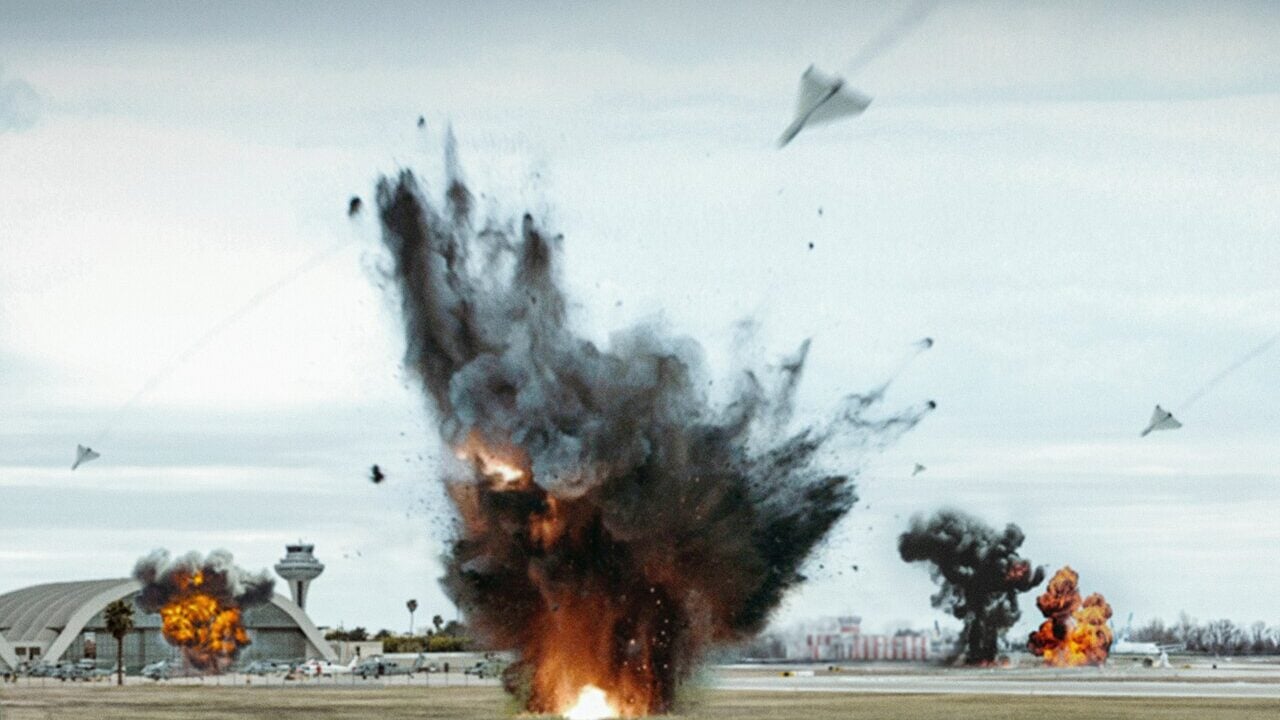
Russia’s defense ministry claimed that its air defenses intercepted 186 Ukrainian drones overnight across multiple regions, including Crimea and areas bordering the Black Sea. Meanwhile, cross-border attacks have had deadly consequences for civilians.
In Russia’s Belgorod region, Governor Vyacheslav Gladkov reported that a Ukrainian drone strike killed three people and injured three others. On the Ukrainian side, Russian drone attacks also inflicted casualties. Authorities confirmed three civilian deaths and several injuries across different regions.
In the northeastern Kharkiv region, two people were killed in the city of Chuhuiv, according to regional official Oleh Syniehubov. Another fatality occurred in Kryvyi Rih, the hometown of President Volodymyr Zelenskyy, where five others were wounded in the same attacks.
Kyiv itself experienced a rare daytime drone strike that injured two people, as reported by Mayor Vitali Klitschko.
Lights Out
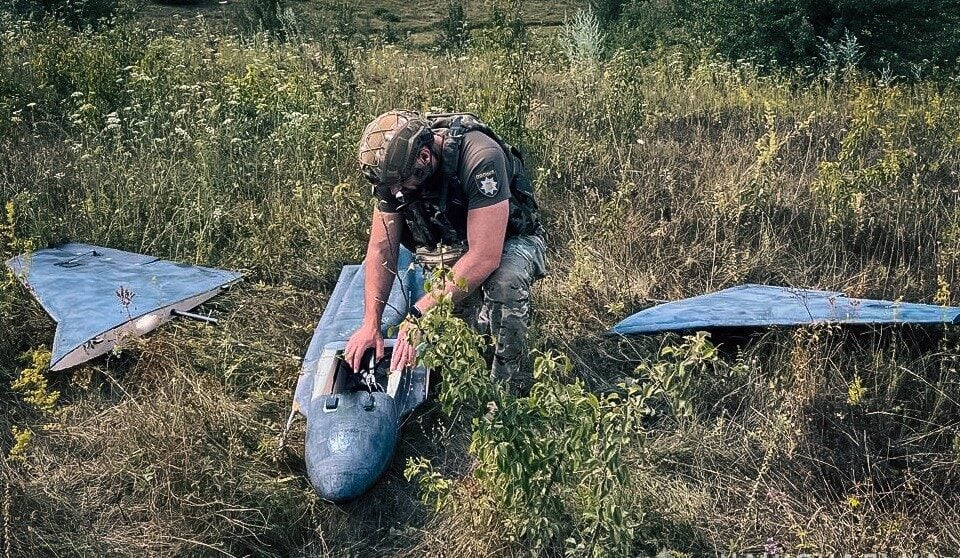
Elsewhere, infrastructure damage continues to disrupt daily life. In the northern city of Konotop, a drone strike knocked out both electricity and water supplies, highlighting the persistent vulnerability of civilian systems.
Beyond the battlefield, Ukraine’s advancements in drone technology are drawing global attention. Officials say countries in the Middle East and Gulf regions are now exploring similar interceptor systems, particularly as regional conflicts increase the demand for effective aerial defense solutions.
Ukraine’s experience, forged under constant pressure, is shaping a new model of modern warfare where drones dominate both offense and defense.
Sources: AP News