
There are some highly unusual aspects of driving in the UK. They drive on the opposite side of the road, of course, and there are some unusual parts of the road network that can easily catch drivers out. One of these is the mini roundabouts.
Mini roundabouts are exactly what they say they are. Smaller roundabouts that are small road junctions, aimed at improving the flow of traffic in certain built-up areas and slowing down vehicles. They literally are just full-sized roundabouts that have been shrunk in the washing machine.
You might be wondering how some UK drivers could get mini roundabouts wrong. Roundabouts in general can be a little tricky to navigate, but for the most part they are quite simple. But there is very much a correct way drivers should go around them without getting into trouble.
Yorkshire Live has reported on how drivers actually do get these small roundabouts wrong. It all revolves around the white circle in the middle of many of them, which drivers often think they can just drive straight over. It isn’t a full-sized roundabout, after all. As it turns out, that is not the way to get around a mini roundabout.
How Do UK Drivers Get Mini Roundabouts Wrong?
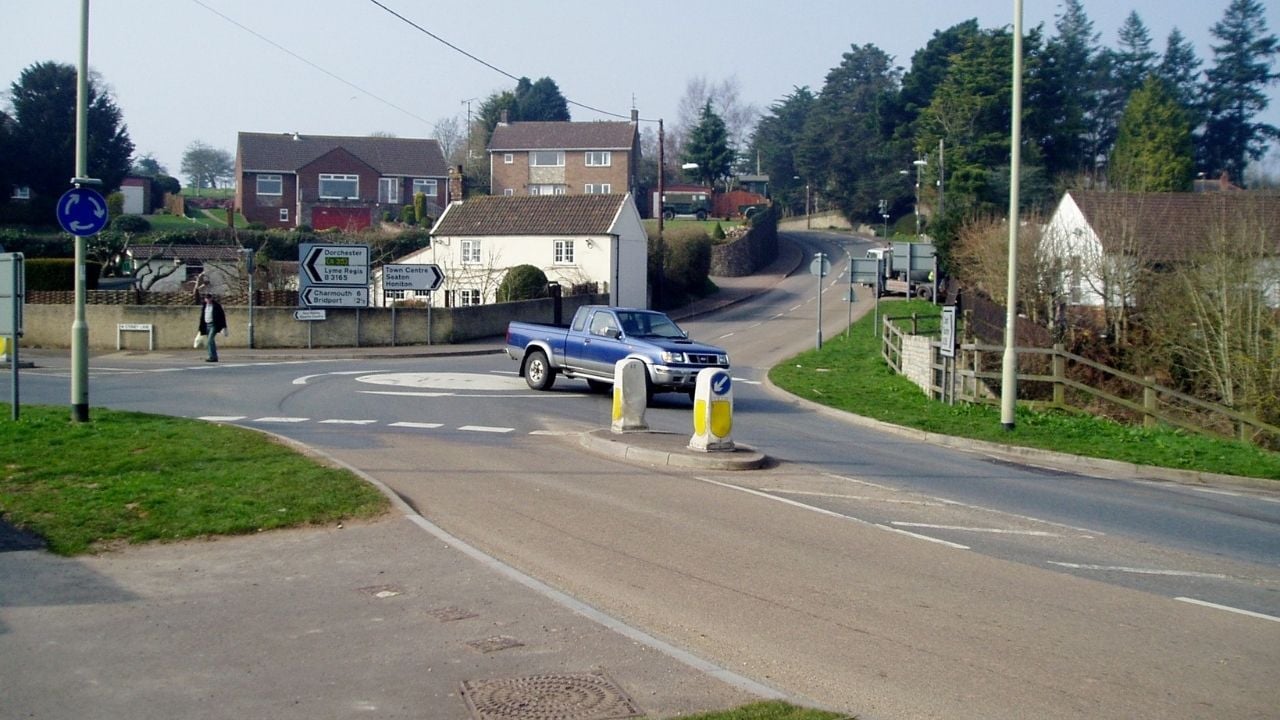
The Highway Code clearly states how drivers should drive around these junctions. The code says that mini roundabouts have to be navigated the same way as traditional, full-sized roundabouts. So if you are one of those who likes to drive straight through the painted central circle, then you are not going around these junctions in the correct way. It is highly likely you are violating traffic rules.
Head of digital content at Auto Express, Steve Walker, clarified to Yorkshire Live how they should be navigated. “According to the Highway Code, mini-roundabouts should be treated in the same way as conventional roundabouts,” Walker said. “Therefore, driving straight over the central markings is not allowed; motorists have to circulate them in the usual fashion,” he added.
If you have ever been to the UK and watched people at mini roundabouts, you may well have seen people drive straight over them. The vast majority of them simply have flat, white circles painted on the road, with arrows indicating the direction of travel. Some, though, do have raised centers, or are more decorative, which does stop drivers from simply flying over them as if they do not exist.
What Does the Highway Code Say About Mini Roundabouts?
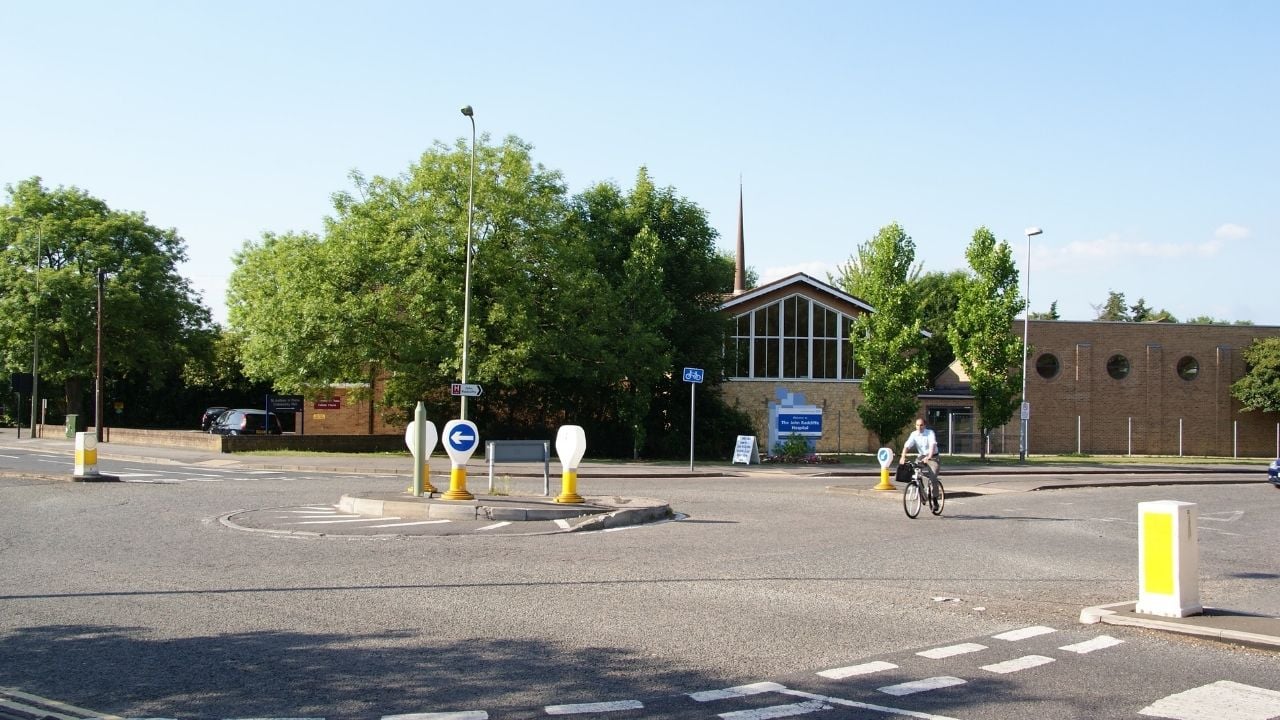
Mini roundabouts fall under Rule 188 of the Highway Code. “Mini roundabouts. Approach these in the same way as normal roundabouts. All vehicles MUST pass round the central markings except large vehicles which are physically incapable of doing so,” it says. While it is clearly very tempting to simply go straight over the white circles, that isn’t why they are designed in that way. In fact, as Walker said, there are specific reasons for them to be flat.
This is so the mini roundabouts can accommodate certain road users. There are exceptions; larger vehicles like buses and HGVs that don’t have the space to drive around are forced to go over the central area – that is one of the reasons why mini-roundabouts are marked on the road rather than physical raised islands,” said Walker. If you are caught driving over the center of the roundabouts by a police officer, you could face legal action, which could include some hefty fines. So if you are in the UK and see a mini roundabout, make sure you drive around it, and not straight through it.