The future of North America’s automotive supply chain could be headed for a significant shakeup as the United States seeks major changes to the rules governing vehicle production under the United States-Mexico-Canada Agreement (USMCA). According to reports from ongoing trade negotiations, the Trump administration is proposing substantially stricter content requirements for vehicles built within the region.
The proposal would raise the amount of North American content required for tariff-free treatment while also introducing a new requirement that would mandate a significant portion of that content originate specifically from the United States. If adopted, the changes would represent one of the most significant revisions to automotive trade rules since USMCA replaced NAFTA in 2020.
The discussions come amid growing efforts by U.S. officials to encourage additional domestic manufacturing investment and reduce reliance on overseas supply chains. However, the proposal has also raised concerns about potential disruptions to the highly integrated production networks that have developed across North America over the past several decades.
Adding another layer of complexity, Canada was reportedly excluded from the most recent round of negotiations between the United States and Mexico, prompting questions about the future structure of the three-country trade agreement.
New Rules Would Significantly Raise Local Content Requirements
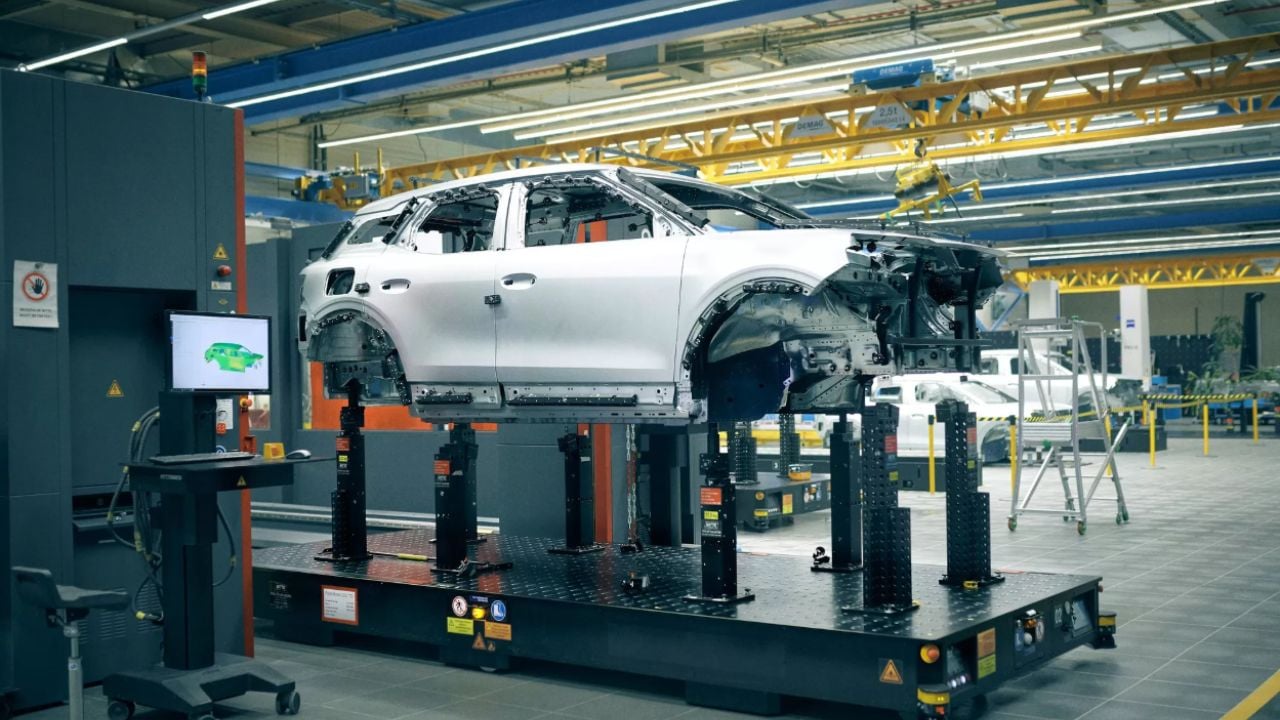
Under the proposal reportedly presented during recent talks in Mexico City, passenger vehicles and light trucks would need to contain 82 percent North American content to qualify for preferential tariff treatment. That would represent a substantial increase from the current 75 percent threshold established under USMCA.
The proposal goes even further by requiring that 50 percent of a vehicle’s total value be produced specifically within the United States. Current USMCA rules do not contain a country-specific content requirement of this nature.
If implemented, automakers would likely need to reevaluate sourcing strategies, manufacturing locations, and supplier relationships across North America to ensure compliance with the new standards.
Canada’s Role Is Unclear
One of the most notable aspects of the reported proposal is the apparent absence of a Canada-specific provision. Sources familiar with the negotiations indicate that Canadian parts content would not automatically count toward the new U.S.-specific threshold being discussed.
The latest negotiating round involved only U.S. and Mexican officials, with no formal participation from Canada. Additional talks have already been scheduled between the United States and Mexico for June and July, while no comparable meetings with Canadian officials have been announced.
Industry observers suggest the strategy may involve reaching a preliminary agreement with Mexico before presenting revised terms to Canada later in the process. Whether USMCA ultimately remains a trilateral agreement or evolves into separate bilateral arrangements remains unclear.
Automakers Could Face Significant Challenges
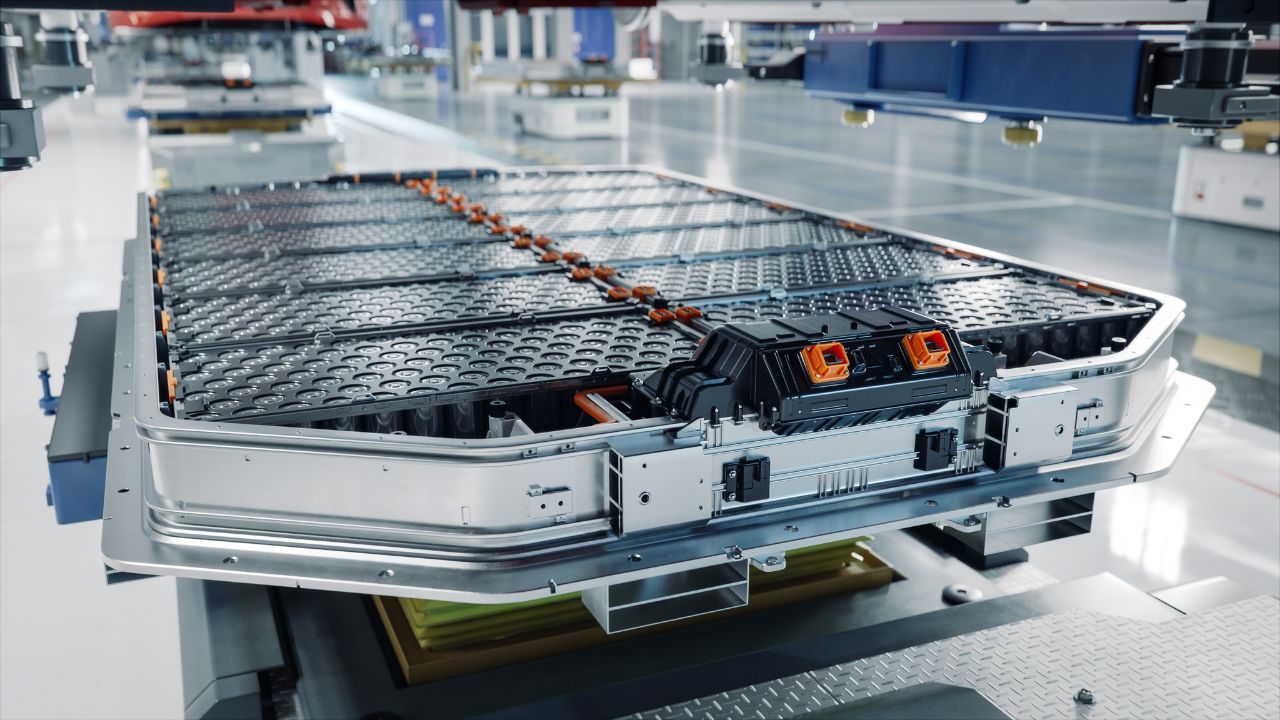
The automotive industry has spent decades building highly integrated supply chains that frequently move components across international borders multiple times before a vehicle reaches final assembly. Raising regional content requirements while adding a country-specific production target could create significant challenges for manufacturers.
Current USMCA rules already require that 75 percent of vehicle content originate within North America. The agreement also mandates that a substantial portion of key components such as engines, transmissions, body structures, and electric vehicle batteries be produced in high-wage jurisdictions, which currently includes both the United States and Canada.
Industry groups are expected to closely examine how the proposed calculations would be implemented and whether manufacturers would have sufficient time to adapt their supply chains.
Trade Talks Extend Beyond Automobiles
While automotive production has emerged as one of the most closely watched aspects of the negotiations, discussions between the United States and Mexico have also covered broader economic issues. Officials have reportedly discussed steel and aluminum trade, supply-chain security, and measures intended to limit outside influence within North American manufacturing networks.
Future negotiating rounds are also expected to address agriculture, regulatory alignment, and investment policies. U.S. officials have repeatedly emphasized strengthening domestic supply chains as a central objective of the broader trade discussions.
The administration has also indicated that some level of tariffs on key industrial goods could remain in place even under a revised agreement, though details have yet to be finalized.
A Critical Moment for North American Manufacturing
The timing of the negotiations is significant. USMCA is approaching a key review period that will determine whether the agreement is extended for another 16 years or enters a prolonged cycle of annual reviews and renegotiations.
Automakers operating across North America are watching closely, as the outcome could influence future manufacturing investments, sourcing decisions, and production strategies throughout the region. Companies including Ford, General Motors, Stellantis, Toyota, Honda, and numerous suppliers maintain extensive manufacturing footprints that span all three countries.
For now, the proposed 82 percent regional content requirement remains part of an ongoing negotiation. However, if the measure ultimately becomes part of a revised trade agreement, it could reshape the economics of vehicle production across North America and mark one of the most consequential changes to automotive trade policy in years.