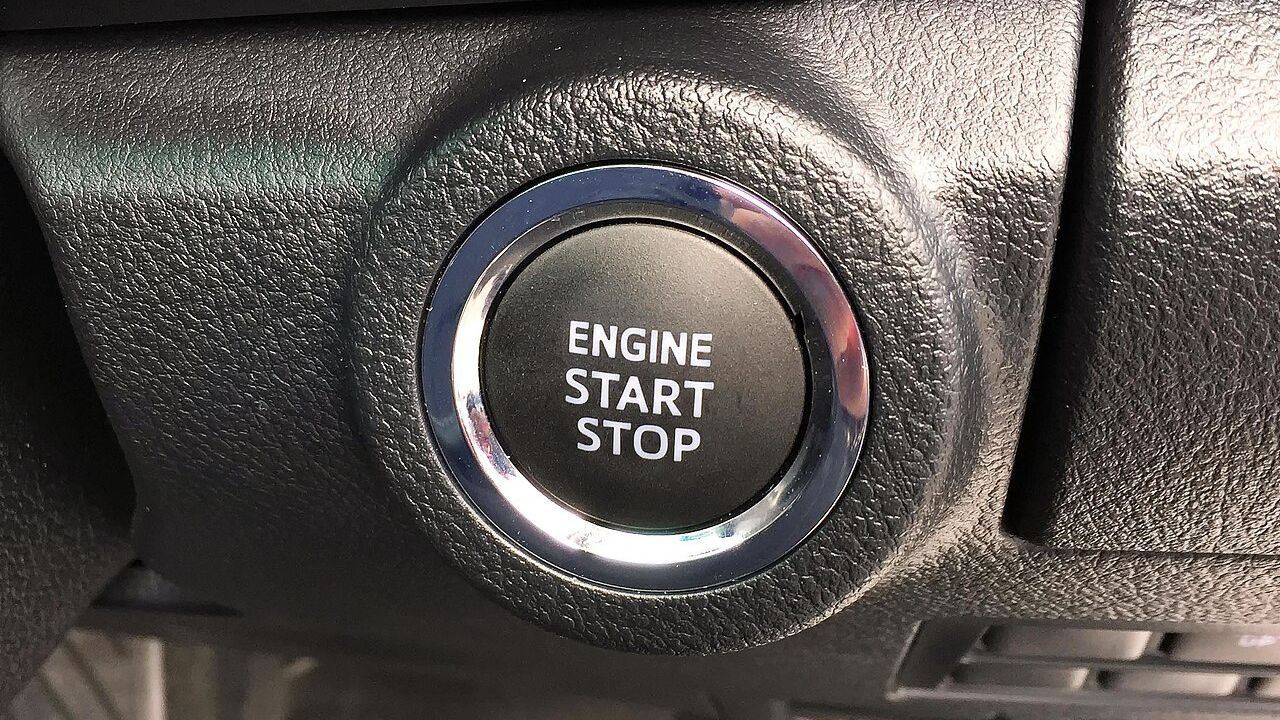

In a dramatic shift in federal environmental policy, the U.S. Environmental Protection Agency (EPA) under Administrator Lee Zeldin announced on February 12, 2026, that it is eliminating the regulatory incentives that have encouraged automakers to install automatic engine start-stop systems in virtually every new vehicle sold in the United States.
This move was unveiled at the White House alongside President Donald Trump as part of what the agency calls “the single largest deregulatory action in U.S. history.”
Start-stop technology works by shutting off a vehicle’s engine when it comes to a stop — for example at a traffic light — and quickly restarting it when the driver wants to move again. The idea is to reduce idling, save a bit of fuel and trim carbon emissions.
But it has become one of the most controversial automotive technologies, beloved by some engineers for its percentages on fuel-economy labels yet widely hated by many drivers for perceived annoyance, delayed acceleration and added wear on batteries and starters.

“As I traveled across all 50 states this past year, I heard from countless Americans who not only dislike the start-stop feature but passionately advocated for this mechanism to be a thing of the past, Zeldin said in a statement. “Not only do many people find start-stop annoying, but it kills the battery of your car without any significant benefit to the environment. The Trump EPA is proudly fixing this stupid feature at Trump Speed.”
What Exactly Changed
Instead of formally banning start-stop systems, the EPA eliminated the so-called “off-cycle credits” that automakers could earn by installing these features.
For over a decade, these credits were part of federal greenhouse gas standards and allowed manufacturers to count stop-start technology toward compliance with fuel-economy and emissions rules even when drivers vehemently disputed the real-world benefits.
By rescinding that credit system and repealing the foundational 2009 greenhouse gas endangerment finding — the legal basis that empowered federal auto emissions standards — the EPA has essentially removed the regulatory push that made start-stop ubiquitous.
Without incentives, automakers may lose motivation to bother with a system many drivers do not care for anyway or drop it over time.

Zeldin framed the move as giving “consumer choice” back to Americans and eliminating a feature he described as an irritating relic of overzealous regulation. In official remarks he said the feature was “almost universally hated” and that removing these credits was part of restoring common sense to vehicle policy.
“Automakers should not be forced to adopt or rewarded for technologies that are merely a climate participation trophy with no measurable pollution reductions, added Zeldin. “Consumer choice is a top priority for the Trump EPA, and we are proud to continue delivering commonsense rules for the American people.”
Policy Shift with Broad Ripples
The EPA’s action comes amid a broader deregulatory push by the agency that also includes repealing the scientific endangerment finding that greenhouse gases pose a public health risk — a finding that underpinned many climate-related regulations across multiple sectors.
That repeal is projected to remove more than $1 trillion in regulatory obligations on automakers and others, according to the agency’s own summaries.
Proponents of the change argue that excessive regulation drives up the cost of vehicles for ordinary Americans and stifles consumer choice. They also insist that the environmental benefits of mandatory stop-start systems were minimal at best, and that the technology may even have hidden costs in battery longevity and driver frustration.
“This Administration is taking a whole-of-government approach to make cars more affordable again, said transport secretary Sean Duffy. “Whether it’s resetting mileage standards or abolishing an idiotic start-stop requirement that every driver hates, President Trump’s auto dream team is working overtime to lower costs and revitalize American manufacturing.”

Cause for Alarms
The EPA’s decision predictably draws disapproval in some quarters, including many environmental groups and some transportation experts. They see this as part of a wider rollback of efforts to reduce emissions from one of the nation’s biggest polluting sectors.
Transportation is responsible for a significant share of greenhouse gas emissions, and tools like start-stop systems were among many strategies used to extract incremental improvements from internal combustion engines.
Warnings will ring out that stripping these incentives could slow technological innovation just as other nations tighten standards and automotive makers globally invest heavily in fuel-efficiency and electric innovations.
Without federal standards pushing cleaner technologies, they argue, the U.S. risks lagging behind in areas where competitors are accelerating.
More broadly, some scientific observations could support the fact that removing the endangerment finding could jeopardize the EPA’s legal authority to regulate greenhouse gases at all, which could pose long-lasting implications for air quality and climate policy well outside automobile technology.
Now What?
For automakers, the immediate impact will depend on how quickly they readjust their product plans. Some companies may welcome the freedom to drop unpopular features, while others could continue offering start-stop if they see real fuel-economy demand from buyers.
And buyers themselves may feel liberated from a feature many say they switch off every time they get into their cars.
What we know for sure is that this isn’t a story about start-stop systems. It is a window into how environmental regulation, automotive engineering trends, and consumer sentiment are colliding at the intersection of technology and politics in 2026.
Sources: US EPA