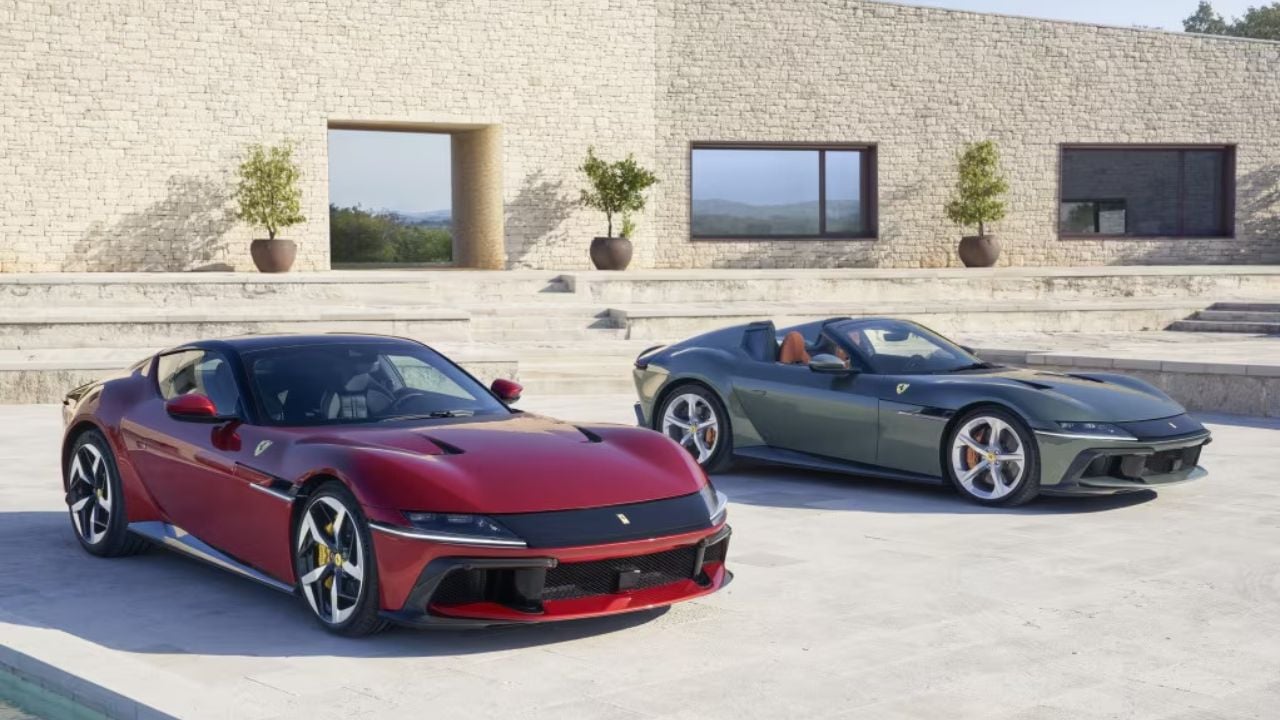
Ferrari is willing to build an electric car. It is not willing to build a car that takes the driver out of the experience.
That is the clearest message behind CEO Benedetto Vigna’s latest comments on autonomy. As much of the auto industry continues to develop systems that take more control away from the person behind the wheel, Ferrari is drawing a line around one of its oldest promises.
Even after revealing its first fully electric model, the Luce, the Italian brand says its future will still be built around the driver. Technology can make a Ferrari faster, sharper, safer, or more usable, but it cannot replace the person controlling the car.
That stance fits the brand’s identity. Ferrari has always sold more than speed, price, or engineering. It has sold the connection between a driver, a machine, and a road.
The Luce Changes The Powertrain, Not Ferrari’s Core Promise
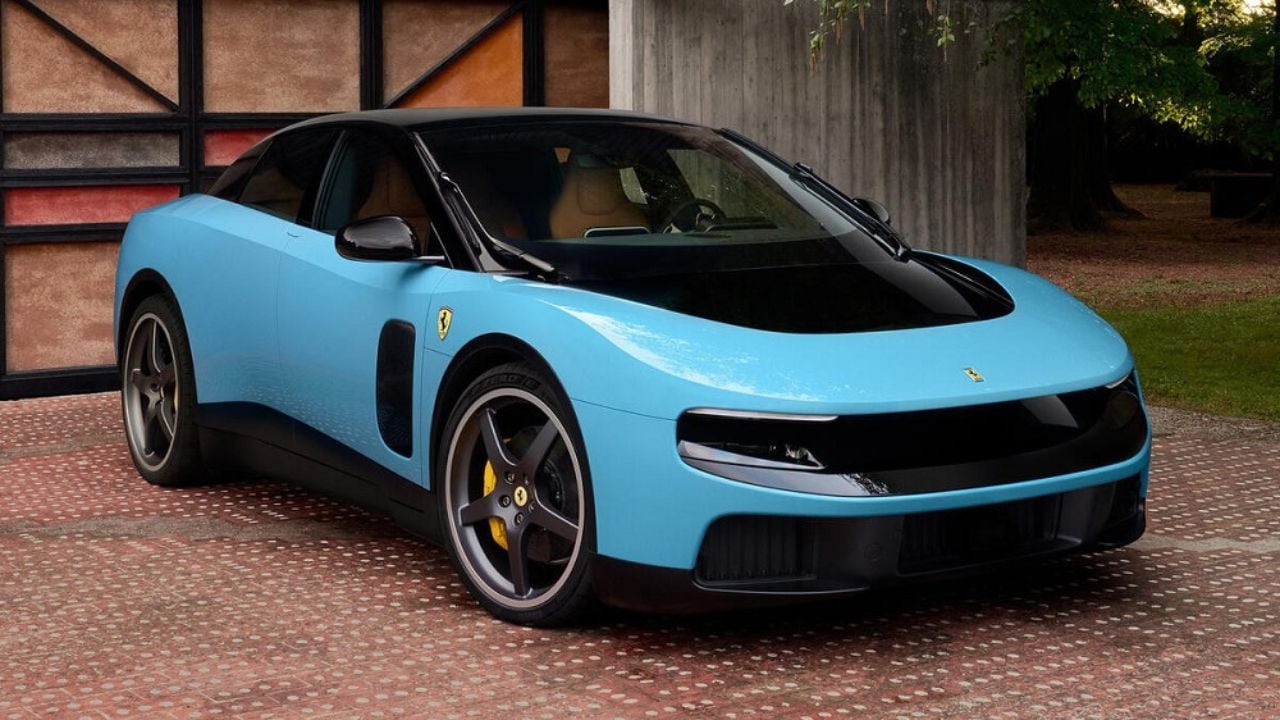
The reveal of the Luce has created strong debate among car fans. For many traditional buyers, a fully electric Ferrari represents a major shift from the brand’s history of high-revving gasoline engines.
Ferrari sees it differently. The company is presenting the Luce as another expression of the brand, not as a replacement for everything that came before it.
That distinction matters. Ferrari is not treating electrification as a single road every future model must follow. Its latest long-term plan points to a 2030 lineup split between combustion models, hybrids, and fully electric cars.
The Luce gives Ferrari a place in the electric ultra-luxury market. At the same time, it does not erase the role of V6, V8, V12, and hybrid performance cars in Maranello’s future.
Ferrari Wants Buyers To Choose The Experience
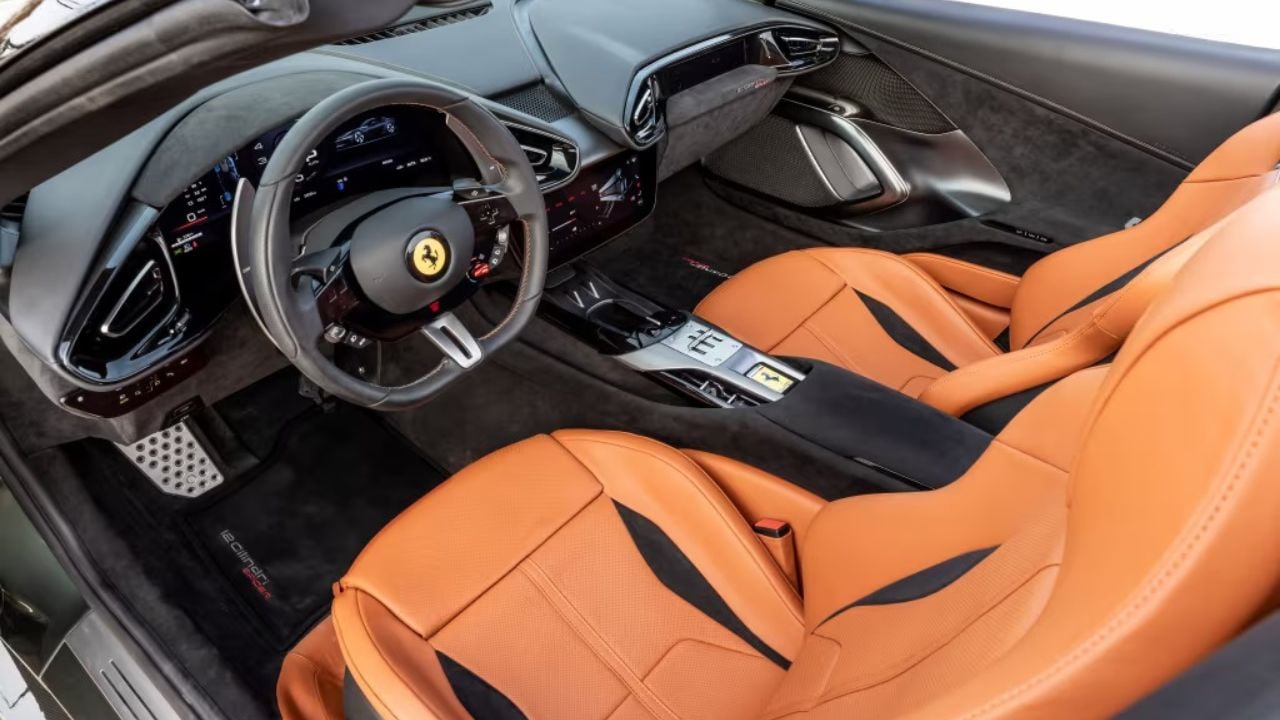
Ferrari’s strategy is built around powertrain variety. The company wants customers to choose different types of cars depending on what they want from the driving experience.
Some buyers will want the instant response and quiet force of an electric Ferrari. Others will still want the sound, vibration, and mechanical character of a traditional engine.
Hybrid technology will continue to sit between those worlds. Ferrari has already shown with models such as the SF90 and 296 that electrification can increase performance without removing the driver from the center of the experience.
That approach helps explain why Vigna’s comments on autonomy are so important. Ferrari may change the source of power, but it does not want to change the basic relationship between the car and its driver.
Ferrari Says Early Luce Interest Is Positive
The Luce has received mixed reactions, especially around its design, price, and what it means for Ferrari’s future. Even so, Ferrari has described early client feedback as positive.
That suggests there is space for an electric Ferrari, as long as buyers feel it still carries the qualities expected from the badge. For Maranello, the challenge is not only building an EV. It is building one that still feels emotionally convincing.
Ferrari customers are not buying transportation in the ordinary sense. They are buying engineering, theater, exclusivity, and a sense of occasion.
That is why the Luce faces a harder test than most electric cars. It has to prove that a Ferrari can lose the traditional engine sound while still keeping the intensity that made the brand famous.
Combustion Engines Still Have A Future In Maranello
Ferrari is also continuing to invest in combustion-powered cars. The company has said it will keep developing V6, V8, and V12 engines in line with global regulations, while also expanding hybrid and electric technology.
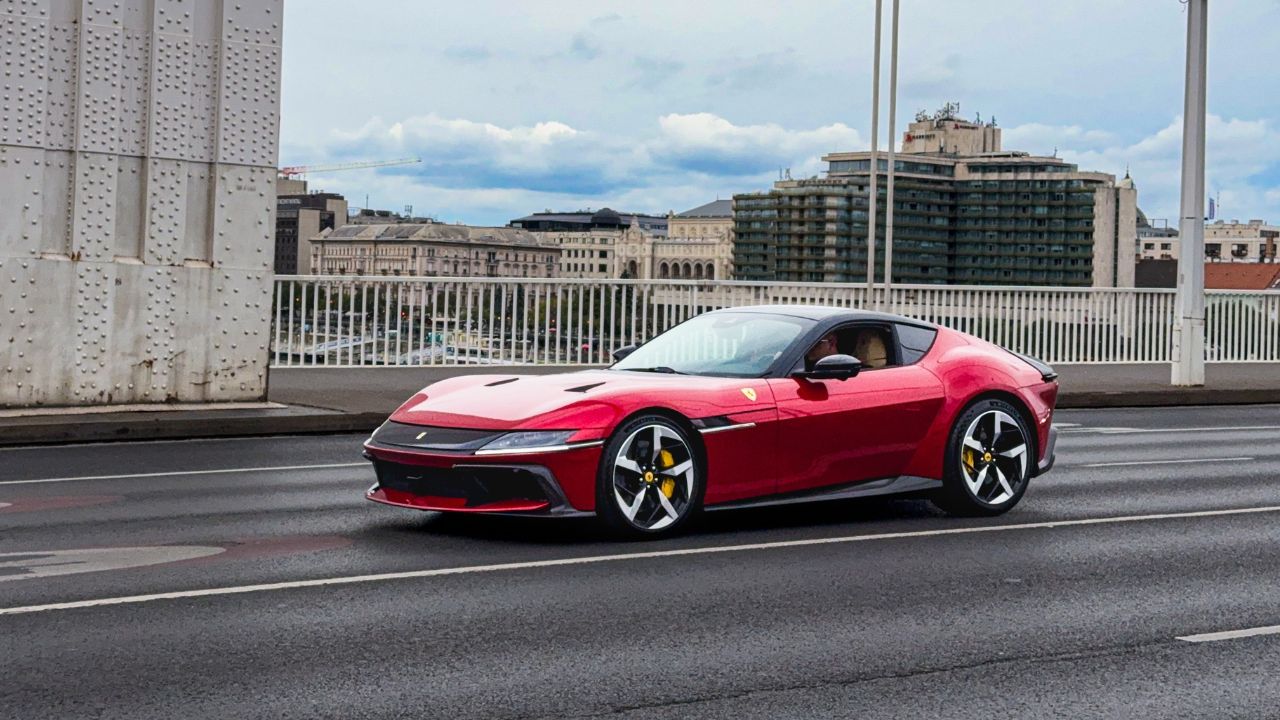
Recent reports have pointed to a possible limited-run version of the 12Cilindri with a manual transmission. Ferrari has not officially confirmed that model, but the rumor has attracted attention because a gated manual V12 would speak directly to longtime enthusiasts.
The broader point is already clear without the rumor. Ferrari does not see combustion, hybrid power, and electric power as enemies. It sees them as different ways to deliver the same core promise.
That promise is not only speed. It is response, control, sound where the car has an engine, and the feeling that the driver is still the reason the machine exists.
Autonomy Is Where Ferrari Draws The Line

Ferrari’s position on autonomous driving is much clearer than the rumors around future special editions. Vigna has said the brand does not want fully self-driving cars.
That does not mean Ferrari will avoid every form of assistance technology. Modern safety systems, electronic controls, and driver-support features will remain part of future models, especially as performance levels continue to rise.
The difference is control. Ferrari wants computers to support the driver, not replace the driver.
That philosophy separates Ferrari from companies that view autonomy as the next major luxury feature. For Ferrari, the luxury is the ability to drive.
The Future Ferrari Still Has A Driver At The Center
Ferrari does not see the future as a simple choice between tradition and new technology. The company is trying to combine electric power, hybrid systems, and high-performance combustion engines without losing the emotional center of the brand.
That is a difficult balance. Electric cars bring new performance possibilities, but Ferrari’s identity was built around response, sound, and driver involvement.
The Luce will test how far Ferrari can move into new territory while keeping its core audience engaged. At the same time, continued investment in combustion and hybrid models gives traditional buyers a reason to believe Maranello is not walking away from its past.
In an industry increasingly focused on autonomy, Ferrari’s message is unusually direct. The future Ferrari may use a battery, a gasoline engine, or both, but there will still be a person behind the wheel who wants to drive.
This article was originally published by Autorepublika.com and is republished with permission. It has been reviewed and edited by Guessing Headlights.