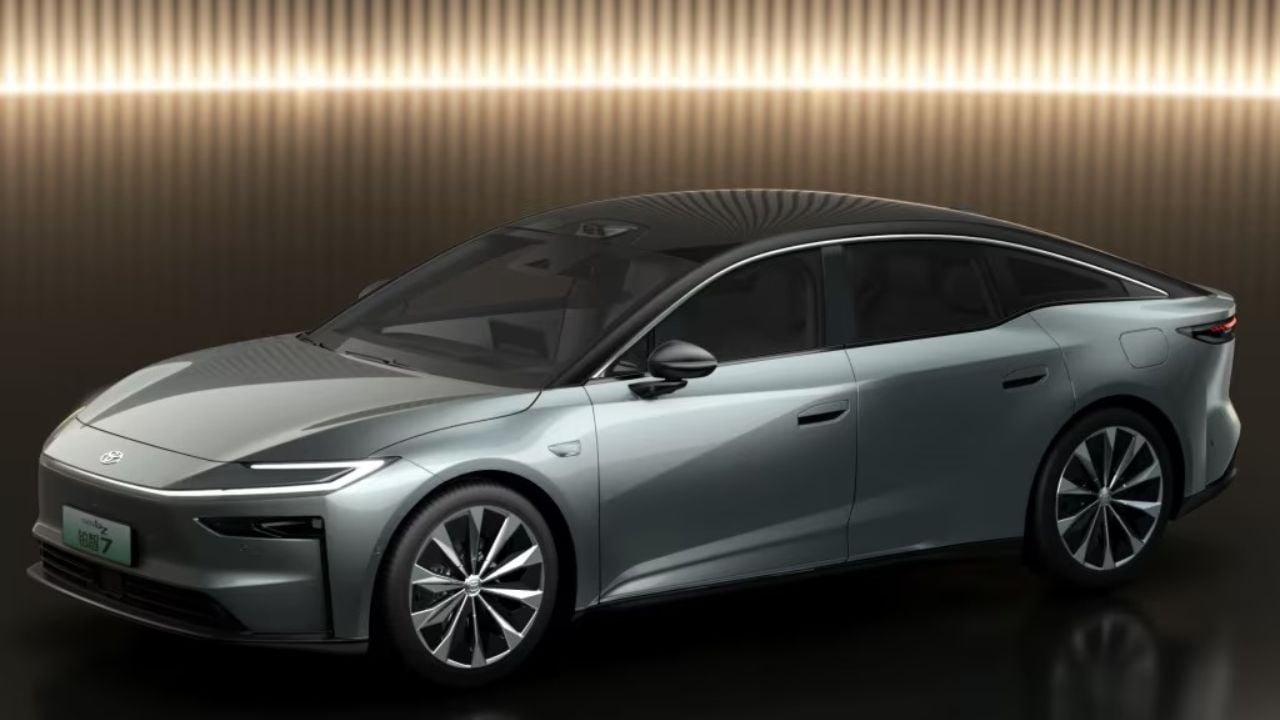
When GAC Toyota officially launched the new bZ7 in China, the response was immediate: more than 3,100 confirmed orders arrived within the first hour.
That kind of start says a lot about what happens in China when a carmaker combines real size, serious range, and a sharp price on one of the world’s toughest EV battlefields.
The bZ7 is Toyota’s flagship electric sedan for China, developed through its GAC Toyota joint venture and loaded with local tech from Huawei, Xiaomi, and Momenta. It also shows how different Toyota’s EV playbook looks in China than it does in the United States or Europe.
There is still no sign Toyota plans to sell this sedan outside China. But even as a China-only model, the bZ7 raises an obvious question for buyers elsewhere: why are cars with this much size and technology still so hard to find at this kind of price?
A Full-Size Sedan At A Sharp Price
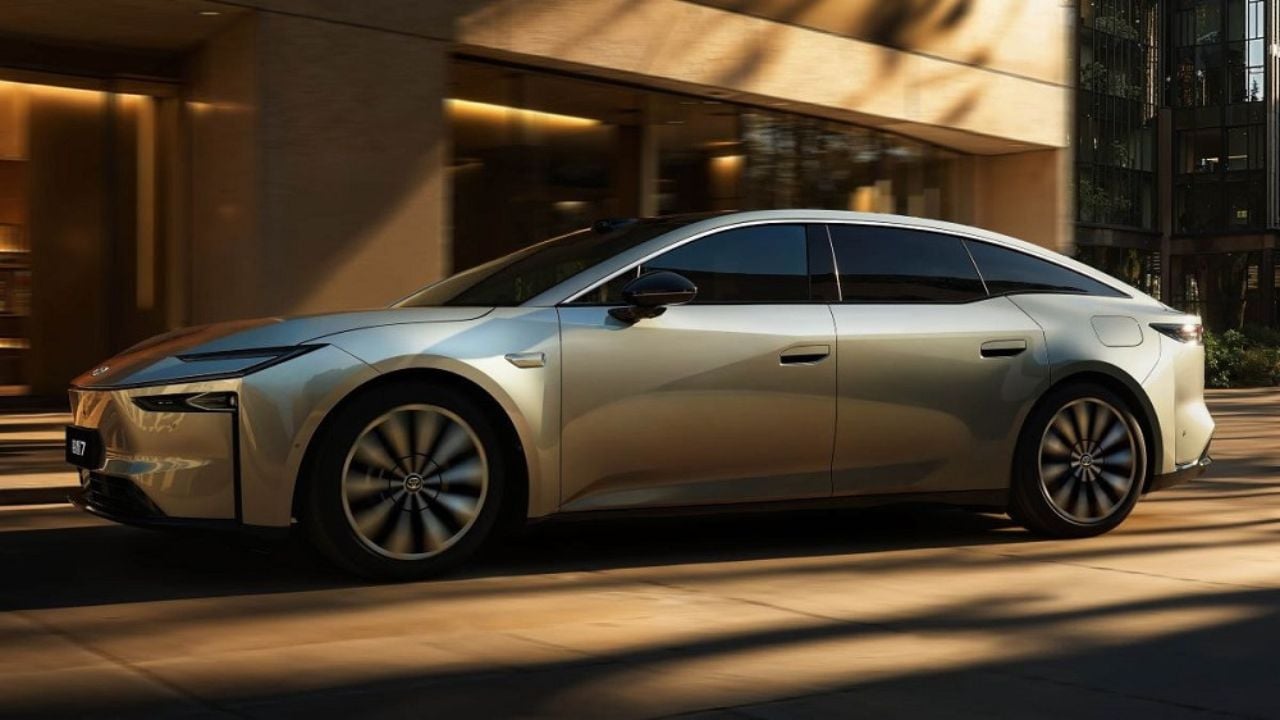
The bZ7 makes its strongest first impression on the spec sheet. It stretches 202 inches long with a 118.9-inch wheelbase, which means it is larger than a Tesla Model S in overall length, yet it starts at about $21,500 and tops out around $29,000 in China.
That pricing becomes even more striking when you look at the local competition. In China, a smaller Tesla Model 3 starts at about $34,500, which leaves the bZ7 as the bigger car and still the cheaper one.
For Toyota, that matters because this is not a budget car dressed up as something more expensive. The bZ7 sits at the top of the brand’s Chinese EV lineup, which means GAC Toyota is trying to win on value without giving up the image or equipment expected from a flagship sedan.
The tech is not the cheap part.
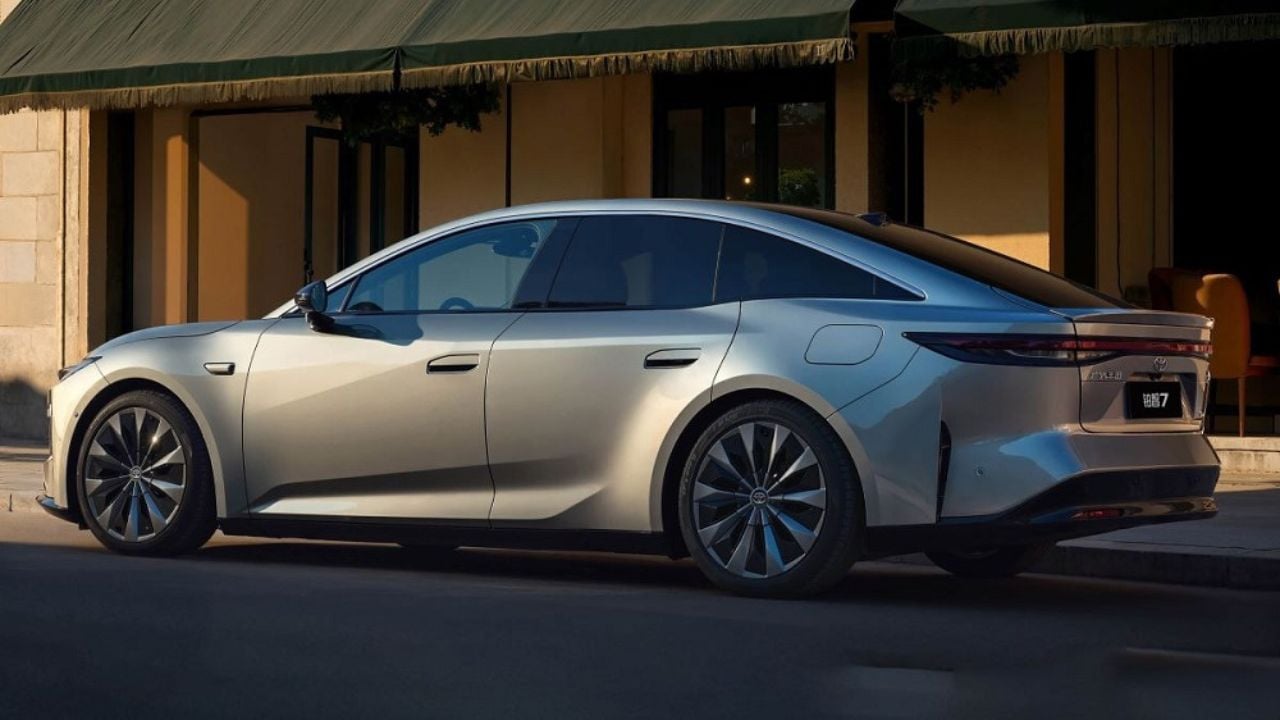
Performance is not the headline here, but it is far from weak. The bZ7 uses Huawei’s DriveONE electric drive system, makes 278 hp, and offers LFP battery packs of 71.35 kWh or 88.13 kWh, with quoted CLTC range figures of up to 441 miles and the ability to add about 186 miles in 10 minutes with 3C fast charging.
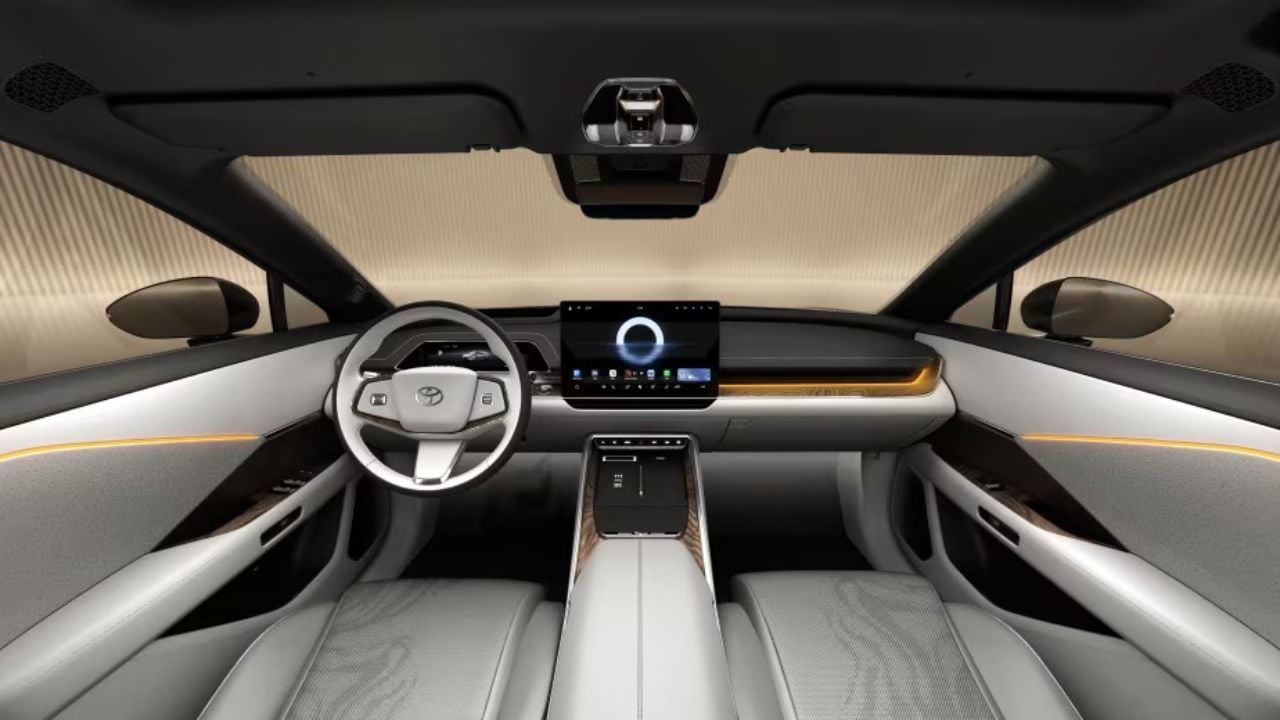
The cabin also makes it clear this car is aimed well above bare-minimum transportation. Both rows get heating, ventilation, and massage functions; the front seats use a zero-gravity design; and the dashboard centers on a floating 15.6-inch screen running Huawei’s HarmonyOS 5.0 with Xiaomi ecosystem integration.
Toyota did not stop at screens and comfort features. LiDAR-equipped versions use a 27-sensor setup that includes one roof-mounted lidar, five millimeter-wave radars, 11 high-definition cameras, and 10 ultrasonic sensors, supporting advanced assisted driving functions for city streets, highways, and parking.
Why China Makes This Possible
A big part of the answer is local development. Reuters reported that the bZ7 is sold by GAC Toyota, Toyota’s joint venture with Guangzhou Automobile Group, and the finished car draws heavily on Chinese suppliers and software partners to stay competitive in its home market.
That local focus matters because China’s EV market punishes weak value faster than almost any market in the world. Toyota is competing not only with Tesla but also with Chinese brands that move quickly, source locally, and push hard on both pricing and technology.
In that environment, the bZ7 looks less like a miracle and more like a product shaped exactly for the market it serves. Cheap batteries, local software, domestic tech partnerships, and brutal competitive pressure all help explain why this car can offer so much for so little.
Why The West Will Likely Watch From Afar
For now, Toyota has given no indication that the bZ7 is headed to the United States or Europe. Everything about the car, from its GAC Toyota roots to its supplier mix and software stack, points to a model built specifically for China.
That does not make the car less important. If anything, it makes it more revealing, because it shows what Toyota can deliver when it builds an EV inside China’s cost structure instead of trying to force the same formula into markets with very different rules and economics.
So the bZ7 is not just another regional launch. It is a reminder that the global EV market is splitting into very different realities, and right now China is where buyers can get full-size electric sedans with long range, fast charging, and premium features at prices that still feel almost impossible elsewhere.
This article originally appeared on Autorepublika.com and has been republished with permission by Guessing Headlights. AI-assisted translation was used, followed by human editing and review.