
Australia’s iconic Toyota brand is fighting back against a dramatic surge in auto theft that has afflicted some of its most popular models across the country. We earlier reported that law enforcement in Australia called for increased vigilance over an internationally organized car theft syndicate responsible for the theft of dozens of Toyota vehicles worth an estimated $8 million.
In January 2026, Toyota Australia has rolled out a new security device aimed at helping customers protect their vehicles as sophisticated criminal methods continue to outpace factory systems and standard anti-theft measures.
“Organized criminal groups in Australia appear to be importing sophisticated and often costly technologies to facilitate theft, which has resulted in the rise of stolen vehicles being reported across the automotive industry,” Toyota said in a statement this January. “Working closely with Victoria and Queensland Police, Toyota has identified these devices and implemented security enhancements to counter their effectiveness.”

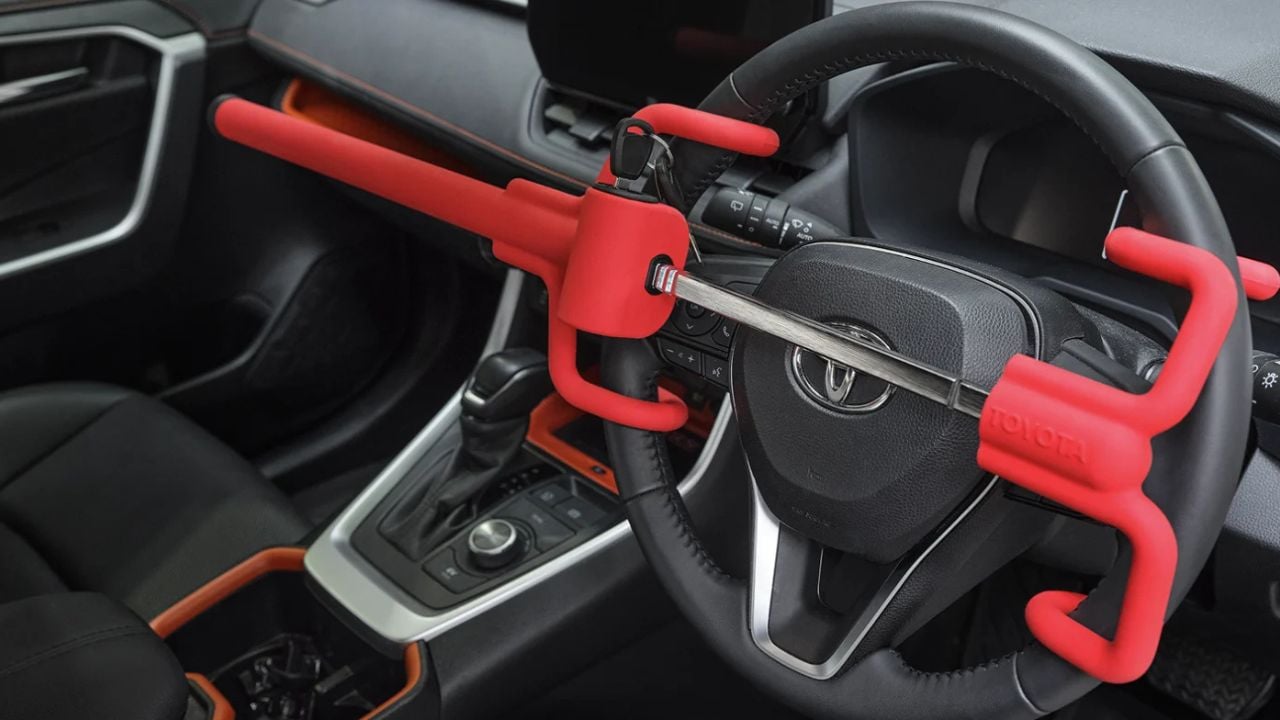
Car owners and auto enthusiasts would be excited to learn that the centerpiece of Toyota’s latest response is a genuine Toyota-branded old-school steering wheel lock offered through dealerships for around $140 ($200 AUD).
The device uses automotive-grade steel and a four-contact grip design to secure the steering wheel, which, as Toyota’s press materials suggest, acts as both a physical deterrent and an additional layer of security for vehicles parked in driveways or streets overnight.
A Soaring Theft Crisis and High-Tech Tactics
This move comes amid what many Australian automotive and law enforcement sources are calling a car theft crisis. Across states such as Victoria and Queensland, theft rates have soared as criminals deploy high-tech tools that override keyless entry and immobilizer systems, allowing them to exploit modern electronic networks inside vehicles.
According to national crime data summarized by local outlets such as CarsGuide and CarExpert, car theft across Australia historically saw around 54,700 vehicles stolen nationally in fiscal year 2022, with the frequency of theft now estimated at about one vehicle every 11 minutes.
In Victoria alone, thousands of thefts, particularly of popular models like Toyota Hilux, LandCruiser, Camry, RAV4 and others, have driven thefts up by approximately 76 percent in the 12 months up to early 2025.
The current crisis represents a marked swerve from traditional theft patterns considering the prevalence of devices that can mimic key signals or exploit the vehicle’s internal electronic systems. Police have publicly stated that criminals are using electronic programming and diagnostic tools to bypass security features that once made modern cars hard to steal without the key.
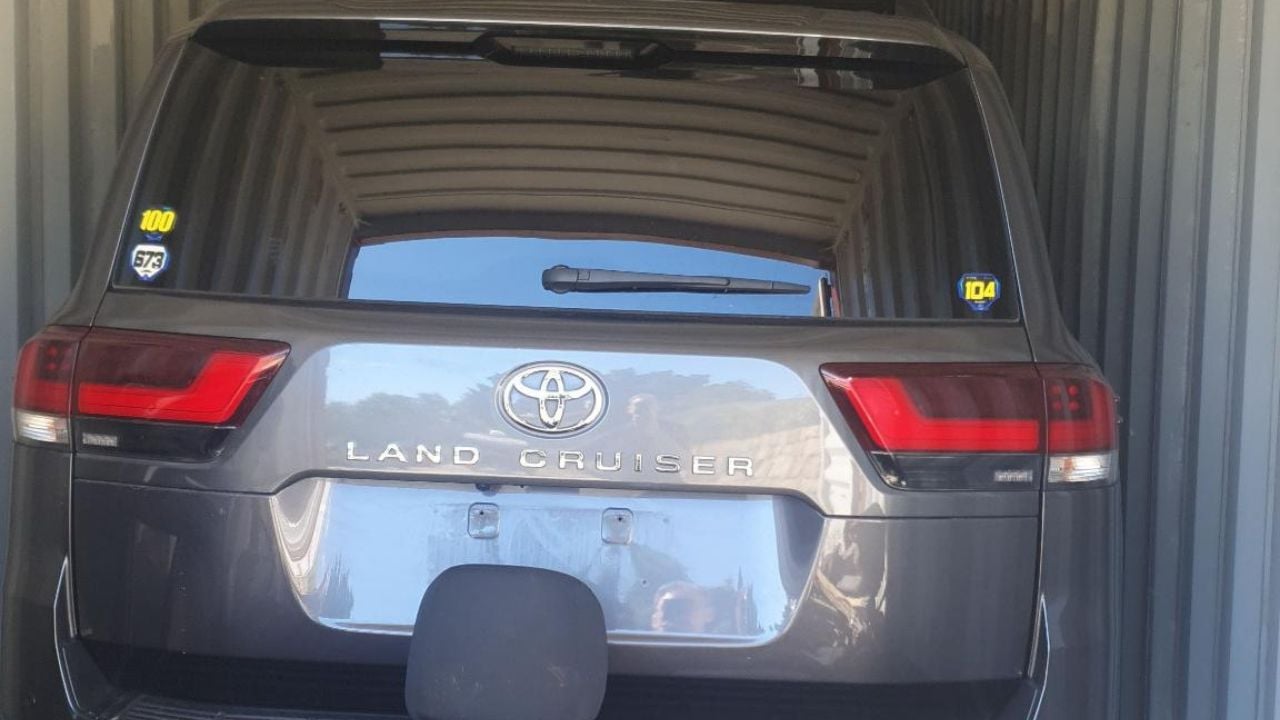
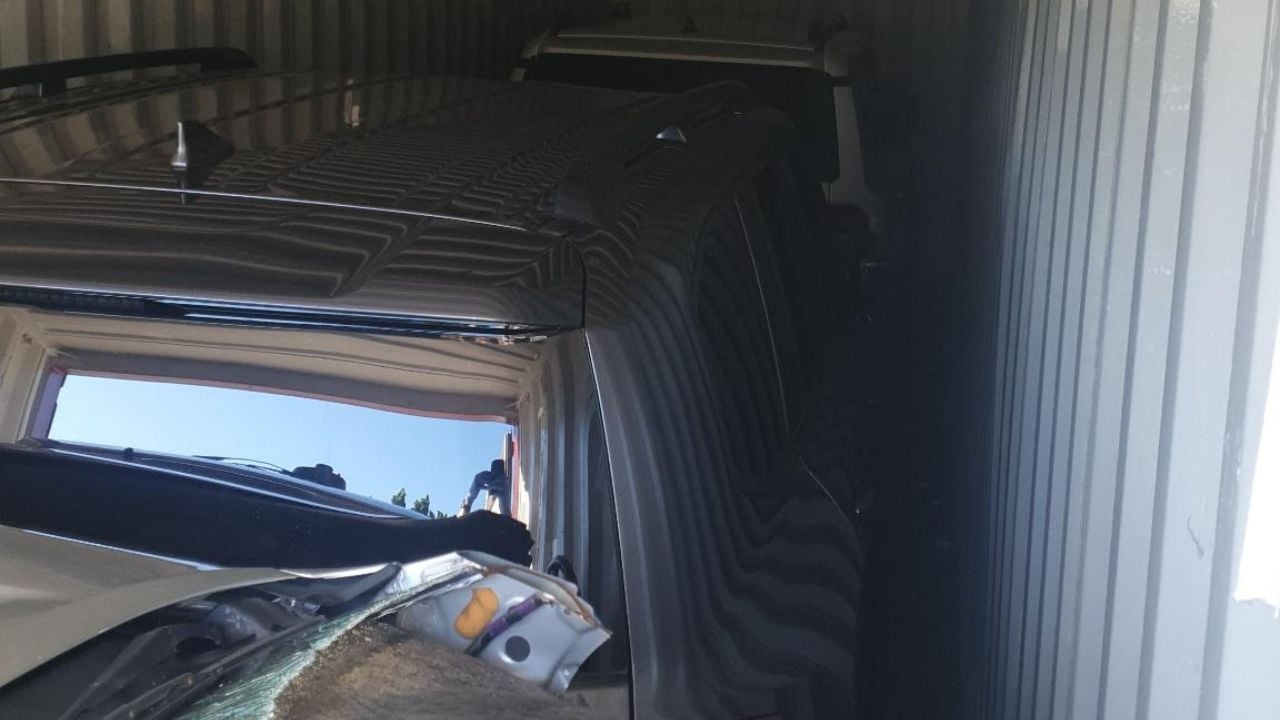
Law enforcement in Queensland reported an alleged international car theft syndicate that reportedly stole 60 Toyota vehicles worth about $9 million AUD between October and December 2025, with many of those vehicles hidden in shipping containers destined for overseas markets.
A Multi-Pronged Response
Apparently, Toyota refuses to sit out this one. Beyond the new steering lock, Toyota Australia has implemented enhanced security on new models like the HiLux, LandCruiser 300 and LandCruiser Prado, and announced plans for additional factory-approved accessories and immobilizer systems to further harden vehicles against electronic intrusion.
A prioritization system to assist customers whose vehicles are stolen is also in development. The system, Toyota says, will “help ensure affected customers receive replacement vehicles as quickly as possible.”
The broader industry has taken note of the techniques at play. Police reports and industry sources across Australia warn that the devices used in many recent thefts were originally developed for legitimate automotive work, but have been repurposed by thieves, prompting calls for stricter regulation or bans on certain tools.

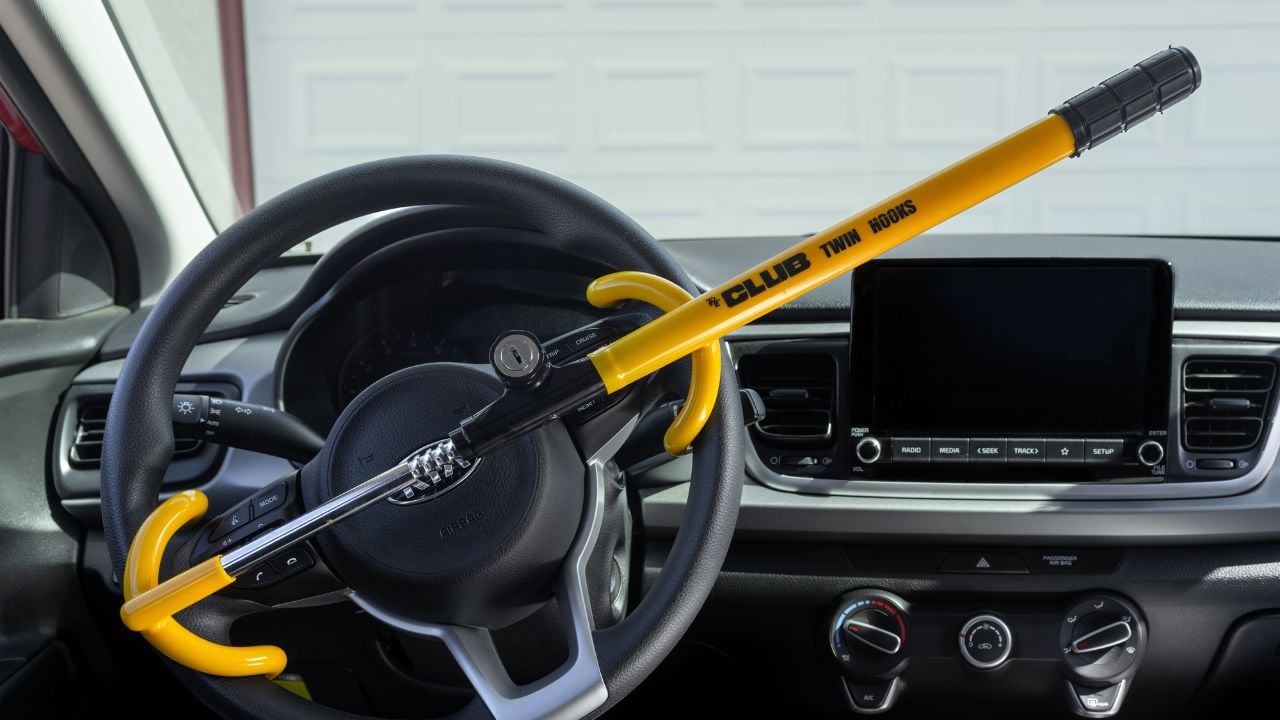
In Memphis, Tennessee, police released surveillance video of attempted thieves who broke into a vehicle, got it started, and even moved it forward a few feet—yet abandoned the theft because the steering wheel lock prevented them from turning the wheel and driving the car away. That owner credited the steering wheel lock with saving the vehicle, despite significant damage to the window and steering column.
This is exactly the scenario where physical deterrents shine: modern tech can be bypassed or hacked, but a visible mechanical barrier like a steering wheel lock can make a car effectively unusable even if thieves gain entry and start the engine.
The scale of this issue raises compelling questions about whether it could become a problem beyond Australian shores. In the United States, auto theft has long been a significant concern.
According to U.S. data cited by global news agencies in late 2025, more than 850,000 vehicles were stolen in 2024, with losses estimated in the billions of dollars. However, theft rates in the U.S. were reported as declining year-on-year even as sophisticated thieves continued to adapt their methods, suggesting the threat remains active.
The Enduring Power of a Physical Deterrent
Much like Australian authorities, U.S. automakers and law enforcement agencies are actively developing technological and cooperative solutions to curb theft. Ford, for example, has introduced a Start Inhibit feature that allows vehicle owners to remotely disable engines, while also engaging with police to enhance recovery efforts.
There is something quietly brilliant about Toyota leaning into an old-school steering wheel lock in an age obsessed with software fixes. Modern auto security relies heavily on electronic systems that can be cloned, spoofed, or overridden with increasingly accessible tools.
A physical lock flips the equation. It introduces time, noise, and visibility, three things car thieves hate. Unlike digital defenses, it cannot be hacked remotely, jammed, or bypassed in seconds with a laptop. In a landscape where theft is often about speed and stealth, a stubborn chunk of steel can still be the most effective deterrent on the street.