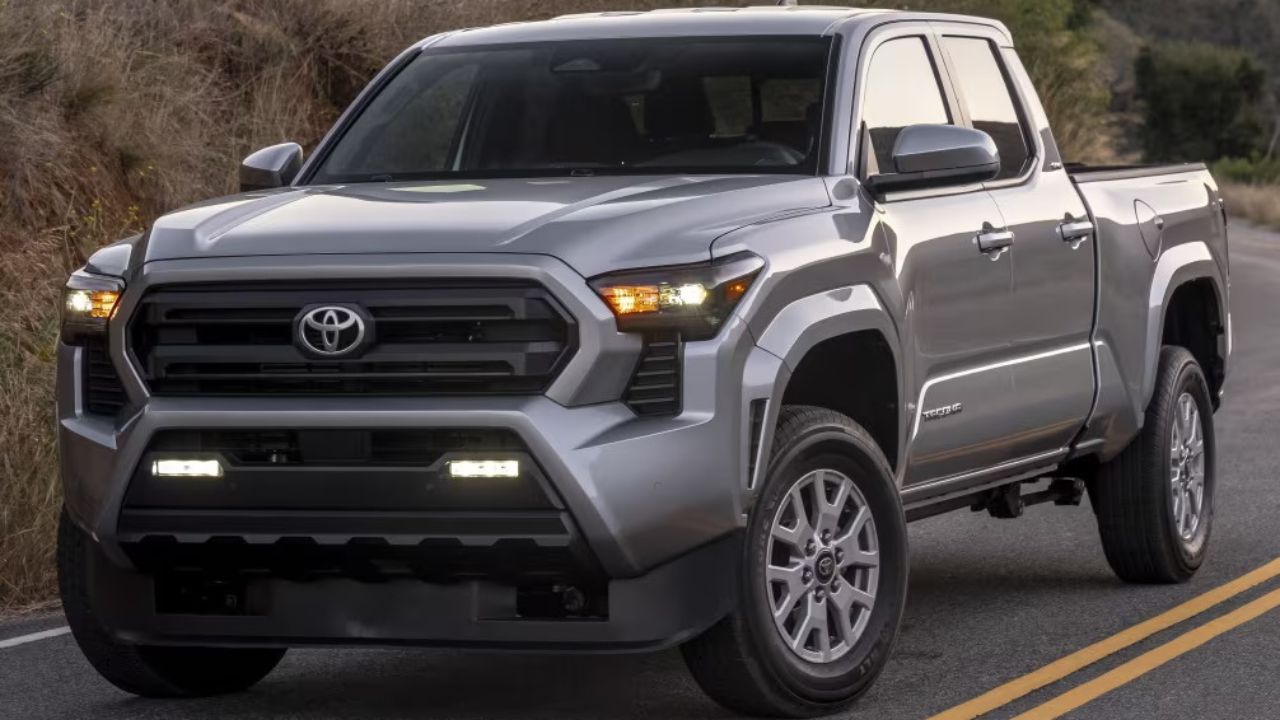
For years, American fans of Toyota have been asking the same question: when will the company finally launch a truly small pickup truck again? Rumors regularly appear, speculative renderings circulate online, and leaked sketches spark fresh optimism.
Then the excitement fades, and the project seems to disappear once more. While enthusiasts continue to hope for a quick debut, the reality inside Toyota appears far more cautious.
Speaking recently at a technology event in Las Vegas, Toyota North America Chief Operating Officer Mark Templin addressed the topic directly. He reminded the audience that Toyota essentially helped create the compact pickup segment in the United States decades ago.
At the same time, he explained that the current market size simply does not justify an immediate green light for a new model. According to Templin, the entire compact pickup segment currently represents roughly 160,000 to 170,000 sales annually, a figure that may sound substantial but remains relatively small from the perspective of a global automaker.
A Segment Dominated By A Single Player
Those numbers align closely with the combined sales of vehicles such as the Ford Maverick and Hyundai Santa Cruz. However, one model clearly dominates. The Maverick alone accounts for roughly 155,000 annual sales, while the Santa Cruz plays a much smaller role. That leaves limited space for another entrant.
For Toyota, entering this segment would mean not only competing directly against Ford but also convincing buyers to switch from other vehicle categories. That type of market expansion is typically expensive and uncertain, especially when competitors already have established momentum.
The Tacoma Factor And Internal Competition
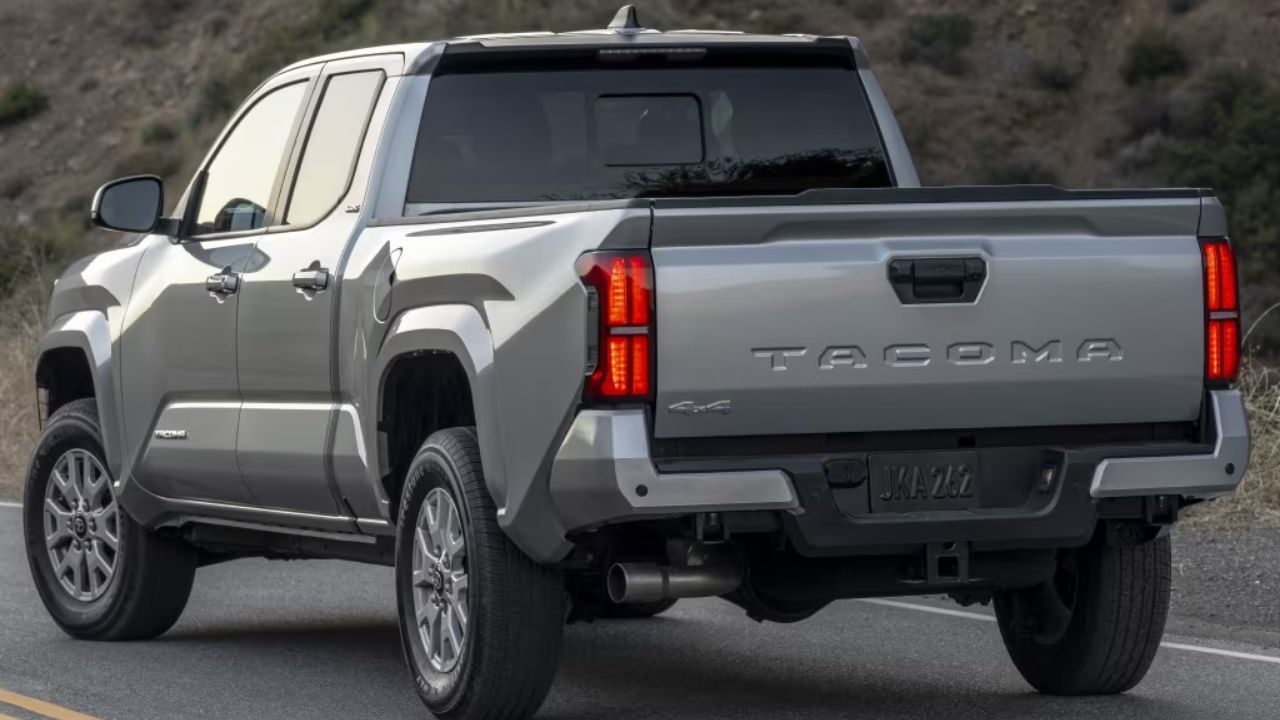
The biggest complication for Toyota may actually come from within its own showroom. The company already dominates the midsize pickup category with the Toyota Tacoma, which attracted nearly 275,000 buyers last year in North America. The Tacoma has built a strong reputation for durability, resale value, and off-road capability, making it one of Toyota’s most successful products in the region.
Launching a smaller, likely less profitable pickup could risk pulling customers away from the Tacoma. In the automotive industry, this is known as cannibalization, and manufacturers generally try to avoid introducing vehicles that compete too closely with their own best sellers. From Toyota’s perspective, protecting the Tacoma’s strong position may be more important than quickly entering the compact pickup space.
That is why Templin emphasized patience. Toyota is closely watching how the market evolves, suggesting that the company may respond when demand grows enough to justify the investment. For now, though, the message remains cautious.
Economic And Political Uncertainty Adds Complexity
Another factor influencing Toyota’s timeline is the broader economic and political environment. Trade relationships within North America, particularly the agreement governing the United States, Mexico, and Canada, remain under scrutiny. Any future changes to tariffs or production requirements could directly affect manufacturing costs.
Since a compact pickup would likely rely on production in Mexico or a cross-border supply chain, shifts in trade policy could dramatically alter the financial viability of the project. Automakers planning new models must account for those variables years in advance, which makes timing even more critical.
Conflicting Signals From Within Toyota
Interestingly, not everyone inside Toyota has sounded so reserved. Last year, Cooper Ericksen, Toyota North America’s head of planning and strategy, offered a more optimistic outlook. He suggested that the decision to build a compact pickup was essentially made, with the real question being when it would fit into production plans rather than whether it would happen at all.
Ericksen also stressed that any future model would need to be a true workhorse, durable, practical, and capable rather than a lifestyle-oriented crossover with a pickup bed.
Some reports have speculated that the vehicle could share architecture with the Toyota Corolla, raising questions about how well a passenger car-based platform could adapt to real pickup duties. While technically possible, balancing affordability, durability, and capability would be a major engineering challenge.
Waiting For The Right Moment
For now, Toyota appears content to wait. The compact pickup market is showing signs of growth but has not yet reached the scale that would force a quick response. With a commanding position in the midsize category, the company has little incentive to rush into a potentially risky segment.
For buyers hoping for a small, affordable Toyota pickup, patience remains the key message. In the automotive world, timing often matters just as much as product strategy. Toyota clearly believes that waiting for the right moment may ultimately be the smarter move.
This article originally appeared on Autorepublika.com and has been republished with permission by Guessing Headlights. AI-assisted translation was used, followed by human editing and review.