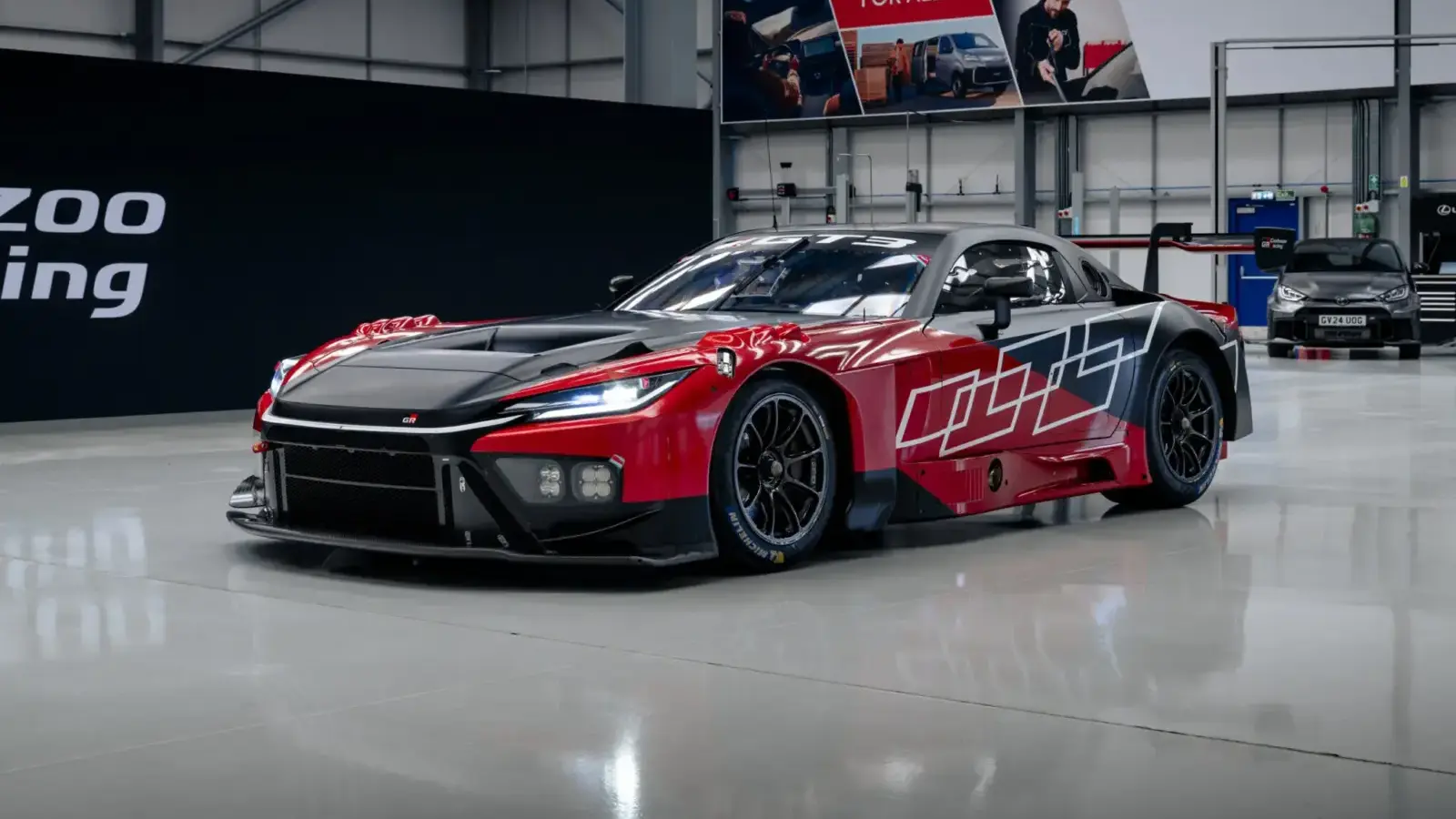
Toyota’s new GR GT is shaping up to be one of the company’s most exclusive road cars ever, and anyone hoping to casually walk into a dealership and order one is already too late. Every example from the first U.S. allocation has reportedly been spoken for before Toyota even opened conventional order books.
Between 200 and 250 GR GTs are earmarked for the United States, according to Toyota Senior Vice President of Automotive Operations Andrew Gilleland, speaking to The Drive. Rather than simply selling them to whoever arrives with roughly $220,000, Toyota has been selective about who gets the opportunity to buy one.
The reason behind it is that Toyota wants its new flagship in the hands of enthusiasts who will actually use it. The company is deliberately limiting supply and attempting to keep the earliest cars away from buyers primarily interested in flipping them for a quick profit.
“We’re not going to have enough to meet demand, and that’s by design,” Gilleland told The Drive. He described the GR GT as a passion project driven by Akio Toyoda’s desire to create a world-class performance car, adding that Toyota wants customers who intend to drive their cars.
Toyota Is Picking Who Gets A GR GT

Toyota previously revealed that prospective GR GT owners would face a vetting process before being approved to place an order. Details of exactly what qualifies someone for a car remain limited, although the approach is clearly intended to give Toyota some control over where its scarce allocation ends up.
Whether buyers will also face contractual restrictions preventing them from quickly reselling their cars hasn’t been confirmed. Similar agreements have become increasingly common among manufacturers launching scarce, high-demand performance models.
Demand certainly doesn’t appear to be a problem. Gilleland said more than 150 prospective customers sat down with Toyota representatives during The Quail to configure GR GTs, despite Toyota not formally taking orders at the event.
The automaker hasn’t revealed how many examples it intends to produce globally. That leaves the 200-to-250-car U.S. allocation as one of the few concrete production figures currently available.
A Twin-Turbo Hybrid V8 Sits At The Heart Of It
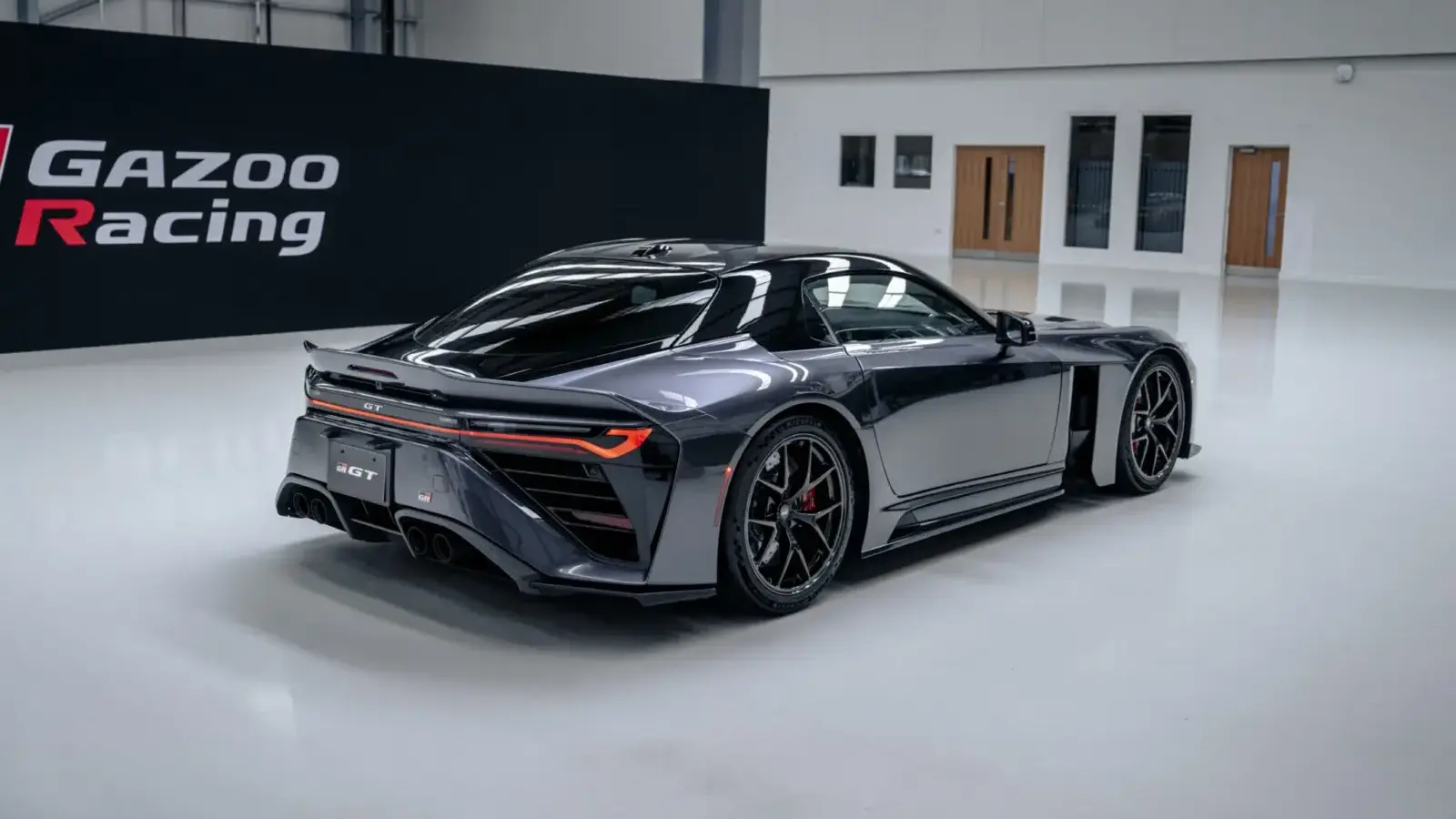
There is a good reason enthusiasts are lining up. The GR GT represents a significant step above cars such as the GR86, GR Corolla, and Supra, effectively becoming the halo model for Toyota’s Gazoo Racing performance lineup.
Power comes from a newly developed 4.0-liter twin-turbocharged V8 paired with hybrid assistance. Toyota is targeting more than 640 horsepower and approximately 627 lb-ft of torque, with power sent through a rear-mounted eight-speed transmission featuring a triple-wet-clutch arrangement.
Development has also been closely connected to the GR GT3 race car. Toyota development drivers Tatsuya Kataoka and Jack Hawksworth have emphasized the similarities between the road and racing versions, particularly their underlying character and drivability.
That motorsport connection is important because Toyota isn’t positioning the GR GT as a luxurious grand tourer wearing an aggressive body. It has been developed as a serious performance machine with racing baked into the program from the beginning.
$220,000 Apparently Wasn’t Enough To Slow Demand
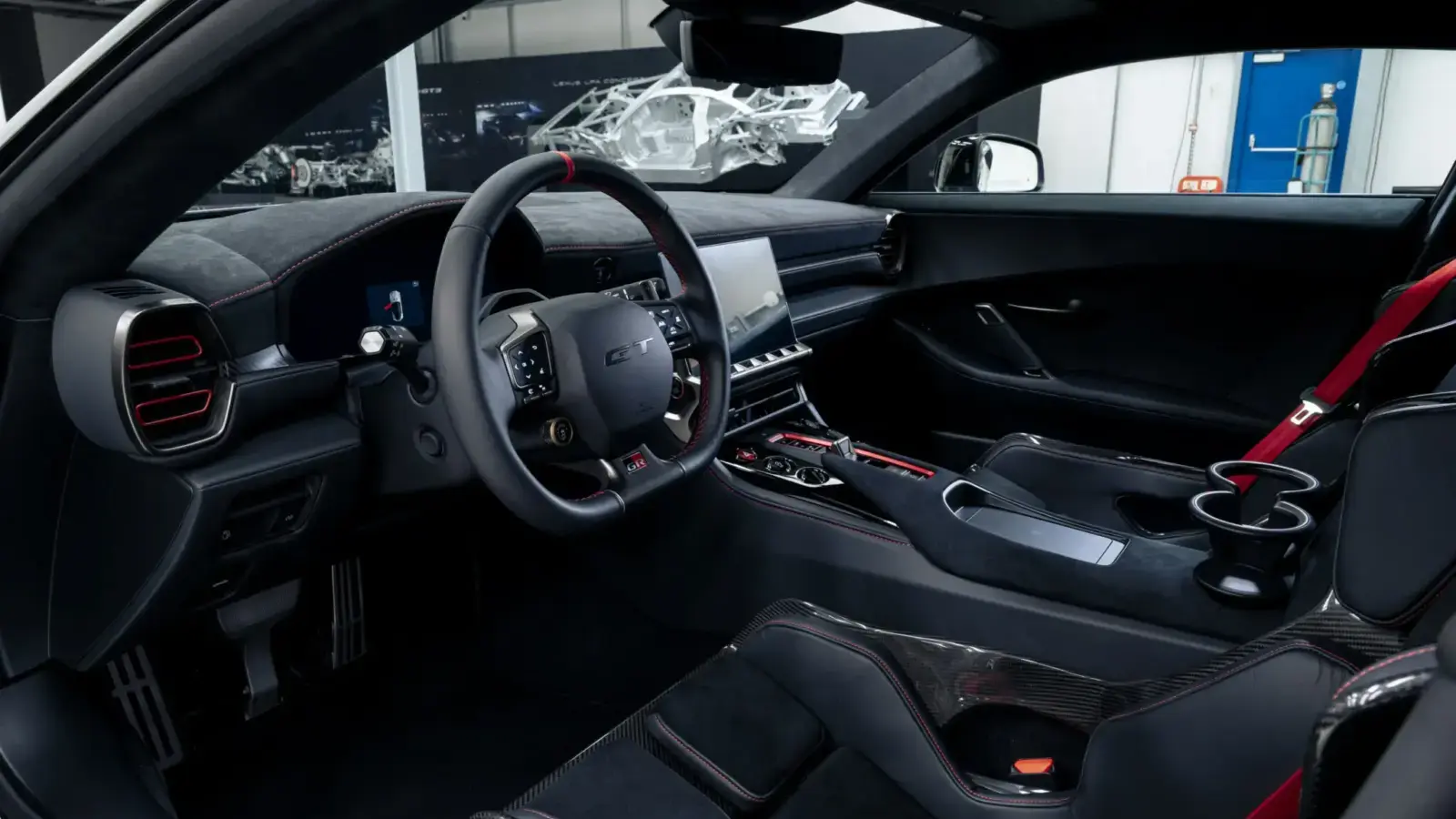
Reports suggest the GR GT will start above $220,000, making it an extraordinarily expensive Toyota by conventional standards. Viewed against other limited-production V8 supercars, however, the price clearly hasn’t discouraged the people Toyota wanted to attract.
The first customer cars are expected to arrive in 2027. Anyone who missed Toyota’s initial U.S. selection may therefore have to wait for another allocation, assuming the company offers one at all.
Toyota deliberately created that scarcity, and the strategy could make the GR GT particularly desirable once cars begin reaching owners. Whether the vetting process actually prevents flipping is another question, because a sold-out supercar with tiny production numbers and huge demand is exactly the sort of machine that tends to attract enormous premiums on the secondary market.