If you’ve ever white-knuckled your way through bumper-to-bumper traffic on a Texas freeway, muttering something unprintable at the driver who just cut across three lanes without a signal, you might already have a gut feeling about what’s coming. Spoiler: your gut is right.
According to a comprehensive study by personal injury law firm Elk + Elk, which analyzed over 20 years of fatal crash data — more than 91,000 crashes across the entire U.S. primary road system — Texas is home to the deadliest 10-mile stretch of highway in the entire country.
Seven of the top ten most dangerous highway segments in the nation are in the Lone Star State. The other three? South Florida. So if you were hoping for some geographic diversity in this list, you’re out of luck.
Houston, We Have a (Very Serious) Problem

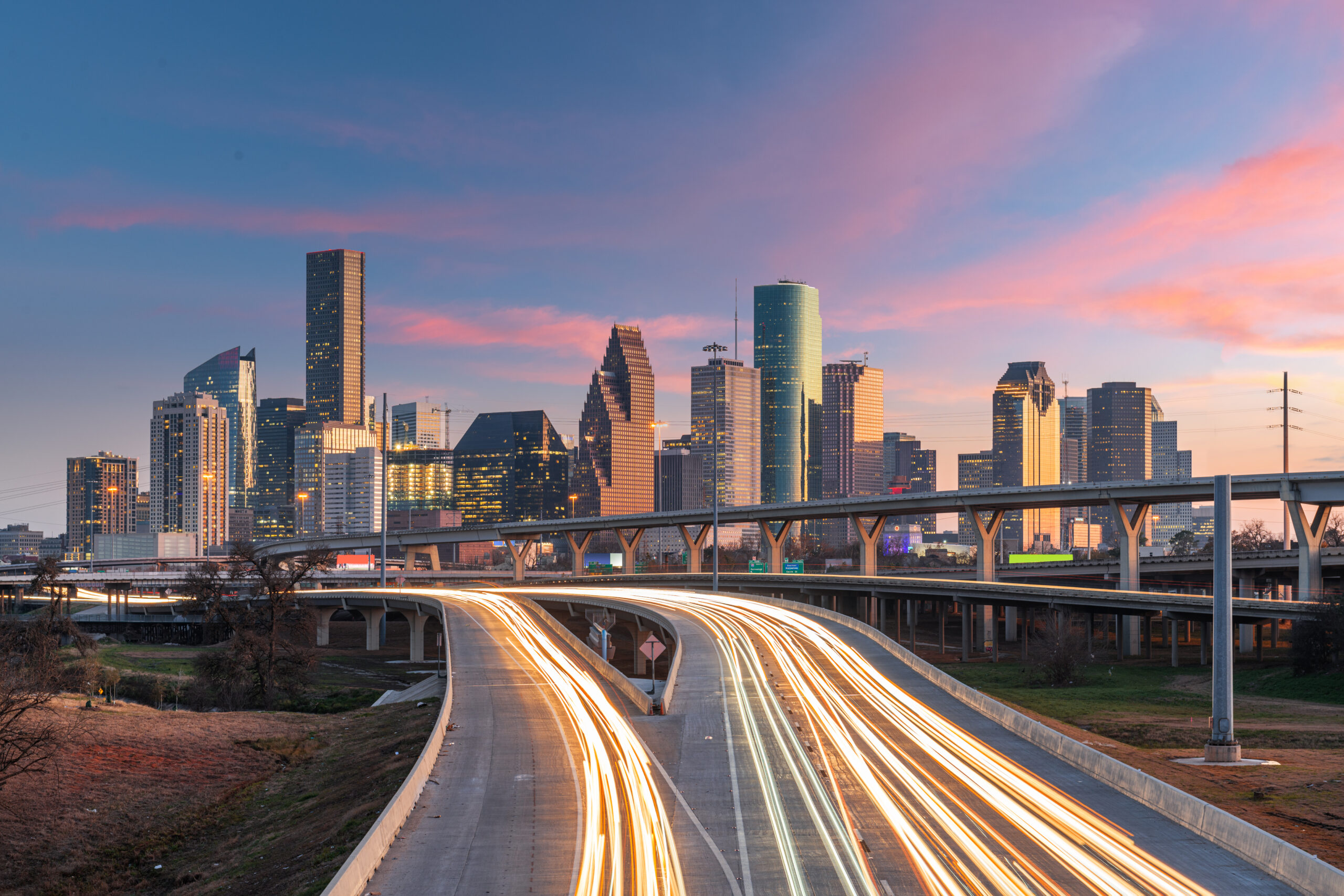
The undisputed heavyweight champion of deadly roads is a 10-mile section of Interstate 45 in Houston, running between exits 49B and 60A. Over the two-decade study period, this stretch recorded 142 fatal crashes and 148 deaths — that’s an average of 7.7 fatal crashes per year on a single 10-mile corridor.
To put that in perspective for the car enthusiasts out there: if you drove this stretch every single workday for a year, you’d be rolling through a road that sees a fatal crash roughly every 47 days. The worst single year was 2006, with 15 fatal crashes. That’s more than one per month on a stretch of road you could cover in about eight minutes at highway speeds — assuming Houston traffic ever actually moves at highway speeds, which is generous.
I-45 through Houston isn’t just dangerous in some abstract statistical sense. It’s a major urban artery that funnels tens of thousands of commuters daily, and the numbers suggest those commuters are playing a version of highway roulette they may not have signed up for.
The North Houston Highway Improvement Project has been in planning since 2002 — yes, 2002, back when most of us were still burning CDs and thinking SUVs were a fad — with proposals to widen and reroute parts of I-45. As of late 2021, the project was put on hold. Roads: 1, Bureaucracy: 1, Commuters: 0.
Dallas Wants Its Trophy Back
If Houston takes the top spot, Dallas is doing its absolute best to be a runner-up podium all by itself. Five of the top ten deadliest highway stretches in the country are in the Dallas metro area, including sections of I-35E, I-30, I-635, and US-75.
That’s not a coincidence: these are all high-volume commuter corridors that carry the kind of traffic loads that would make a civil engineer reach for antacids. During rush hour, these roads are less “driving experience” and more “slow-motion group therapy session.”
The second deadliest stretch in the country sits on I-35E in Dallas (exits 430C to 440B), with 136 fatal crashes and 144 deaths over the study period. The fourth, fifth, sixth, and ninth deadliest are also in Dallas. At some point, it stops being a coincidence and starts being a public infrastructure conversation that needs to happen loudly and often.
Florida Isn’t Exactly Innocent Here
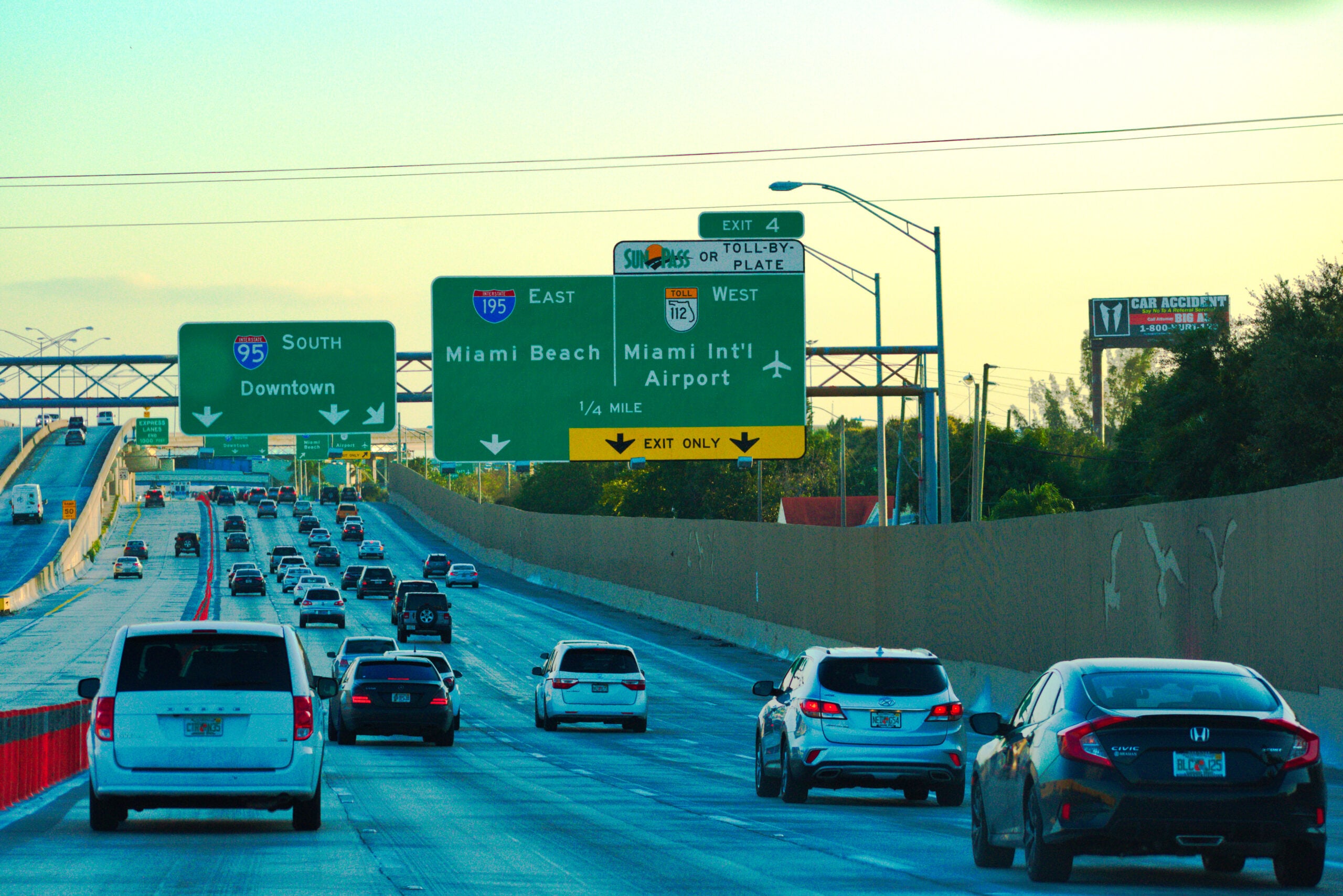
While Texas dominates the top of this list with all the confidence of a pickup truck doing 85 in the left lane, South Florida quietly claims three spots in the top ten. Two sections of I-95 in the Miami metro area rank third and seventh nationally, and a stretch of SR-826 in Hialeah rounds out the top ten.
The most notorious of these is a segment of I-95 that passes through Fort Lauderdale — which, in a separate finding from the same Elk + Elk study, contains the single deadliest mile of highway in the entire United States. That one mile saw 23 fatal crashes over the study period, nearly 50 times the national average for any given mile of road. The culprit? A complex interchange with a sharp 90-degree exit ramp that drivers repeatedly approach at speeds the ramp was very much not designed for.
Florida has plans to add warning signs, speed feedback indicators, and pavement markings. Which seems like reasonable advice for a ramp that’s been claiming lives for decades. But it may not combat its annoying, distracted drivers.
What Makes a Road Deadly?
For the gearheads reading this, none of this is magic — it’s physics, infrastructure, and human behavior colliding (sometimes literally). High-volume urban freeways under constant stress, complex interchange designs, and the daily reality of aggressive commuter traffic create conditions where the margin for error gets very thin, very fast.
The Elk + Elk study examined all fatal crashes on primary roads and limited-access highways over a 20-year window, identifying not just individual dangerous spots but systemic patterns. When the same roads appear on the deadliest list year after year, that’s a signal about infrastructure investment and road design — not just driver behavior.
The deadliest stretches in this study collectively claimed over 1,000 lives in just ten 10-mile sections of road. That’s a staggering figure for roads that, in many cases, have known safety issues with solutions that remain stuck in planning limbo.
Stay Safe Out There, Partner
Texas — and specifically Houston and Dallas — holds the grim distinction of having the most dangerous highway corridors in the United States. If you’re driving I-45 through Houston or any of the five Dallas stretches that made this list, this is a good time to put down the coffee, silence the group chat notifications, and give the road your full attention.
And if you’ve been nudging your state legislators about highway improvement funding, you now have some very compelling data to share with them.
Drive safe out there. Especially in Texas.
Data sourced from the Elk + Elk 20-year fatal crash analysis, which examined over 91,000 fatal crashes on primary U.S. roads and highways.