

Fuel prices have always told a deeper story about logistics, geography, and global shocks, and the latest situation on K’gari is a sharp example of that reality.
On this remote sand island off Queensland’s coast, diesel has surged to an eye-catching $4.25 per liter at the Orchid Beach Trading Post and Driftwood Bar. That figure sits far above Australia’s mainland average, which recently hovered around $2.84 per liter according to the Australian Institute of Petroleum.
The price gap looks extreme, even viewed through the lens of US economy. But beneath it lies a complex supply chain story that highlights how fragile fuel distribution can become in isolated regions.
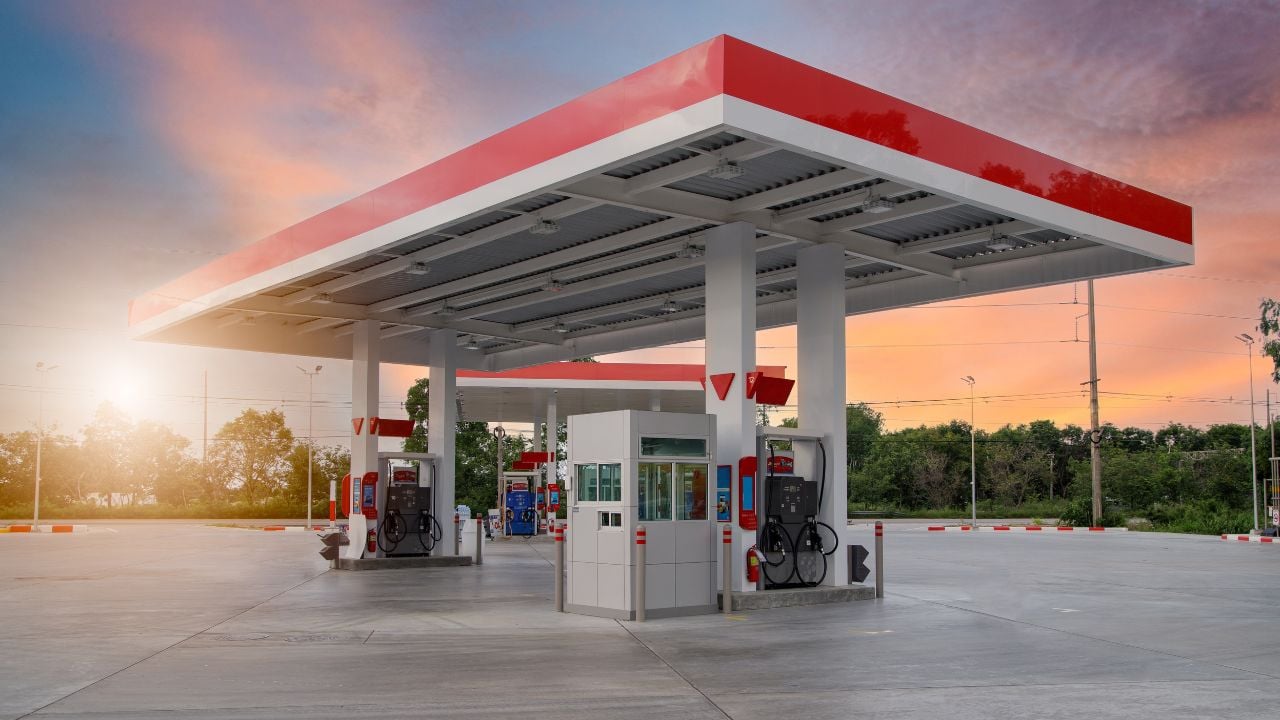
Speaking of the US, K’gari is no ordinary fuel market. Stretching roughly 76 miles, the island has only a handful of refueling points. So, each station represents a critical lifeline for residents, tourists, and especially the four-wheel-drive automobiles that dominate the terrain.
Unlike urban fuel stations connected to pipelines and frequent tanker deliveries, fuel here must be transported via barge. That single logistical factor introduces higher costs, unpredictable delivery schedules, and exposure to weather disruptions.
A Global Lesson in Remote Economics
The co-owner of the Orchid Beach Trading Post has pushed back against criticism, emphasizing that the pricing reflects operational survival rather than opportunism. Running an off-grid business powered by generators adds another layer of expense.
Every liter sold carries not just the cost of fuel itself but also the cost of keeping the station functional in a remote and infrastructure-light environment.
This local challenge is colliding with a broader global issue. Recent disruptions tied to tensions in the Middle East have tightened crude oil supply chains, pushing wholesale fuel prices upward.

According to recent industry data, diesel prices in Australia jumped by 36 percent within just two weeks, an unusually sharp spike that has rippled across the country. While mainland stations have not yet widely crossed the $4 threshold, there are growing concerns that such levels could become more common if supply constraints persist.
What makes K’gari particularly vulnerable is its lack of storage capacity. Unlike large mainland depots that can hedge against price swings by stockpiling fuel, small island operators rely on frequent deliveries and have limited ability to buffer sudden cost increases. When wholesale prices climb, those increases are felt almost immediately at the pump.
A Growing Challenge
The situation also underscores a broader truth about fuel economics in remote regions worldwide. Whether in island communities, desert outposts, or mountainous terrain, fuel pricing often reflects the true cost of access rather than just the commodity itself. Transport, storage, and infrastructure limitations can easily double or even triple prices compared to urban centers.
For motorists, especially tourists visiting K’gari, preparation is essential. Filling up on the mainland before heading to the island is as much a cost saving strategy as it is a necessity. Vehicles that consume more fuel, such as off-road capable SUVs and trucks, amplify the financial impact of these elevated prices.

Meanwhile, across Australia, the strain is becoming more visible. Reports indicate that hundreds of fuel stations have already run out of at least one type of fuel as supply tightens. That trend makes you question the resilience of national fuel networks in the face of global disruptions.
Similar Stress, Different Dynamics
In the United States, fuel dynamics mirror Australia’s stress but play out differently. Diesel and gasoline prices have climbed sharply since late 2025, driven by Middle East tensions and refinery bottlenecks. National averages hover around $3.50–$4.00 per gallon (≈$0.92–$1.06 per liter), lower than K’gari’s extremes but still painful for households.
Unlike Australia’s island supply chains, the U.S. relies on vast pipeline networks and large storage hubs, which buffer shocks more effectively. Yet vulnerabilities remain: regional shortages have appeared in the Midwest and Gulf Coast when refineries go offline, and trucking costs amplify inflation across food and goods.
The U.S. also faces seasonal swings; winter heating demand and hurricane disruptions can spike prices. In short, while America’s infrastructure cushions volatility better than K’gari’s barge-fed stations, global crude disruptions and domestic bottlenecks can still expose U.S. motorists to sudden, broad-based price surges.
Sources: 9News