Buying a brand-new truck usually comes with one simple expectation: if you paid for an option, it should actually be there.
That sounds obvious, but nearly 1,000 Chevrolet Silverado EV owners are learning that small production misses can still happen in the age of software-defined vehicles.
General Motors is now mailing compensation checks to affected customers after certain Silverado EV Work Trucks were sold without a paid feature being properly installed.
The amount is only $50, but the story highlights a much bigger issue facing modern automakers: when trucks become rolling computers, even minor missing settings can create real customer headaches.
What Happened?
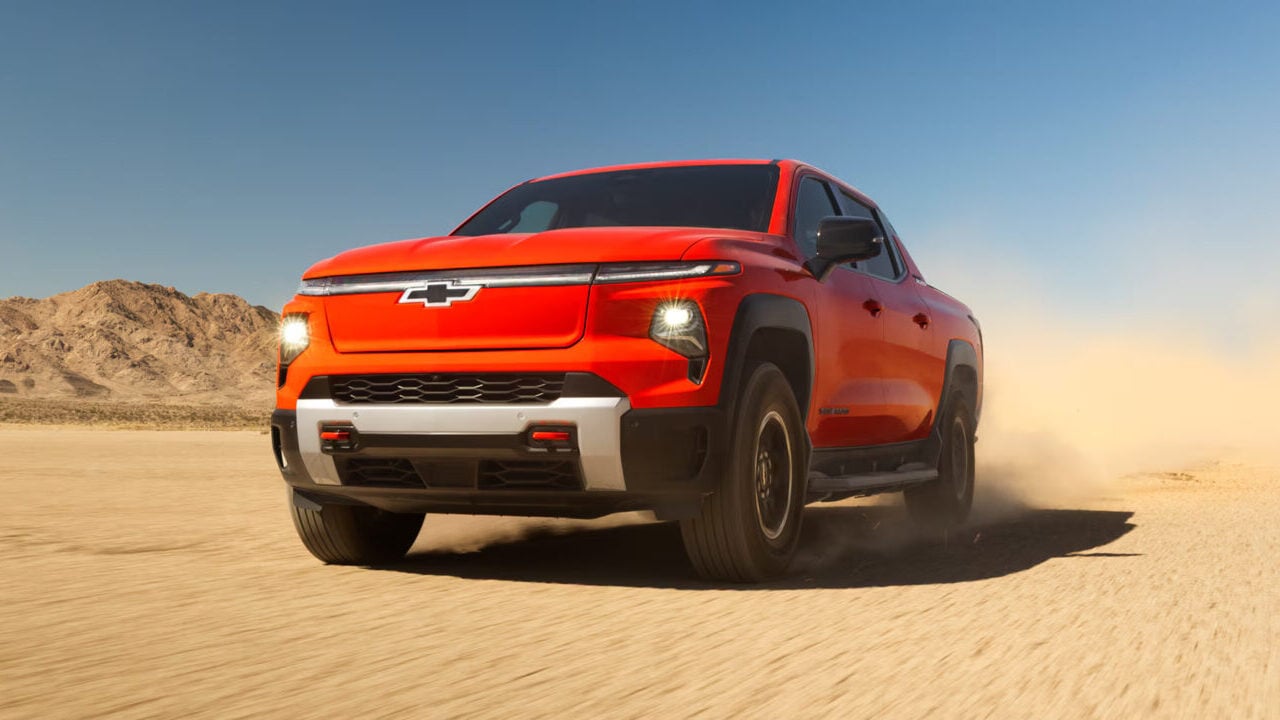
GM launched Customer Satisfaction Program N262546840 covering 915 Silverado EV Work Truck models from the 2025 and 2026 model years.
According to reports, these trucks were ordered with the back-up alarm calibration option, but left production without that software calibration completed.
That option is tied to RPO code SFW, a fleet-oriented setup that disables rear perimeter lighting so an aftermarket reversing alarm can be installed.
In plain English, customers paid for a feature that was not properly activated.
Why Fleet Buyers Actually Care
For private buyers, this might sound trivial. For commercial fleets, it is not.
Many fleet environments such as warehouses, construction sites, logistics yards, and municipal operations, require audible reversing alarms for safety or compliance reasons.
That means the missing calibration could delay upfits, create extra labor, or force fleet managers to sort out issues after delivery.
Those are exactly the buyers who typically choose the Silverado EV Work Truck trim.
The Compensation
GM is reportedly sending $50 checks in the United States to affected owners, while Canadian buyers are expected to receive C$85.
Owners will also be contacted directly, and the claim window reportedly runs through April 30, 2028.
Importantly, reports indicate all affected trucks had already been sold rather than sitting unsold on dealer lots.
The check amount is modest, but the bigger takeaway is how vehicle quality problems are changing.
Older truck issues meant broken transmissions, leaking seals, or rust. Today, manufacturers increasingly deal with software calibrations, missing coding, sensors, and digital configuration errors.
That is a different type of reliability challenge.
A truck can be mechanically sound and still leave customers frustrated because a promised feature was never correctly programmed.
Silverado EV Faces Growing Competition
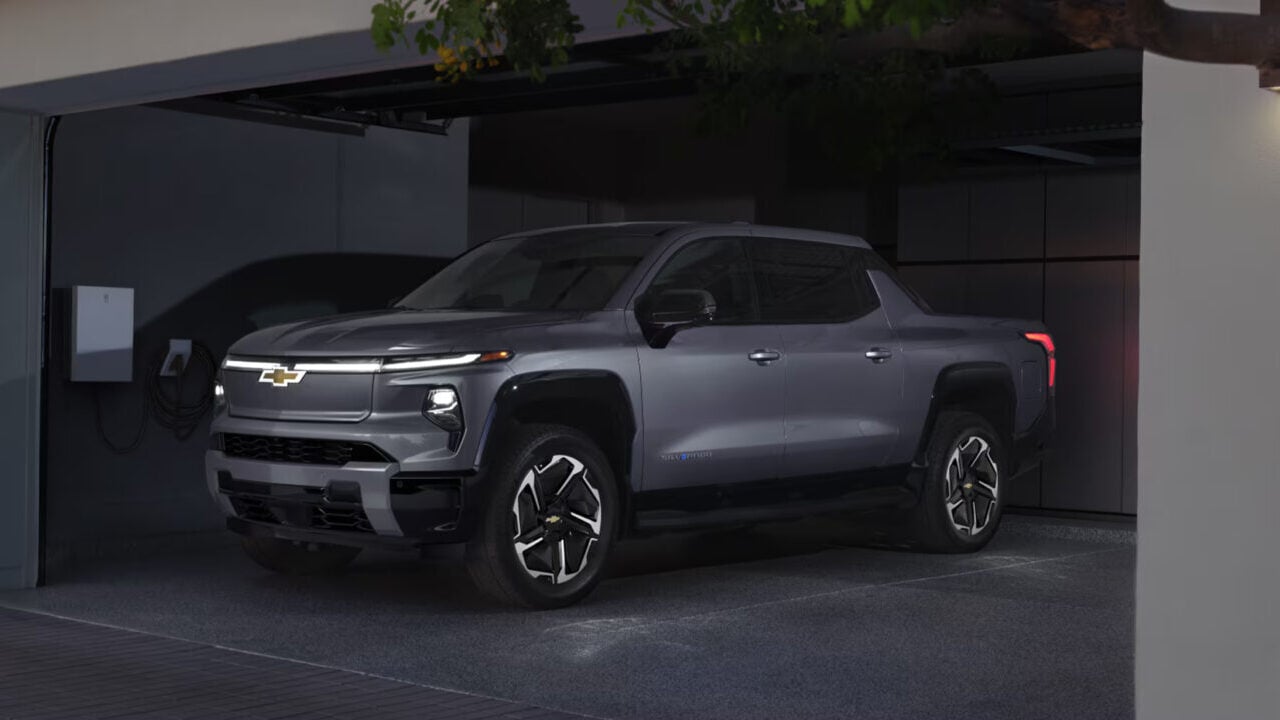
GM is trying to grow the Silverado EV against rivals like the Ford F-150 Lightning and Tesla Cybertruck.
Fleet buyers are especially valuable because they buy in volume and often reorder if ownership goes smoothly.
That means even minor annoyances matter more than they would on a niche sports car or luxury coupe.
Lose confidence with fleet managers, and the damage can multiply quickly.
If automakers want buyers to embrace electric trucks, they need to get the basics right every time, because nobody spending serious money on a new pickup wants to discover later that one of the boxes they paid for was never truly checked.