

The machine does not ask for permission from the terrain. It studies it, grips it, and moves through it with a kind of quiet confidence that feels engineered rather than improvised. The Zoom 2.0 off-road wheelchair is not built to behave like a traditional mobility aid. It behaves more like a compact all-terrain vehicle that just happens to carry a seated rider.
Look closely at its mechanical anatomy and the intent becomes obvious. Each wheel is driven by its own motor, a four-point propulsion system that delivers a combined output of about 4,000 watts. That is not decorative power. It is the sort of torque distribution that allows the chair to maintain traction when one or two wheels meet loose sand or wet soil.
Instead of slipping into immobility, the system redistributes effort across all contact points, maintaining forward motion with surprising composure.
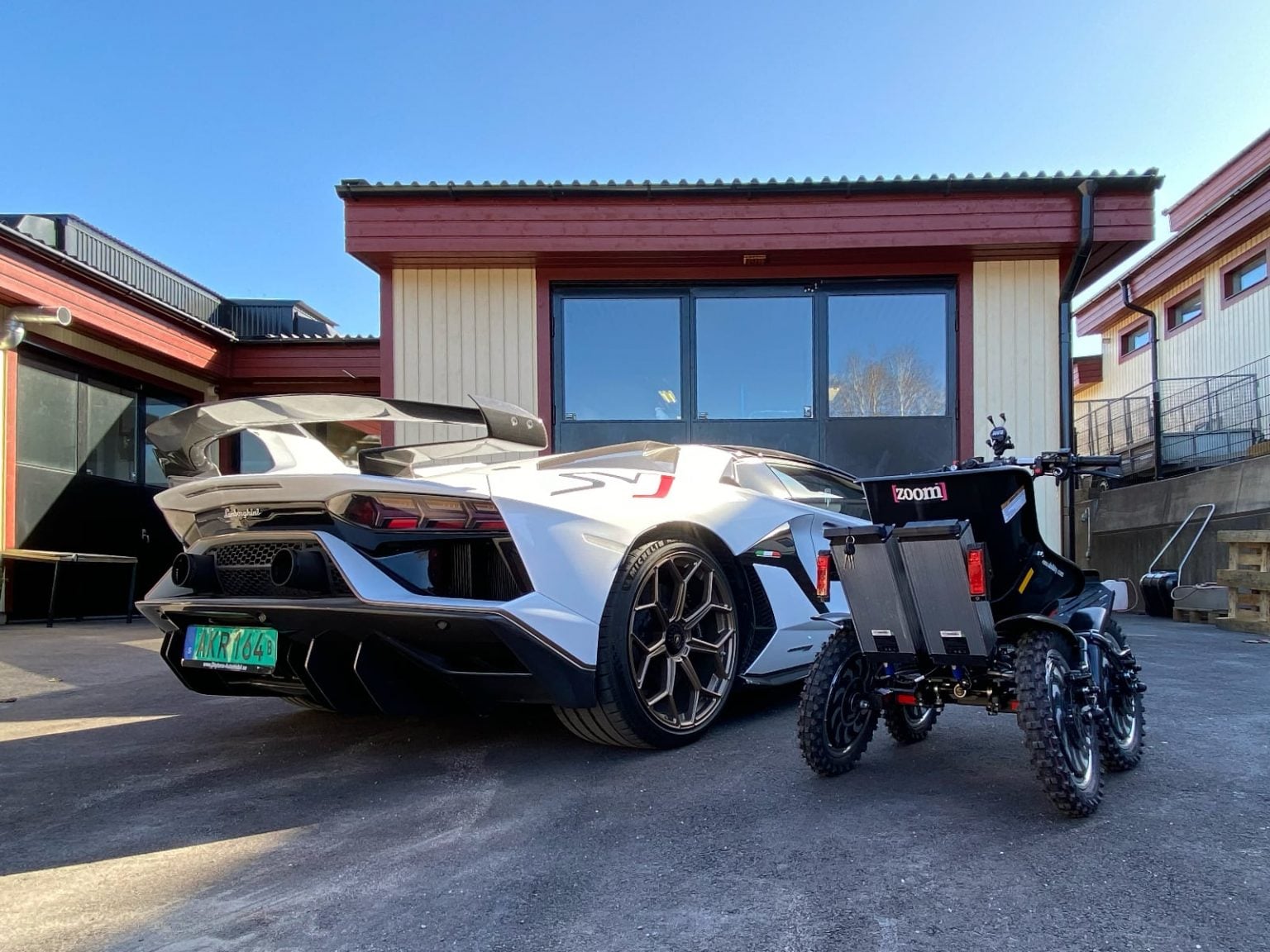
The frame plays an equally important role. It is designed so that all four wheels remain in contact with the ground, even when the surface is uneven. This constant contact improves stability and reduces the risk of tipping, a crucial factor when the rider sits low to the ground. That low center of gravity is a calculated design decision that keeps the chair planted during climbs, descents, and lateral shifts across rough trails.
Suspension, Speed, and Battery Power
Then there is the suspension. Independent and responsive, it allows each wheel to react to obstacles without transferring excessive shock to the rider. The result is a ride that feels controlled rather than chaotic, even when the ground is anything but forgiving. Add to that hydraulic disc brakes on each wheel, and you get a system that does not just move with authority but also stops with precision.
Speed is adjustable, with modes that range from a gentle walking pace to about 13 mph. Acceleration can take the chair from zero to top speed in under two seconds, a figure that feels almost excessive until you consider the weight it is designed to move.
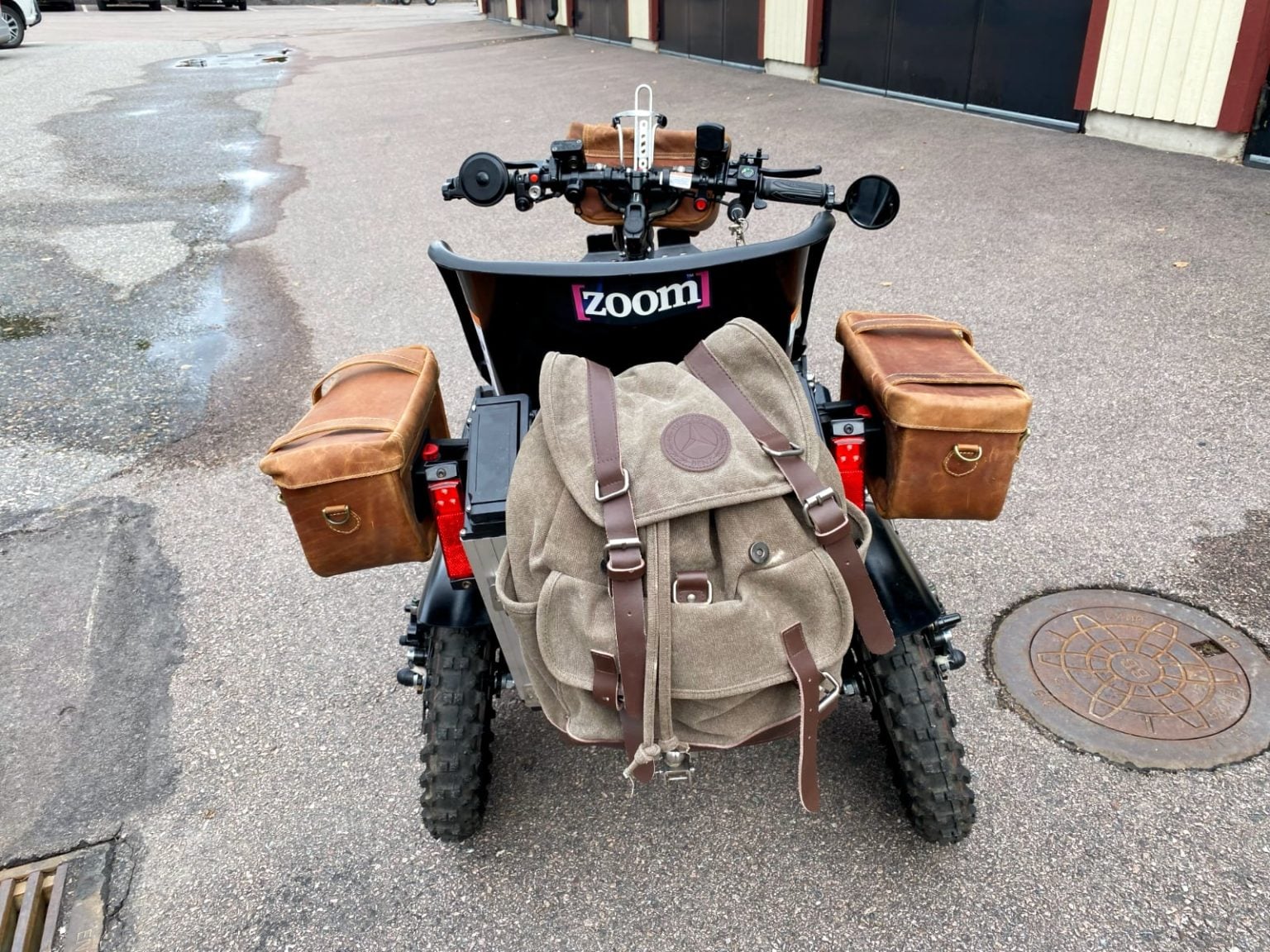
With the chair, rider, and potential cargo combined, the system often exceeds 441 lbs, and that kind of mass demands serious output.
Battery technology adds another layer of capability. The previous generation offered around 25 miles of range, while the newer iteration stretches that to roughly 50 miles. This transforms how far a user can venture without worrying about energy limits. With charging cycles exceeding 800, it suggests durability over time rather than short-term novelty.
Control is handled through handlebars or adaptable interfaces that can be configured for one-handed use. This flexibility matters. Mobility devices often fail not because they lack power, but because they fail to accommodate the varied physical realities of their users.
Utility and Independence
So, what does all this engineering translate to in real life?
Utility, first. The Zoom 2.0 extends mobility beyond paved surfaces. Beaches, forest trails, muddy paths, and snow-covered routes become accessible rather than theoretical.
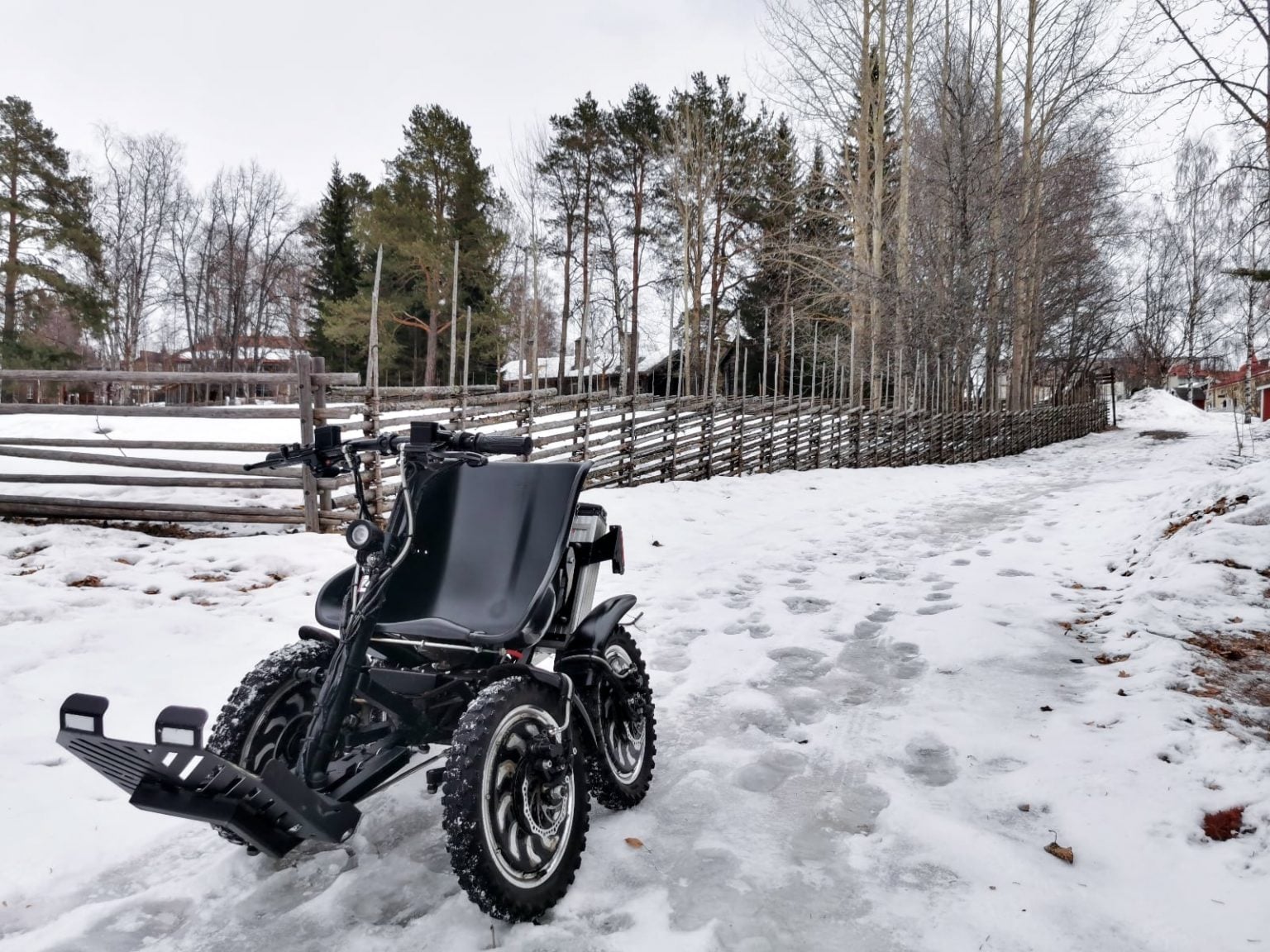
For individuals who have long been restricted to sidewalks and indoor spaces, that shift changes how leisure, travel, and even social participation are experienced.
There is also a psychological dimension. Independence is very much about choosing where to go without negotiation or assistance. A device like this reduces reliance on others in environments that were previously off-limits.
But the usefulness is not absolute. Cost remains a barrier, with earlier models priced near the level of a small car. That places it out of reach for many who might benefit from it. Weight, at over 220 lbs, introduces logistical challenges as well. Transporting the chair often requires a vehicle and sometimes additional equipment like ramps.
There is also the question of context. In dense urban settings with smooth infrastructure, much of its off-road capability goes underused. For some users, a lighter, more compact chair may be more practical day to day.
Yet, for those who need or desire access to the outdoors, the Zoom 2.0 is enabling in a broader sense, merging mechanical strength with thoughtful design to challenge the limits traditionally placed on mobility.
Sources: Zoomability