Fiat is entering one of the most ambitious phases of its modern development. The new plan changes the role of the Italian brand inside the Stellantis group.
The strategy is called The Sunny Road to 2030 and includes 13 new models across different regions. That represents a major shift for a brand that spent much of the past decade relying heavily on the 500 and Panda.
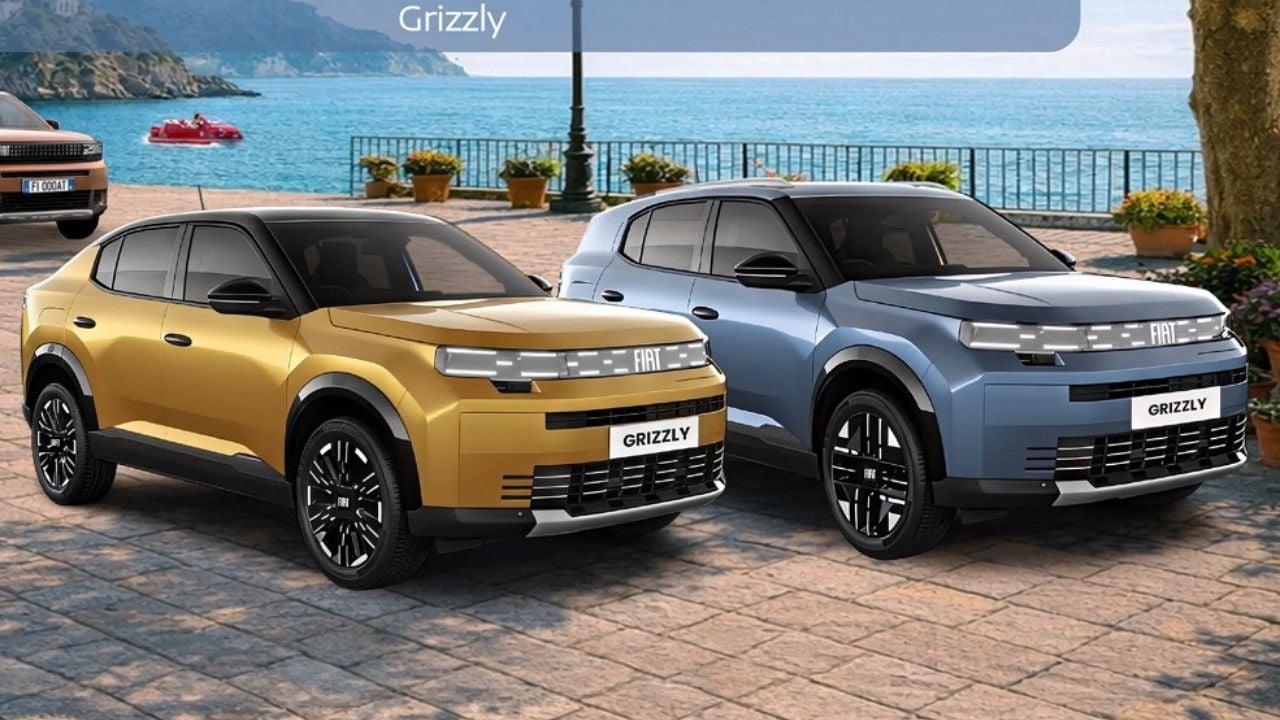
The most important European addition will be a completely new family of compact crossovers called Grizzly. This lineup will include two body styles, a traditional SUV and a fastback version.
Both will sit above the Grande Panda and target affordable family models from brands such as Dacia and Skoda.
Grizzly Becomes Fiat’s New European Priority
The Grizzly’s design shows Fiat’s new direction clearly. The front end is upright and sharply defined, with LED lights that visually connect with an illuminated grille.
The front bumper has pronounced air intakes, while the wheel arches are highlighted by rugged plastic cladding. From the A pillar rearward, both versions share the same glass area and doors, with the main difference appearing at the back.
The fastback version gets a roofline that drops more sharply toward the rear. The standard SUV keeps a more traditional upright profile with roof rails.
The Grizzly family will be based on Stellantis’ Small Car architecture, which already supports models such as the Fiat Grande Panda, Citroen C3, Citroen C3 Aircross, and Opel Frontera. Powertrain options are expected to include a 1.2L mild hybrid and fully electric versions, allowing Fiat to target a wide range of buyers in the B and C segments.
Small Electric Cars Stay Important
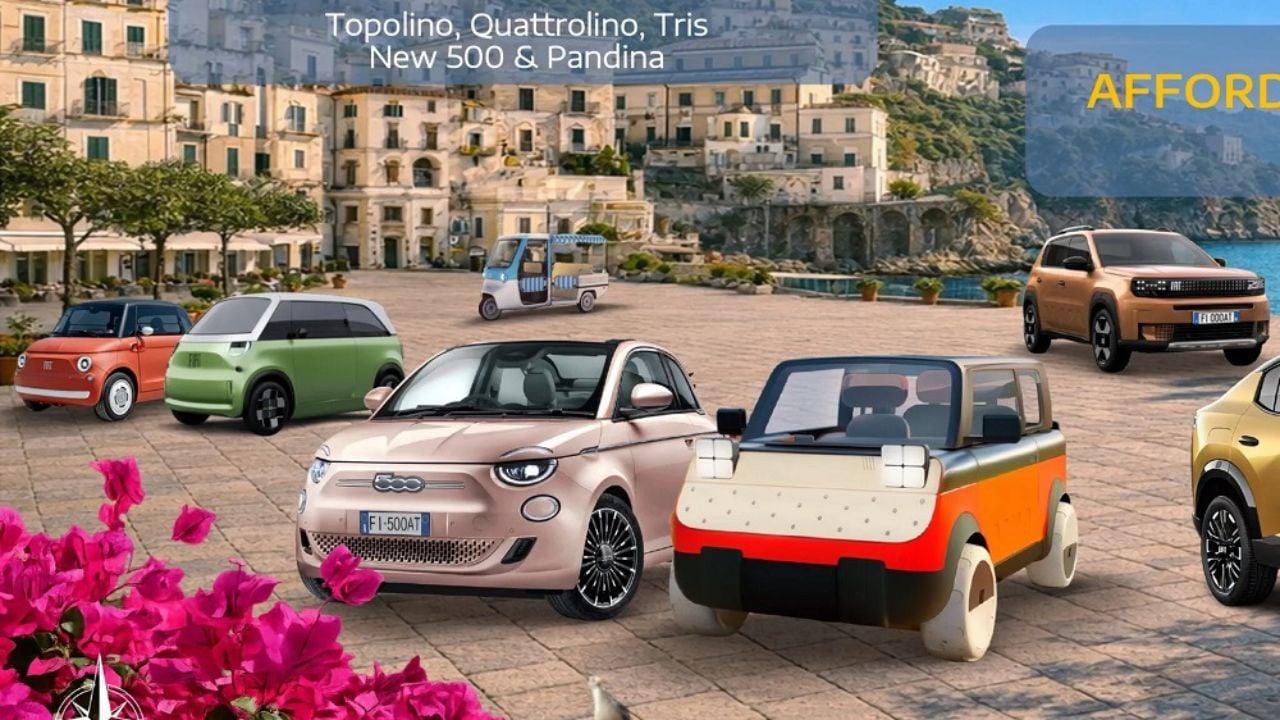
The second major part of Fiat’s European strategy is urban mobility. With the new Quattrolino, Fiat will expand its range of small electric vehicles.
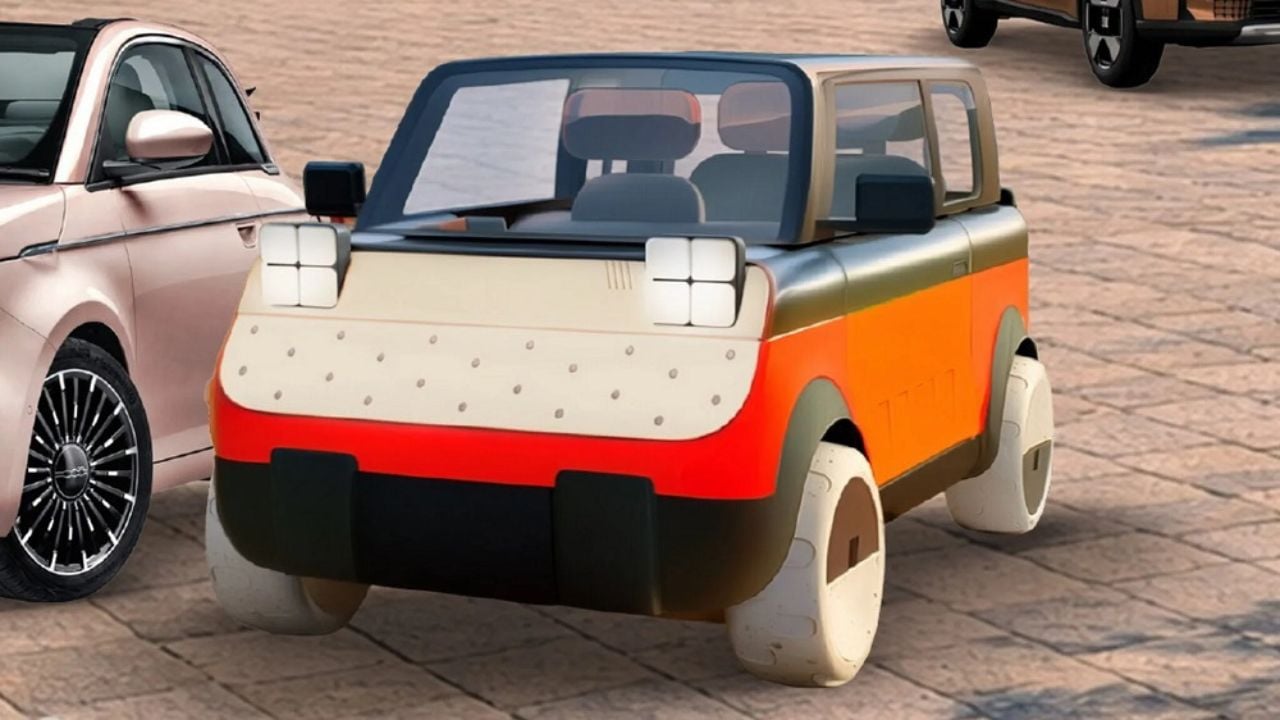
This tiny model will sit alongside the already known Topolino and will be classified as a heavy quadricycle. Its design looks like a modern reinterpretation of the original Multipla from the 1950s, with a distinctive one-box silhouette and retro-inspired details.
Although it has two doors, its proportions and name suggest a four-seat layout. Fiat is clearly trying to keep some of its historic charm alive while moving into a much smaller electric format.
The company is also developing another unnamed urban EV. This concept looks like a direct spiritual successor to the old Panda, with boxy proportions, a very small front grille, and LED lights that stand out from the short nose.
Inside, the layout is unusual. The driver sits in the center, with three seats in total, suggesting that Fiat is still experimenting with new ideas for city mobility.
South America Gets Its Own Renewal
Fiat remains a major player in South America, where it is one of the best-selling brands in Brazil and Argentina. The strategy for that region focuses on localization, affordability, and a full refresh of the lineup.
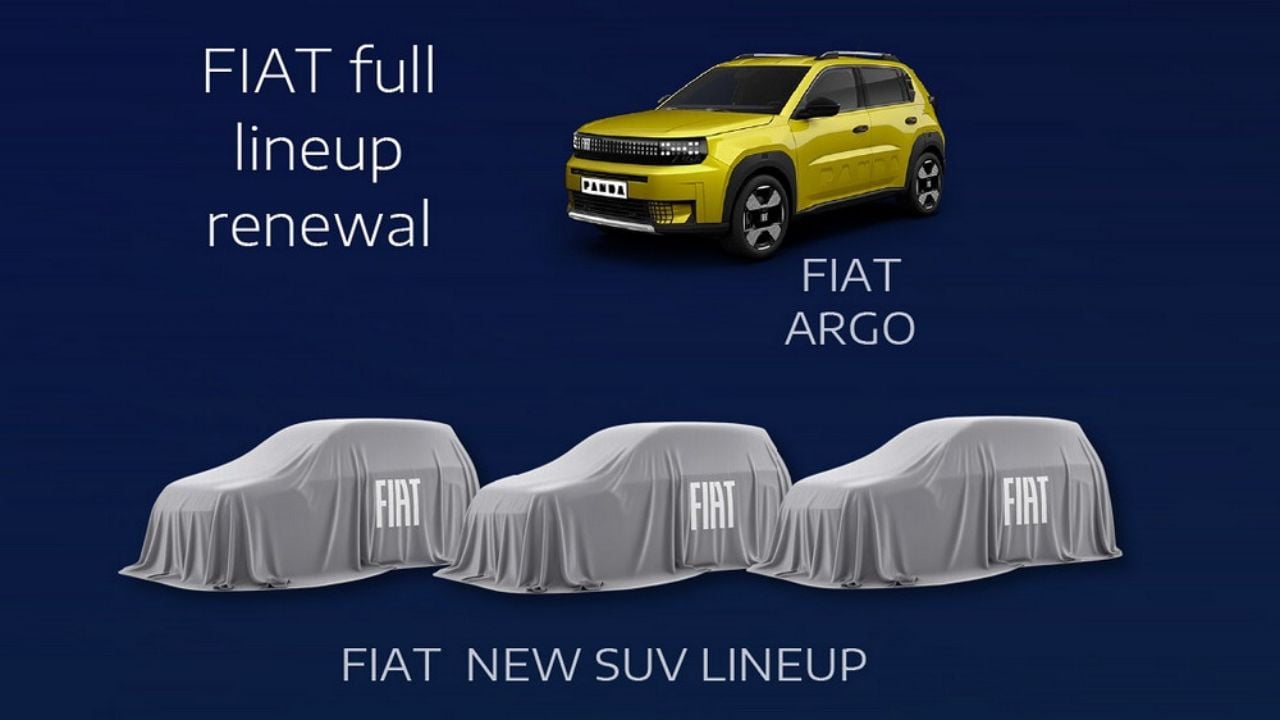
The main new model will be the next generation Argo, which will serve as a regional interpretation of the European Grande Panda. Fiat is also planning three new crossovers for South America.
Two of them are expected to replace the Pulse and Fastback, while the third remains unknown for now. This approach shows how important crossovers have become even in regions where compact hatchbacks and small sedans once dominated.
Fiat will also strengthen its pickup range. The Strada and Toro, two of the brand’s most important models in South America, will receive new generations, while the larger Titano will remain at the top of the lineup for traditional work-focused trucks.
Fiat Wants To Be More Than A Few Icons
This product plan shows that Fiat no longer wants to operate as a brand built mainly around a small number of famous nameplates. Instead, it is trying to cover all major segments, from tiny urban EVs to family crossovers and practical pickups.
That is a big change for a company whose identity has often been tied to small, simple, and emotional cars. The next few years will show whether Fiat can preserve that character while becoming a broader global brand.
If the plan works, Fiat could become much more important inside Stellantis than it has been in recent years. The challenge will be keeping prices accessible, designs recognizable, and models different enough from the many other brands inside the same group.
This article originally appeared on Autorepublika.com and has been republished with permission by Guessing Headlights. AI-assisted translation was used, followed by human editing and review.