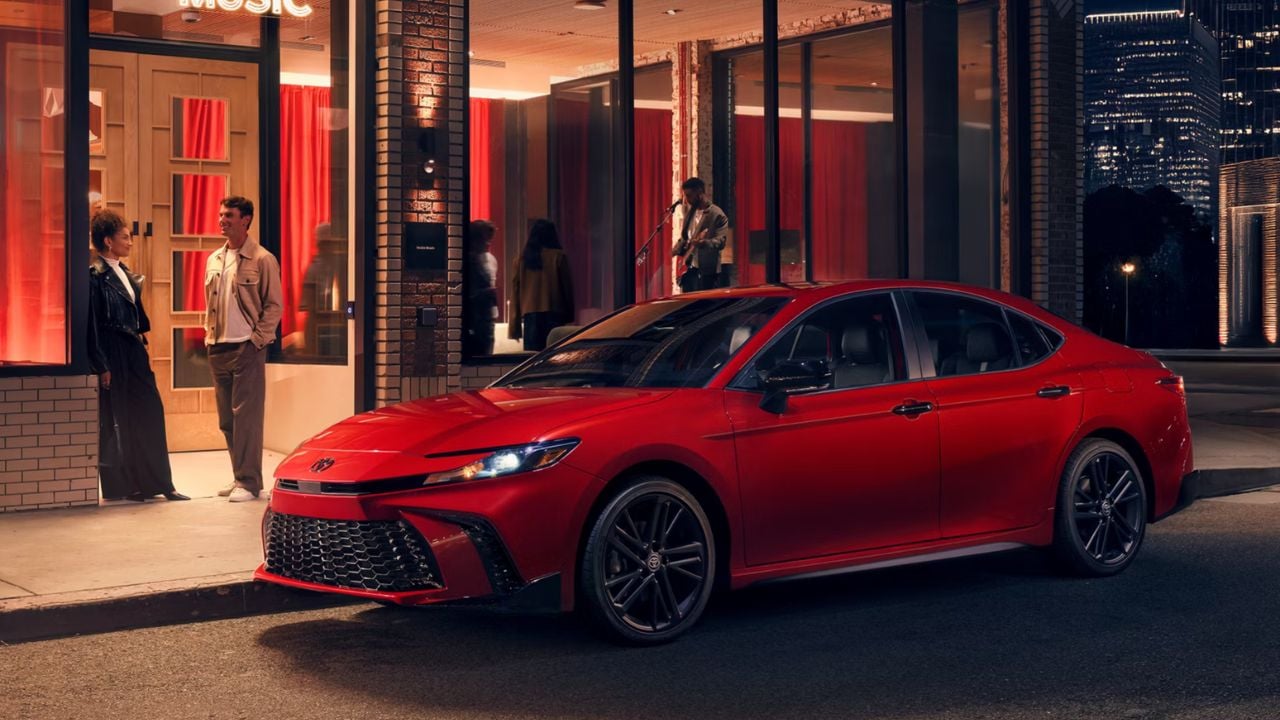
Hybrid sedans are stronger now than they were a decade ago. They no longer feel like cautious alternatives for buyers avoiding change; the best ones now make a practical case against heavier SUVs, expensive EVs, and plug-in hybrids that require a charging routine.
The appeal is straightforward. A good hybrid sedan uses less fuel, keeps familiar refueling habits, and does not ask the owner to rethink daily driving. It also stays low, efficient, easy to park, and comfortable enough for long highway use.
For many shoppers, that balance is more useful than chasing the newest powertrain trend. A hybrid sedan can be quiet in traffic, efficient on a commute, simple on a road trip, and easier to own than an EV for households without home charging.
These five models fit because they bring real U.S. availability, strong fuel economy, useful power, and everyday refinement. They are not the flashiest cars in the market, but each one makes a clear case for why the hybrid sedan still works.
The Criteria Behind These Hybrid Sedan Picks
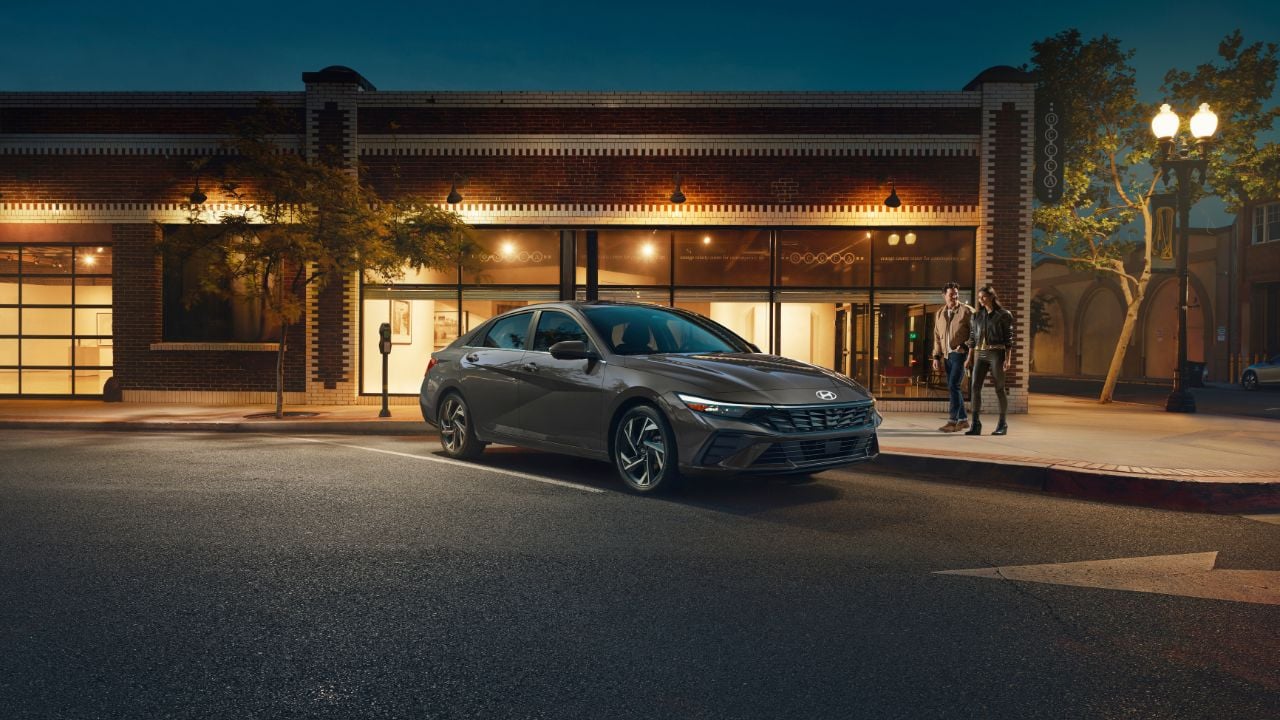
This selection focused on hybrid sedans available to U.S. buyers. Priority went to models that combine strong EPA fuel economy, usable passenger space, real trunk practicality, smooth power delivery, modern safety technology, and a clear value case.
A sedan needed to feel complete as a daily vehicle, not simply efficient on paper. Pricing, warranty coverage, power output, cabin quality, brand reputation, ride comfort, and long-term ownership logic all shaped the final list.
Plug-in hybrids, EVs, hatchbacks, and SUVs were left outside the brief to keep the focus on traditional hybrid sedans. The final choices cover compact, midsize, and value-focused categories, with each model giving shoppers a different reason to choose hybrid power.
Toyota Camry Hybrid
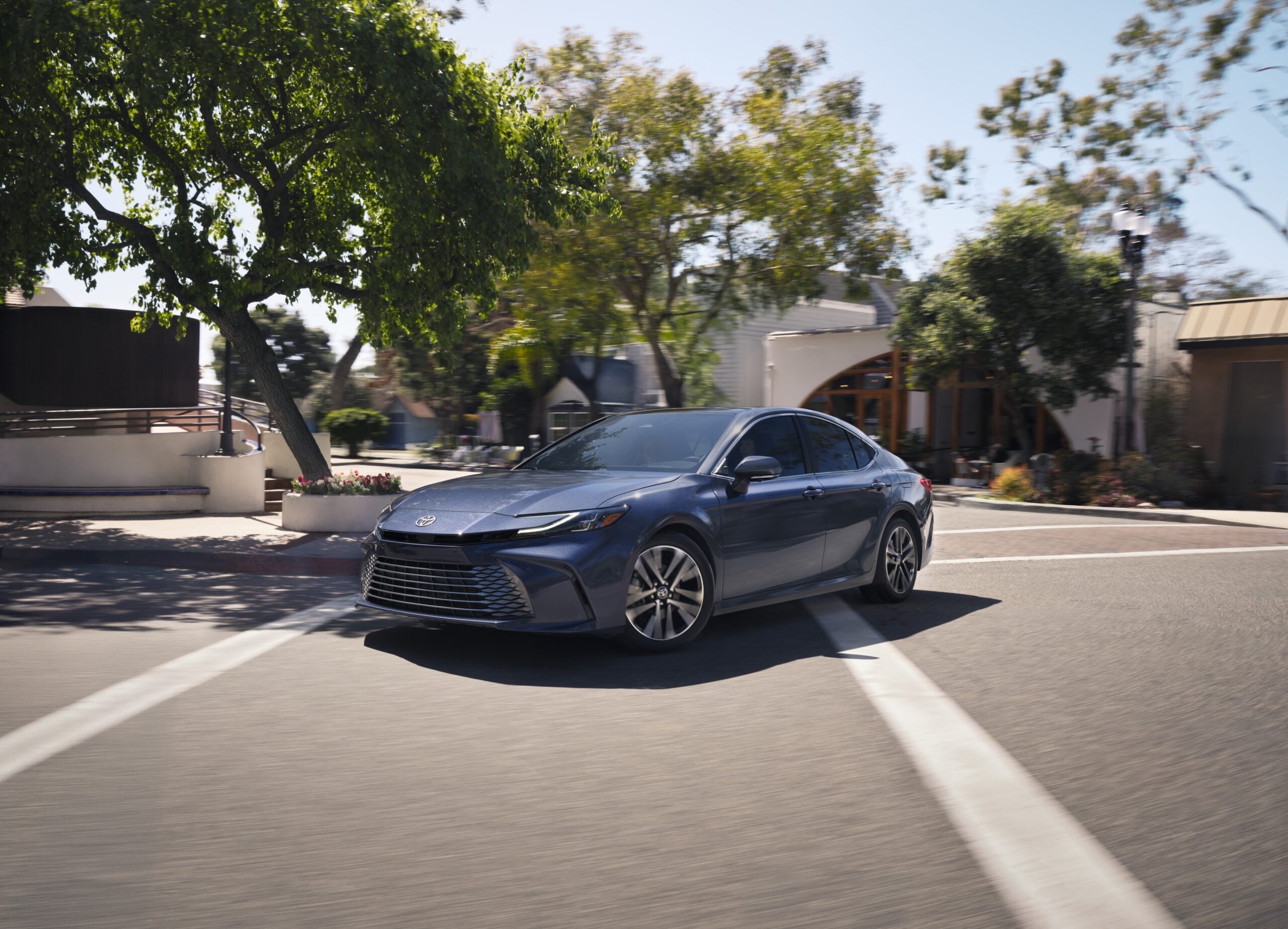
The 2026 Toyota Camry is the clearest sign that the hybrid sedan has become mainstream. Toyota made the entire Camry lineup hybrid, turning efficiency from a separate trim choice into the car’s standard identity.
Toyota lists the 2026 Camry with up to 51 combined EPA-estimated mpg, up to 232 net combined hp, and available Electronic On-Demand All-Wheel Drive. That gives it useful efficiency without leaving buyers with a weak or limited powertrain.
The Camry works because it asks buyers to give up very little. It has midsize space, familiar controls, broad dealer support, strong resale reputation, and enough power for relaxed highway passing.
The hybrid system fits the Camry’s role. It smooths out daily driving, keeps fuel use low, and makes the sedan feel like a complete mainstream choice rather than a compromise.
Honda Accord Hybrid
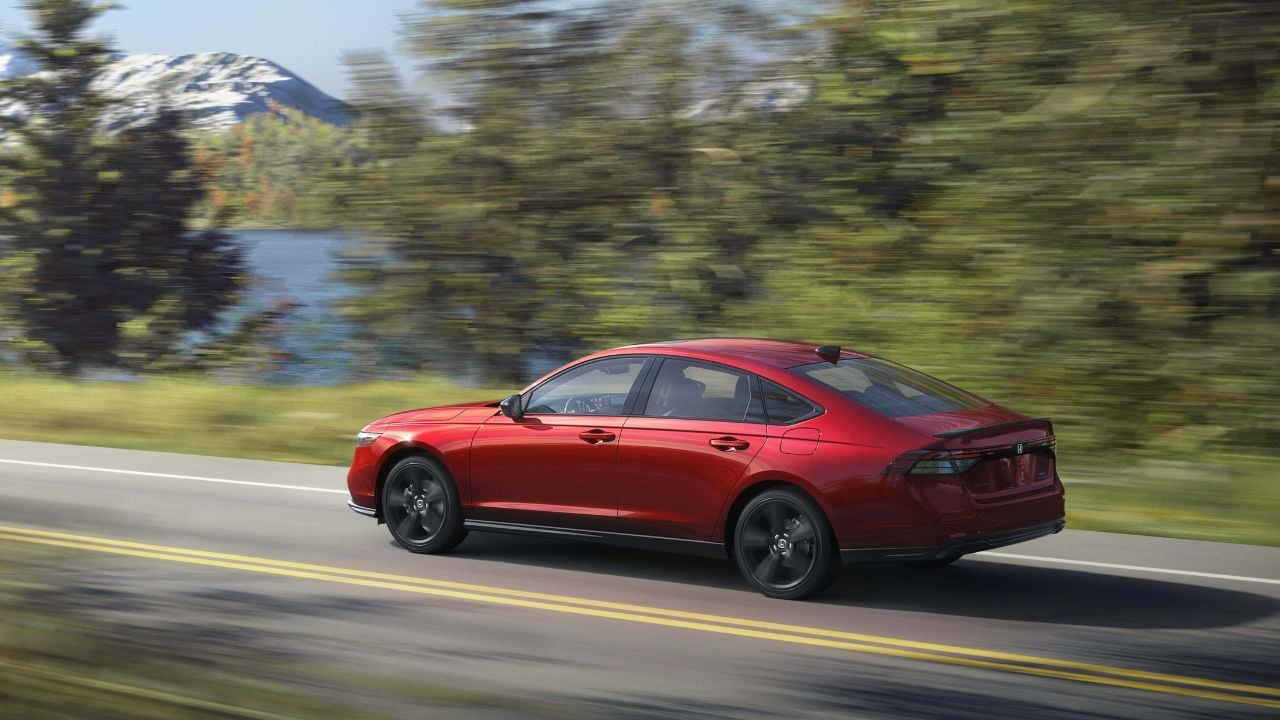
The Honda Accord Hybrid is the midsize choice for buyers who want efficiency with a more composed driving feel. Honda lists the 2026 Accord Hybrid with a 204-hp hybrid powertrain, while the EX-L Hybrid trim carries the strongest rating at 51 city, 44 highway, and 48 combined mpg.
That combination gives the Accord a practical advantage on long commutes and highway trips. It has enough power for normal passing, strong fuel economy, and a cabin that feels more spacious and settled than many similarly priced crossovers.
The Accord Hybrid’s steering and ride are measured rather than soft. It feels controlled on the highway, easy to place in traffic, and quiet enough for daily use without trying to act like a luxury sedan.
It earns its place because it combines efficiency, space, and mature road manners in a package that still feels good from behind the wheel.
Hyundai Sonata Hybrid
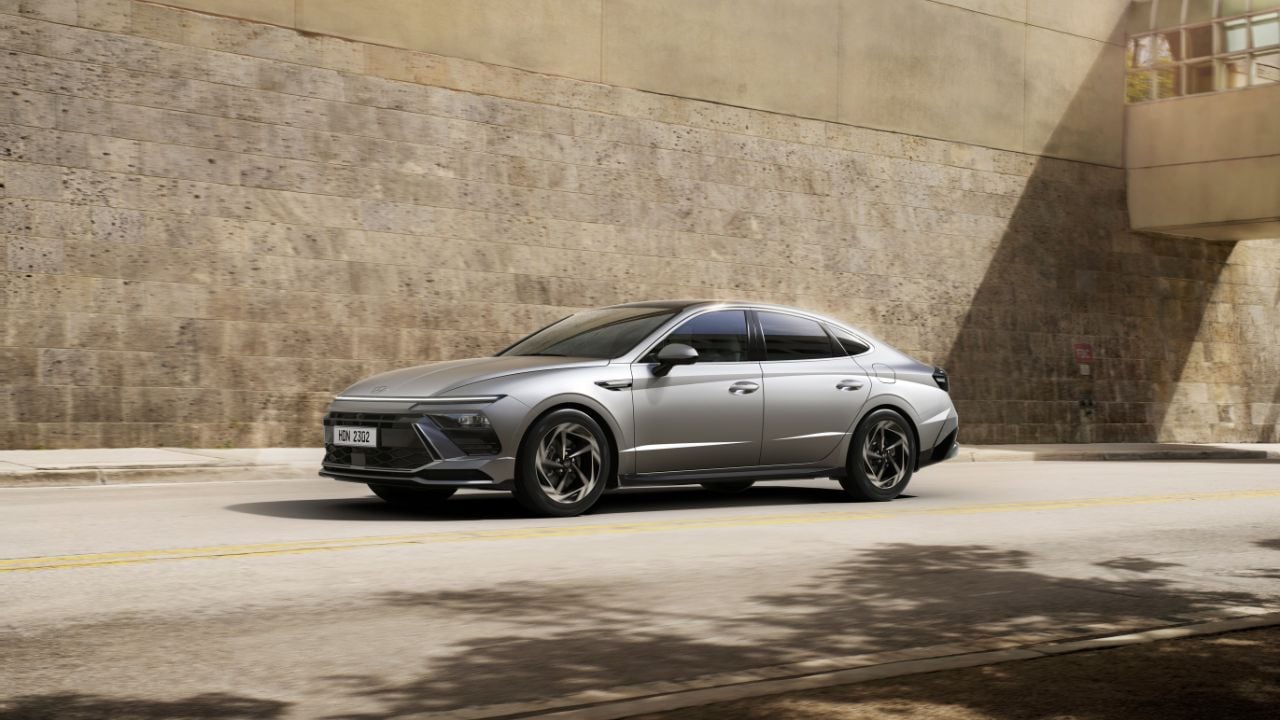
The 2026 Hyundai Sonata Hybrid brings stronger visual presence to a segment that can feel conservative. Hyundai lists the Sonata Blue Hybrid from $29,200 and rates it at 47 city, 56 highway, and 51 combined mpg.
The SEL Hybrid and Limited Hybrid are rated at 44 city, 51 highway, and 47 combined mpg. That trim spread gives shoppers a choice between maximum efficiency and more equipment.
The Sonata Hybrid’s design is part of its appeal, but the practical case is just as important. It gives buyers strong highway fuel economy, midsize sedan space, modern safety technology, and a cabin that feels more tech-forward than the price suggests.
Its advantage is that it does not look or feel like a bare-bones fuel saver. The Sonata Hybrid pairs strong efficiency with enough equipment and styling to feel more interesting than the typical value play.
Honda Civic Sedan Hybrid
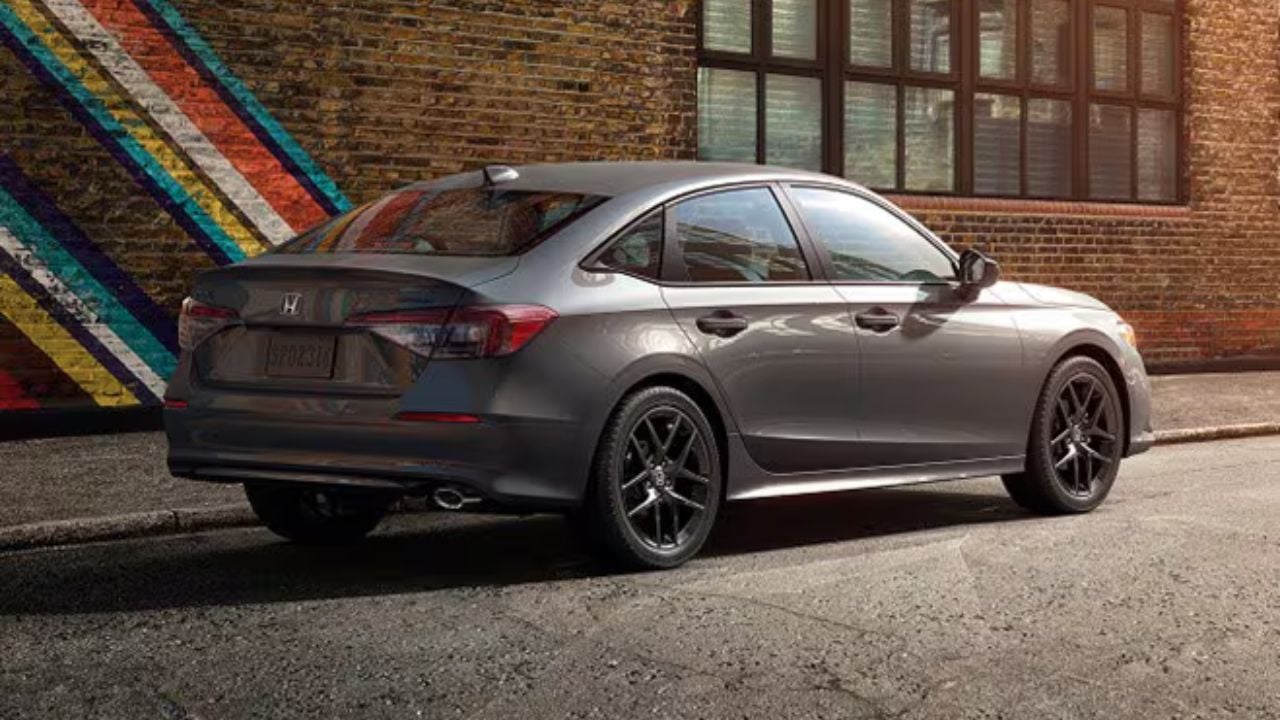
The Honda Civic Sedan Hybrid is the compact option that feels more substantial than its size suggests. Honda lists the 2026 Civic Sedan Hybrid with a 200-hp hybrid powertrain and a 50 city, 47 highway, and 49 combined mpg rating.
Those numbers make the Civic Hybrid one of the most balanced compact sedans on sale. It gives drivers strong fuel economy without the weak acceleration that used to define many small economy cars.
The Civic also has a clean cabin layout, a natural driving position, and tidy handling. Those details matter because they make the car feel useful beyond the fuel-economy claim.
It belongs here because it gives compact-sedan shoppers a rare mix of efficiency, response, and refinement. The hybrid system makes the Civic quicker and smoother, not just cheaper to fuel.
Hyundai Elantra Hybrid
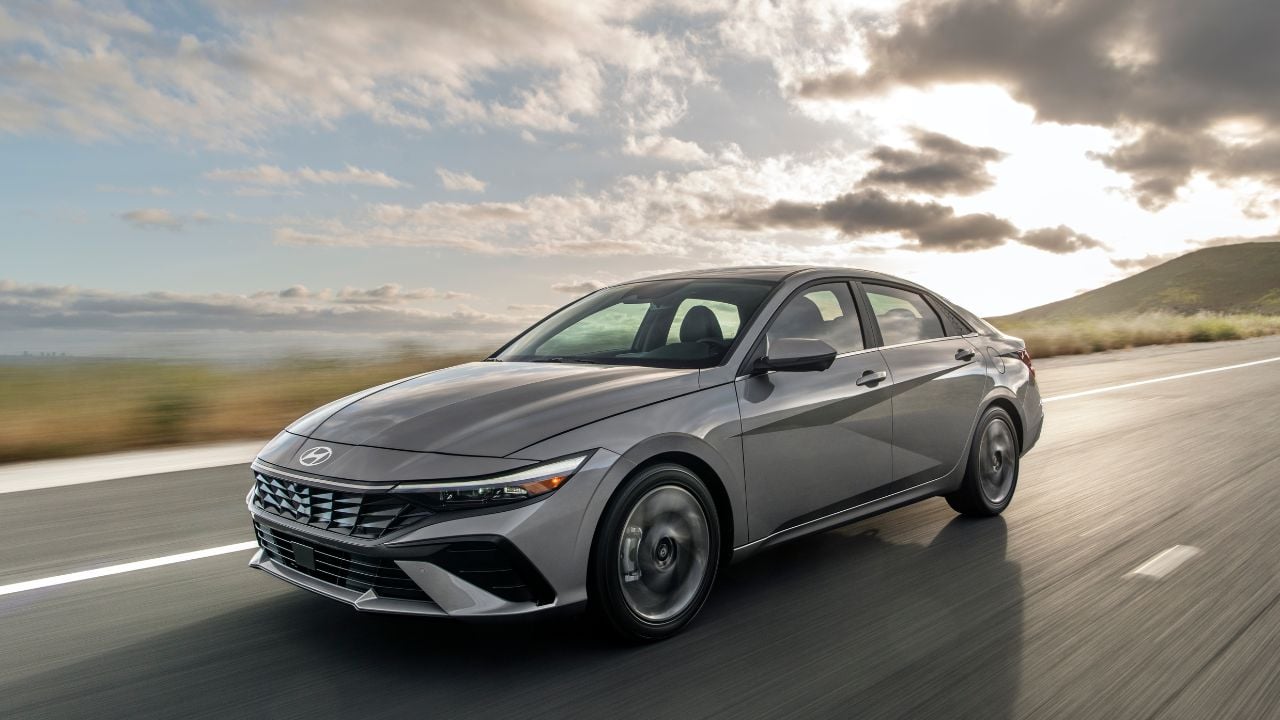
The Hyundai Elantra Hybrid is the value pick with the strongest fuel-economy story. Hyundai lists the 2026 Elantra Hybrid Blue at 51 city, 58 highway, and 54 combined mpg.
The SEL Sport and Limited trims are rated at 49 city, 52 highway, and 50 combined mpg. Those trims trade some maximum efficiency for more equipment while still staying very efficient for a compact sedan.
The Elantra Hybrid also uses a six-speed dual-clutch automatic, which gives it a different feel from hybrid sedans that use continuously variable-style transmissions. It will not feel as mature as an Accord or as roomy as a Camry, but it has a sharper value case.
Its strength is simple: high mpg, distinctive styling, compact size, and enough polish to make commuting cheaper without making the car feel stripped down.
Why Hybrid Sedans Still Make Sense
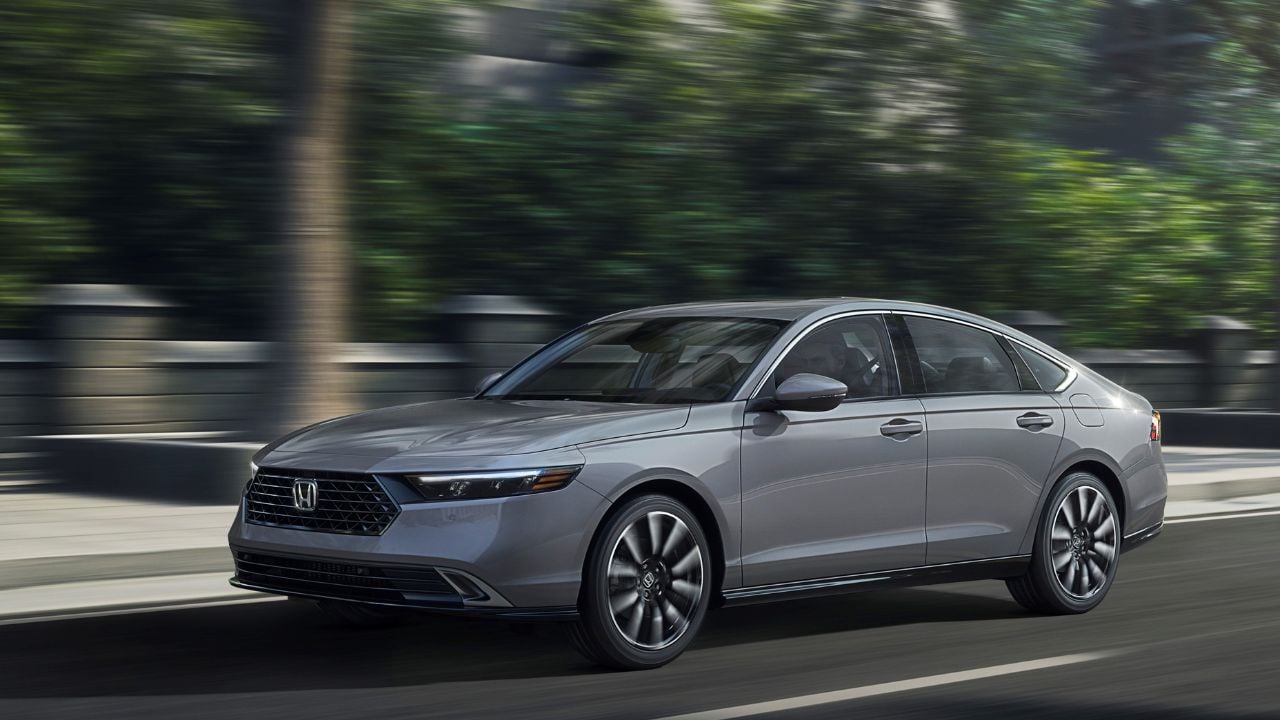
A hybrid sedan avoids several common trade-offs. It is usually lighter and easier to park than a comparable crossover, it does not require home charging, and it uses less fuel than a traditional gas sedan in the same class.
That makes the format useful for long commutes, family errands, highway miles, parking garages, and fuel-price swings. The owner keeps the familiar gas-station routine while using less fuel during ordinary driving.
The five sedans here show different versions of the same idea. The Camry and Accord make the strongest midsize cases, the Sonata adds style and value, the Civic brings compact refinement and power, and the Elantra delivers the best mpg-focused value story.
The hybrid sedan still works because it solves normal ownership problems without asking the driver to change habits. For many buyers, that is the whole point.