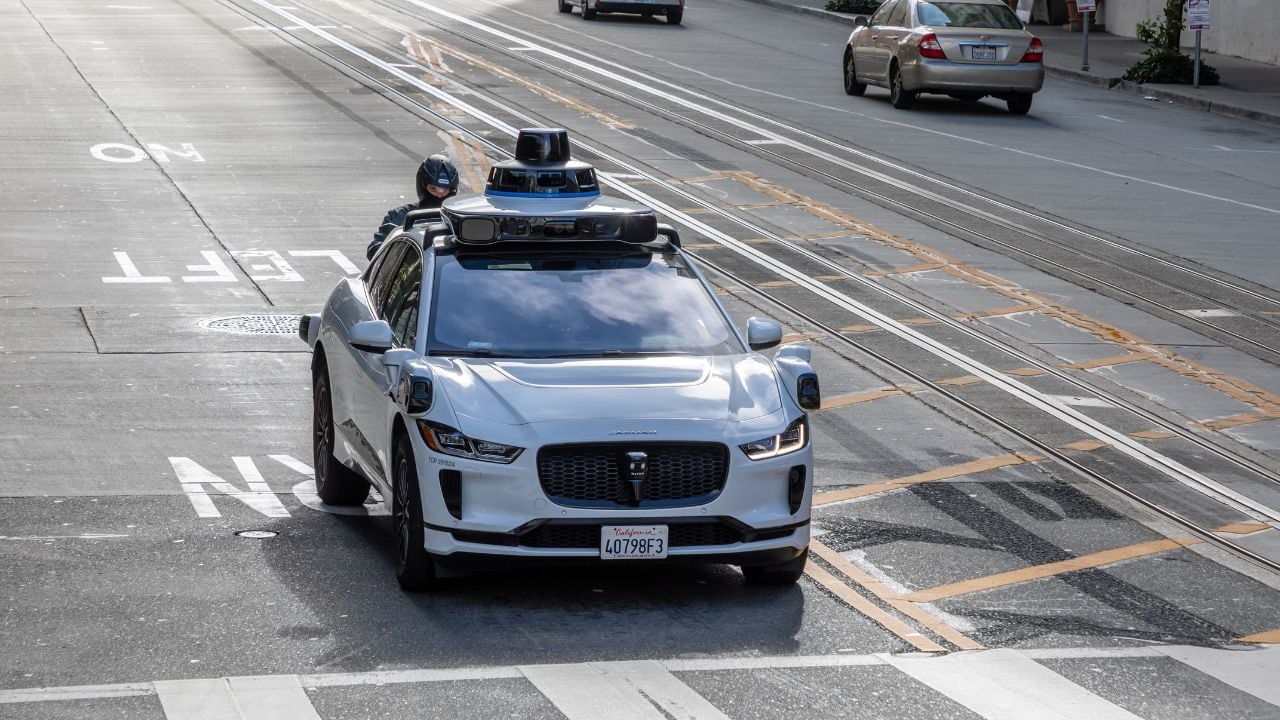
Austin police are facing a growing problem as autonomous vehicles become more common on city streets. This revolves around how officers approach ticketing a car with no human driver inside. A recent investigation by KXAN found that despite hundreds of complaints involving self-driving vehicles, Austin police have issued fewer than a dozen citations to autonomous cars in the last three years.
The issue has become more urgent as companies like Waymo rapidly expand operations across Texas. Austin residents and emergency responders have reported incidents involving blocked traffic, stalled vehicles, school bus violations, and robotaxis interfering with emergency scenes.
At the same time, city officials say Texas law leaves local agencies with limited authority to regulate autonomous vehicle companies directly. The debate now centers on accountability, public safety, and whether current laws are keeping pace with technology. State lawmakers and regulators across the country are beginning to respond as driverless vehicles spread into more cities.
Police Face a Legal and Practical Challenge
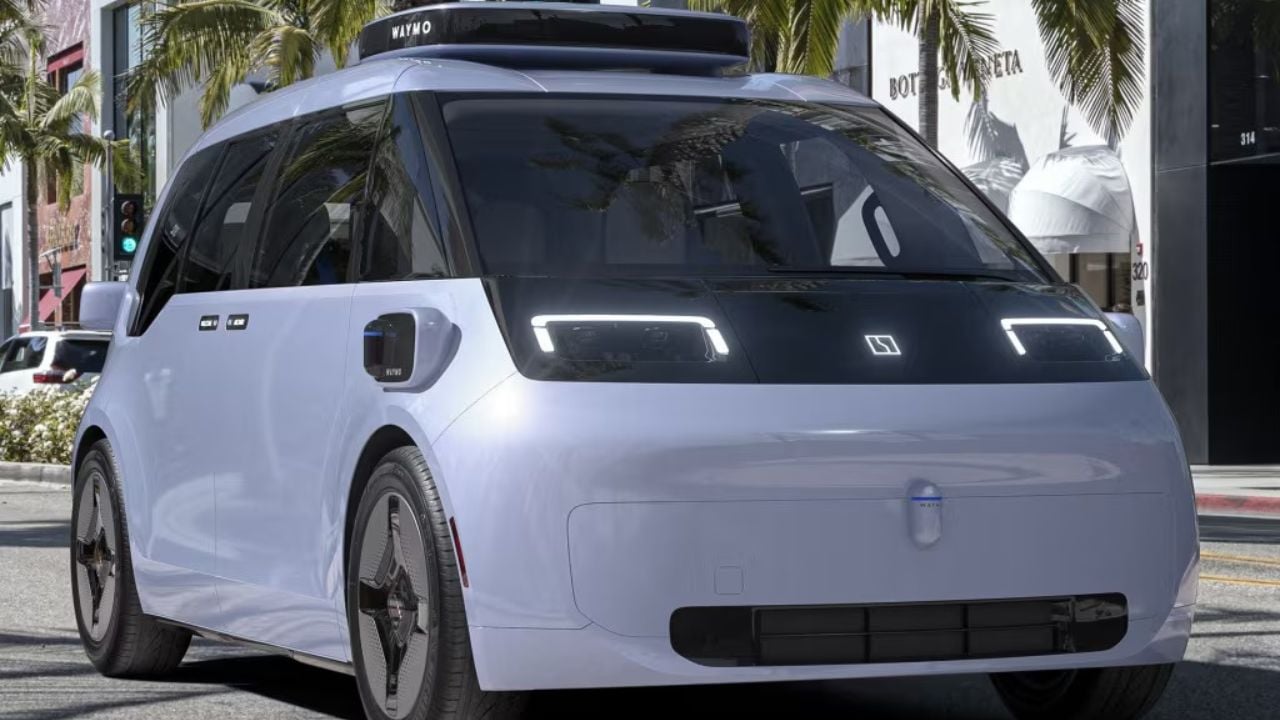
Traditional traffic enforcement depends on stopping a driver and issuing a citation in person. Autonomous vehicles complicate the process because no one may be sitting behind the wheel when a violation occurs. Austin police have struggled to determine who should receive citations when driverless cars break traffic laws. In many cases, officers instead contact the company operating the vehicle after the incident.
Texas law currently allows autonomous vehicles to operate as long as they meet the same requirements as human-driven cars. However, there is no detailed statewide framework explaining how traffic citations should be handled when the vehicle itself is driving.
That gap has become more noticeable as autonomous fleets grow. Waymo expanded its Austin service area significantly over the past year, and now operates thousands of rides through the Uber platform.
Enforcement becomes especially difficult during fast-moving incidents. Police officers may not have immediate access to a company representative, and some violations are resolved remotely by vehicle operators monitoring fleets from control centers.
Emergency Responders Raise Safety Concerns

Concerns about autonomous vehicles intensified after a March 2026 mass shooting in downtown Austin. Emergency officials said several driverless cars entered restricted areas near the scene, intefering with ambulance access. One vehicle reportedly blocked responders, as they attempted a U-turn, forcing an officer to manually move it out of the roadway.
Austin officials later criticized what they described as delayed responses from autonomous vehicle operators. Emergency personnel said geofencing measures designed to keep robotaxis away from dangerous areas were not expanded quickly enough during the incident.
The problems are not limited to emergencies. Federal investigators and local school districts have also examined incidents involving autonomous vehicles allegedly passing stopped school buses. In Austin, school officials reported repeated violations involving self-driving cars despite software updates and recalls.
A recent report by WIRED found that first responders in Austin and San Francisco told federal regulators they are seeing increasing problems with autonomous vehicles freezing, blocking roads, or failing to react to hand signals during emergencies.
States Begin Tightening Rules on Driverless Cars
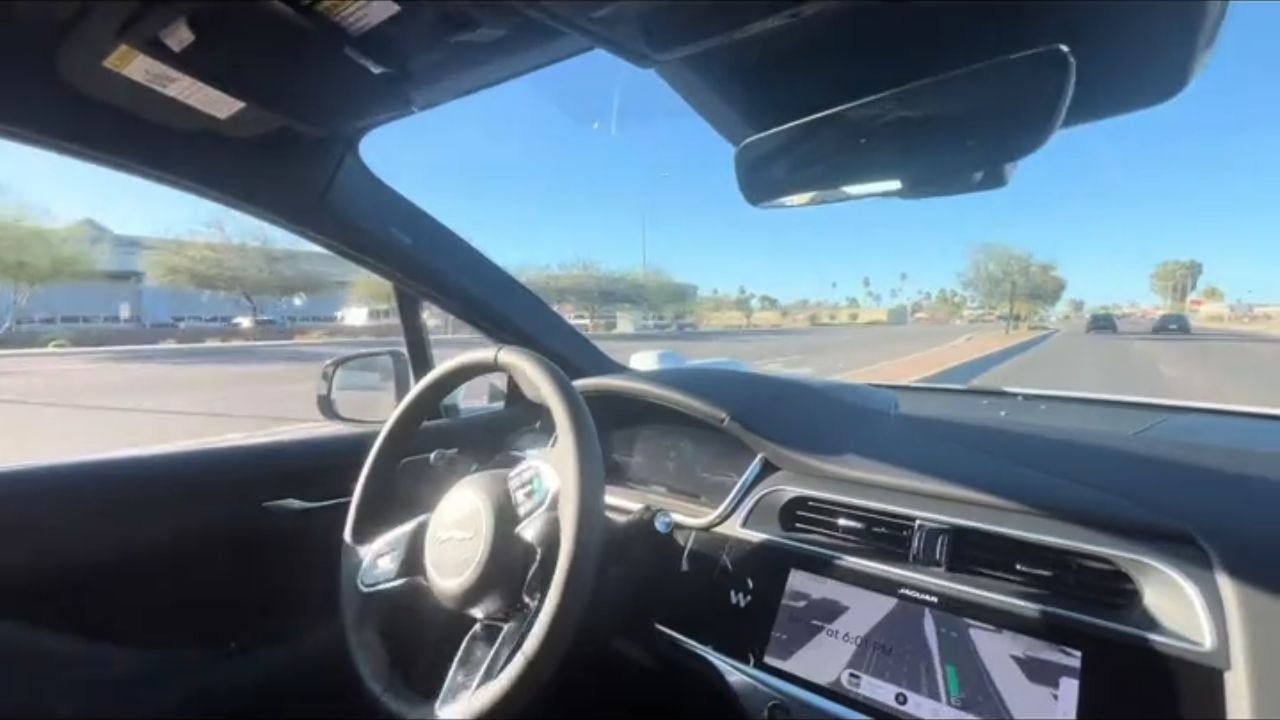
As concerns grow, lawmakers in other states are moving toward stricter oversight. California will begin enforcing new autonomous vehicle compliance rules in July 2026. Under the law, police officers will be able to issue “Notices of AV Noncompliance” directly to companies operating driverless cars. The rules also require stronger emergency response coordination and additional safety reporting from autonomous vehicle operators.
The regulations are partly a response to a series of high-profile incidents involving stalled robotaxis, blocked intersections, and emergency response disruptions.
Despite the criticism, autonomous vehicle companies argue that the technology is improving road safety. Waymo says its vehicles have logged millions of autonomous miles and are involved in fewer serious crashes than human drivers under similar conditions.
Still, Austin officials say clearer laws are needed as autonomous traffic increases. Without updated enforcement systems, police and emergency crews may continue struggling to manage vehicles designed to operate without human drivers.