Range anxiety is so 2022. The electric vehicle market has evolved dramatically, and the latest models are pushing boundaries that seemed impossible just a few years ago.
We’re talking about EVs with official WLTP range ratings that can cruise past the 450-mile mark on a single charge, distances that would’ve made early Tesla owners weep with envy (not that they’d admit it). The game has changed, and these seven electric vehicles are leading the charge (pun absolutely intended). From sleek sedans to luxurious executive cruisers, the options for long-distance electric driving have never been better.
These are the EVs rewriting the electric rulebook, and we’re here for it.
7. Tesla Model 3 Long Range Rear Wheel Drive (Wltp) – 466 Miles
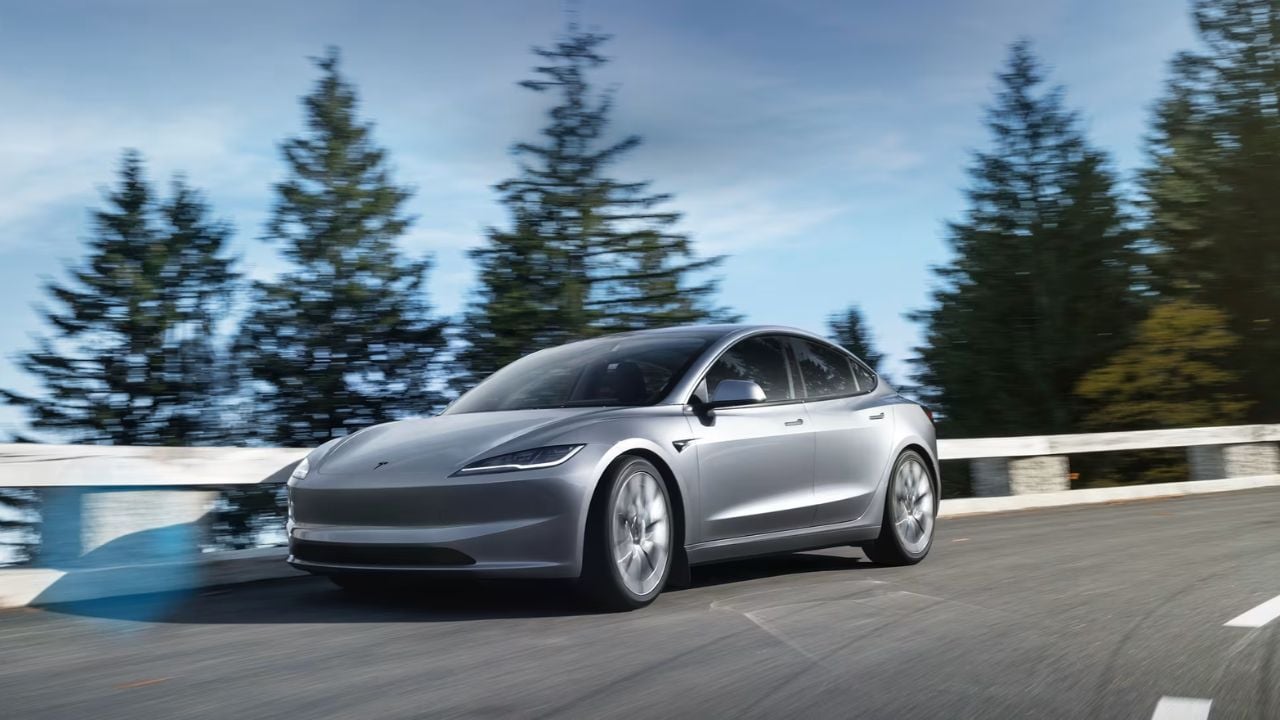
Starting Price: Varies by market (this long-range rear-wheel-drive configuration is not currently sold in the U.S.).
Remember when Tesla was the undisputed king of EV range? Those days have passed, but the Model 3 Long Range RWD still holds its own with a respectable 466-mile range.
The secret sauce? Those 18-inch Photon Wheels help maximize efficiency without sacrificing the Model 3’s signature performance. In markets where the Model S and Model X are no longer sold, this rear-wheel-drive variant has become Tesla’s range champion.
It’s a fascinating turn of events: Tesla essentially wrote the playbook for long-range EVs, and now they’re watching competitors run with it. Still, 466 miles is nothing to sneeze at, especially at this price point.
The Model 3 remains a solid choice for drivers who want proven technology and Tesla’s extensive Supercharger network.
6. Ds N°8 Fwd Long Range (Wltp) – 466 Miles (Tie)
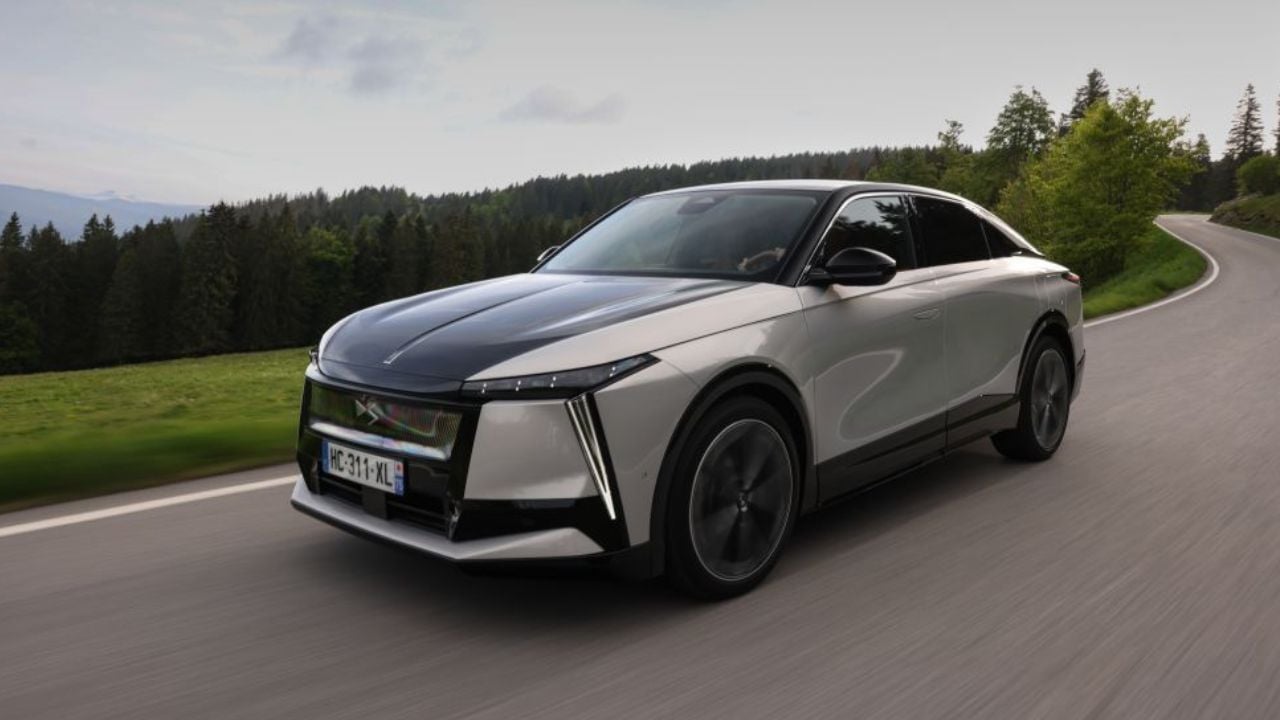
Starting Price: Not offered in the U.S.; pricing varies by market.”
The DS No8 matches the Tesla’s range at 466 miles, though it’ll cost you about $11,800 more.
This French electric SUV coupe brings something different to the table, namely, sophisticated European styling and a comfort-focused ride. The No8 features clever road-scanning technology that communicates with active dampers, essentially predicting potholes and road imperfections before you hit them.
It’s the automotive equivalent of having a sixth sense. The front-wheel-drive configuration helps maximize efficiency while keeping the driving experience refined and comfortable. DS hasn’t exactly set the American market on fire, but the No8 could change that narrative.
If you value comfort and continental flair alongside impressive range, this French contender deserves a closer look.
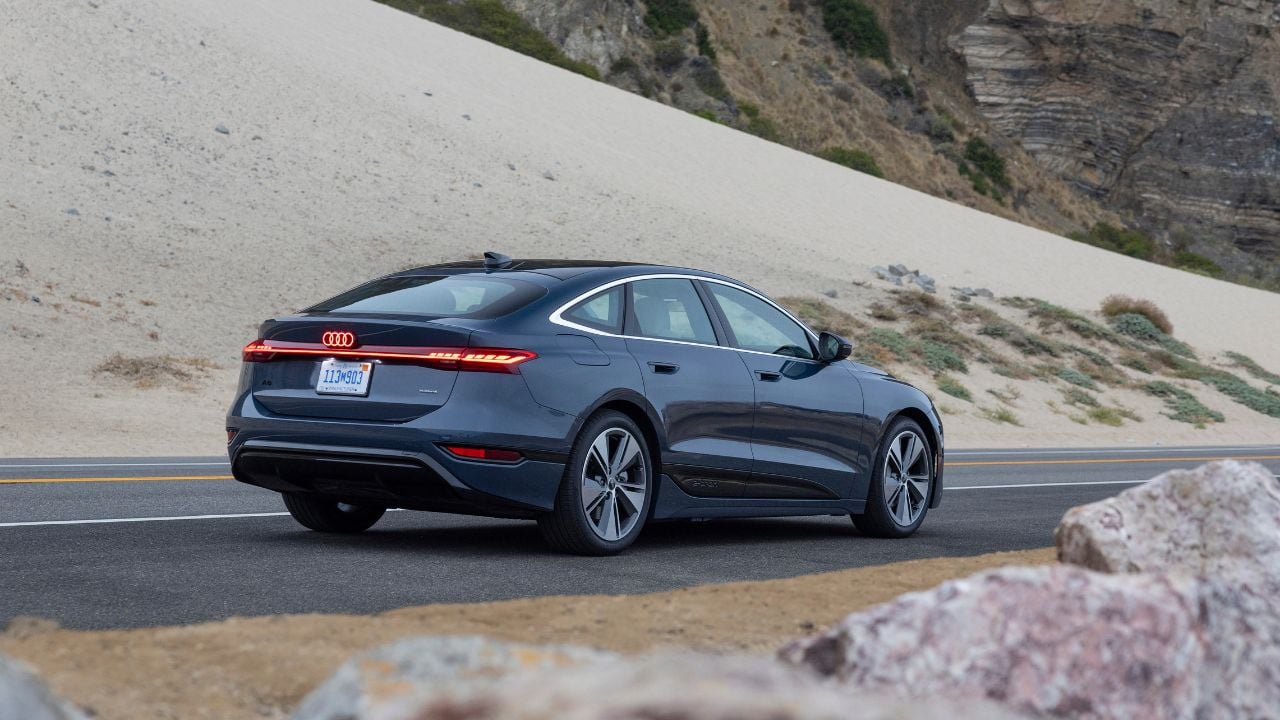
5. Audi A6 Sportback E-Tron Performance – 470 Miles
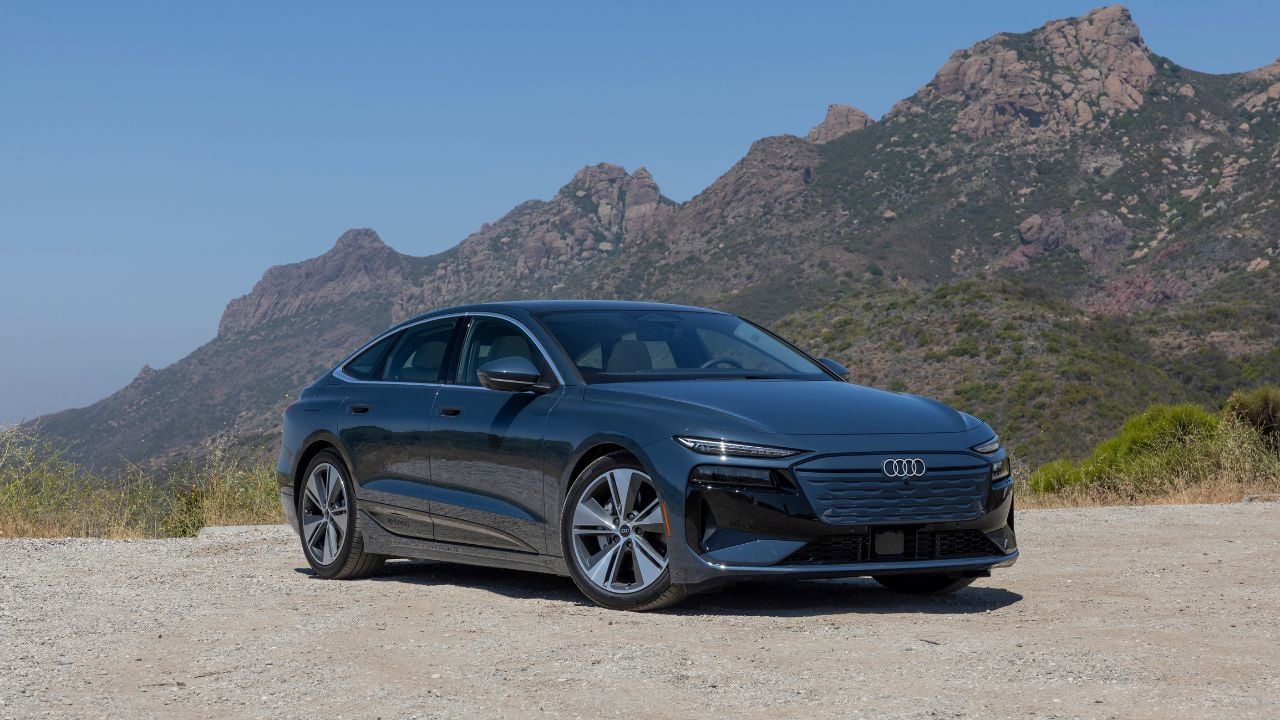
Starting Price: $84,200
Audi brings German engineering precision to the range game with the A6 Sportback e-tron Performance, squeezing 470 miles from its 100 kWh battery pack.
This isn’t just about distance; it’s about doing it in style with Audi’s premium interior appointments. Quattro all-wheel drive is available on other A6 e-tron variants, while the Performance model is rear-wheel drive. The real party trick here is the 800V electrical architecture, which enables charging speeds up to 270 kW. Translation? You can jump from 10% to 80% battery in just 21 minutes during a road trip pit stop.
The A6 Sportback (also available as an Avant wagon for the practical enthusiasts among us) represents Audi’s serious commitment to electrification. Yes, the price tag approaches six figures, but you’re getting a thoroughly modern EV wrapped in one of the most attractive packages on the market.
4. Mercedes-Benz Eqs 450+ (Wltp)—up to 481 Miles
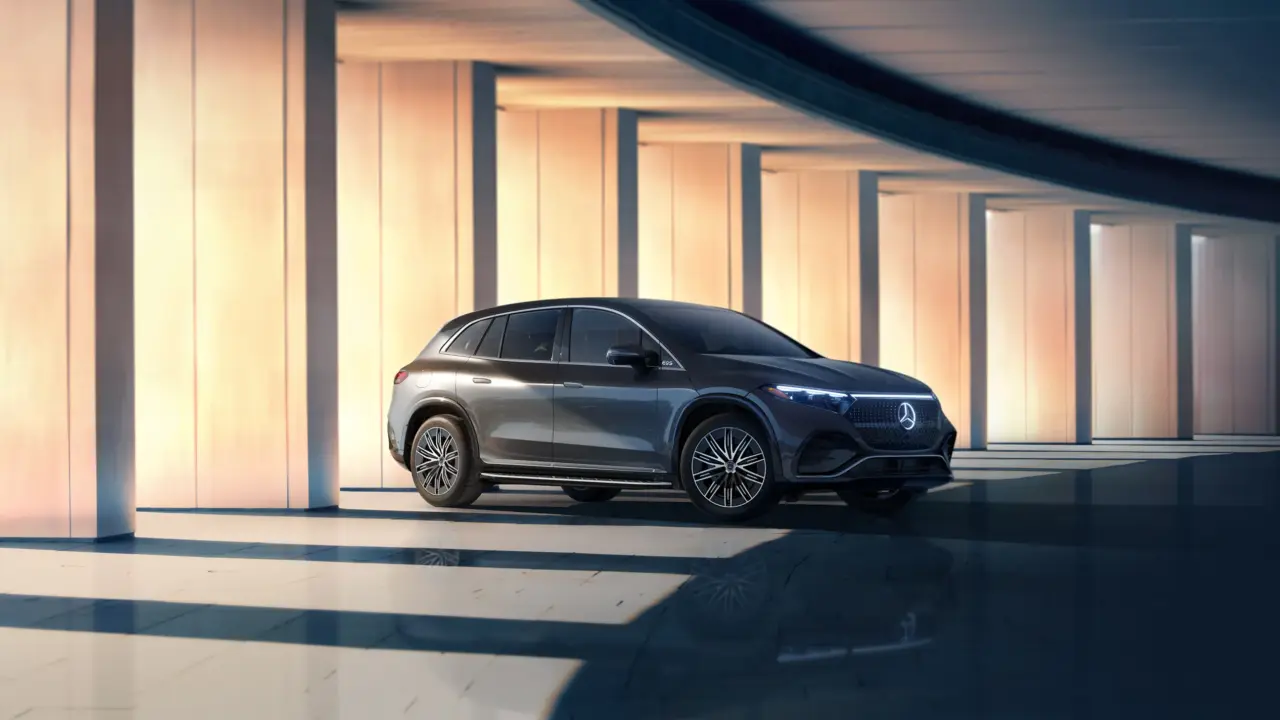
Starting Price: $99,900 (2026 U.S. MSRP for the EQS 450+ sedan)
For years, the Mercedes-Benz EQS was among the longest-range EVs you could buy. In Europe, it is rated at up to 481 miles on the WLTP cycle, while the 2026 U.S. EPA estimate for the EQS 450+ is 390 miles.
The EQS 450+ represents the pinnacle of electric luxury; think lounge-like cabin, whisper-quiet operation, and technology that borders on science fiction. The MBUX Hyperscreen alone is worth the price of admission for tech enthusiasts.
Of course, we’re talking serious money here, the kind of investment that could put a down payment on a house in some markets. The entry-level EQS 350 starts around $97,000 and still delivers 409 miles, which proves Mercedes has range figured out across the lineup.
If money is no object and you want to arrive in absolute comfort, the EQS remains a compelling option.
3. Mercedes-Benz Cla 250+ – 483 Miles
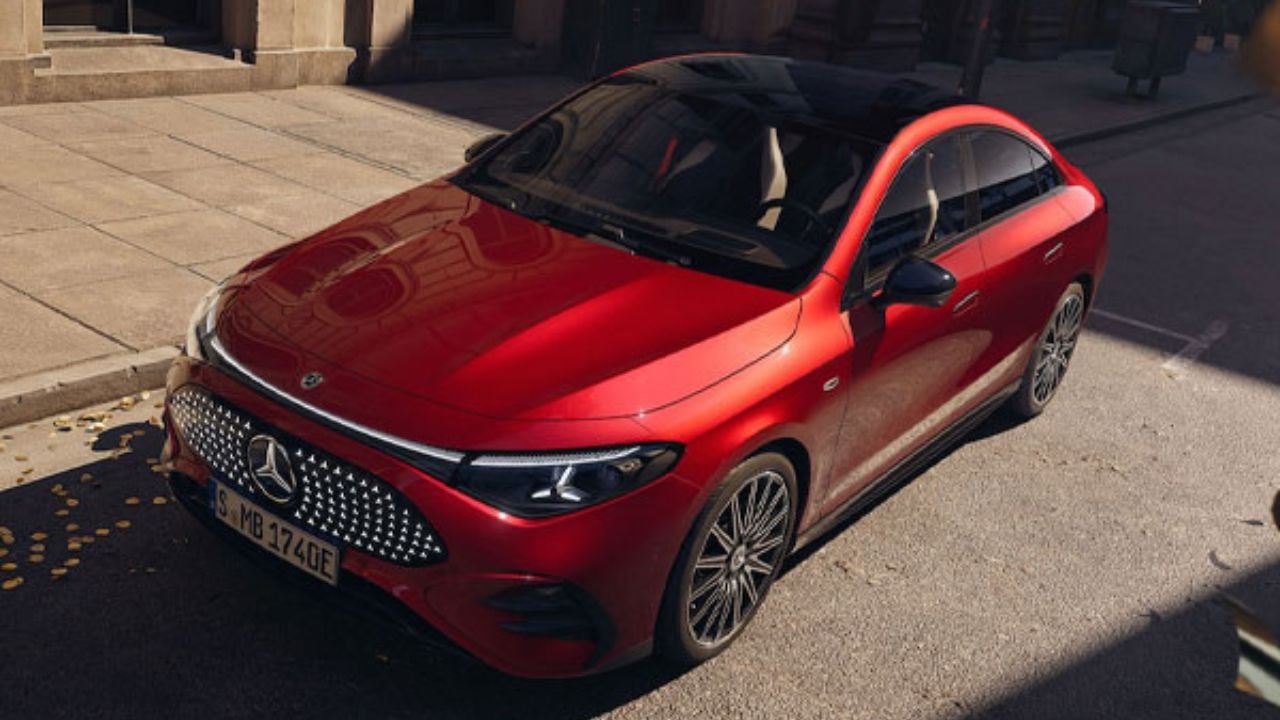
Starting Price: $55,750
Here’s where things get interesting. The Mercedes-Benz CLA 250+ delivers more range than its six-figure sibling for less than half the price. Let that sink in for a moment.
With up to 484 miles of WLTP range from its 85 kWh battery, the CLA 250+ won the 2026 European Car of the Year award, making it only the second Mercedes ever to win that title (the last win was in 1974). The efficiency is remarkable, returning over 5 miles per kWh, and the fast-charging capability can add roughly 200 miles in just 10 minutes. That’s barely longer than a typical gas station stop.
The CLA represents Mercedes’ vision for accessible electric luxury, proving you don’t need to spend a fortune to get serious range. It’s also a preview of what’s coming; Mercedes has already developed experimental EVs with revolutionary battery designs that covered over 3,400 miles in 24 hours.
The future is bright and surprisingly affordable.
2. BMW iX3 50 xDrive (Wltp)—up to 500 Miles
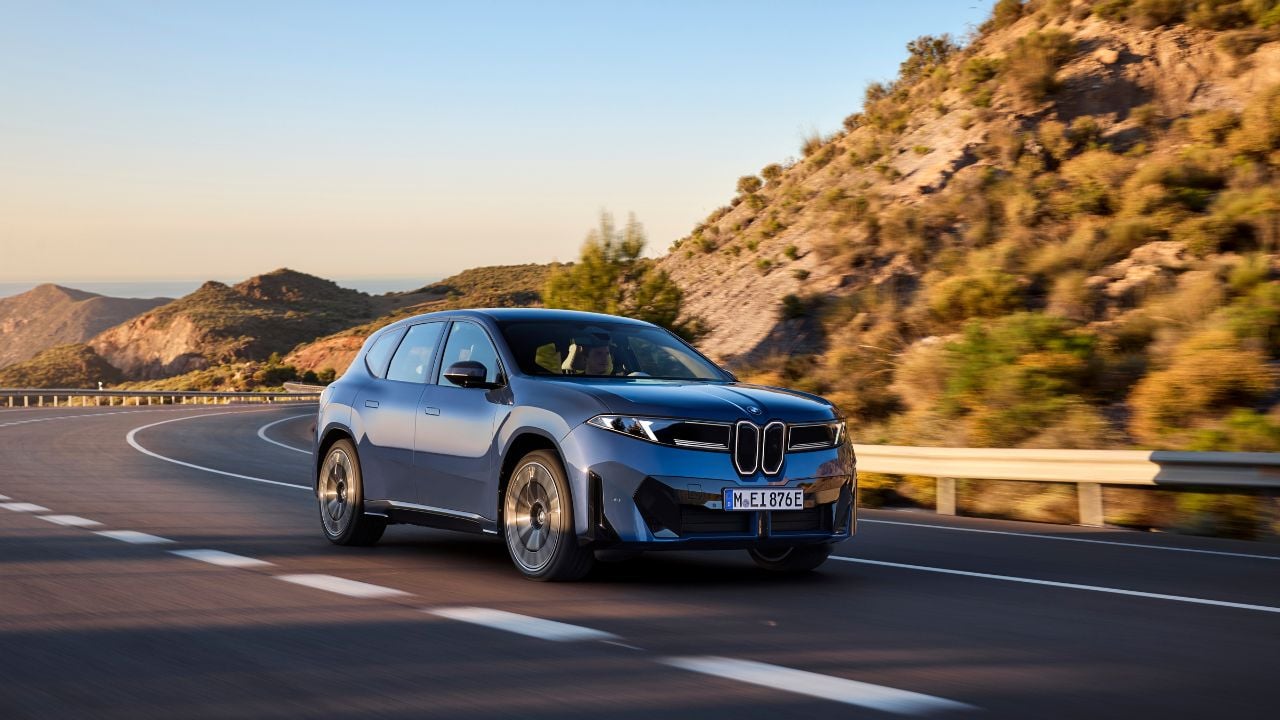
Starting Price: Around $60,000 (BMW U.S. estimate; final pricing not yet announced)”
BMW cracked the 500-mile barrier with the iX3 50 xDrive, and you can almost feel the pride radiating from Munich.
This is BMW’s next-generation iX3 built on its dedicated Neue Klasse EV platform. BMW says its 108.7 kWh usable battery targets up to 500 miles of WLTP range, while BMW’s early U.S. estimate is up to 400 miles.
Still, the iX3 brings serious capability beyond just range. The 800V architecture enables adding 215 miles of charge in just 10 minutes, making road trips genuinely practical. The all-wheel-drive system provides confident handling in all conditions, and the interior quality lives up to BMW’s reputation.
At this price point, you’re getting a seriously capable electric SUV that eliminates range anxiety from your vocabulary. Close, but not quite the champion.
1. Volvo EX60 P12 Awd (Wltp)—up to 503 Miles
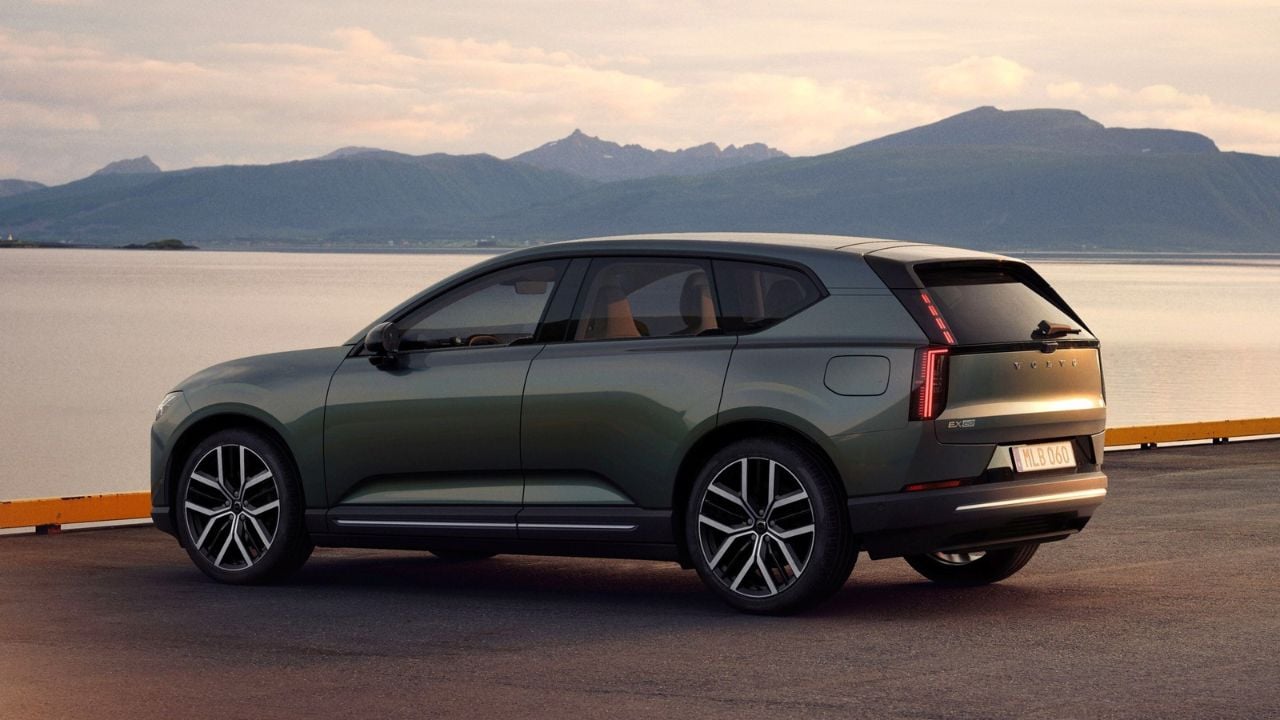
Starting Price: Not yet announced
And the winner is… Volvo’s EX60 P12 AWD, which Volvo says is rated at up to 503 miles on the WLTP cycle in Europe; in the U.S., Volvo is currently quoting an estimated range of up to 400 miles. For context, the Lucid Air Grand Touring has already exceeded 500 miles on the U.S. EPA cycle.
Volvo didn’t just edge past the finish line; they kicked the door open at 503 miles (about 810 kilometers for our metric friends). This is a watershed moment for electric vehicles, removing what Volvo calls “the biggest obstacle” preventing people from making the switch.
Volvo has not yet announced U.S. pricing or final EPA range figures for the EX60 lineup.
Volvo boldly claims this will “set a new standard for its segment,” and it’s hard to argue with the numbers. The Swedish automaker has always prioritized safety and practicality, and now they’ve added range supremacy to the resume.
If you’re ready to go electric but worried about distance, the EX60 just eliminated your last excuse.
The Road Ahead: When Will We See 1,000-Mile EVs?

As impressive as these 500-mile ranges are, we’re apparently just getting started. Battery technology is advancing rapidly, with solid-state, lithium-air, and lithium-sulfur batteries promising to revolutionize what’s possible. Toyota has said it is aiming to commercialize solid-state batteries around 2027 to 2028, with publicly discussed targets up to about 620 miles of range initially and up to about 745 miles in later applications, depending on the battery and vehicle.
These next-generation batteries promise faster charging, improved safety, and significantly higher energy density than today’s lithium-ion technology. The breakthrough involves solid electrolytes that allow faster ion movement and better tolerance for high voltages and temperatures. Toyota’s already experimenting with aerodynamic improvements and reduced battery heights to maximize these gains; imagine dropping battery pack height from 6 inches to under 4 inches.
The future of EVs isn’t just about going farther; it’s about getting there faster and more efficiently than ever before. Range anxiety isn’t dying; it’s already dead, and these vehicles are writing the eulogy.