There’s something about a V12 engine that transcends mere transportation. It’s the mechanical equivalent of a symphony orchestra, with twelve pistons firing in perfect harmony to create a sound that can make even the most practical person suddenly understand why car enthusiasts get misty-eyed at car shows.
While turbochargers and electric motors are shaping the future, the naturally aspirated V12 remains the pinnacle of automotive acoustic engineering. These engines make music that resonates somewhere deep in your soul, and it’s often the goal to make your head turn.
Here are twelve V12-powered machines that prove internal combustion can be an art form.
Ferrari F12berlinetta
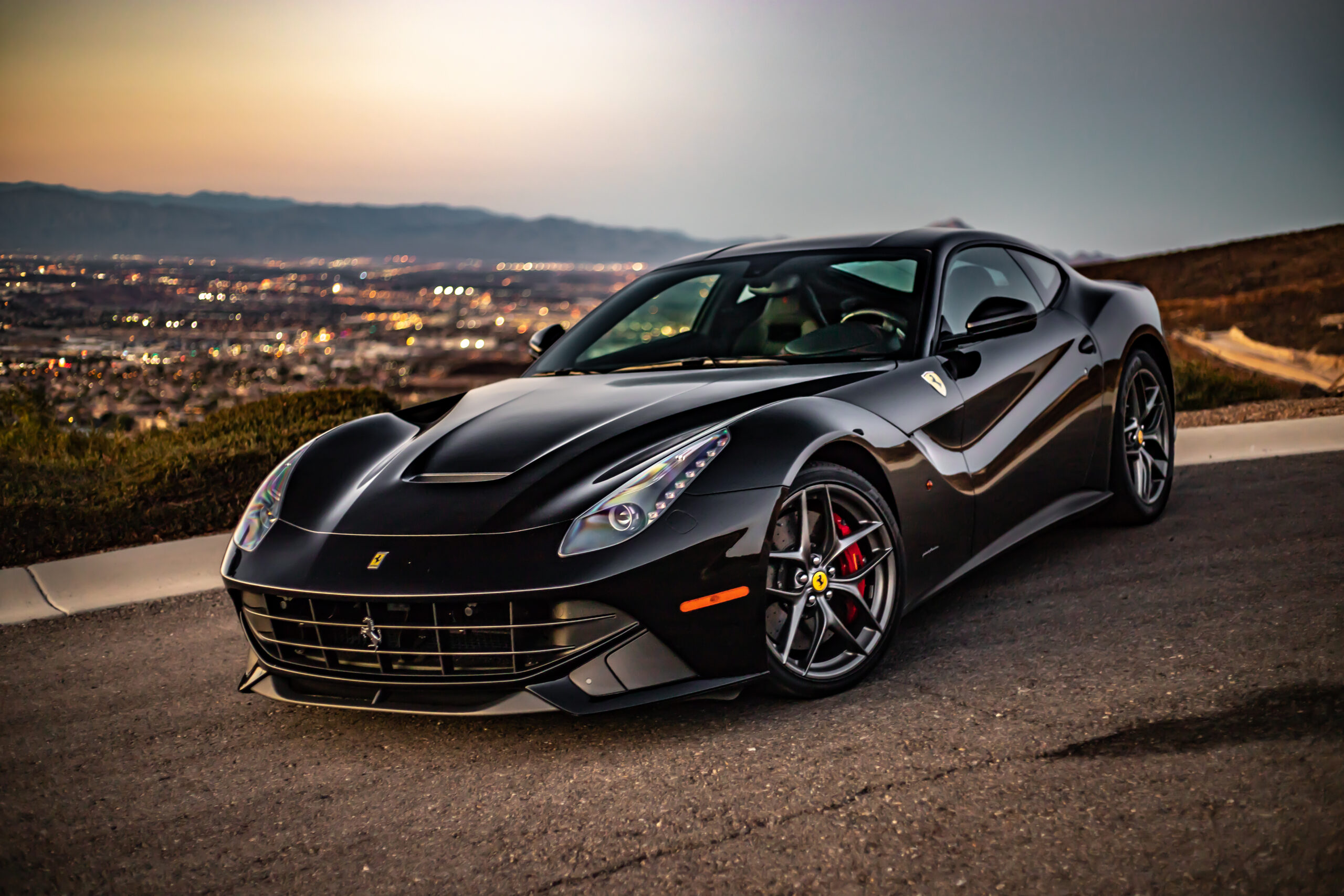
The F12berlinetta’s 6.3-liter V12 produces 731 horsepower, but the real magic happens around 8,700 rpm when this engine hits its redline. What you get is a screaming crescendo that starts as a purposeful growl at idle and builds into an operatic wail that Ferrari has spent decades perfecting.
The naturally aspirated nature of this powerplant means there’s no turbo whoosh to muffle the raw mechanical symphony. Engineers at Maranello spent countless hours tuning the exhaust to create a sound that’s both violent and refined, aggressive yet musical.
It’s the kind of noise that makes you want to find an empty tunnel just to hear it echo.
Lamborghini Aventador
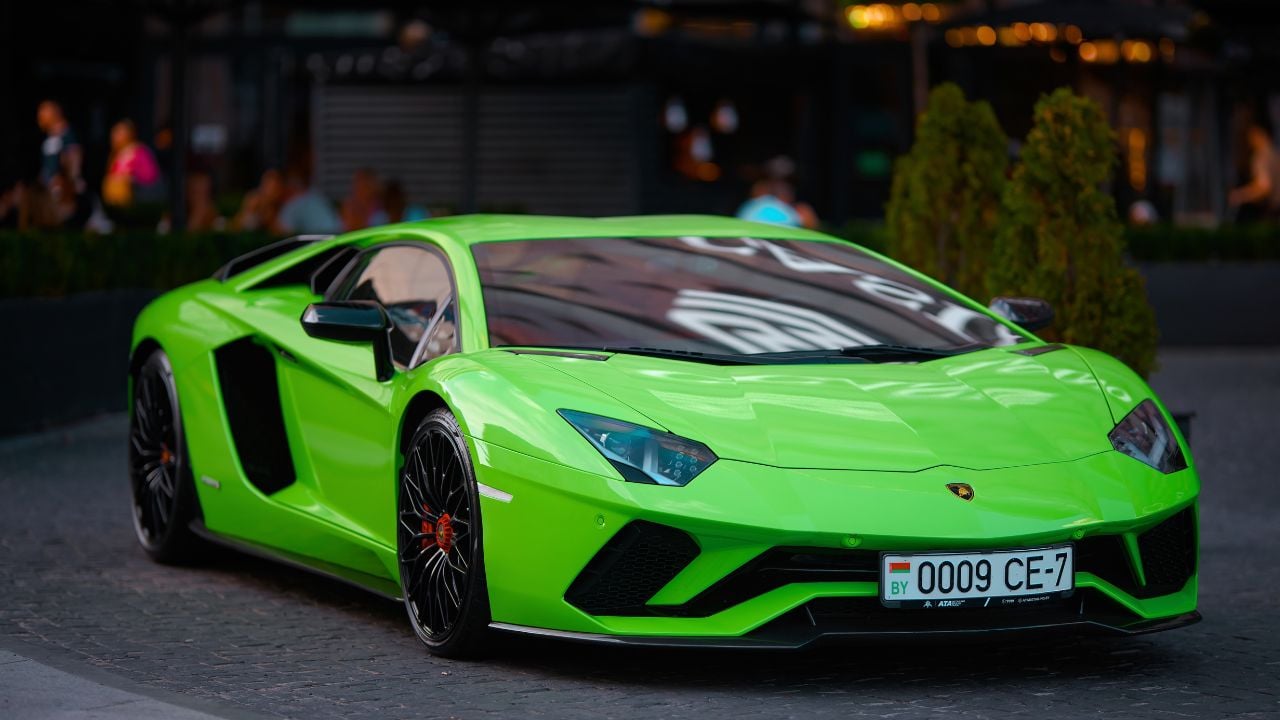
Lamborghini’s 6.5-liter V12 in the Aventador delivers between about 700 and 770 horsepower depending on the version along with one of the most dramatic soundtracks in automotive history. This engine sits right behind your head, separated by just a thin pane of glass, so you’re essentially wearing the V12 like a very loud, very expensive backpack.
The exhaust note has a sharp, staccato quality that’s distinctly Lamborghini — more aggressive and raw than Ferrari’s refined scream. When you lift off the throttle, the overrun pops and crackles like Italian fireworks, a feature that’s become a signature of the Sant’Agata brand.
There’s an immediacy and mechanical honesty to this V12 that makes every drive feel like a special occasion.
Aston Martin DBS Superleggera

Aston Martin’s 5.2-liter twin-turbo V12 produces 715 horsepower, and while purists might mourn the addition of turbos, this engine still sings a deeply satisfying song. The sound is more cultured than its Italian competitors, with a rich, baritone quality that feels appropriately British — powerful but not shouty.
There’s a wonderful layering to the exhaust note, where you can hear the turbo whistle weaving through the V12’s natural rumble. The DBS manages to sound both menacing and refined, like James Bond in a tuxedo who also happens to know seventeen ways to incapacitate someone.
It’s proof that forced induction doesn’t have to mean the death of aural pleasure.
Mercedes-AMG S65

The S65’s 6.0-liter twin-turbo V12 delivers 621 horsepower wrapped in luxury sedan civility, creating an interesting contrast between brute force and refinement. When you’re cruising, the V12 is barely audible — a distant, gentlemanly rumble that won’t disturb your phone conversations or classical music.
Plant your foot, though, and this engine transforms into something much more sinister, with a deep, thunderous roar that seems impossible from such a refined package. The twin turbos add a subtle whooshing undertone that complements rather than overwhelms the V12’s natural voice.
The Mercedes-AMG S65 looks unassuming at first, even far too civilized to let out a scream, but it can truly belt it out when the situation calls for it. And what situation doesn’t?
Pagani Huayra
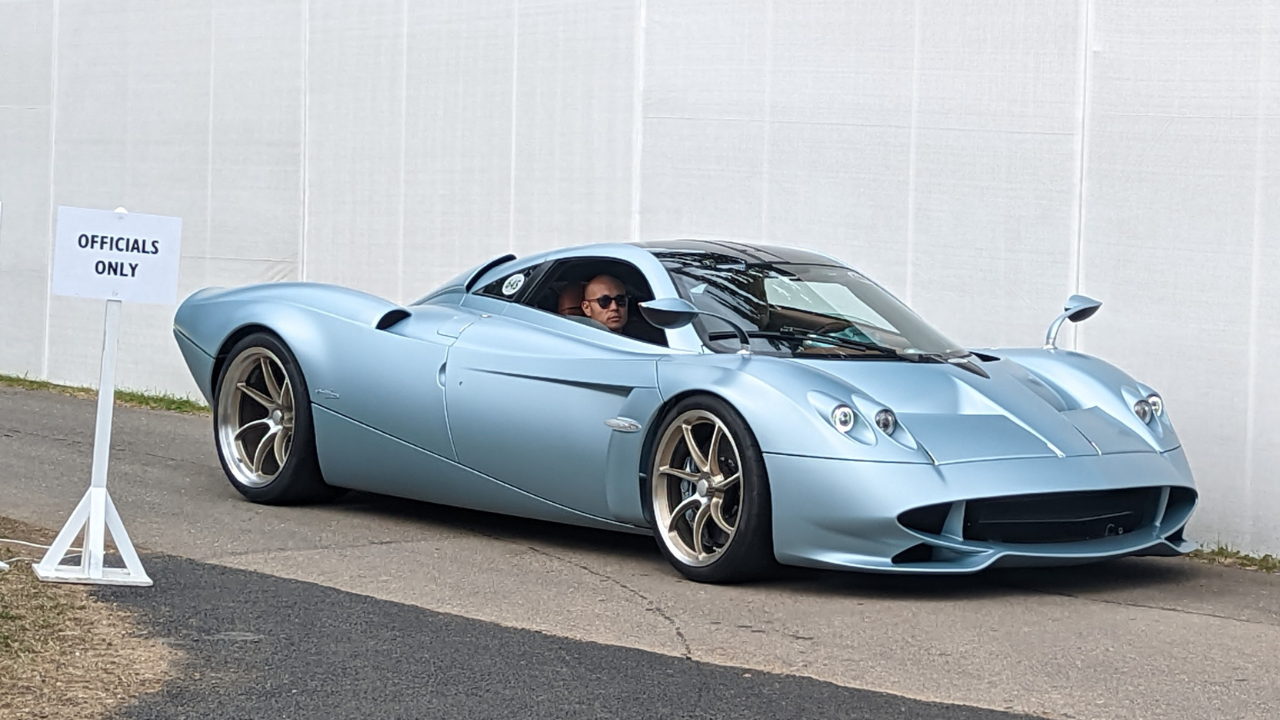
The Huayra’s AMG-sourced 6.0-liter twin-turbo V12 produces around 730 horsepower in standard form, with high-performance variants reaching about 764 horsepower and might be the most theatrical-sounding engine on this list. Pagani didn’t just install an engine — they created an entire acoustic experience, with an exhaust system that looks like a piece of modern art and sounds even better.
The note is complex and layered, combining turbo whistle, exhaust roar, and mechanical whir into something that defies simple description. There’s an exotic quality to the sound that matches the car’s otherworldly appearance, like it’s communicating in a language that only true enthusiasts can fully appreciate.
Every blip of the throttle is a reminder that Horacio Pagani obsesses over details that other manufacturers might overlook.
BMW 850CSi

The E31 850CSi’s 5.6-liter V12 from the 1990s produced about 380 horsepower, modest by today’s standards, but the sound is timeless. This engine has a smooth, refined character that perfectly captures BMW’s engineering philosophy — powerful but never crude, sporty but still comfortable for long-distance touring.
The exhaust note is more sophisticated than aggressive, with a cultured growl that rises to a purposeful howl at higher revs. There’s something special about hearing a naturally aspirated BMW V12 from this era, before modern emissions regulations necessitated so much sound dampening.
It’s a reminder that exceptional automotive acoustics aren’t just about volume or peak horsepower — sometimes it’s about character and balance.
Jaguar XJ220
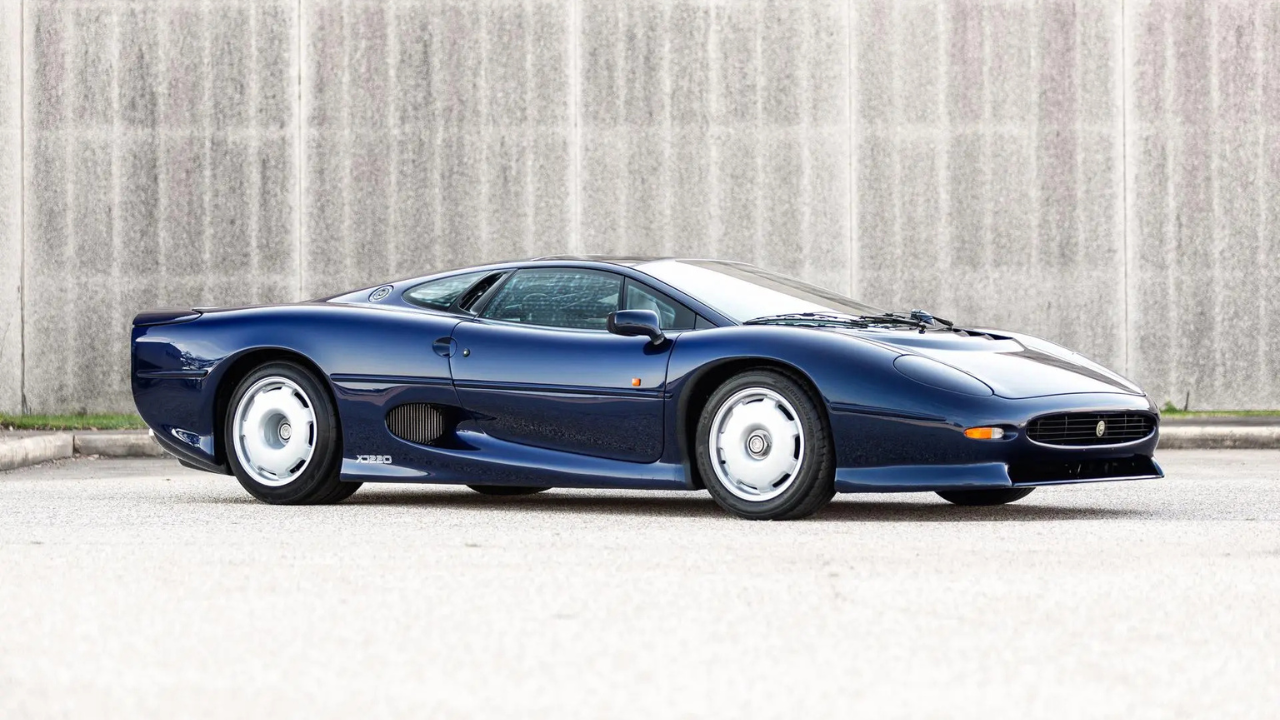
The Jaguar XJ220 occupies a unique place in V12 lore, even though the production car ultimately never received one. The original XJ220 concept debuted with a naturally aspirated V12 derived from Jaguars Le Manswinning racing program, and the sound of that prototype became legendary among enthusiasts.
Financial pressures, emissions regulations, and packaging challenges eventually led Jaguar to replace the V12 with a twin-turbo V6 for the production model, a decision that remains controversial to this day.
While the road-going XJ220 doesnt qualify as a true V12-powered machine, the original concept represents one of the great what if moments in automotive history, an era when Jaguar briefly envisioned a flagship supercar with a twelve-cylinder soundtrack worthy of its racing heritage.
Ferrari 812 Superfast

Ferrari’s 6.5-liter V12 in the 812 Superfast produces a staggering 789 horsepower and revs to 8,900 rpm, creating what might be the ultimate naturally aspirated V12 soundtrack. This engine is essentially Ferrari’s swan song to the unassisted V12, and they’ve tuned it to sound absolutely glorious at every point in the rev range.
The exhaust note combines a deep, resonant bass with a stratospheric treble as the tachometer needle swings toward redline. There’s a mechanical rawness to the sound that feels increasingly rare in modern supercars, where sound symposers and digital enhancements are becoming the norm.
When this engine screams toward 9,000 rpm, it’s making an argument that internal combustion still has plenty of soul to offer.
Rolls-Royce Phantom

The Phantom’s 6.75-liter twin-turbo V12 produces 563 horsepower, but the goal here isn’t to be loud — it’s to be magnificently, effortlessly silent until you want to hear it. Rolls-Royce has engineered this V12 to be virtually inaudible at cruise, cocooning passengers in an environment so quiet you can hear your own thoughts.
When you do press the accelerator with intent, the engine reveals a deep, authoritative rumble that’s more felt than heard. It’s not trying to be a race car or a supercar — it’s projecting wealth, power, and refinement through carefully calibrated acoustic engineering.
The restraint in this V12’s voice is actually what makes it special, proving that sometimes the most intoxicating sound is the one that whispers rather than shouts.
McLaren F1

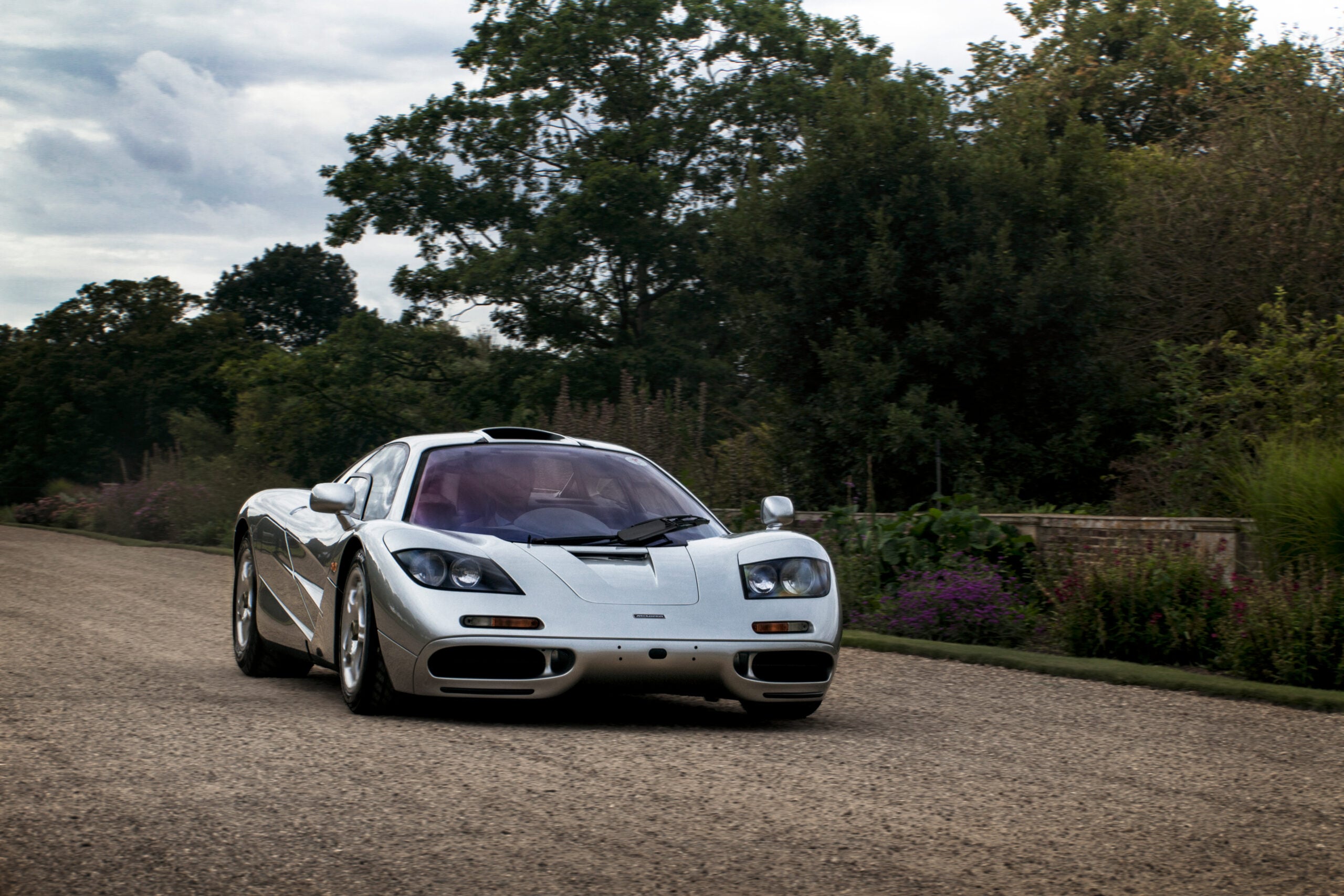
The McLaren F1’s BMW-sourced 6.1-liter V12 produced 627 horsepower and created what many consider the greatest engine sound ever engineered into a road car. This naturally aspirated masterpiece was positioned centrally behind the driver, with minimal sound deadening, so pilots got the full acoustic experience.
The sound is pure, unfiltered mechanical fury — a rising scream that builds from a cultured idle to a 7,500 rpm wail that Gordon Murray specifically engineered to be intoxicating. There’s an honesty to this engine’s voice that’s increasingly rare, with no electronic enhancement or artificial amplification.
Even today, decades after production ended, the F1’s V12 remains the benchmark against which all other automotive soundtracks are measured.
Lamborghini Miura

The Miura’s 3.9-liter V12 produced between 350 and 385 horsepower depending on the version, but its real contribution was pioneering the mid-engine supercar layout that we take for granted today. That transversely-mounted V12 sat right behind the cabin, creating an intimate acoustic connection between driver and engine.
The sound is higher-pitched and more mechanical than modern V12s, with a raw quality that reflects 1960s engineering sensibilities. There’s no electronic wizardry here, no carefully tuned resonators—just twelve cylinders doing their work with beautiful Italian enthusiasm.
Hearing a Miura at full song is like listening to automotive history, a reminder that the pursuit of intoxicating engine sounds has been a priority for enthusiasts for over half a century.
Mercedes-Benz SL73 AMG
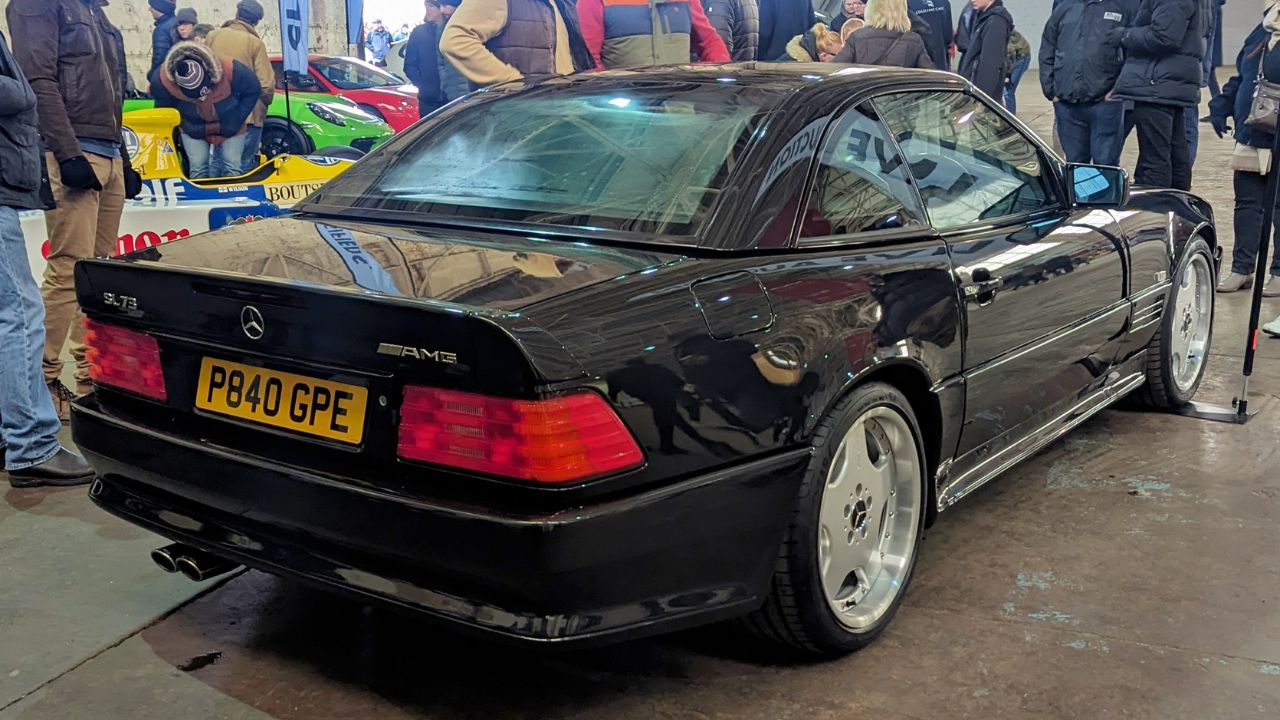
The SL73 AMG’s 7.3-liter V12 produced 525 horsepower and 553 lb-ft of torque, making it one of the largest production V12s ever installed in a road car. This engine is all about displacement and effortless power delivery, creating a sound that’s more thunder than lightning.
The exhaust note has a deep, resonant quality that you feel in your chest as much as hear with your ears. AMG didn’t build this engine to rev to stratospheric heights — they built it to deliver massive torque from low in the rev range with a soundtrack to match.
It’s the kind of V12 that reminds you that displacement and naturally aspirated cylinders create a presence that no amount of turbocharging can fully replicate.
Conclusion

The V12 engine represents a pinnacle of automotive engineering that’s rapidly disappearing from showrooms, making these sounds all the more precious to enthusiasts. Each of these vehicles demonstrates a different philosophy toward the V12 experience: some scream, some whisper, some thunder, but all create an emotional connection that transcends pure performance numbers.
As electrification and downsizing continue to reshape the automotive landscape, these mechanical symphonies become living history, reminders of an era when more cylinders meant more music. Whether you prefer Ferrari’s stratospheric wail or Rolls-Royce’s authoritative murmur, there’s a V12 soundtrack out there that speaks to something primal in every car lover’s heart.
By the way, here are our favorite V10 engine sounds.