
The 1970s gave us disco, bell-bottoms, and some of the most polarizing automotive designs ever to roll off an assembly line. This was a decade caught between the muscle car era’s swan song and the looming fuel crisis, resulting in styling choices that ranged from boldly experimental to puzzlingly awkward.
While some of these cars have aged into cult classics, others still spark heated debates at car shows and online forums. Whether you see them as misunderstood masterpieces or automotive oddities, these controversial designs captured a unique moment when Detroit was willing to take risks, for better or worse.
AMC Pacer

The Pacer arrived in 1975 looking like nothing else on American roads, and that was precisely the problem for many enthusiasts. With its wide body, massive glass area, and fishbowl greenhouse, AMC marketed it as “the first wide small car,” though critics called it everything from a rolling terrarium to a bubble on wheels.
The asymmetrical doors, with the passenger side being longer for easier rear access, added to its unconventional appeal. Despite selling around 260,000 units in its first two years, the Pacer’s radical styling hasn’t fully won over skeptics even decades later.
Today, it’s either charmingly quirky or irredeemably awkward, depending on who you ask.
Chevrolet Vega

The Vega launched in 1970 with clean, European-inspired lines that initially earned praise from automotive journalists and design critics alike. However, its appearance became controversial for a different reason: the car’s notorious reliability issues and rust problems made its good looks feel like false advertising.
By mid-decade, seeing a Vega without visible corrosion was rarer than spotting Bigfoot, leading enthusiasts to question whether attractive styling mattered when the mechanicals couldn’t deliver. The aluminum-block engine and innovative design features promised much but delivered disappointment.
These days, a well-preserved Vega turns heads not just for its styling but for its sheer survival.
AMC Gremlin

AMC took styling shortcuts in 1970 when it created the Gremlin by literally chopping the rear end off its Hornet compact and calling it a day. The result was a truncated design that looked like someone forgot to finish drawing the car, with an abrupt Kammback tail that divided opinion immediately.
Some saw clever packaging and quirky American charm, while others saw an unfinished automotive joke on wheels. With over 671,000 units sold during its run, plenty of buyers embraced the weirdness.
The Gremlin’s controversial appearance has actually worked in its favor over time, earning it a dedicated following among those who appreciate automotive oddities.
Bricklin SV-1

Malcolm Bricklin’s safety-focused sports car arrived in 1974 wearing a design that tried to split the difference between futuristic and functional. The gull-wing doors and integrated bumpers were genuinely innovative, but the overall proportions and odd color choices, limited to safety shades like white, orange, red, suntan and green, gave it an appearance some described as “melted DeLorean.” And I’m one of them; definitely using that phrase from now on.
The acrylic body panels and lack of a traditional grille created a smooth, almost unfinished look that confused onlookers. Only about 2,900 were built before the company folded, making it rare enough that its controversial styling feels more forgivable now. It’s the automotive equivalent of a bold fashion choice that doesn’t quite work but earns respect for trying.
Ford Mustang II

Taking the Mustang name and applying it to a Pinto-based compact in 1974 was controversial enough, but the styling compounded the issue for purists. Gone were the aggressive haunches and long hood of earlier Mustangs, replaced by a notchback design that looked more European economy car than American pony car.
The formal roofline and downsized proportions made practical sense during the fuel crisis, and it actually sold extremely well with over 1 million units moved. Yet enthusiasts have never fully forgiven Ford for this interpretation, viewing it as a betrayal of the Mustang’s muscle car heritage.
The Mustang II remains the family member that everyone acknowledges exists but few want to discuss at reunions.
Chevrolet Monza

The Monza debuted in 1975 with fastback styling that tried to capture some European GT flavor on a Vega platform. While the proportions were actually quite attractive by mid-1970s standards, the execution often fell short with its unusual “droop snoot” front end and awkward rear quarter windows.
Available in multiple body styles including a quirky notchback and a wagon, the design inconsistencies across the lineup added to the confusion. The Spyder package attempted to inject some sportiness, but the overall appearance never quite committed to any particular identity.
It’s handsome from certain angles and awkward from others, leaving viewers genuinely torn about its aesthetic merit.
Triumph TR7

British Leyland’s “wedge” design philosophy reached American shores in 1975 with the TR7, and reactions were decidedly mixed. The sharp-edged, origami-like styling was either refreshingly modern or aggressively ugly, depending on your perspective on pop-up headlights and severe body creases.
Marketing it as “the shape of things to come” felt optimistic given that many traditionalists wanted the shape of things past. The low-slung wedge profile looked dramatic in profile but somewhat awkward from other angles, especially the rear three-quarter view.
Nearly 115,000 found homes worldwide, proving that controversy doesn’t necessarily kill sales.
Buick Skyhawk
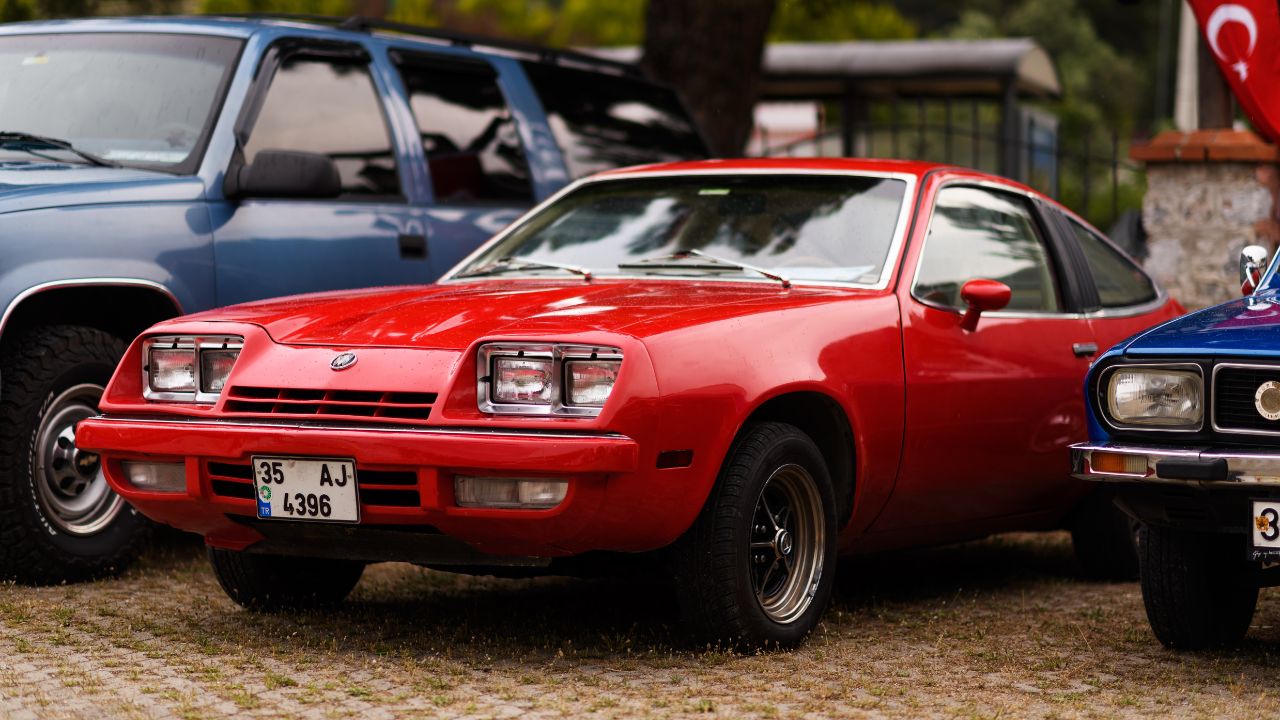
Buick’s entry into the H-body compact arena in 1975 featured a hatchback design that tried to inject luxury-brand sophistication into an economy car platform. The result was a car that couldn’t decide if it wanted to be sporty, practical, or upscale, ending up as an awkward combination of all three.
The formal roofline and vinyl top options aged it prematurely, while the short deck and tall greenhouse created proportions that never quite worked. Port holes and chrome couldn’t disguise the fundamental styling compromises inherent in badge-engineering these compact platforms.
It sold moderately well to Buick loyalists but never escaped the shadow of its more attractive platform mates.
Oldsmobile Toronado (Second Generation)

The 1971 redesign of the Toronado took the sleek original and supersized it into something more polarizing. At over 220 inches long and weighing nearly 5,000 pounds, the second-gen Toronado combined massive proportions with formal styling that some found stately and others found bloated.
The fastback roofline and hidden headlamps maintained some sportiness, but the sheer bulk and prominent federally mandated bumpers by mid-decade compromised the original’s elegance. This was personal luxury at its most unapologetic, and whether that’s appealing or excessive depends entirely on your taste.
The front-wheel-drive V8 powertrain remained genuinely impressive even as the styling sparked debates.
Chevrolet Laguna

Chevrolet’s mid-size Laguna appeared in 1973 with a distinctive urethane nose cone that was either aerodynamically purposeful or just plain odd. The sloped, body-colored front end eliminated the traditional grille opening, creating a smooth appearance that looked unfinished to some and futuristic to others.
NASCAR homologation requirements drove the design, which makes it historically significant even if aesthetically questionable. The contrast between the swoopy nose and the formal rear quarters created visual tension that never fully resolved.
Only the top-trim S-3 models wore the controversial schnoz, making them relatively rare and increasingly collectible despite mixed aesthetic reviews.
Plymouth Roadrunner Superbird/Dodge Charger Daytona (Carried into 1970)

These winged warriors technically debuted in 1969 and 1970, but their controversial appearance defines the era’s extremes. The massive rear wing and elongated nose cone were pure function over form, designed to dominate NASCAR superspeedways at 200 mph.
On the street, they looked like Hot Wheels cars that escaped into reality, which delighted some and baffled others who couldn’t understand the aerodynamic appendages. Dealers struggled to move them initially, often removing wings and noses to make them sellable, which seems absurd given today’s million-dollar auction values.
They represented everything excessive and wonderful about performance car design before regulations and economics changed the game.
AMC Matador Coupe

AMC’s 1974 redesign of the Matador coupe created something that looked like it was styled by committee with each member working from different briefs. The fastback roofline was dramatic, the tunneled rear window was distinctive, and the overall proportions were just peculiar.
With a massive 114-inch wheelbase and wide hips, it had presence, but not necessarily the good kind. The formal front end clashed with the aggressive rear quarters, creating an identity crisis on wheels.
Despite being featured in James Bond’s The Man with the Golden Gun, even 007’s endorsement couldn’t make the Matador coupe’s styling universally appealing, though it has earned cult appreciation from AMC enthusiasts.
Conclusion

These controversial designs remind us that the 1970s were a fascinating laboratory for automotive experimentation, even if not every experiment succeeded aesthetically. What makes these cars special isn’t universal agreement about their beauty, but rather the genuine passion they still inspire in defenders and detractors alike.
Many have aged into beloved oddities, appreciated precisely because they dared to be different during a challenging era for the automotive industry. The debates will continue at cruise nights and online forums, with some seeing misunderstood classics and others seeing styling misfires.
Ultimately, these polarizing designs are part of what makes automotive history rich and endlessly discussable, proving that sometimes the most memorable cars aren’t the prettiest ones.