The collector market gets more revealing when it slows down a little. Hagerty’s early-2026 read on the market was mixed and mostly sluggish, while the broader auction conversation has kept drifting toward newer cars and younger buyers. That tends to help the vehicles with a sharper story and a clearer sense of identity.
The 1970s fit that mood better than many people expected. It was a decade full of unusual luxury sedans, early wedges, honest sports cars, and overlooked muscle with real personality.
The best picks from that era now feel interesting in a way that goes beyond nostalgia. They have shape, rarity, engineering character, and just enough market support to show that informed buyers are already paying attention.
How A Sleeper Turns Into A Serious Collector Car

The strongest cars for this kind of list need a clear identity first. Production rarity helps, but scarcity alone never builds a durable collector case. What matters more is whether the car also brings a memorable design, a meaningful place in its brand’s story, or an engineering angle that still feels unusual today.
Current Hagerty values and recent public sales shaped the selections here, though not every car needed the same exact market pattern. Some are rising cleanly. Some are being sorted more selectively. Some still look attractive precisely because the market has not fully made up its mind yet.
Variety mattered too, because 1970s collector appeal can mean very different things depending on whether the car comes from Japan, Germany, Britain, Detroit, or Italy. These five make the best case because each one offers a specific kind of desirability that still feels a little less obvious than it probably should.
Datsun 280Z

The Datsun 280Z remains one of the smartest entry points into the classic sports-car world because it combines style, usability, and a healthy enthusiast base without dragging buyers into the price drama that follows many European rivals. Hagerty has already described it as a strong entry-level collectible, and that still feels right.
The appeal is easy to understand. The shape still looks right, the driving experience still feels honest, and the ownership story remains approachable thanks to mechanical simplicity and good parts support. The market also shows buyers separating the ordinary cars from the sharp ones.
A March 2026 Black Pearl Edition drew a strong $31,250 high bid but did not meet reserve, while cleaner mainstream 280Zs continue to orbit far more rational numbers. That is usually a healthy sign. It says the market is paying attention without becoming irrational.
Mercedes-Benz 450SEL 6.9

The Mercedes-Benz 450SEL 6.9 has the kind of presence that ages into authority. It was always an engineer’s luxury sedan, but now it also feels like one of the smartest sleeper collectibles of the decade. It has rarity, real mechanical depth, and the sort of stately menace that modern luxury sedans almost never capture.
That appeal is no longer theoretical. Hagerty’s current guide places a good 1978 example at about $30,500, up 12.1 percent, and the best cars have already shown how high the ceiling can go.
A 1977 example brought $105,000 in November 2025, which is serious money for a sedan that still does not get discussed as often as it deserves. The attraction here is not hype. It is substance, and collectors tend to come around to substance sooner or later.
Lotus Esprit S1

Early Lotus Esprit S1s carry the sort of design confidence that makes even a parked car feel dramatic. Giugiaro’s wedge has aged beautifully, and the market has begun responding with much more seriousness. The Esprit does not need nostalgia to make its case. It still looks bold, specific, and fully committed to its own idea of the future.
That clarity has started to show up in the numbers. Hagerty currently places a good 1977 Esprit S1 at about $39,200, up 22.1 percent, and Hagerty’s January 2025 feature on the model described early Esprit values as being on the march while still sitting below the truly elite collector stratosphere.
That remains a very attractive position for a car with this much design importance and this much cinematic recognition. The S1 still feels like a car with room left in its story.
Plymouth Duster 340
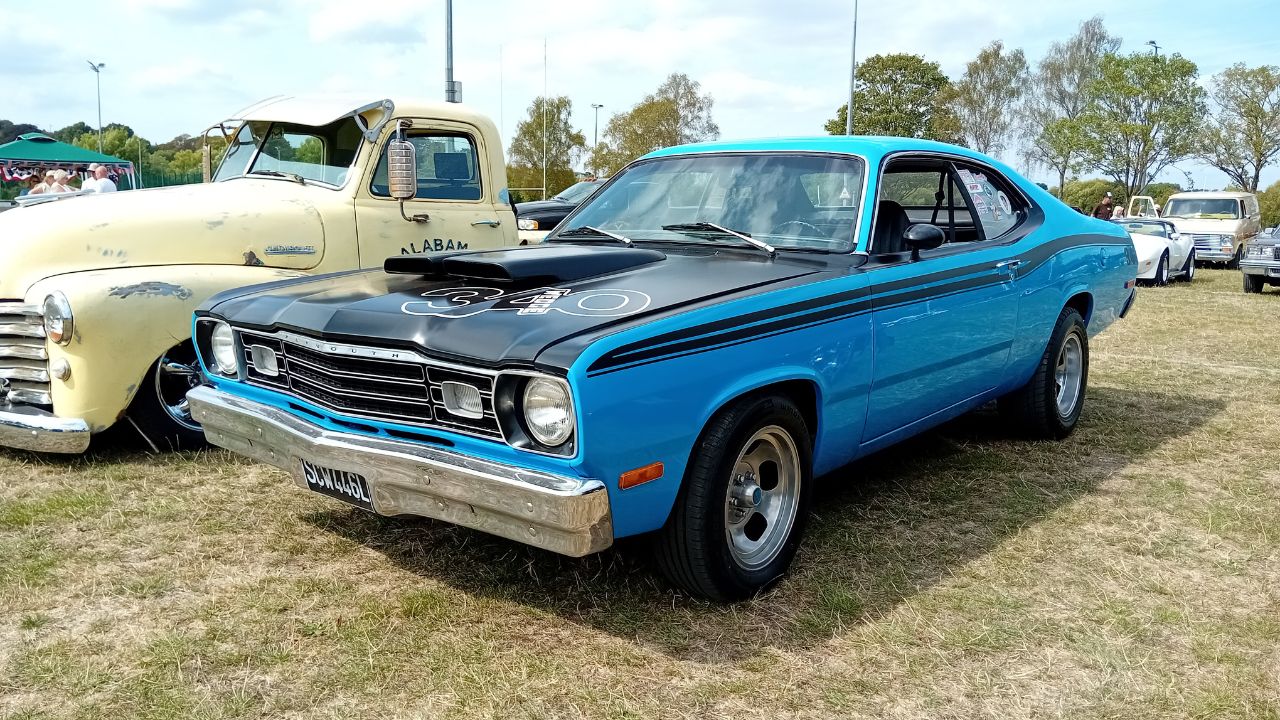
The Plymouth Duster 340 is exactly the kind of American car that benefits from a quieter market. It never carried the instant headline gravity of the bigger Mopar icons, which left room for sharper buyers to recognize what it actually offers. Compact size, real character, decent rarity, and a much friendlier entry point than the obvious muscle car trophies are a strong combination.
The market has already started rewarding that logic. Hagerty reported in 2025 that median excellent-condition Duster values had risen 72 percent over the prior five years, and its current guide places a good 1973 Duster 340 at about $26,100, up 21.1 percent.
Hagerty also lists the most recent auction sale of a 1973 Duster 340 at $28,097 on Bring a Trailer in October 2025. That does not look like bargain-bin curiosity anymore. It looks like a car gaining more settled collector respect.
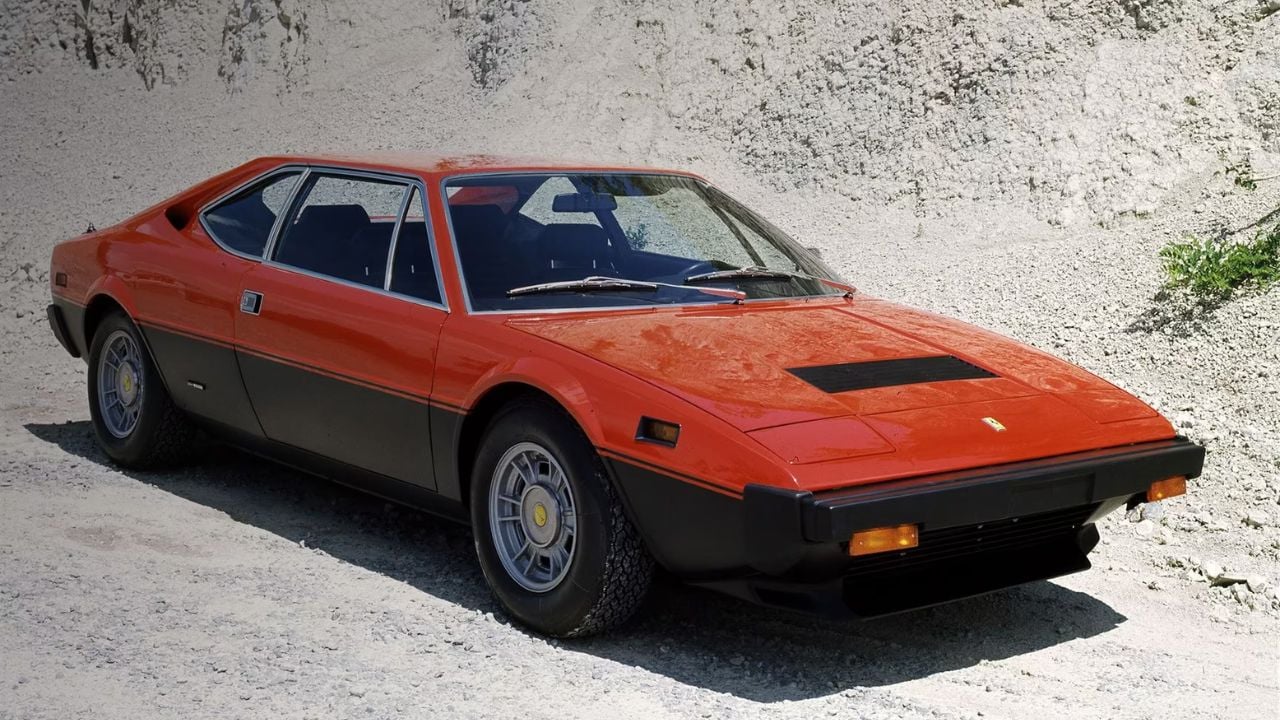
Ferrari Dino 308 GT4
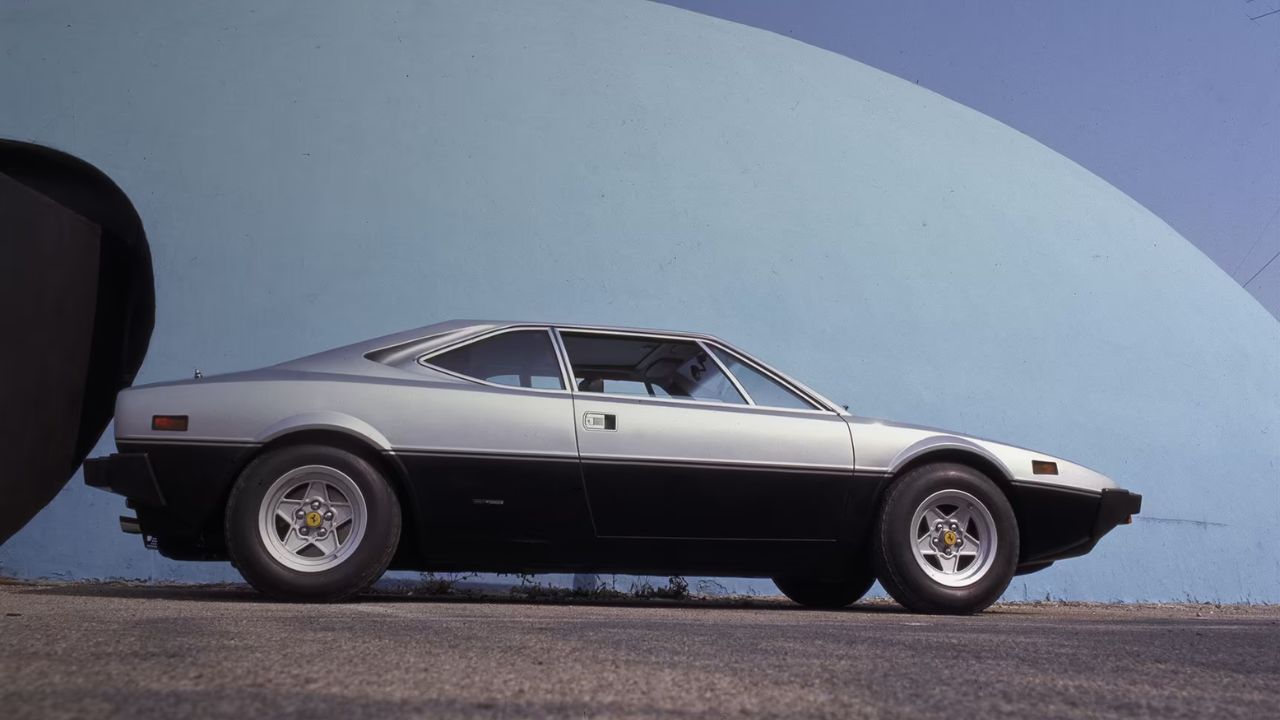
The Ferrari Dino 308 GT4 is the most complicated market story here, which is part of what makes it so interesting. It has spent years living in the shadow of more obvious Ferraris, but the things that once made it feel slightly awkward now read much more like strengths. It is Bertone-styled; it uses Ferrari’s first road-going V8, and it packages that engine in a mid-engine 2+2 layout unlike anything else in the lineup.
The market is not sending a simple straight-up signal, and that nuance should be part of the appeal. Hagerty’s current guide places a good 1975 Dino 308 GT4 at about $52,000 and a good 1979 at about $63,000, but both figures are down year over year.
Recent sales also show a spread wide enough to remind buyers that the market is still sorting these cars carefully, from a $48,000 result for a 1975 car in September 2025 to $33,573 for another 1975 in February 2026, while a 1978 example brought $64,050 in March 2026. That does not read like a runaway market. It reads like a selective one, and selective markets often create the most interesting buying opportunities.
Why The Smartest Buys Usually Start As Side Conversations

Collector markets rarely announce the most interesting opportunities with a trumpet blast. The better moves often begin with a handful of buyers noticing the same pattern at roughly the same time: a car with real design strength, a specific place in history, and values that still feel slightly behind its actual significance.
That is the thread connecting these five. The Mercedes and Lotus look like the clearest momentum stories. The Duster is earning more respect. The 280Z still makes enormous sense as an entry-level collectible with a healthy enthusiast floor. The Dino remains the nuanced choice, the one that asks for judgment rather than reflex. That is often where the best collecting begins, long before the whole room agrees.