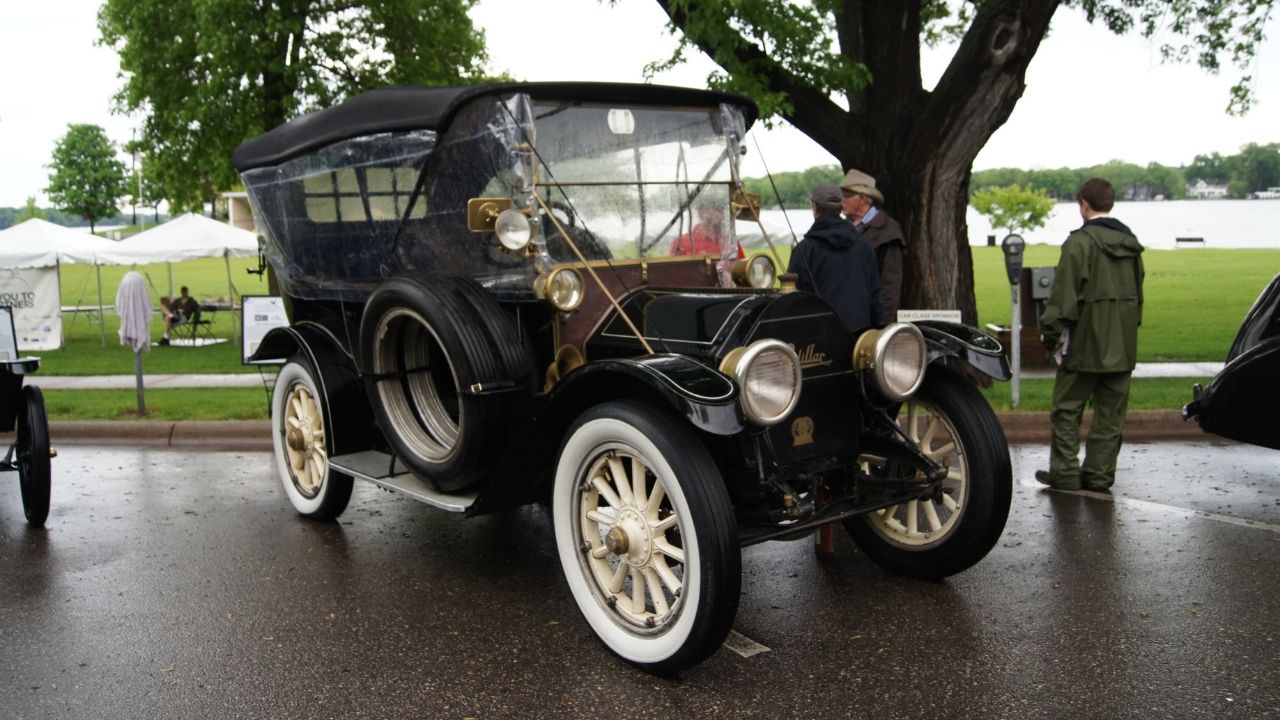
The dawn of the automobile age was a free-for-all of mechanical experimentation that would make modern engineers blush. Between the 1890s and 1920s, inventors were throwing everything at the wall to see what stuck, from steam engines to electric motors to designs that looked like they belonged in a Jules Verne novel.
These pioneers didn’t have focus groups or safety regulations, just raw ambition and a belief that four wheels and a motor could change the world. The results ranged from genuinely brilliant to absolutely bonkers, and some cars managed to be both at the same time.
Before Henry Ford standardized everything with his Model T assembly line, the automotive landscape was a beautiful circus of innovation where nearly anything seemed possible.
1896 Duryea Motor Wagon
The Duryea brothers built what’s often considered the first commercially produced American car, and honestly, it looks like someone strapped a buggy to a lawn mower engine.
In 1896, they established the Duryea Motor Wagon Company and built 13 identical vehicles, making them America’s first auto manufacturers by volume. The engine was a horizontally mounted two-cylinder rated at about 6 horsepower, which was enough to reach speeds of about 20 mph on a good day. Steering was accomplished with a tiller, like a boat, because apparently wheels were too conventional for these early pioneers.
The whole contraption It weighed about 700 pounds and was priced around $1,500 (estimated), which translates to roughly $75,000 today, proving that early adopters have always paid a premium for new technology.
1899 Baker Electric
Before Tesla made electric cars cool again, the Baker Motor Vehicle Company was building battery-powered beauties for America’s elite.
These quiet, emission-free vehicles were particularly popular with wealthy urban drivers who appreciated not having to hand-crank a gasoline engine or deal with noxious fumes. Depending on model and batteries, Bakers were commonly cited in the 40–50 mile range per charge, with modest city-friendly speeds, which was perfectly adequate for city driving in an era when roads were still sharing space with horses. Thomas Edison himself owned one and worked on improving the battery technology, though he never quite cracked the code for long-range electric travel.
By 1914, Baker was marketing these vehicles specifically to women, with plush interiors and easy operation, before the company eventually succumbed to the dominance of cheaper gasoline cars.
1901 Columbia Automobile
The Electric Vehicle Company’s Columbia was part of a bold scheme to monopolize the early American auto industry through patent control and taxi fleets.
They manufactured both electric and gasoline vehicles, hedging their bets on which technology would win out. In 1899, the Columbia and Electric Vehicle Company (later the Electric Vehicle Company) purchased the rights to the Selden patent and used it to pursue royalties and lawsuits, including the long fight involving Ford. Their electric cabs operated in major cities like New York, where they racked up impressive mileage before the company’s business model collapsed.
What makes the Columbia truly wild isn’t just the car itself but the audacious attempt to corner an entire emerging industry before anyone knew what that industry would become.
1902 Baker Torpedo
The Baker Torpedo “Kid” was an electric land speed record car that proved batteries could be fast, at least in short bursts.
In 1902 on Staten Island, Baker’s streamlined electric torpedo was involved in a high-speed attempt that ended in a crash and didn’t enter the official record books; in 1904 the Torpedo is often credited with an official 104 mph run at Ormond/Daytona. The car featured a distinctive cigar-shaped body designed to slip through the air with minimal resistance, a concept that was cutting-edge for the time. It weighed over 3,000 pounds because of all those lead-acid batteries, making it a testament to the “more is more” philosophy of early automotive engineering.
While the Baker Torpedo never led to a production model, it demonstrated that electric vehicles could compete with their internal combustion rivals on performance, even if range remained an issue.
1906 Stanley Steamer Rocket
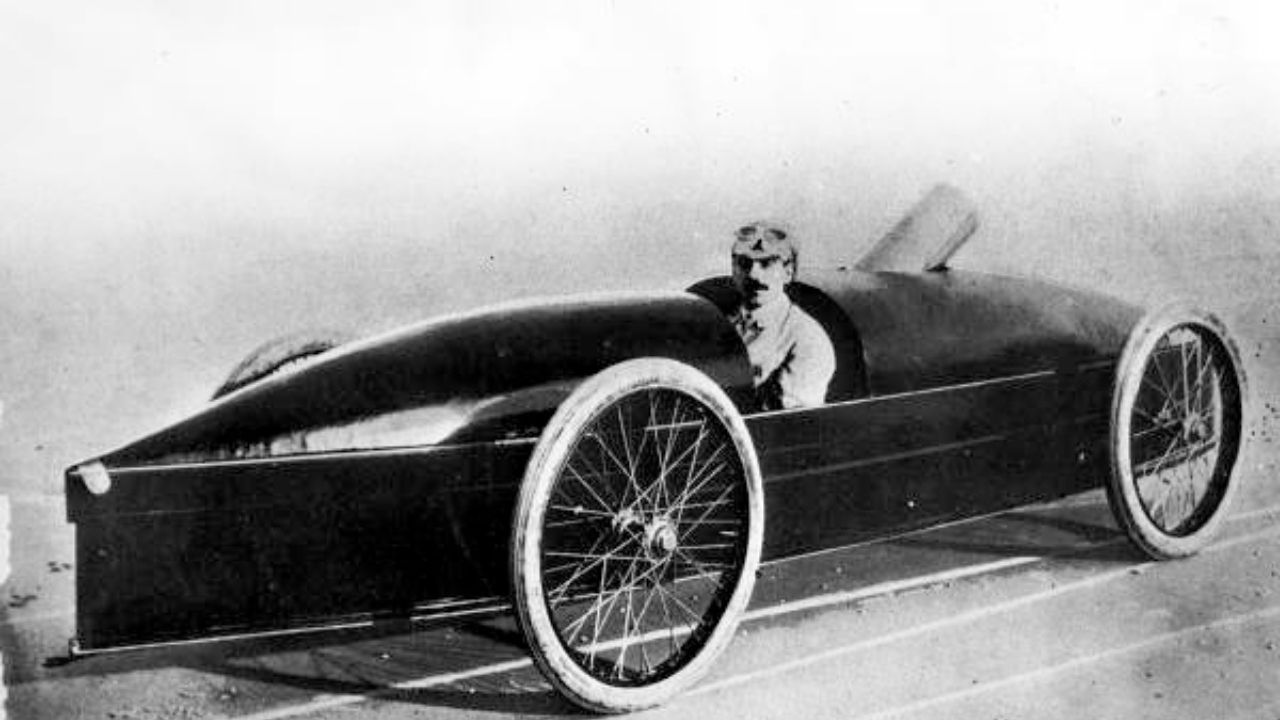
The Stanley twins built a steam-powered monster that hit 127.66 mph at Ormond Beach, Florida, becoming the fastest car in the world and thoroughly terrifying everyone present.
Fred Marriott was behind the wheel of this narrow, coffin-shaped vehicle when it set the record, which remained the steam land-speed benchmark for more than a century. The Stanley Steamer used a lightweight boiler and engine that could build pressure quickly, giving it impressive acceleration and top speed. Unfortunately, when Marriott attempted to break 150 mph the following year, the car became airborne and disintegrated spectacularly, though he somehow survived.
The Stanley brothers decided that maybe speed records weren’t worth the publicity after all and went back to building their more sensible production steamers, which remained popular until the 1920s.
1909 Ford Model T
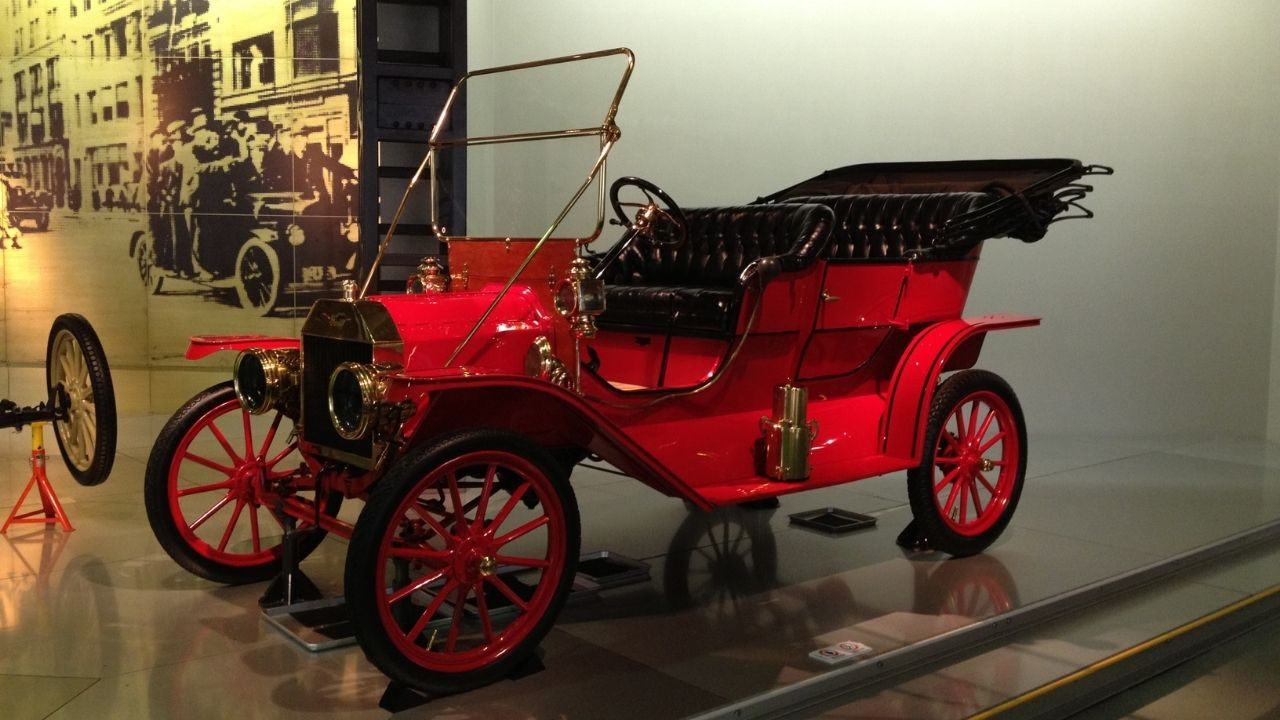
You can’t talk about wild early cars without mentioning the vehicle that made automobiles accessible to regular Americans, even if it doesn’t look particularly wild today.
The Model T’s real innovation was manufacturing efficiency rather than technical complexity, with Ford’s with production efficiency rising so much that output was later described as one Model T every 24 seconds at peak production. It featured a simple 20-horsepower four-cylinder engine, planetary transmission, and enough ground clearance to handle America’s terrible roads, which were really just dirt paths with delusions of grandeur. The car’s affordability dropped from $850 in 1908 to $260 by 1925, making it cheaper than many horses and buggies it replaced.
Over 15 million Model Ts were produced between 1908 and 1927, fundamentally transforming American society by putting the country on wheels and creating the suburban lifestyle we know today.
1911 Reeves Octoauto
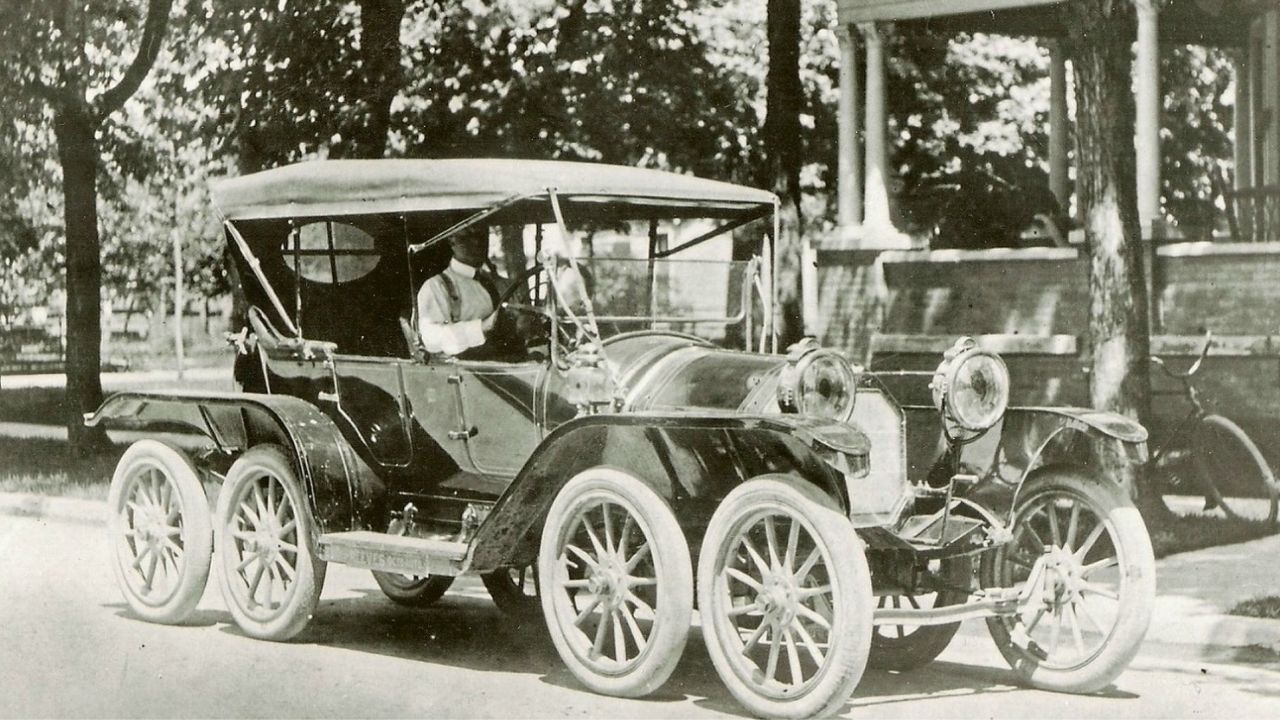
Someone looked at a regular car and thought, “You know what this needs? Eight wheels.”
The Reeves Octoauto was Milton Reeves’ solution to a problem nobody really had, featuring four extra wheels in the middle to supposedly provide a smoother ride. The theory was that more wheels would better distribute weight and cushion bumps, like a centipede gliding over rough terrain. In practice, the Octoauto was a nightmare to maneuver, with a turning radius roughly equivalent to a small apartment building.
Only a tiny handful were built, and the idea never caught on before Reeves wisely pivoted to the slightly less absurd Sextoauto with six wheels, which also failed to catch on because sometimes more wheels is just more wheels.
1912 Cadillac Model 30
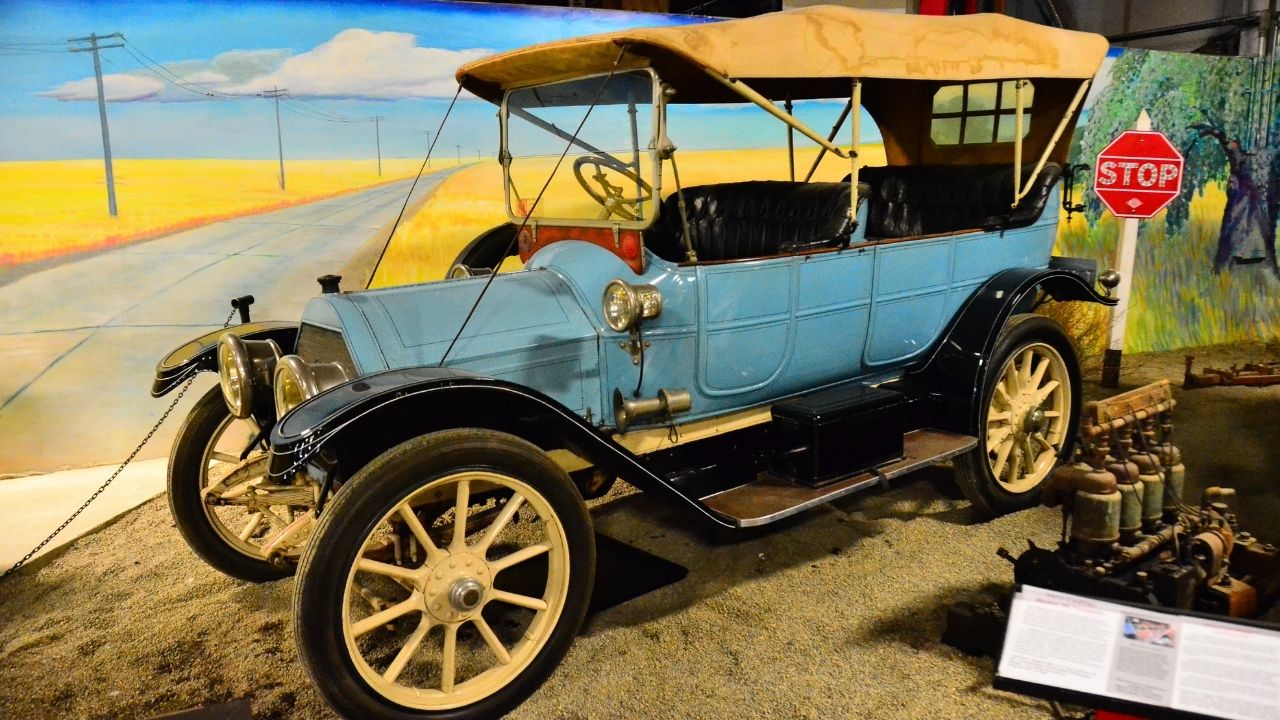
Cadillac’s 1912 model earned the brand its reputation for innovation by introducing the electric starter, finally freeing drivers from the dangerous and exhausting hand-crank.
Charles Kettering’s self-starter was revolutionary, literally and figuratively, eliminating the risk of broken wrists and kicked-back cranks that had injured countless early motorists. The Model 30 also featured electric lighting and ignition, creating an integrated electrical system that modern cars still use conceptually. This technological leap made cars accessible to drivers who lacked the upper body strength for hand-cranking, significantly expanding the potential customer base.
Cadillac won the Dewar Trophy for this innovation, and the hand-crank began its march toward extinction, though hand cranks lingered on some vehicles for years even after electric starters became common.
1913 Scripps-Booth Bi-Autogo
Picture a motorcycle with training wheels, scale it up to car size, make it bright yellow, and you’ve got the Scripps-Booth Bi-Autogo.
This V8-powered two-wheeler used deployable outrigger wheels for low-speed stability to stay upright when stopped, because designer James Scripps-Booth was clearly inspired by fever dreams. The 45-horsepower engine could push this contraption to respectable speeds, assuming you had the courage to ride what was essentially a motorcycle disguised as a car. Only one prototype was ever built, probably because test drives consisted mostly of terrified passengers demanding to get out.
The Bi-Autogo represented the era’s willingness to question every assumption about what a car should be, even assumptions as fundamental as “cars should have four wheels.”
1916 Owen Magnetic
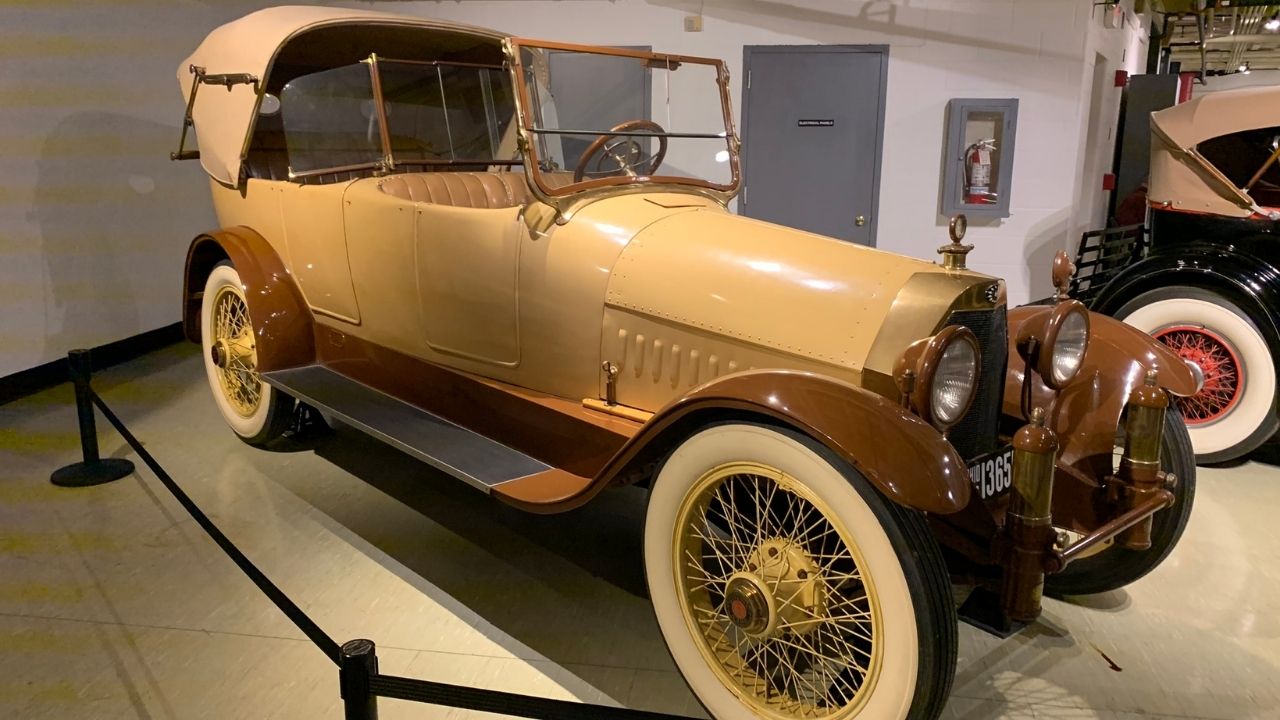
The Owen Magnetic promised the best of both worlds with an electric transmission controlled by a mysterious lever that adjusted magnetic fields to change gears.
This hybrid system used a gasoline engine to drive a generator, which powered an electric motor connected to the wheels, prefiguring modern hybrid technology by nearly a century. The company marketed it as “The Car of a Thousand Speeds” because the magnetic coupling allowed infinitely variable power delivery without traditional gear changes. It was smooth, sophisticated, and expensive, costing about $3,750 when a Model T went for under $400.
Only about 974 were built before the company folded in 1921, proving that being 80 years ahead of your time is rarely a profitable business strategy.
1920 Briggs & Stratton Flyer
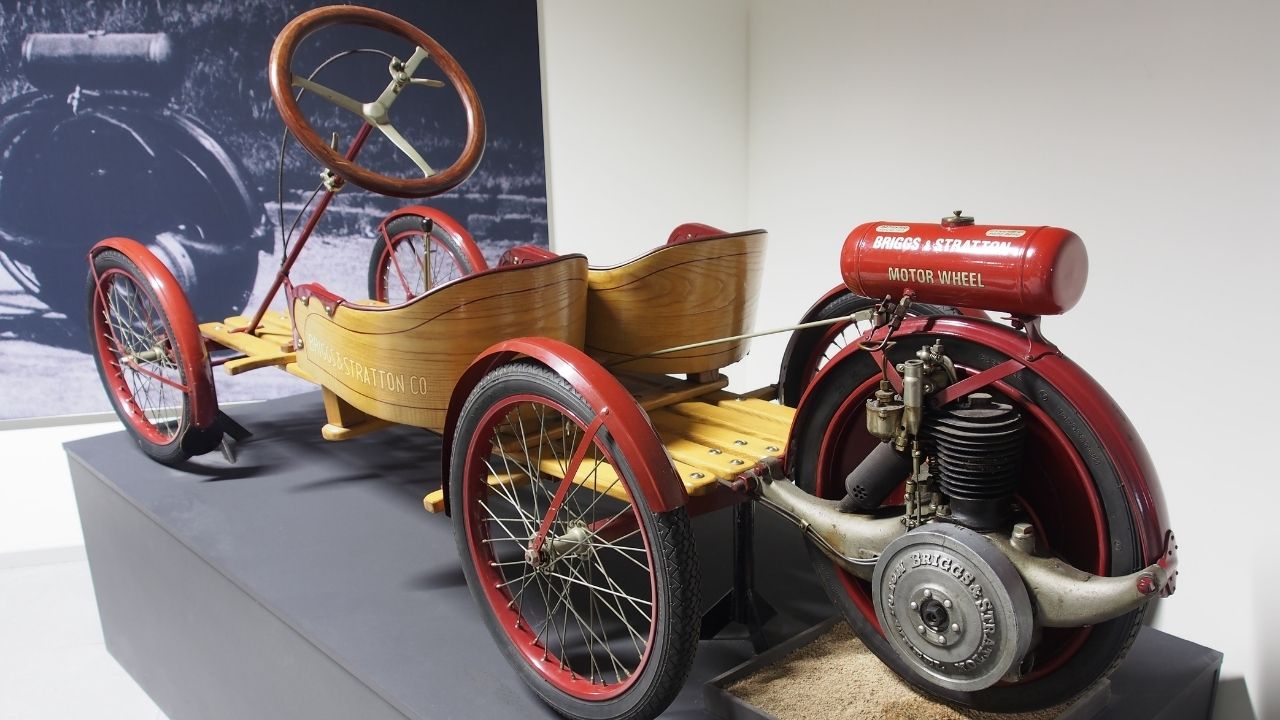
The Briggs & Stratton Flyer was less a car and more a motorized buckboard that looked like it was built from spare parts found behind a shed.
This bare-bones vehicle featured a single seat, a 2-horsepower engine, and absolutely no bodywork to speak of, making it the automotive equivalent of a skeleton. It sold for just $125, targeting budget-conscious buyers who wanted motorized transportation without the frills, or the doors, or really anything resembling comfort. The Flyer could reach about 22 mph, which felt considerably faster when you were sitting on an exposed plank with nothing between you and the road.
Roughly 6,000 were sold before the company decided to focus on making small engines instead, a decision that worked out considerably better for them in the long run.
Leyat Helica (1919–1925)
French inventor Marcel Leyat created what can only be described as an airplane fuselage with car wheels, powered by a massive propeller mounted on the front.
The Helica used aircraft construction techniques with a lightweight wooden frame and fabric covering, making it one of the first cars seriously concerned with aerodynamics. Produced from 1919 to 1925, the Helica used lightweight aircraft-style construction; one was recorded at 106 mph in 1927 at Montlhéry, which was genuinely fast for the era. The major drawback, aside from the obvious danger of a giant spinning blade at face height, was that reverse gear was impossible and the propeller was equally effective at blowing dust into the faces of pedestrians.
Between 1919 and 1925, Leyat is reported to have sold about 30 vehicles before Leyat apparently realized that propeller-driven cars were never going to be practical, no matter how aerodynamically sound the concept.
Conclusion
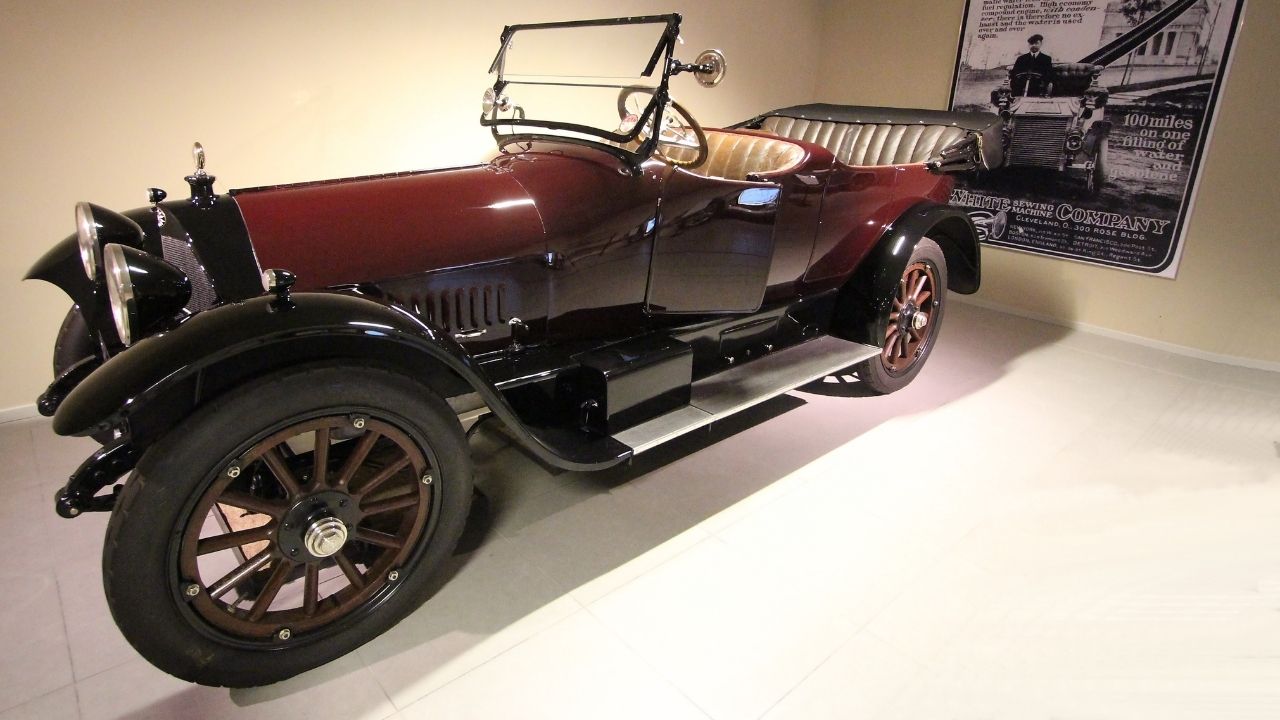
These automotive oddities remind us that progress is rarely a straight line, especially when that line involves experimental steering mechanisms and way too many wheels. The early automotive era was defined by passionate inventors who weren’t afraid to fail spectacularly in public, leaving us with a legacy of steam-powered speed demons and propeller-driven road hazards.
While most of these designs ended up as footnotes in automotive history, they represented crucial steps in figuring out what actually worked. Today’s electric vehicles, hybrid drivetrains, and advanced safety systems all trace their lineage back to this era of fearless experimentation. We owe our modern automotive conveniences to these pioneers who asked “what if?” and built the answer, even when the answer turned out to be “maybe not that.”