

A courtroom in Delaware has suddenly become the center of attention in a story that blends high stakes business, legal drama, and one of the most talked about figures in the automotive world.
A judge who has handled some of the most important cases involving Tesla and its chief executive, Elon Musk, has stepped away from several ongoing lawsuits after questions were raised about possible bias.
The decision was not forced by a higher court or a formal ruling. Instead, it came from the judge herself. Chancellor Kathaleen McCormick, Delaware’s corporate court chief judge, chose to reassign the cases in order to keep the focus on fairness and public trust.

The LinkedIn Post That Changed Everything
At the heart of the issue is something surprisingly small but powerful in today’s digital world.
Musk’s legal team pointed to activity on LinkedIn, where the judge’s account appeared to interact with a post celebrating a legal outcome that went against Musk in a separate case. That single action raised eyebrows and quickly became a talking point.
McCormick responded by explaining that she did not intentionally engage with the post.
She suggested it could have been an accidental click or even unusual account activity. Still, in a legal environment where perception matters just as much as reality, the situation quickly grew beyond a simple explanation.
Rather than allow the controversy to cast doubt on the proceedings, McCormick made a careful decision.
She reassigned the cases to other judges, making it clear that the goal was to avoid unnecessary distractions and maintain confidence in the judicial process. In simple terms, she stepped aside so the cases could move forward without any lingering questions.
What’s at Stake for Tesla and Musk?
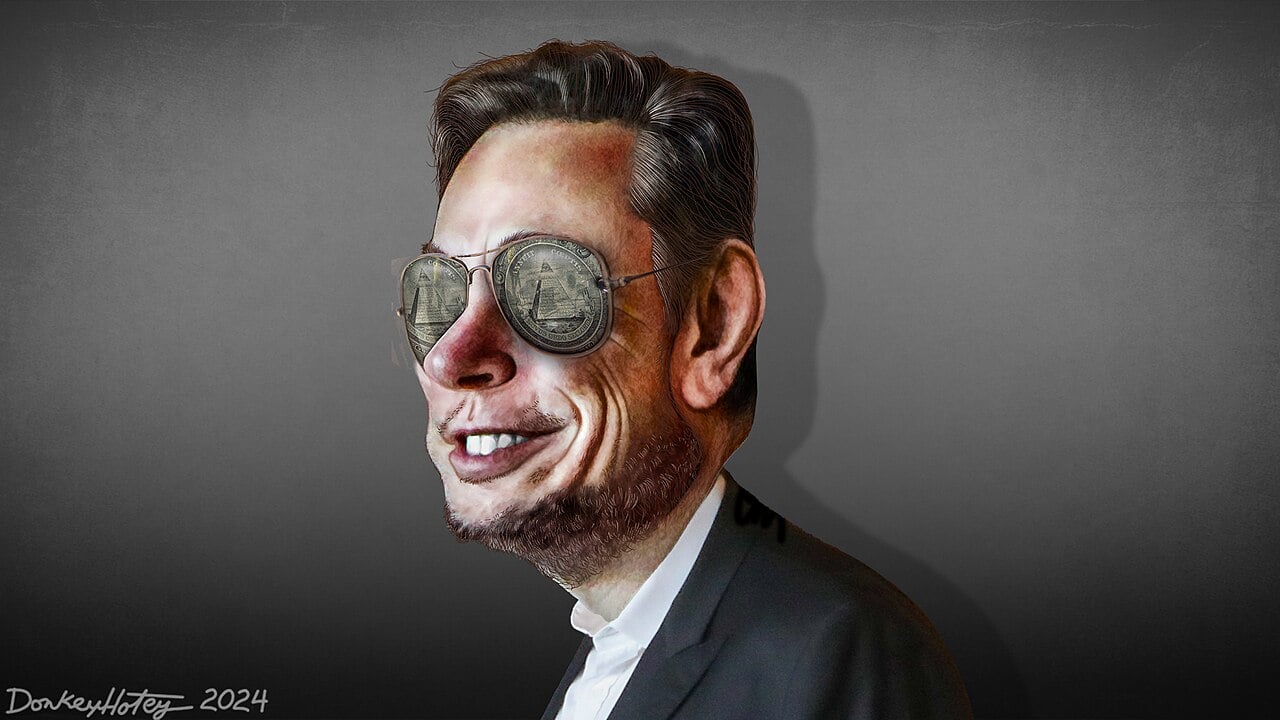
The automotive world sees in this story something much more than a courtroom technicality. The lawsuits involved are tied to Tesla’s leadership and decisions that could shape the company’s future.
Some of the claims focus on whether Musk’s actions, including his involvement with other ventures, may have affected Tesla shareholders. Others question how effectively the company’s board has overseen his leadership.
These are not minor disputes. They go to the core of how one of the world’s most influential car companies is run, especially as it continues to push boundaries in electric vehicles, artificial intelligence, and mobility.
There is also important history between the judge and Musk. She previously ruled against a massive Tesla compensation package awarded to him. That ruling sparked intense debate across the business and automotive communities.
Although that ruling was later overturned, it added another layer of scrutiny to any case involving the two.
Even the appearance of bias in a legal case can be enough to trigger major changes. In high profile disputes, especially those involving global brands like Tesla, every detail is examined closely.
A Digital Age Cautionary Tale
What makes this situation stand out is how quickly a small online interaction turned into a serious legal concern. It highlights how the digital age has changed the way credibility is judged. Judges, executives, and public figures are all operating under constant visibility, where even a single click can carry earth-shifting weight.
As the cases move forward under new judges, the spotlight will shift back to the legal arguments themselves. For Tesla, its investors, and the wider automotive industry, the outcome of these lawsuits still matters just as much as before.
Ultimately, this moment serves as a reminder that trust is everything in both business and the courts. When questions arise, even without clear proof of wrongdoing, the system often chooses caution over risk. That is exactly what played out here; the road ahead for these cases must remain as clear and credible as possible.
Sources: Reuters