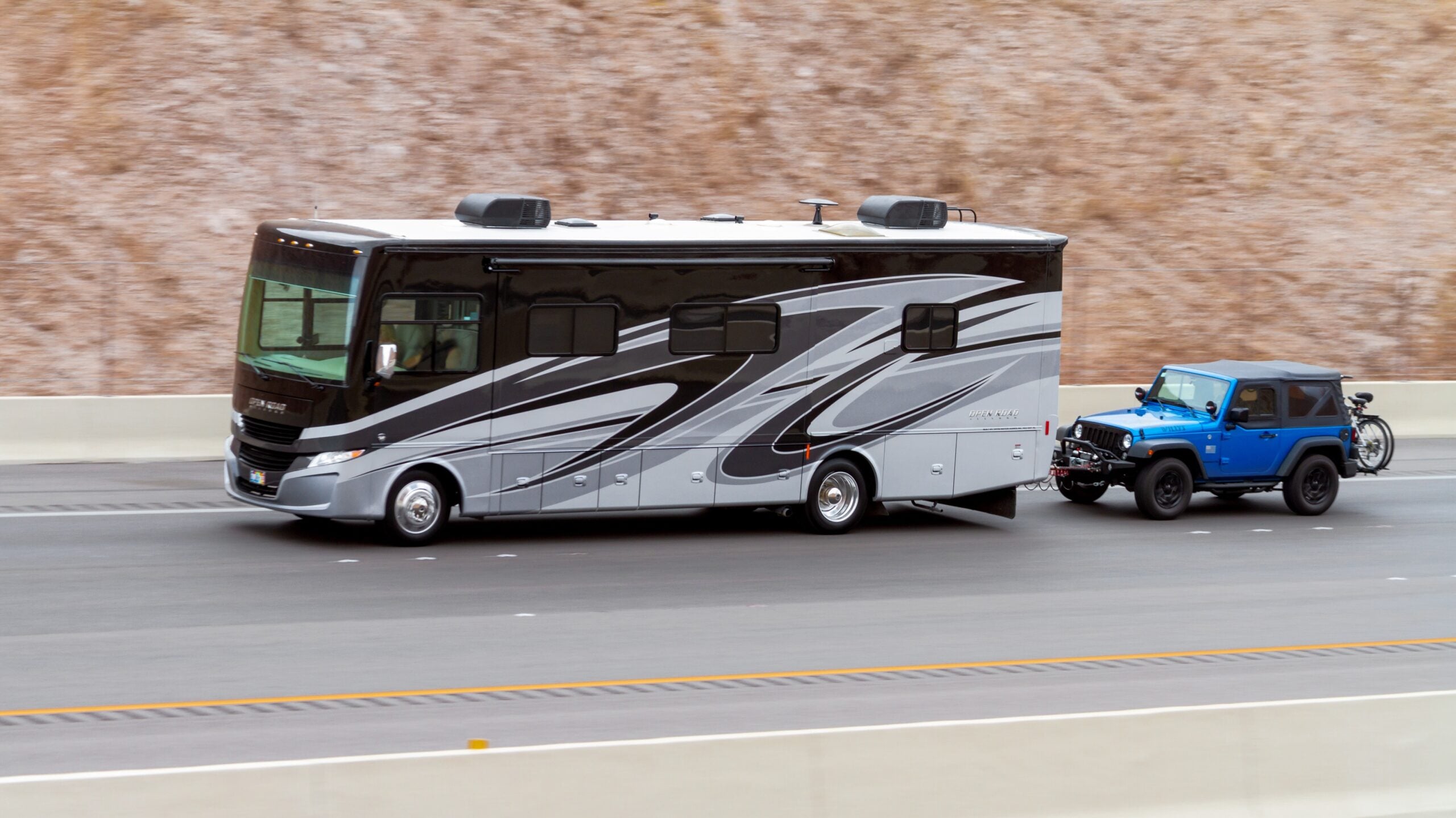
Every great RV trip really does have two chapters. The first is the long pull to somewhere beautiful. The second starts after the coach is parked and the jacks are down, when you decide what kind of vehicle you want waiting there for everything that comes next.
That second part matters more than people sometimes admit. A good tow-behind vehicle is not just something that survives the highway miles. It becomes your grocery runner, your small-town explorer, your scenic backroad companion, and sometimes the machine that takes you where the RV itself should not.
Spend five minutes in any RV group, and you will see the same pattern play out. Ask a simple question about flat towing, and you will get a flood of confident answers, a few contradictions, and the same warning over and over again: check the owner’s manual. That repetition is not filler. It is people trying to save someone else from an expensive mistake.
Flat towing is not about brand loyalty. It is about exact configurations, exact drivetrains, and the exact procedure the manufacturer lays out for that specific vehicle.
What Makes A Great RV Companion
For this list, we stuck to true four-wheels-down dinghy towing, based on what RV owners are actually using out on the road.
Spend any time in RV Facebook groups, and you will see how quickly this gets confusing. People argue brands, compare favorites, and throw out recommendations, but the more experienced voices keep coming back to the same point. “Brand? Flat-towing depends on the specific model and the variant of that model.” That is the part most people miss. The badge matters a lot less than what is underneath it.
The real answer is mechanical. A vehicle has to be able to disconnect the drivetrain from the wheels while it is being pulled. That usually means one of two things. A true 4WD system with a transfer case that can be shifted into Neutral, or a manufacturer-approved tow mode that does the same job electronically.
One RV owner summed it up about as clearly as you can: “If it doesn’t have a real transfer case with a true neutral, assume it’s not flat-tow safe until proven otherwise.”
That is why these six made the list. Not because of brand hype, but because in the right configuration, they have a clear way to tow four wheels down without guessing.
Jeep Wrangler

Few vehicles are more tied to RV life than the Jeep Wrangler. It has been the default answer for years, and that has not changed.
Owners in RV groups do not overthink it. “Jeep Wrangler is the gold standard for easy flat towing.” Another said, “Jeep is always a solid go-to.” You see them behind motorhomes everywhere for a reason.
It is simple to set up, built around a true transfer case, and once you unhook it, it feels like a completely different vehicle than your RV. Trail, beach, backroad, quick run into town, it does all of it without needing to pretend.
Not every Jeep is towable, and that matters. The Wrangler keeps showing up because it is one of the few that consistently gets it right.
Ford Bronco
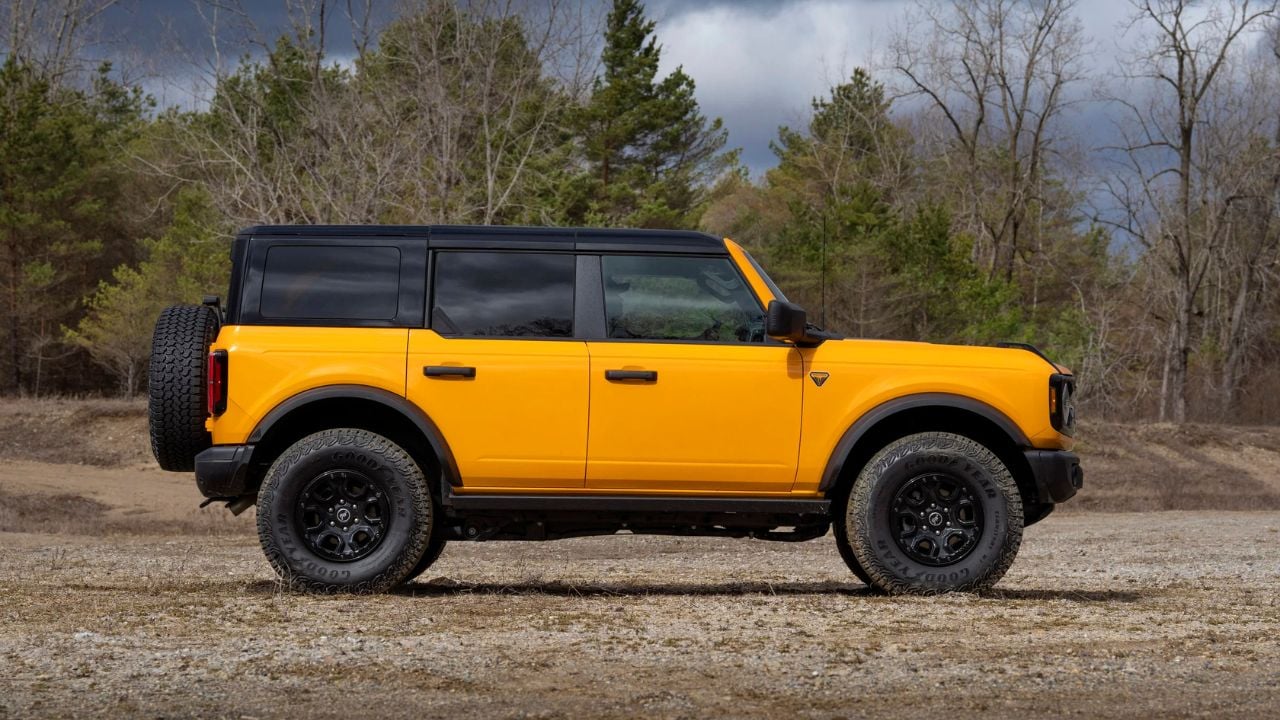
The Ford Bronco is what you pick when you like the Wrangler idea but want something more modern.
It follows the same basic formula. Transfer case, Neutral Tow, done correctly, it works. The difference shows up after you arrive.
Owners have been pretty direct about it. “We have drug the little fool over 20k miles with no issues.” Another said the Bronco was “super easy” to tow and a better daily driver once unhooked.
You still get the trail capability, but you also get something that feels a little more comfortable and current when you are just out driving around.
Ford Maverick Hybrid

The Ford Maverick Hybrid is where things start to shift.
Yes, it can be flat towed, but only in Hybrid form. The EcoBoost models are not designed for it. The Hybrid uses a built-in Neutral Tow mode instead of a traditional transfer case, and that detail matters.
This is where RV owners split. A lot of people default to Jeeps because they are simple. Others push back because they want something that does not burn fuel every time they leave the campground.
That is where the Maverick fits. One owner called it “an outstanding toad,” and that lines up with what it does well.
If you are looking for a flat tow option with better mpg, easier parking, and real everyday usability, this is one of the more practical answers on this list. Just make sure you are looking at the Hybrid, because that detail is everything here.
Chevrolet Equinox
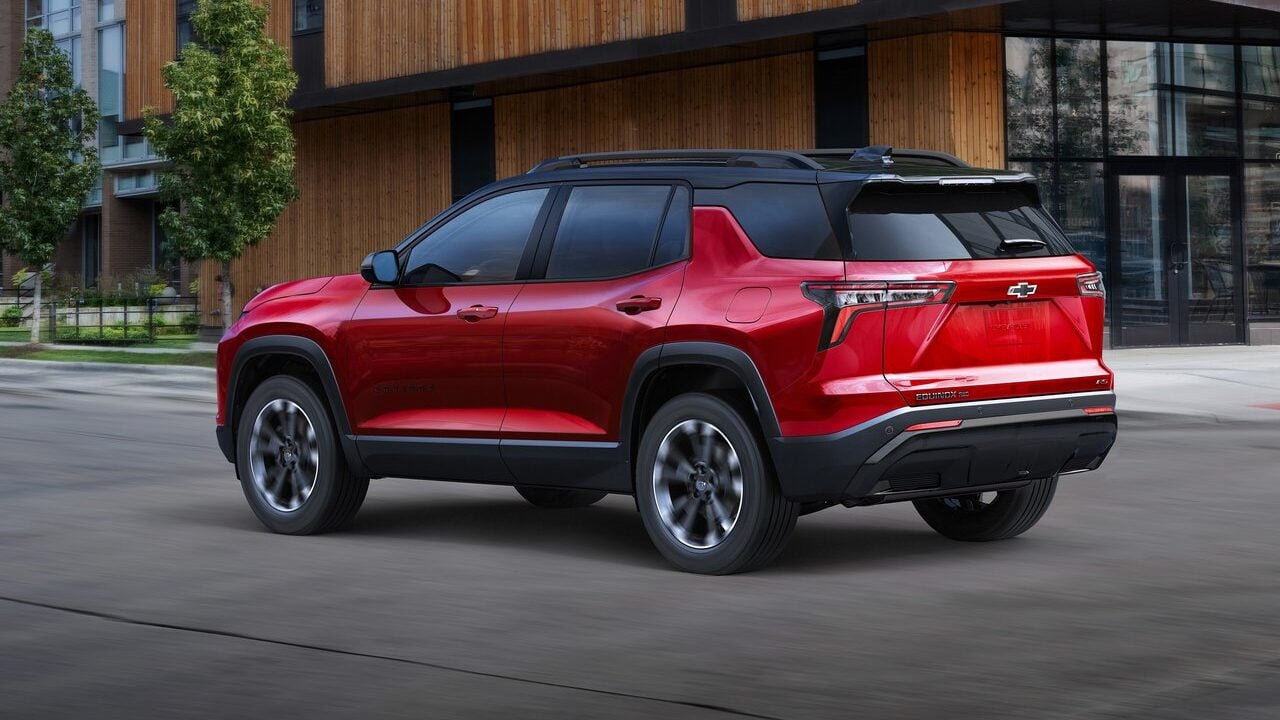
The Chevrolet Equinox makes this list for a simpler reason. It feels like normal life, and for many RV setups, that is exactly the point.
Owners bring it up over and over again, usually with the same kind of feedback. “Works great,” “tows great,” no drama. That kind of consistency matters when you are talking about something people are trusting behind a motorhome. :
The nuance is in the details. Many Equinox models across multiple years can be flat towed, but not all of them, and the setup is not as simple as just putting it in Neutral and going. Some require specific procedures, sometimes including fuse pulls, ignition settings, and limits on speed or distance.
That is the tradeoff. It is not the most “set it and forget it” option on this list, but once you follow the procedure correctly, you end up with a comfortable, easy daily driver that handles everything from groceries to longer scenic drives without feeling like a compromise.
Jeep Grand Cherokee
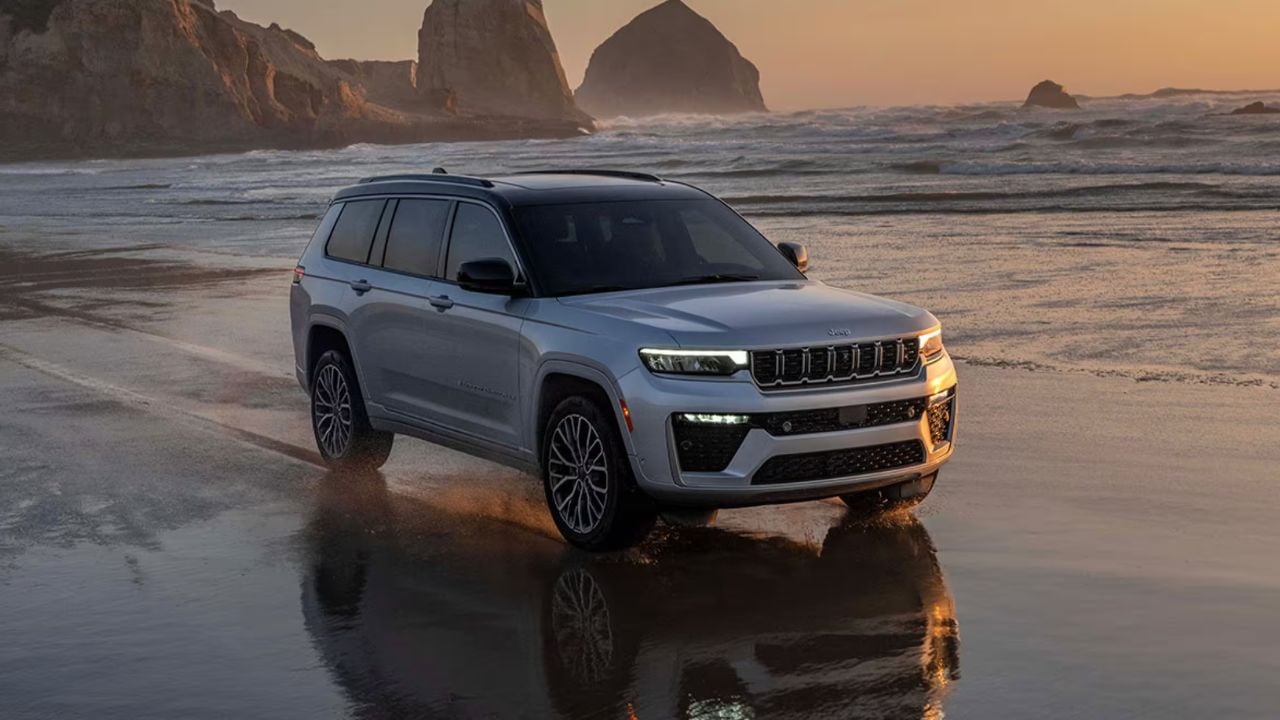
The Jeep Grand Cherokee is where things shift toward comfort.
It shows up in RV discussions for a reason, but it comes with more caveats. Not every Grand Cherokee is towable, and the ones that are usually need the right drivetrain.
Owners who have the right setup tend to like them. One said it takes “5 minutes to activate tow mode,” and once you are done towing, you are driving something that feels a lot closer to a daily SUV than a trail rig.
If your trips lean more toward long drives, restaurants, and sightseeing than trails and dirt roads, this is one of the more comfortable options that still fits into the flat-tow conversation.
Chevrolet Colorado 4WD
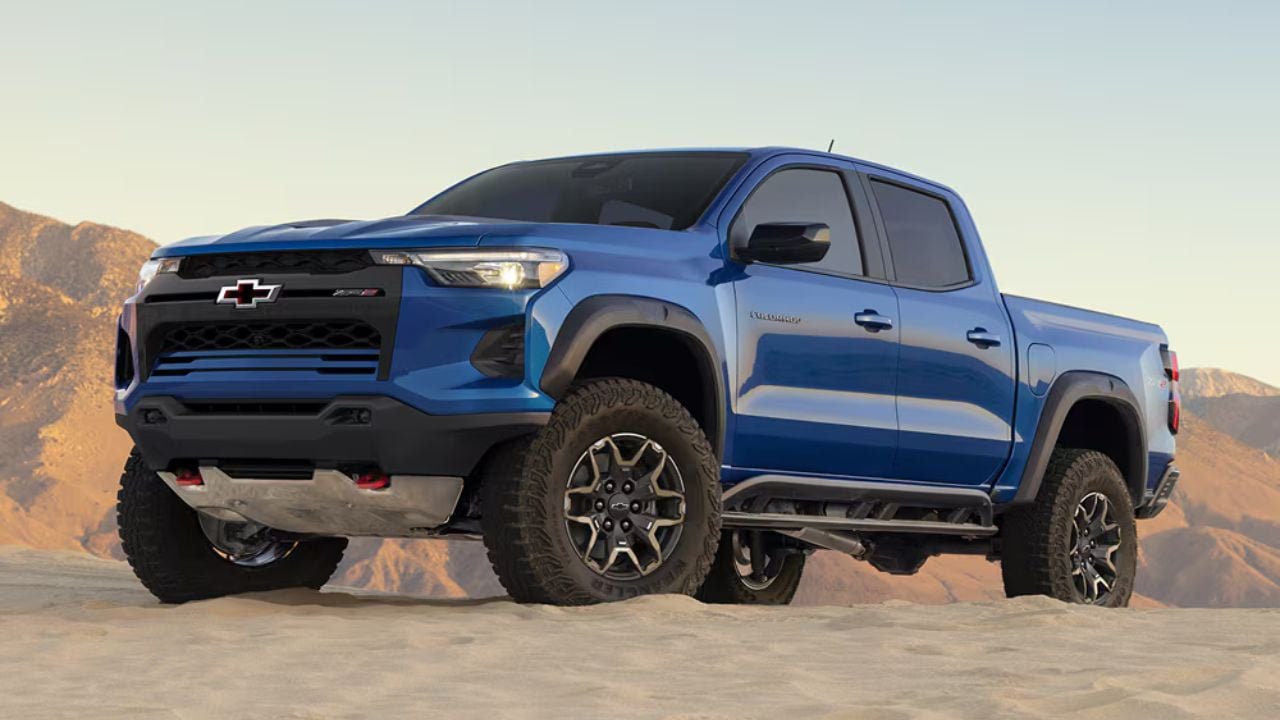
The Chevrolet Colorado 4WD is the answer for people who still want a real truck.
Like everything else here, the details matter. It needs the right 4WD setup with a transfer case that can be shifted into Neutral. Get that right, and it works.
RV owners keep coming back to it for a reason. One mentioned this being their third Colorado used as a toad, which tells you everything you need to know about how well it fits the job.
It is not the lightest option, but it is one of the most useful once you get where you are going.
The Best Tow-Behind Vehicle Comes Down to How You Use It

There is no wrong answer here. All six of these are solid choices if you match them to how you actually travel and what you want to do once you arrive.
Some people want simple. Some want comfort. Some want MPG. Some want a truck. That is really what this comes down to.
If we had to pick one, though, it is hard not to land on the Wrangler or Gladiator, if you need a truck. It shows up everywhere for a reason. The flat-towing process is well understood, the knowledge base is deep, and parts and accessories are easy to find just about anywhere.
It is also just more fun than most of the alternatives. Take the doors off, take the top off, point it down a dirt road, and see where it goes. There is a reason the Jeep community is as big as it is, and yes, you will probably end up with a rubber duck on the dash, whether you planned on it or not.
Whatever you choose, do one thing before you buy. Open the owner’s manual for that exact vehicle and check the recreational towing section. That is the detail that actually matters.