For years, fun and fuel economy were treated like opposing ideas. One belonged to light sports cars, hot hatches, and sharp sport sedans. The other belonged to appliances built to keep gasoline bills low and expectations even lower.
That split is much less rigid now. A genuinely enjoyable car can still talk back through the steering wheel, stay eager on a back road, and leave its driver smiling after a long commute, while also returning fuel economy that would have seemed unrealistic in older enthusiast machinery.
That matters because the modern buyer is asked to compromise constantly. Prices are higher, traffic is worse, and daily driving can turn even a good car into a dull routine if it has no personality at all.
The best models in this category resist that fate. They save fuel, but they also remember that driving is supposed to feel like something.
What Counted As A Strong Fit For This List

This list focuses on current gasoline and traditional hybrid models on sale in the U.S., not EVs or plug-in hybrids, because the headline is about MPG in the usual sense. Every pick had to clear a meaningful efficiency bar for a driver-focused vehicle, which in practice meant EPA combined ratings around the high 20s or better, with several cars going far beyond that.
I also required a clear enthusiast angle, whether that came from a manual transmission, rear-wheel-drive balance, sharp chassis tuning, or repeated praise from road tests for real driver engagement. Cars that were merely quick in a straight line did not make the cut. Cars that were efficient but dynamically forgettable did not make it either. The final group reflects the most convincing overlap between enjoyment and thrift in today’s market.
Mazda MX-5 Miata
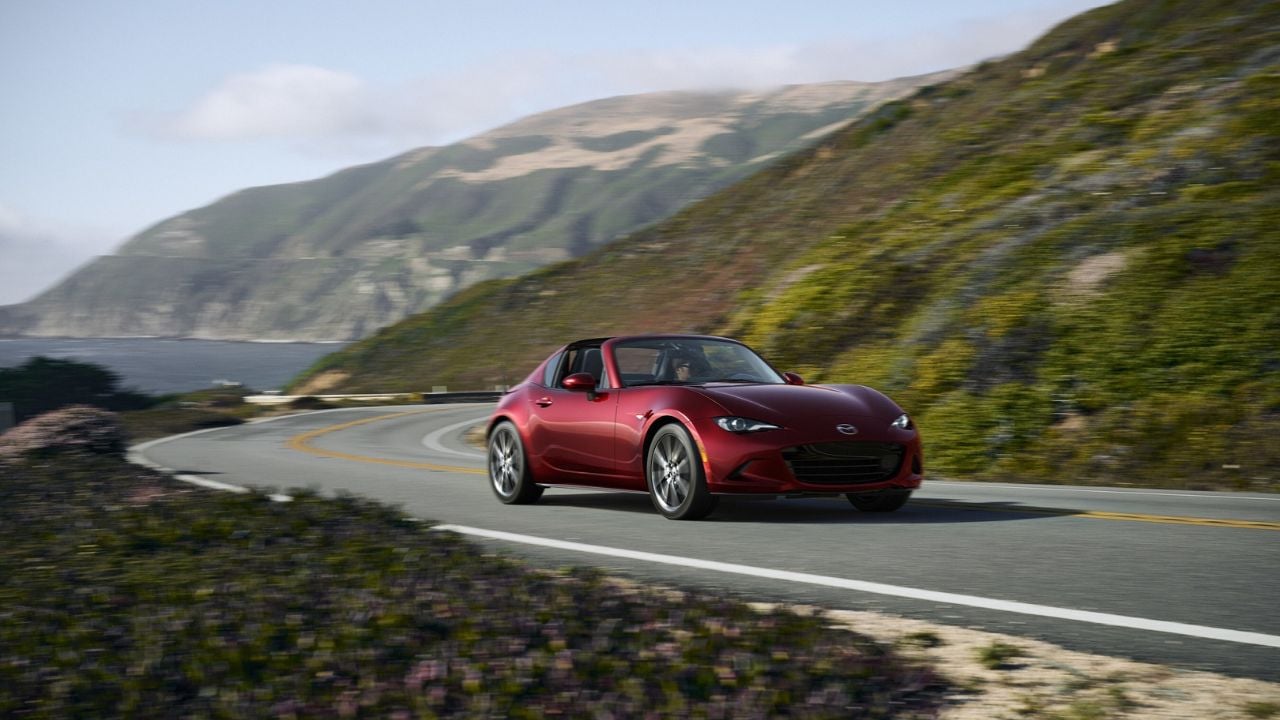
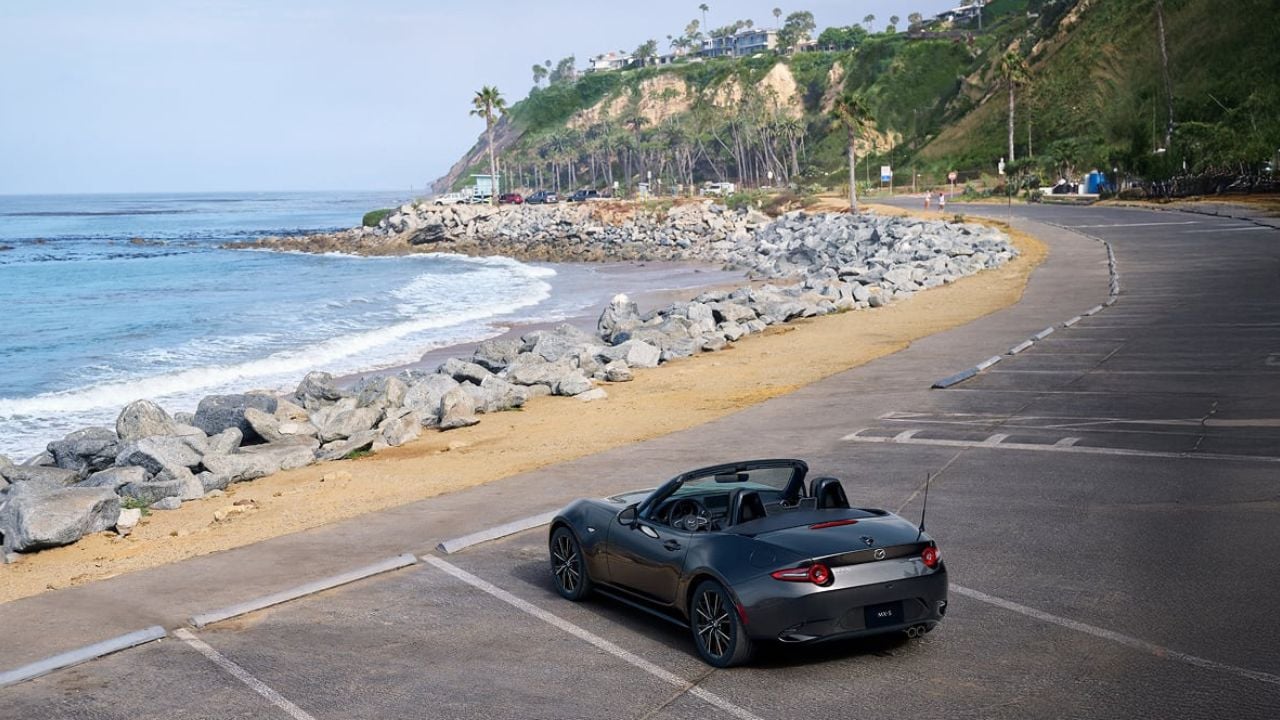
Few cars explain this headline better than the Miata. The 2026 MX-5 is rated at 29 mpg combined in both manual and automatic form, which already puts it on strong footing for a real sports car. What keeps it here, though, is the way it delivers that efficiency without sanding away the reason people love it. Car and Driver still calls it a joy to drive, and that feels exactly right.
The Miata is small, light, communicative, and free of unnecessary weight in every sense. It does not need huge power to feel alive. It simply needs a road, a willing driver, and enough fuel economy to make that road easier to enjoy more often.
MINI Cooper S 2 Door
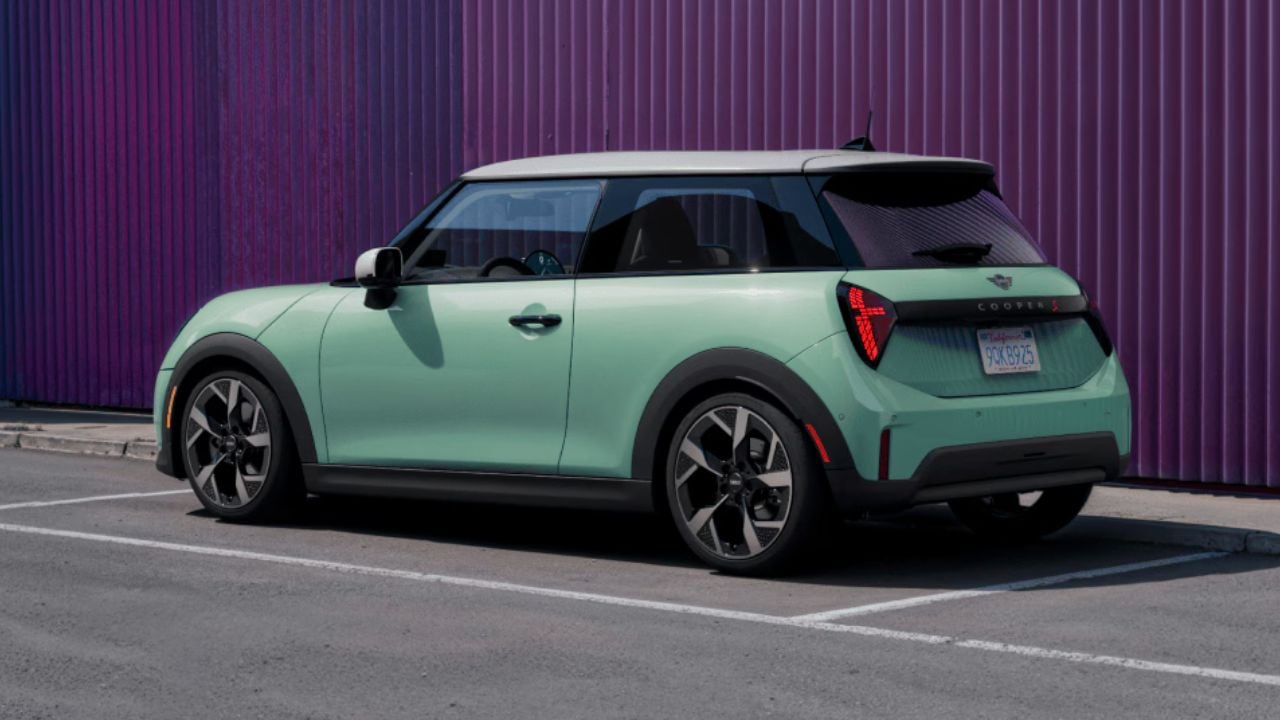
The Cooper S has always understood that speed is only part of the fun equation. The current 2 Door still delivers strong efficiency while bringing 201 hp and the sort of quick reflexes that make even ordinary city driving feel more playful than it has any right to. Car and Driver says its handling remains sharp, with the same lively feel in corners, and that description fits the car’s long-standing appeal perfectly.
The Cooper S is not trying to be a bargain track special or a faux luxury cruiser. It is compact, cheeky, responsive, and genuinely eager to change direction. That gives it a personality many efficient cars never manage to find, and it does so while drinking fuel with surprising restraint.
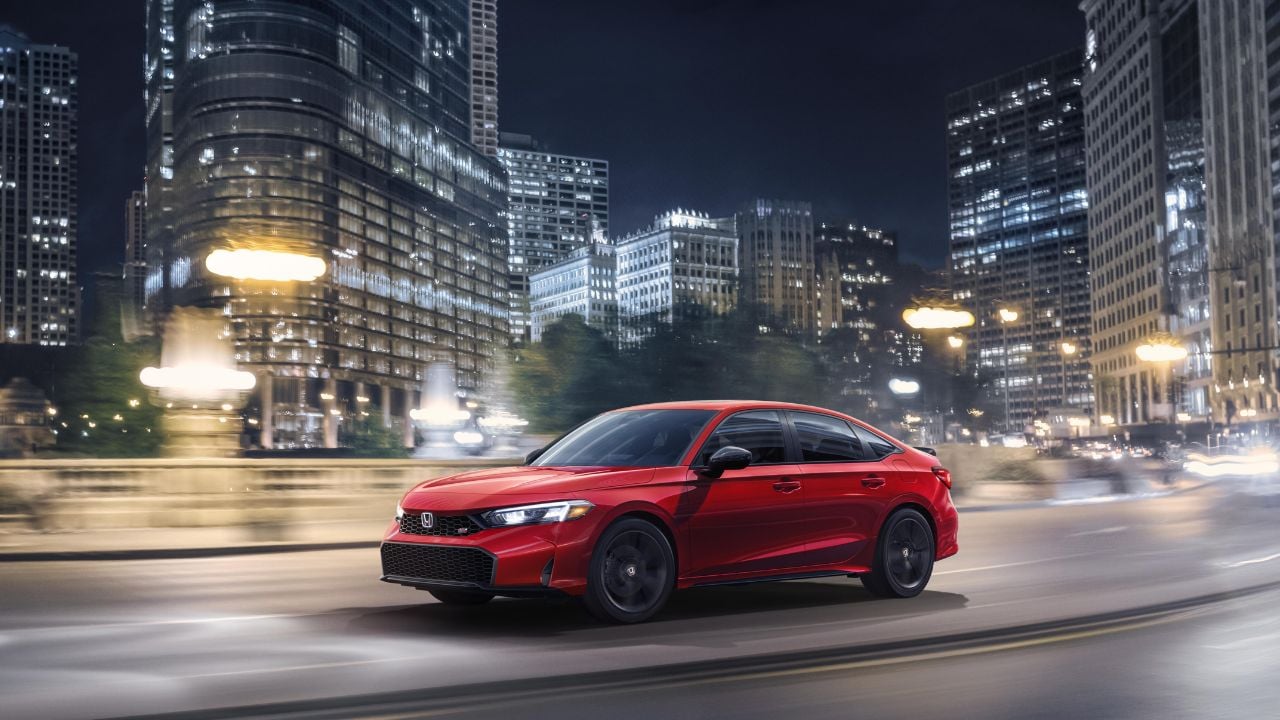
Honda Civic Si

The Civic Si remains one of the cleanest answers for someone who wants to keep driving fun simple, affordable, and efficient. Honda still gives it a 200 hp engine and a six-speed manual, while the EPA’s 2026 fuel economy guide lists the manual 1.5-liter Civic sedan at 31 mpg combined. That combination is the whole point.
Car and Driver continues to praise the Si’s six-speed and accessible performance, and that is why this car keeps earning respect year after year. It is not trying to overwhelm you with brute force. It is trying to make every shift, every corner entry, and every good road feel worth taking. Getting more than 30 mpg combined while doing that is what makes the Si such a rare modern success.
Acura Integra A-Spec
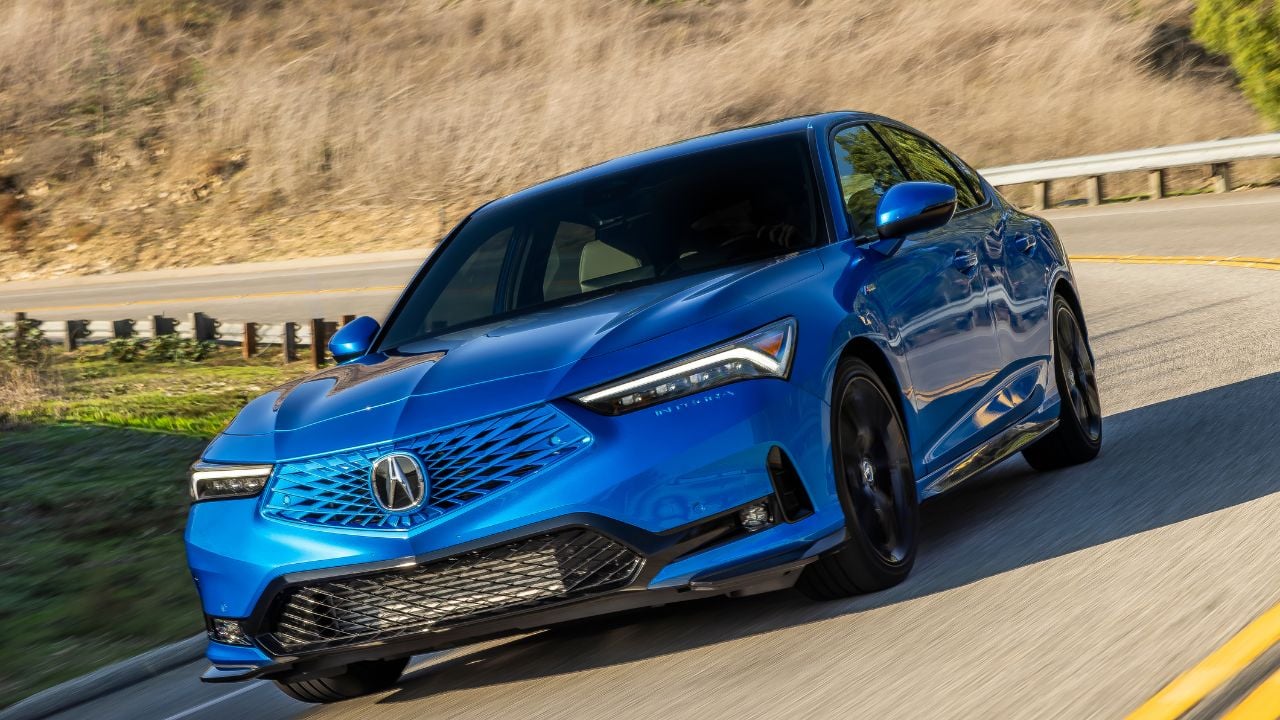
The Integra A-Spec with the six-speed manual lands in a particularly attractive middle ground. Acura rates the manual at 30 mpg combined, and its 1.5-liter turbo engine still delivers 200 hp. That gives the car enough energy to feel genuinely rewarding without asking the owner to accept the usual penalty at the pump.
What helps most is the broader character. Car and Driver describes the Integra as lively and agile, with nicely weighted, satisfyingly precise steering, and that sounds exactly like what a premium sport compact should offer. The hatchback body also gives it a layer of usefulness that many fun cars cannot match. In real life, that matters. This is the sort of car that can handle work, errands, and longer trips, then still feel awake the moment the road improves.
Volkswagen Jetta GLI
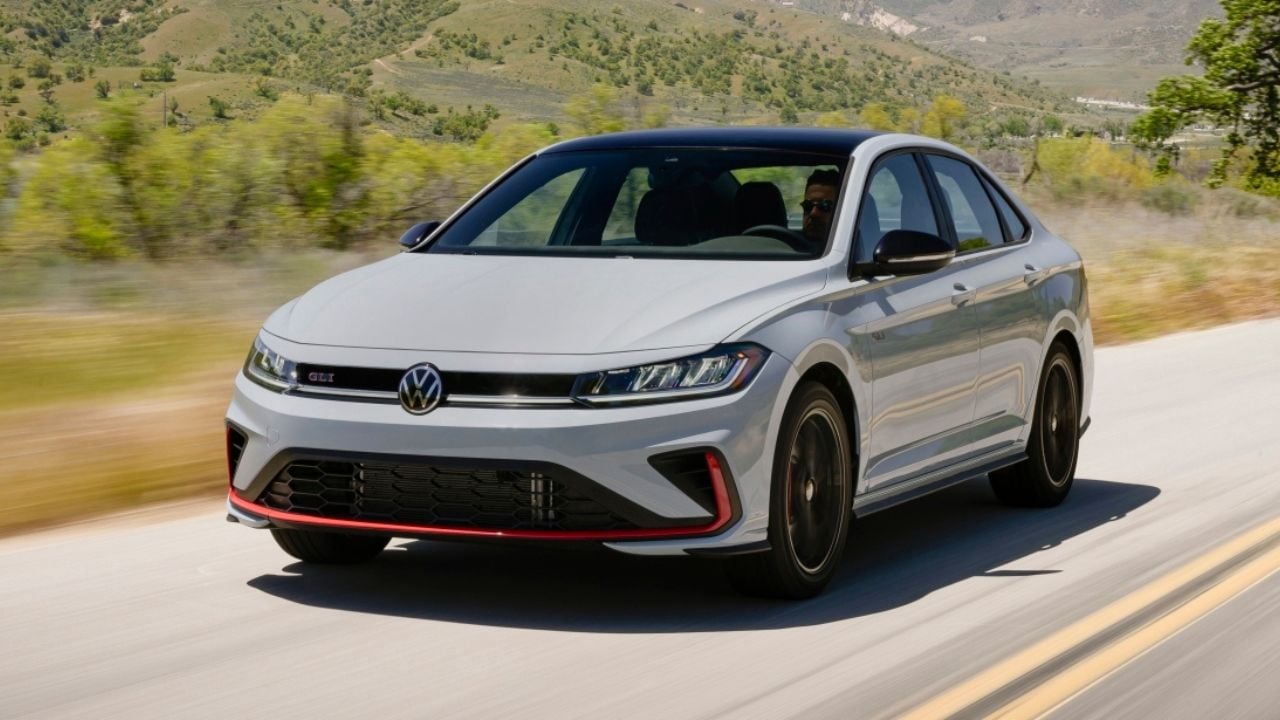
The Jetta GLI is one of the most underrated answers in this whole category because it does not need to shout to prove anything. The EPA guide gives it 29 mpg combined in either manual or DSG form, and Volkswagen still backs it with 228 hp, 258 lb-ft of torque, and available adaptive chassis control. Car and Driver says the GLI remains a great drive, with strong brakes, feelsome steering, and a compliant ride, and that balance is exactly why it belongs here.
Instead of chasing extreme lap-time energy, the GLI delivers usable pace, mature road manners, and enough personality to make a daily commute feel less like dead time. That is often a better kind of fun anyway, especially when it comes with efficiency that stays comfortably above the segment stereotype.
Volkswagen Golf GTI
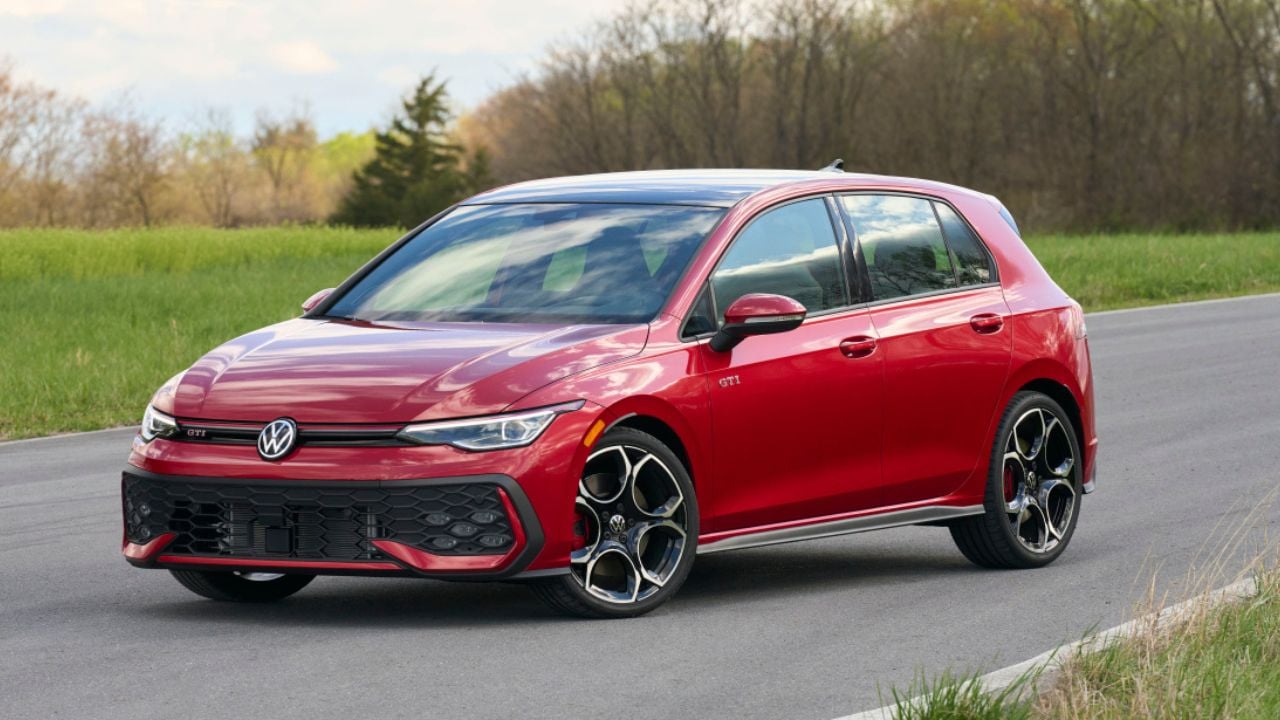
The GTI stays relevant because it keeps doing the difficult thing well. It still feels like a proper enthusiast car, but it never forgets that owners also need comfort, space, and fuel economy. For 2026, the EPA rates it at 27 mpg combined, while Volkswagen still gives it 241 hp and up to 273 lb-ft of torque. The manual is gone now, which makes the GTI’s case a little different than it used to be, but not weaker. The appeal now rests even more on the chassis, the turbo punch, and the way the whole car works as a complete daily package.
That is why it still belongs here. The GTI is fun in a grown-up way. It is quick enough to matter, tidy enough to enjoy, and easy enough to live with that using it every day does not dilute the appeal. Among sporty hatchbacks, few cars have defended this territory with such consistent intelligence.
BMW 230i Coupe
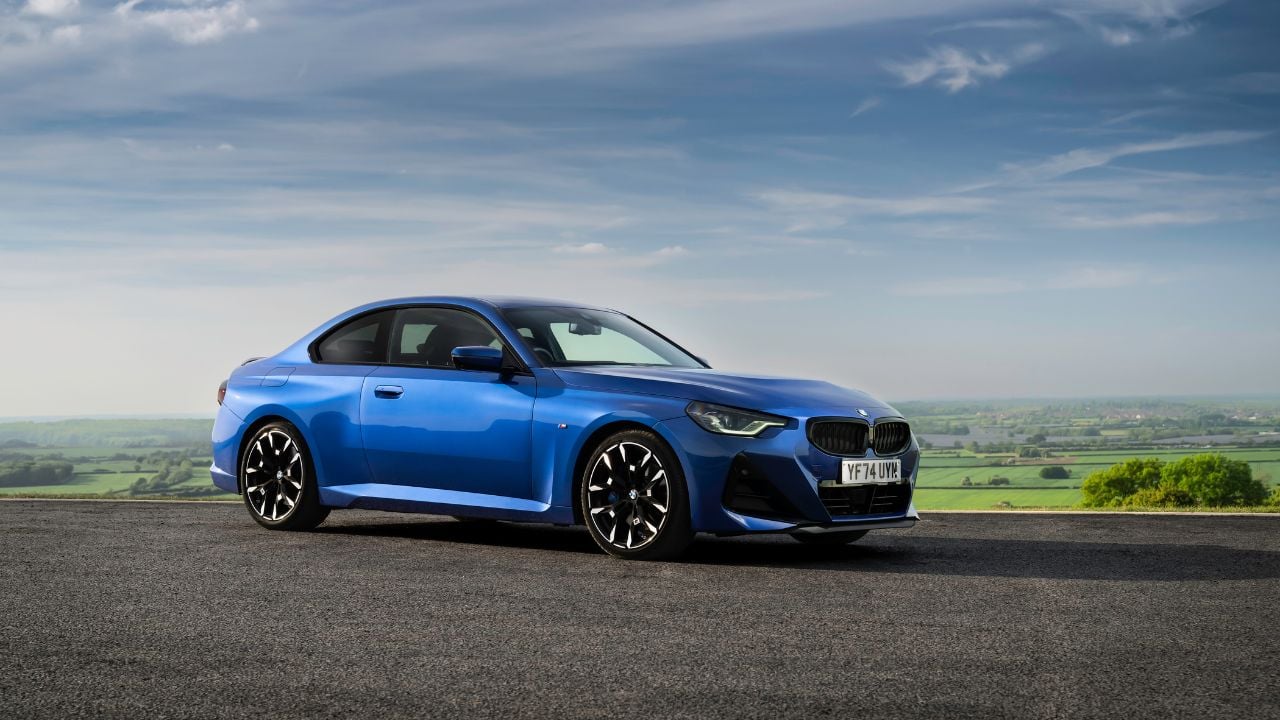
There is something refreshing about the 230i because it refuses to feel bloated or overcomplicated. The EPA guide rates the rear-wheel-drive coupe at 30 mpg combined, and BMW still gives it 255 hp. That would be enough on its own, but the more important part is the car’s shape and attitude.
Car and Driver described the 230i as an everyday car with a secret rambunctious side, and that captures its appeal better than any spec sheet can. It is restrained in appearance, quick in the real world, and still built around proportions that make a compact coupe feel right. That helps it stand apart from heavier, more artificial sport-luxury machines. The 230i feels like a reminder that a small, balanced BMW can still exist.
BMW Z4 sDrive30i
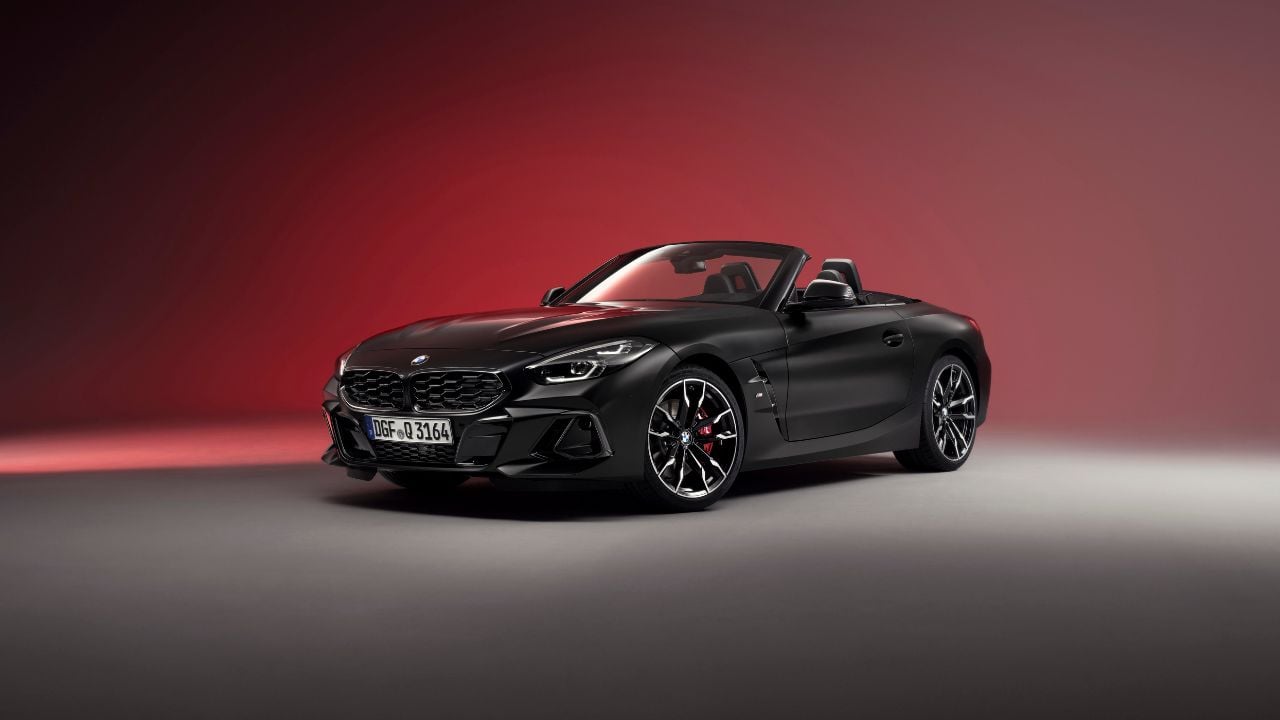
The Z4 sDrive30i earns its place here because it still offers classic sports-car proportions and rear-wheel-drive balance without making fuel economy feel like an afterthought. BMW says the 2026 Z4 sDrive30i uses a turbocharged 2.0-liter four-cylinder making 255 hp, and the brand’s technical data page lists 28 mpg combined. That is a very convincing overlap of pace and thrift for a real two-seat roadster.
Car and Driver says the Z4 is all about top-down driving fun, which gets to the heart of why this car belongs on the list. It is compact, distinctive, and still special enough to make ordinary miles feel like an event. For drivers who want open-air character, credible performance, and fuel economy that stays well clear of old sports-car stereotypes, the Z4 makes a strong modern case.
Honda Civic Hybrid

The Civic Hybrid deserves a place on this list because it shows how far the idea of an efficient fun car has moved. Honda’s current Civic Hybrid makes 200 hp, and the 2026 EPA guide lists the 2.0-liter hybrid Civic sedan at 49 mpg combined. Those numbers would have sounded mismatched not long ago. Car and Driver now describes the Civic Hybrid as efficient, quick in hybrid form, and nice to drive, which explains why it has become such a compelling choice.
It is not a substitute for a dedicated sports car, and it does not need to be. What it offers instead is a modern form of driver satisfaction: clean steering, useful pace, polished road manners, and fuel economy that makes almost every gas-powered hot hatch look extravagant. That is a very persuasive kind of progress.
Toyota Prius

The Prius used to be the car people respected from a distance. Now it is one they actually want to drive. Toyota rates the current front-wheel-drive Prius at up to 57 mpg combined, and Car and Driver says it is still the go-to choice for hypermilers while also being fun to drive quickly. That shift in character is what makes the new Prius so important.
It has the efficiency credentials everyone expects, but it no longer asks you to accept visual anonymity or detached road manners as the price of admission. The shape is sharper, the chassis feels more resolved, and the entire car finally carries a sense of confidence. It is not fun in the old-school roadster sense, but it absolutely belongs in this conversation because it proves that smart and enjoyable no longer have to live in separate garages.
The Best Cars Do Not Force A False Choice
The old assumption was easy to understand. If you wanted real driving enjoyment, you accepted middling MPG. If you wanted strong MPG, you accepted a car that treated driving like a chore.
This group proves that assumption is badly out of date. Some of these cars are light sports machines, some are warm sedans and hatchbacks, and some are hybrids that have quietly become much more engaging than their predecessors ever were. What connects them is not one body style or one badge. It is the fact that they respect the driver and the gas pump at the same time.
That is why this category matters so much now. The smartest fun cars are no longer guilty pleasures. They are simply good cars that understand daily life better than the old stereotypes ever did.