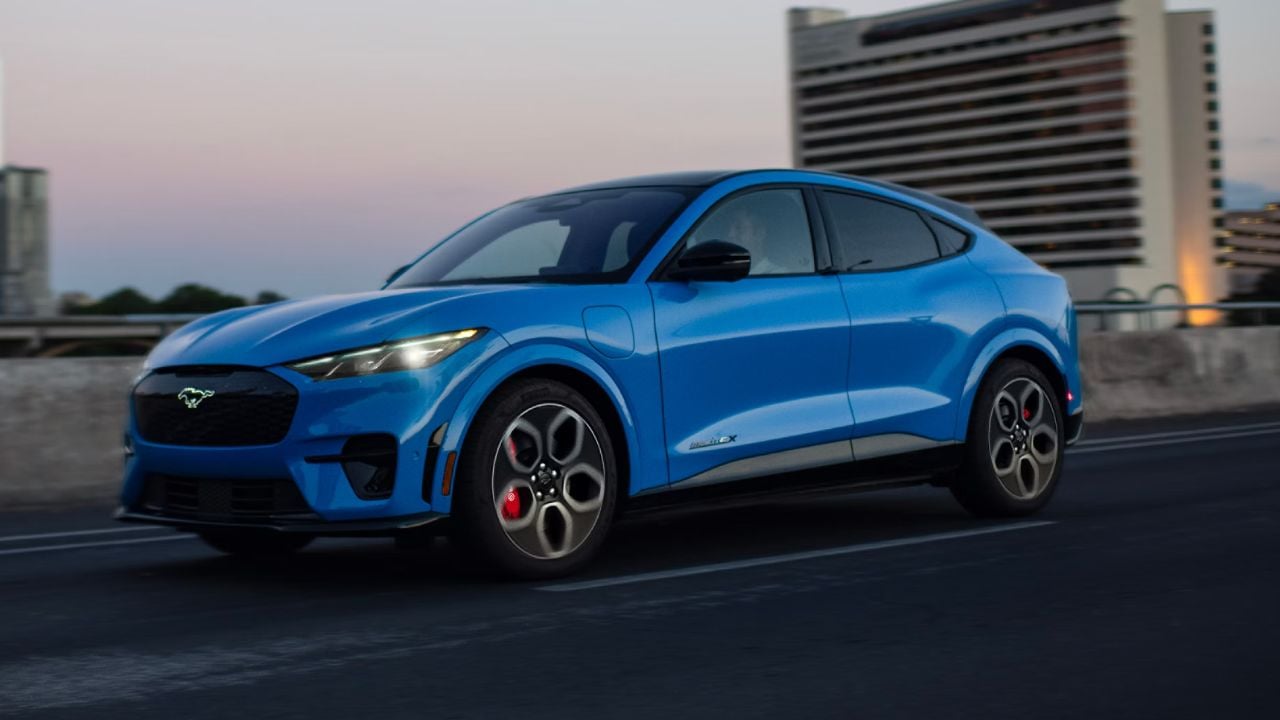
Driving range remains one of the defining topics of the EV era, even as modern electric vehicles continue to improve. Bigger batteries and better efficiency have helped, but real-world range still depends heavily on how the car is used.
That is why drivers can often gain extra miles without making any hardware changes at all. In many cases, a smoother routine, smarter route planning, and a few simple habits can make a noticeable difference.
Some of the most effective tricks are not dramatic. They come from understanding when to coast, how to manage tire pressure, and how to use the car’s thermal systems more intelligently.
For EV owners, that matters because efficiency is not only about the vehicle itself. It is also about how well the driver works with the technology already built into it.
Smooth Driving Matters More Than You Think
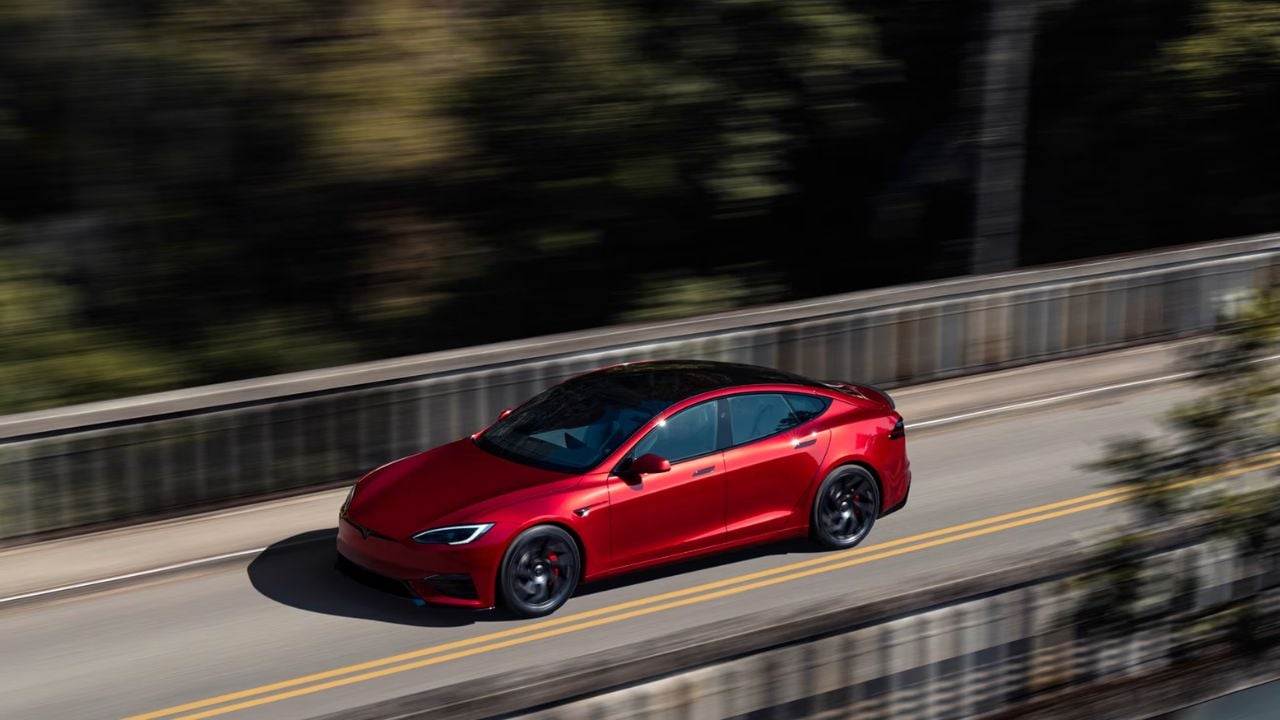
One-pedal driving has become one of the most recognizable EV features. Many drivers enjoy the strong regenerative braking effect that kicks in as soon as they lift off the accelerator, and in city traffic it can be a very useful tool.
On stop-and-go urban routes, that setup often makes sense because the car is constantly slowing down and recovering energy. It also reduces the need to move back and forth between the accelerator and brake pedal, which can make daily driving feel easier and more natural.
But on open back roads or rolling regional routes, smoothness often matters more than aggressive regeneration. In those conditions, coasting can be the better strategy because every time the car slows unnecessarily, it must later spend energy getting back up to speed.
That is why steady inputs are so important in an EV. Gentle acceleration, fewer abrupt corrections, and a cleaner rhythm behind the wheel can often preserve more range than drivers expect.
The key idea is simple: recovered energy is helpful, but it is never completely free. Some of it is lost in the process, so the most efficient move is often to avoid wasting momentum in the first place.
Tires and Aerodynamics Play a Bigger Role
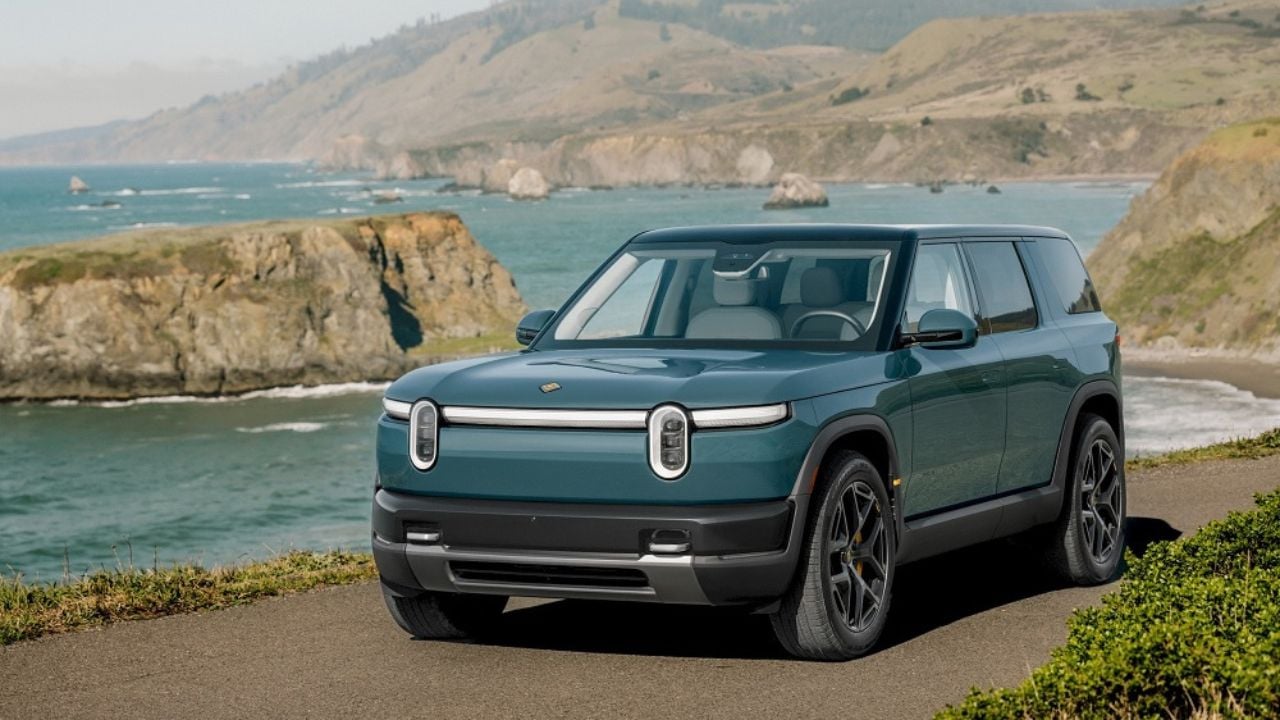
Tire pressure is another area where small details can make a meaningful difference. Underinflated tires increase rolling resistance, which forces the vehicle to work harder and drains more energy from the battery.
Drivers focused on maximum efficiency can usually inflate their tires toward the upper end of the manufacturer’s recommended eco range. That can help reduce resistance and improve consumption, especially on longer trips.
Still, there is a limit to how far that should go. Overinflated tires may roll more easily, but they can also wear unevenly through the center and compromise ride comfort and grip.
Aerodynamics matter just as much, especially at highway speeds. EVs rely heavily on clean airflow, which means roof racks, carriers, and other exterior accessories can hurt efficiency more than many owners realize.
Even wheel choice can have an effect. Factory wheel designs are often engineered to reduce drag and turbulence, so a winter wheel setup that looks good but ignores aero efficiency may quietly take away useful range.
Heat, Cooling, And Preconditioning
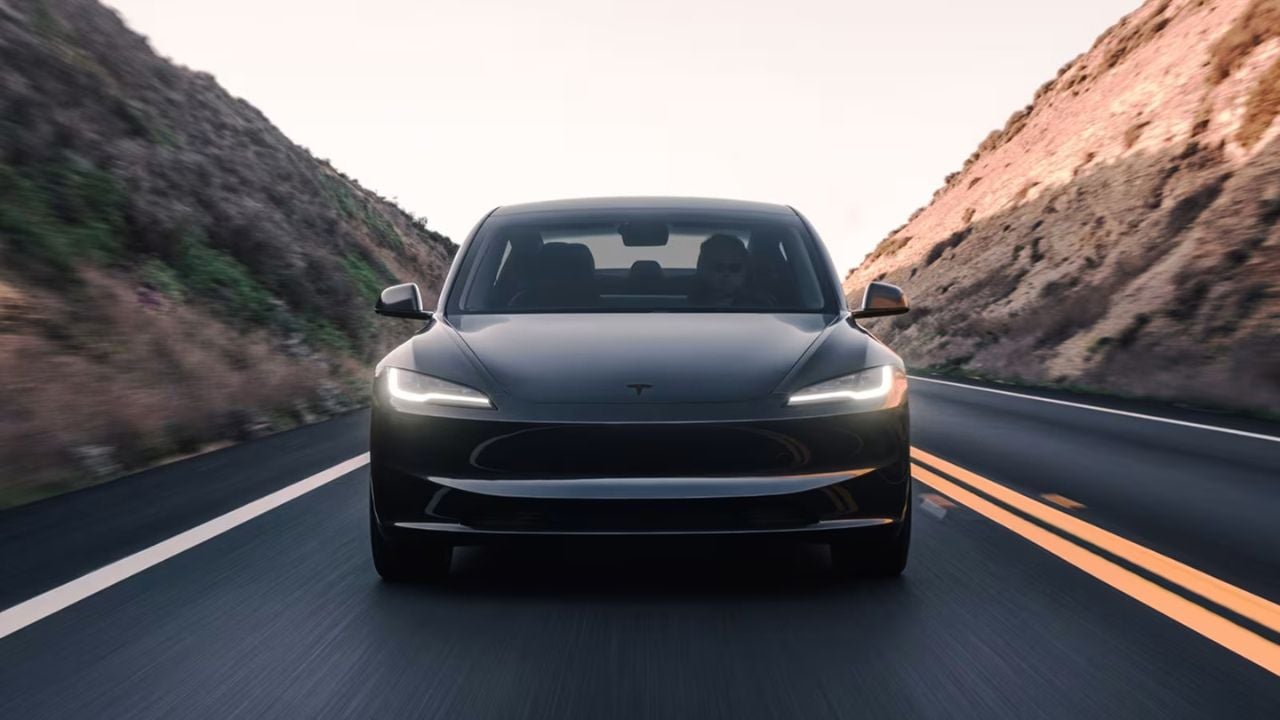
One of the biggest differences between EVs and gas-powered vehicles shows up in cabin comfort. A traditional combustion car can use waste engine heat to warm the interior, but an EV has to draw that energy directly from its battery.
The same goes for thermal battery management. Keeping the battery in the right temperature window also requires energy, which means cold weather and very hot weather can both affect usable range.
That is why preconditioning is so valuable. When the vehicle is plugged in or sufficiently charged before departure, the cabin and battery can often be warmed or cooled in advance using energy from the grid rather than the battery pack alone.
This is one of the clearest examples of where EV apps actually make a real difference. In a conventional vehicle, remote climate functions may feel like a convenience feature. In an EV, they can directly improve efficiency and make the first miles of a trip easier on the battery.
Jumping into a freezing cold EV without preheating it often means the battery immediately starts working harder to bring the cabin up to temperature. A little preparation before departure can help avoid that early energy hit.
Smart Navigation Can Help Charging Too
Battery temperature is also important for charging, not just driving. EVs work best within certain thermal ranges, but the ideal temperature for fast charging is not always the same as the ideal temperature for normal driving.
That is why built-in navigation can be more useful than many people think on longer trips. When drivers enter a route and include a planned stop at a fast charger, some EVs can automatically prepare the battery before arrival.
That preparation helps the battery accept high-speed charging more quickly once the car reaches the station. It is not a universal feature across every EV on sale today, but where it is available, it can make road trips much smoother and more time efficient.
For EV owners, the broader lesson is clear. Extending range is not only about buying the newest model with the biggest battery. It also comes from driving with more consistency, paying attention to tires and airflow, and using the car’s software and thermal systems the way they were designed to be used.
This article originally appeared on Autorepublika.com and has been republished with permission by Guessing Headlights. AI-assisted translation was used, followed by human editing and review.