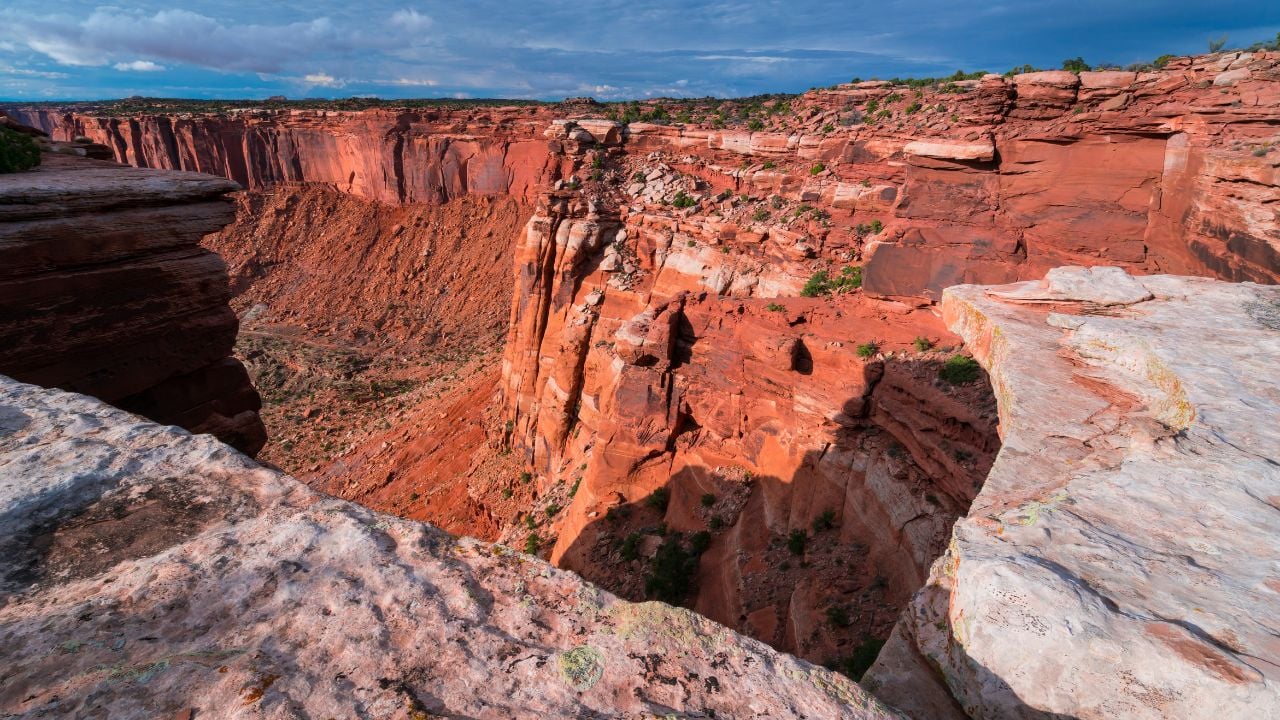
Utah’s five national parks are close enough to build into one road trip, but they reward a plan that respects how different each stop feels on the ground. Zion is infrastructure-heavy and highly managed, Bryce Canyon is easy to sample well in a short visit, Capitol Reef rewards a slower pace, and the Moab pair can quickly turn into long, tiring days if you arrive already worn out.
The smartest approach is not to treat the Mighty 5 like a box-checking exercise. It is to give each park a clear role in the trip, travel west to east with purpose, and leave enough breathing room for shuttles, permits, parking, weather, and the occasional stop that turns out to be better than the one you planned.
In 2026, a few logistics details matter more than they used to. Zion’s shuttle system still controls access to Zion Canyon during its operating season, Arches is not requiring timed-entry reservations, and some international visitors now need to think about the National Park Service’s new nonresident fee rules before they arrive.
That is what makes timing and flow so important here. A strong version of this trip usually means Zion first, Bryce Canyon second, Capitol Reef third, then Moab as your base for Arches and Canyonlands, with at least one flex block left open so a permit window, crowded entrance, storm, or road-condition update does not throw off the whole itinerary.
Choose Your Dates, Then Lock in the Rules First
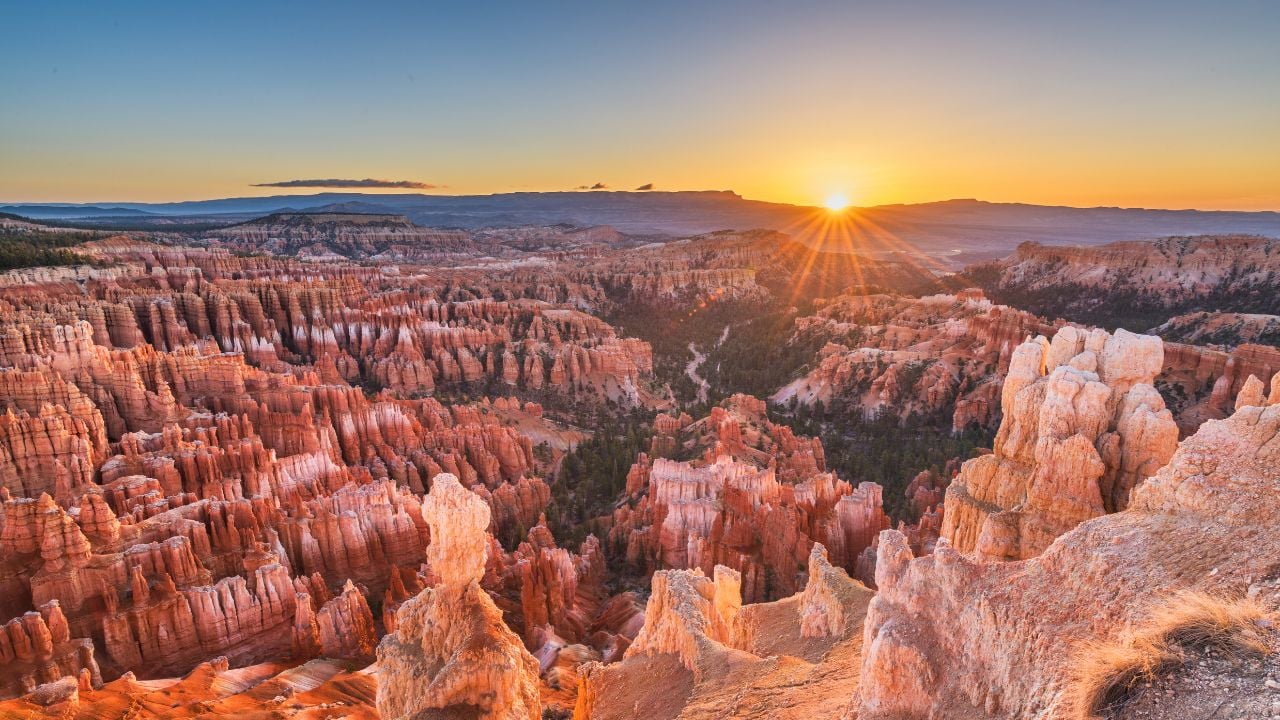
Start by picking a travel window that matches your priorities: peak-energy summer access, cooler shoulder-season hiking, or the quietest stretch you can realistically get. Once those dates are set, check the park rules before you book rooms, because shuttle periods, permit windows, and entrance-fee rules now shape this trip as much as mileage does.
If anyone in your group is a non-U.S. resident age 16 or older, pay special attention to the new fee structure. In 2026, Zion and Bryce Canyon are among the parks charging an additional $100 nonresident fee unless you enter with a qualifying pass, and the America the Beautiful Non-Resident Annual Pass now costs $250. Knowing that before you leave home is the difference between a smooth entrance and an expensive surprise.
From there, keep the structure simple: Zion, Bryce Canyon, Capitol Reef, then Moab for Arches and Canyonlands. That order reduces wasted driving, makes the route feel more coherent, and leaves you finishing the trip with two parks that share the same base rather than forcing one last hotel move.
Zion: Plan Around Shuttles and Permits, Not Optimism
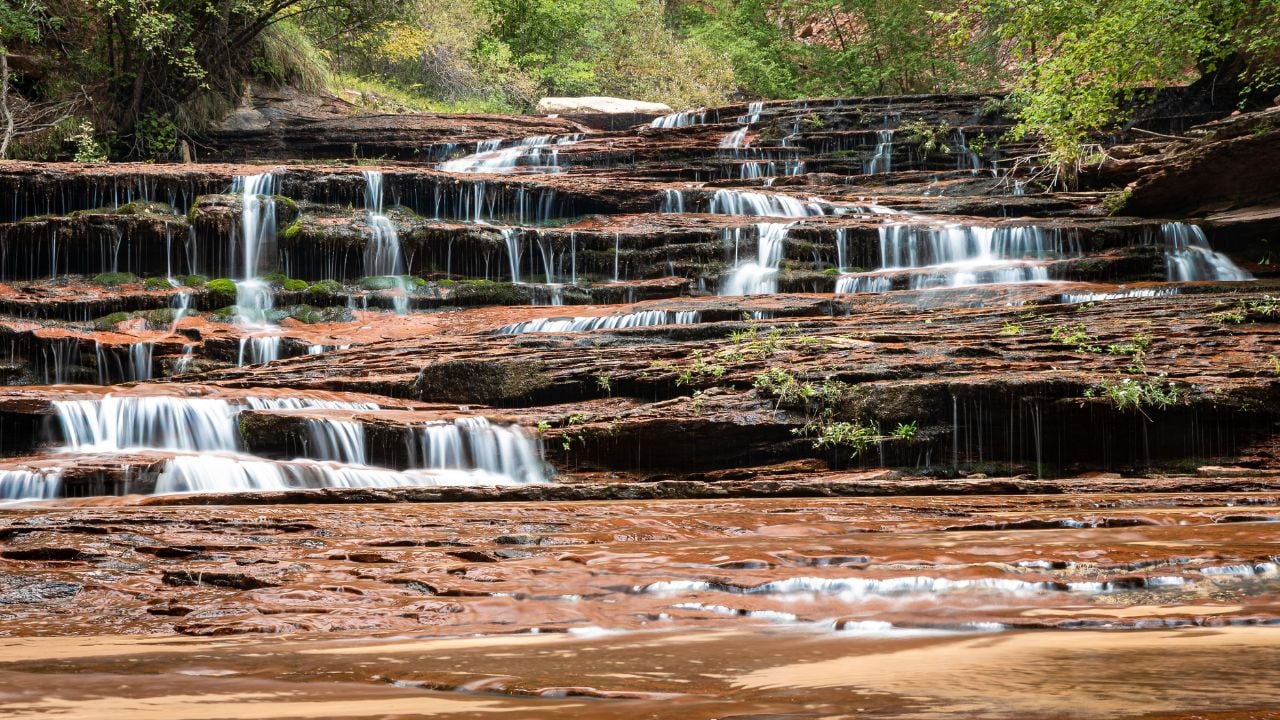
Zion works best when you accept that the shuttle is the backbone of the day. During the 2026 operating season, the park shuttle handles access to Zion Canyon, and personal vehicles cannot use the scenic drive while shuttle service is running, so the most efficient move is to arrive early, park once, and build the day around that system rather than fighting it.
If Angels Landing is on your list, treat it like a permit project, not a maybe. Apply first, then arrange the rest of your plan around the time slot you get. Everyone else should still watch the clock carefully, because long waits and a full canyon can make Zion feel far less spontaneous than people imagine from the photos.
Bryce Canyon: Let the Shuttle Do the Work
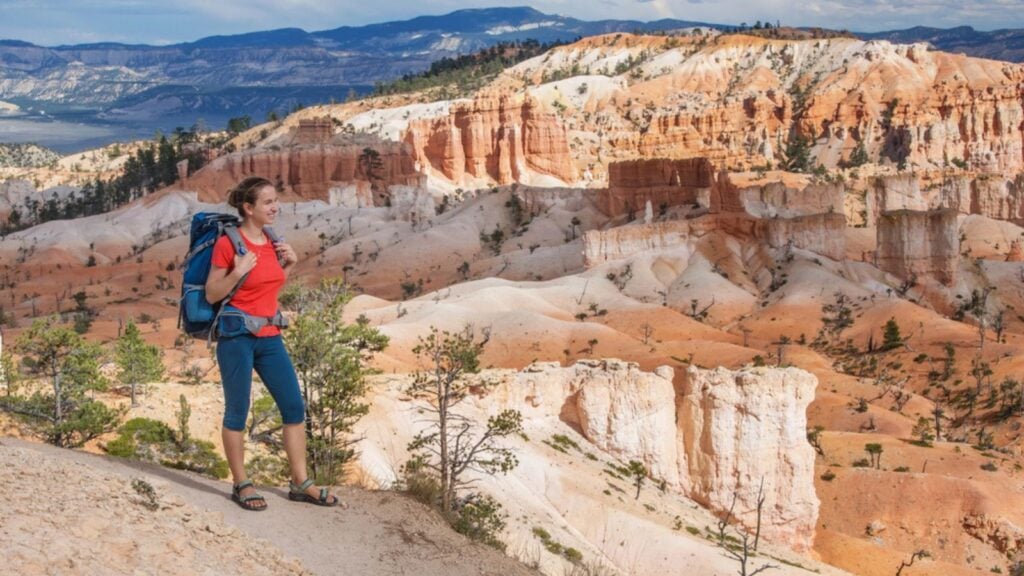
Bryce Canyon’s shuttle makes this park much easier than first-timers expect. In 2026 it runs from April 3 through October 18, stopping at the major viewpoints so you can see the amphitheater properly without burning time in parking lots or repeatedly moving the car for short scenic hops.
This is also the best park on the loop for a deliberately lighter day. Pick one rim walk or one descent into the hoodoos, then let the overlooks do the rest. If you want the cleanest light and fewer people in your photos, get there early and treat the first hour as part of the experience rather than something to sleep through.
Capitol Reef: Slow Down and Let the Park Unfold
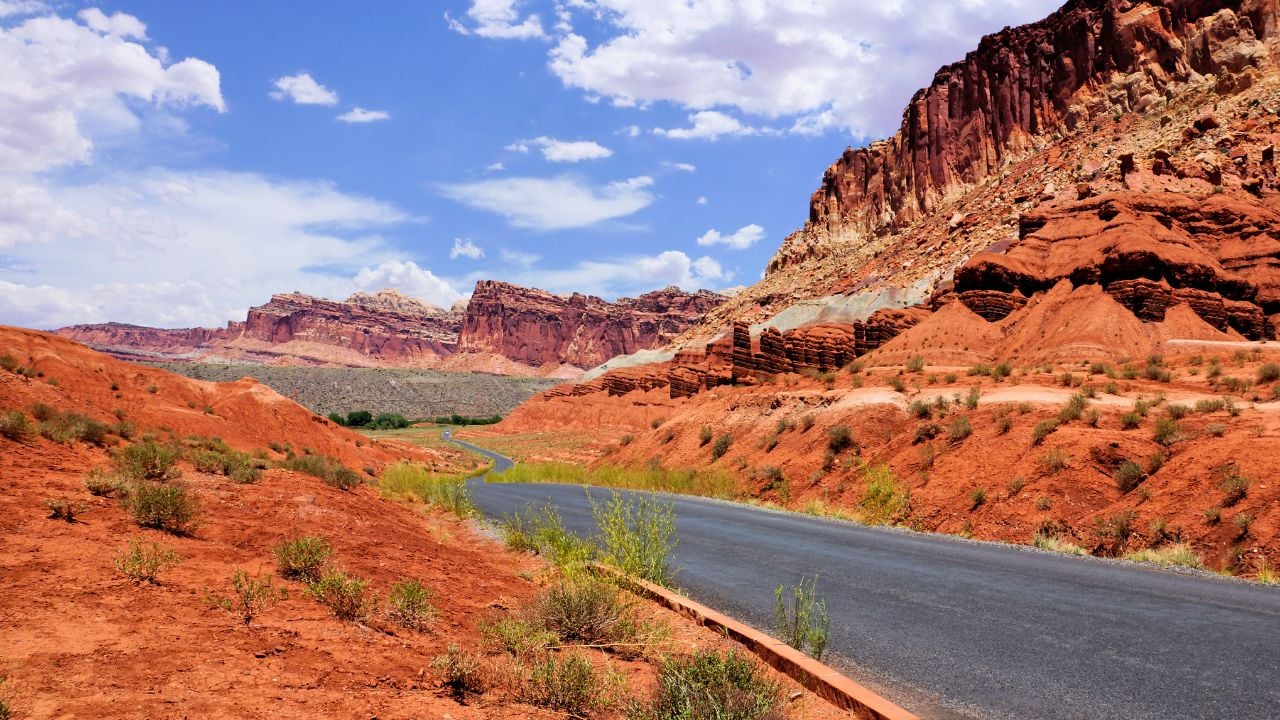
Capitol Reef is the quiet hero of the loop, and it rewards travelers who stop trying to maximize everything. The park’s Scenic Drive is the natural starting point, while the Fruita area gives the park its distinctive mix of geology, history, and orchard-country calm that makes it feel different from every other Utah stop.
The practical reason to stay disciplined here is the road network. Road conditions can change quickly with weather, and some routes that sound casual online are not casual at all once mud, washouts, or clearance requirements enter the picture. For a lower-stress first visit, focus on the paved corridor and officially open 2WD routes, then save the rougher backcountry ambitions for another trip.
The Drive Between Parks Is Part of the Trip
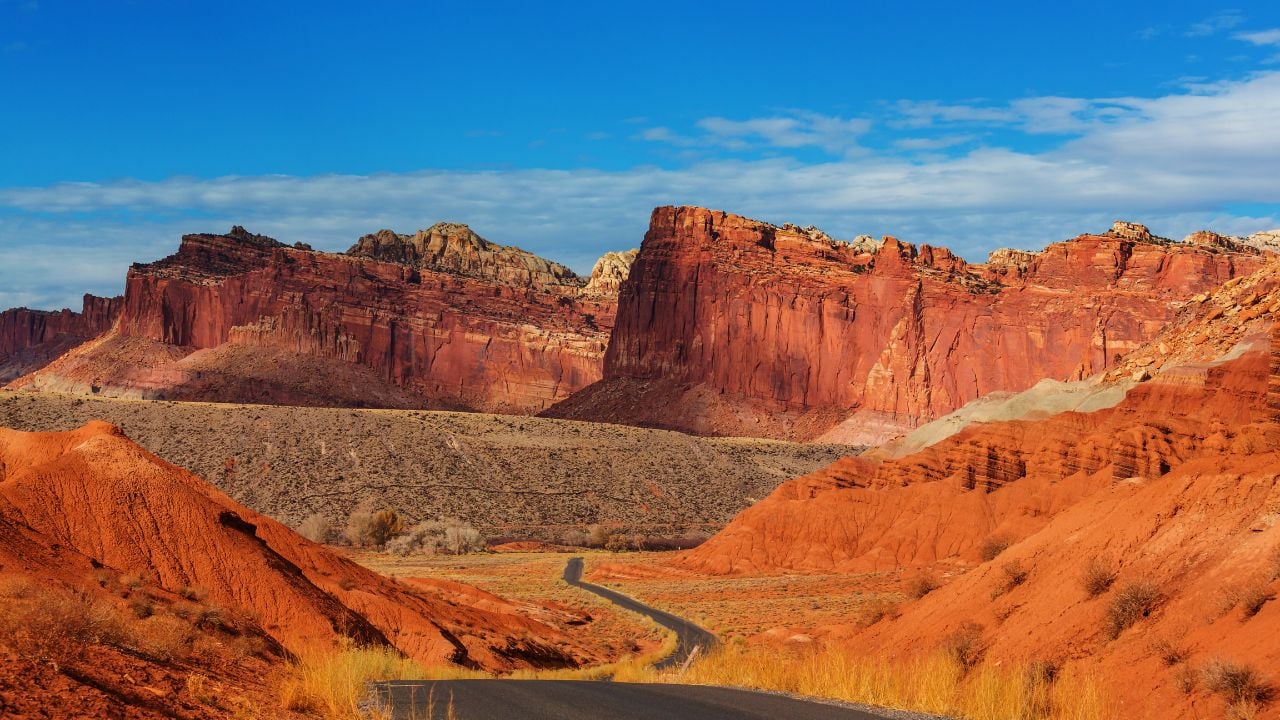
Between Bryce Canyon and Capitol Reef, the route is not filler. Much of the value is in the road itself, especially if you use Scenic Byway 12 as more than a connector and give yourself time for overlooks, pullouts, and the kind of short unplanned stop that would barely register on a rushed schedule.
This is also the stretch where smart pacing pays off. Keep water and snacks within reach, avoid turning every stop into a full production, and try to arrive in Moab with enough energy left for a normal evening. Arches and Canyonlands are both better when you start fresh, not when you are chasing one more sunset after a draining drive.
Arches: The Reservation Pressure Is Gone, but Congestion Is Not
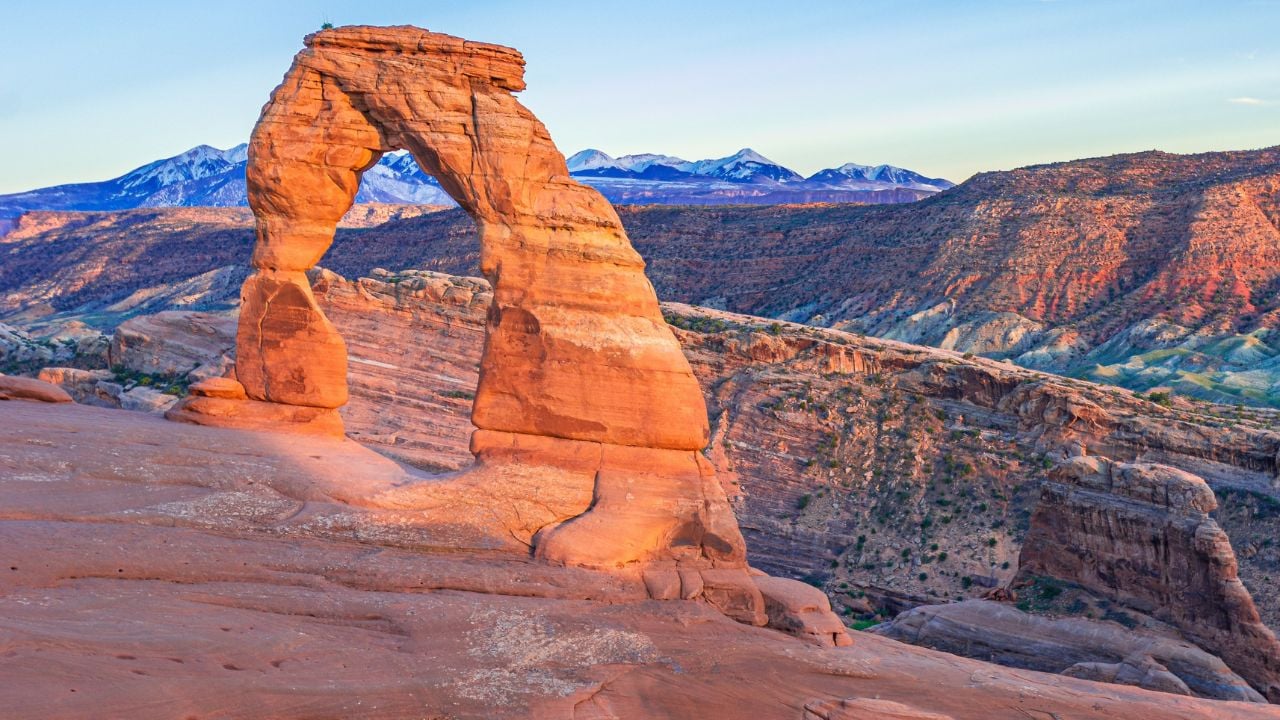
In 2026, Arches is not requiring advanced timed-entry reservations, which makes the planning side simpler than it was in recent seasons. That does not mean the park is friction-free. The National Park Service still warns that vehicles may be diverted when congestion builds, so the best move is still to arrive early or aim for a later, softer window.
Give the day a clear shape: one main hike, one or two iconic roadside stops, and room for whatever catches your eye. If you want the Fiery Furnace experience, use the official permit page and plan ahead, because that part of Arches still runs on reservations even in a year without timed entry for the park itself.
Canyonlands: Pick a District and Do It Properly
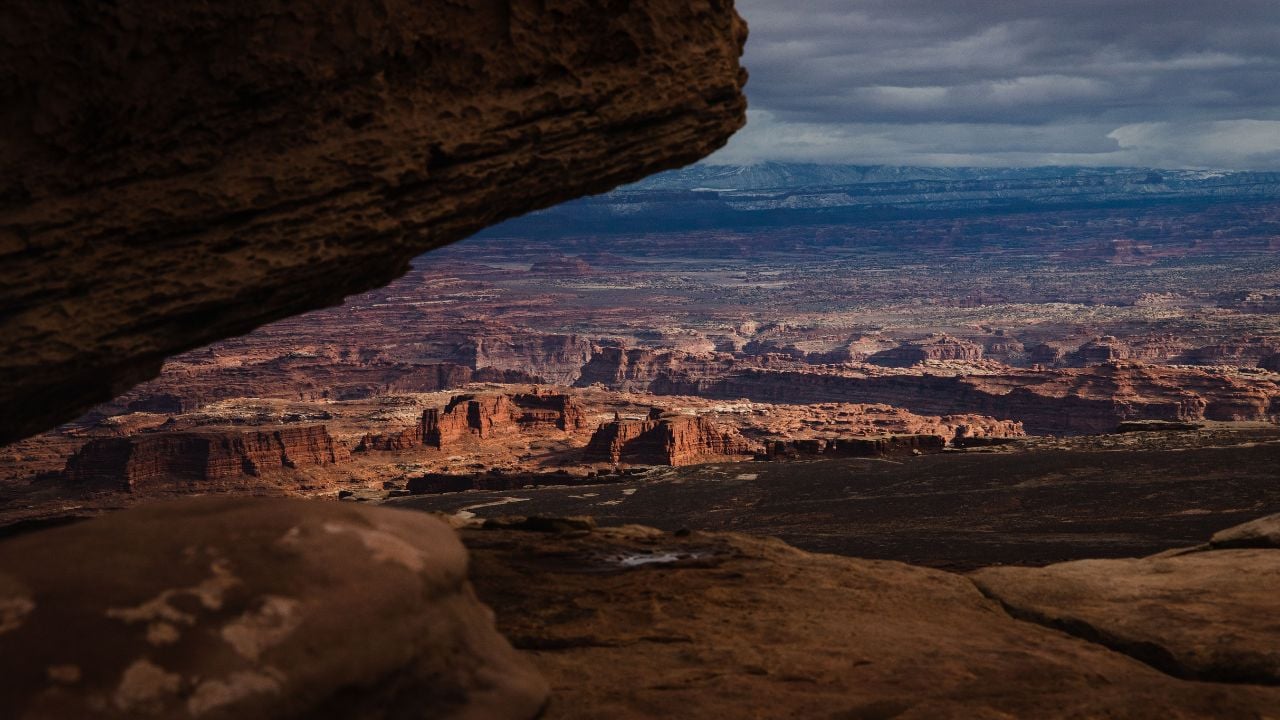
Canyonlands only works when you stop thinking of it as one neat final stop. The park is divided into separate districts, and you have to visit them separately because no roads connect them inside the park. For most first-time visitors, Island in the Sky is the best high-reward choice, with major views, easier access, and a much simpler day than people expect from the photos.
If you want more than that, build around one district instead of trying to force two into the same day. The Needles deserves a proper full-day commitment, while The Maze belongs on a much more specialized, high-clearance itinerary. Canyonlands rewards depth, and that is the final lesson of the whole loop: this trip works best when you leave a little unfinished on purpose.