Modern cars have become rolling computers packed with sensors, connectivity systems, and endless streams of data collection. For some automakers, driver information has become almost as valuable as the vehicles themselves.
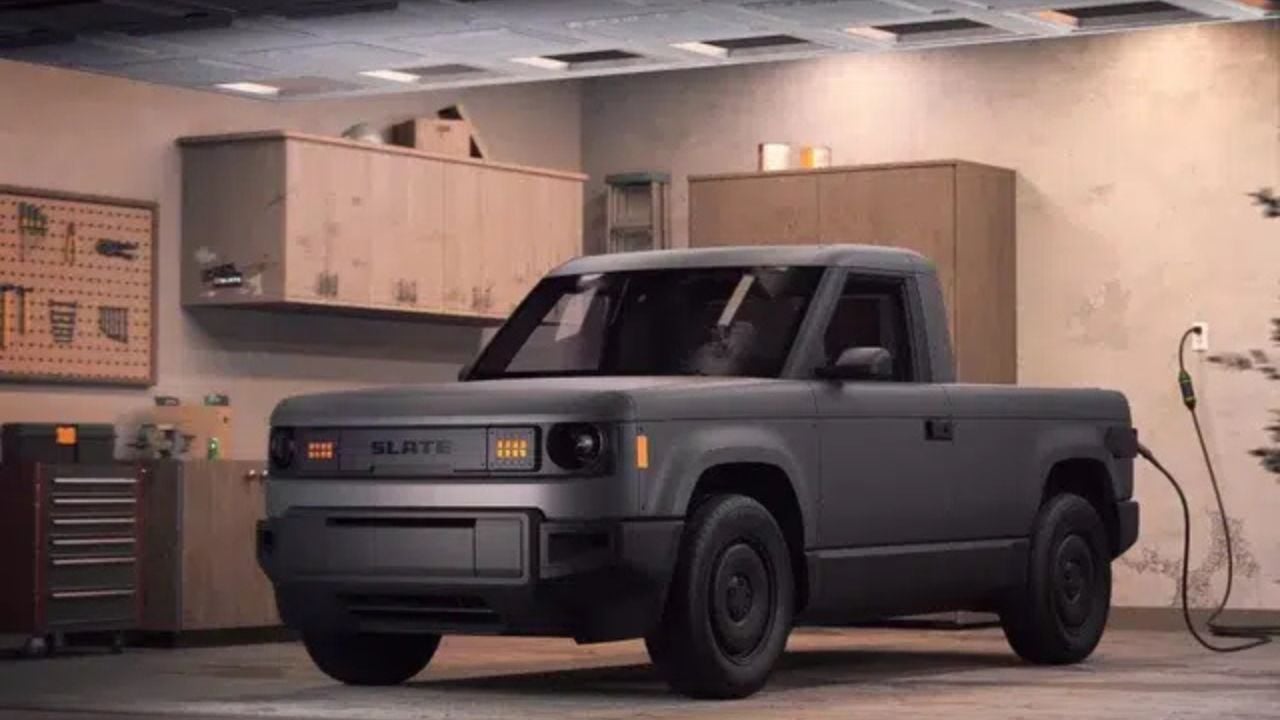
Slate Auto wants nothing to do with that approach. The Indiana-based EV startup says its upcoming electric pickup will not include an embedded cellular modem at all, making constant remote tracking physically impossible.
That means the truck cannot continuously upload your location, driving habits, or behavioral data to the company or outside third parties. At a time when connected vehicles increasingly resemble smartphones on wheels, Slate is intentionally moving in the opposite direction.
The decision is part of a larger philosophy behind the truck itself. Slate is building an intentionally simple EV with manual windows, no infotainment screen, and only the basic technology needed to function as transportation.
No Modem, No Tracking
Slate confirmed to SAE Media that its upcoming electric pickup will rely entirely on a smartphone companion app instead of a built-in modem. The truck itself has no direct cellular connection to the internet.
That means the vehicle cannot “phone home” in the way most modern vehicles do. There is no always-on connection transmitting location data, driving behavior, or usage patterns back to the manufacturer.
A company spokesperson said Slate is not building its business model around harvesting user data. Instead, the startup claims it only wants to collect information directly related to improving the ownership experience.
“Slate is not building the app around data extraction,” the company said. “We collect data to make ownership better, not to turn the owner into the product.”
That stance immediately separates the startup from much of the modern automotive industry. Many automakers now treat connected services and data collection as major revenue opportunities.
A Throwback To Simpler Vehicles
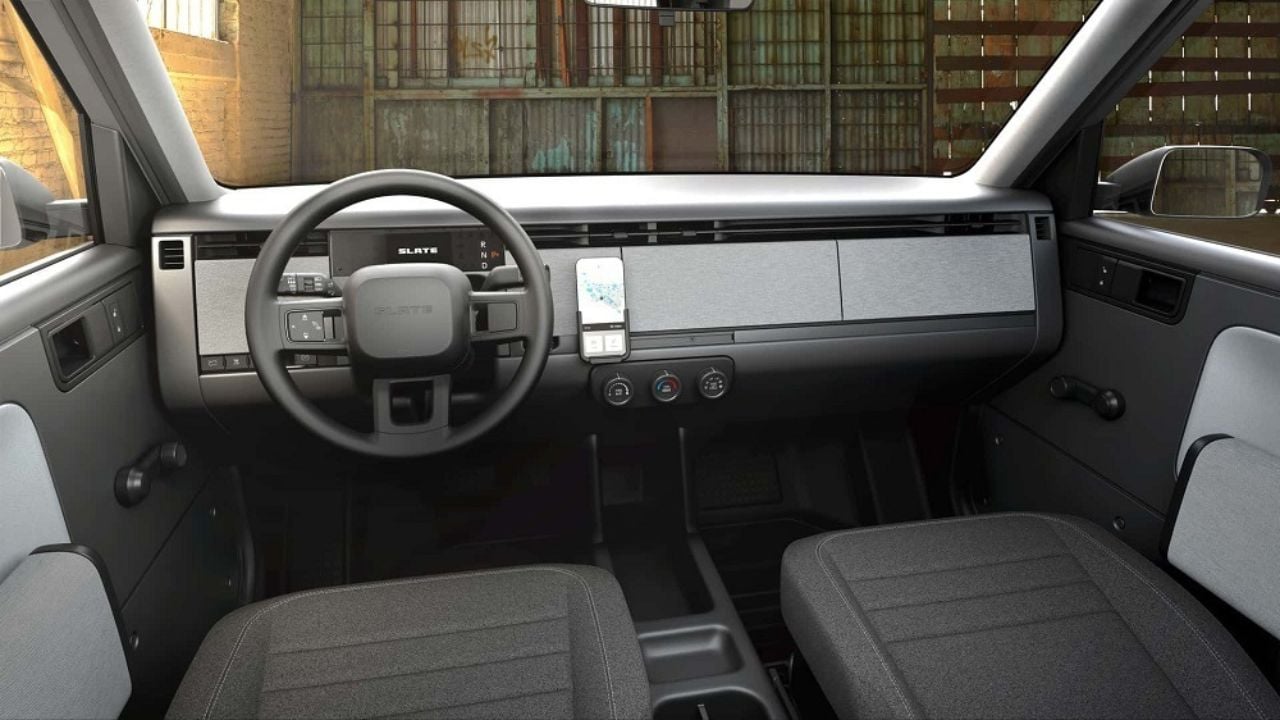
The truck itself sounds almost shockingly minimalist by modern standards. Slate says the entire vehicle consists of roughly 600 parts and avoids many features now considered standard across the industry. There is no built-in infotainment display. The truck also skips power windows in favor of old-fashioned manual cranks.
Instead of designing the vehicle around giant touchscreens and subscription services, Slate wants drivers to bring their own devices if they want connectivity. The company even plans to offer optional Bluetooth speakers instead of a traditional built-in audio system.
The companion smartphone app still handles functions like charging information, diagnostics, drive modes, and vehicle alerts. However, the app only works locally when the user is inside or physically near the truck.
Importantly, drivers do not even need the app to operate the vehicle. Slate says owners can simply leave their phone at home, insert the key, and drive normally.
Privacy Becomes A Selling Point
Slate’s approach comes at a time when automakers face increasing scrutiny over driver privacy. Connected vehicle data has become a massive business across the industry, with some manufacturers facing legal and regulatory backlash for how that information is handled.
General Motors, for example, was recently fined millions of dollars for violating California privacy laws after sharing driver data without proper consent. Federal regulators also restricted the company’s ability to share location and driving behavior data for several years.
Privacy advocates say Slate’s philosophy is refreshing, though they remain cautious about whether such promises will hold long-term. Electronic Frontier Foundation privacy activist Thorin Klosowski told SAE Media that the startup’s approach is exactly the kind of policy many advocates have wanted to see from automakers.
At the same time, he noted that privacy policies can evolve as companies grow or ownership changes. Consumers have seen countless “privacy updates” over the years that gradually expanded how data gets collected and monetized.
Still, Slate’s lack of a modem gives it a major advantage. Without the hardware physically installed in the truck, many forms of remote tracking simply cannot happen.
Betting Against Industry Trends
The automotive industry continues moving aggressively toward connected cars loaded with subscriptions, remote access features, AI assistants, and cloud-based services. Slate is effectively betting that some buyers are tired of all of it.
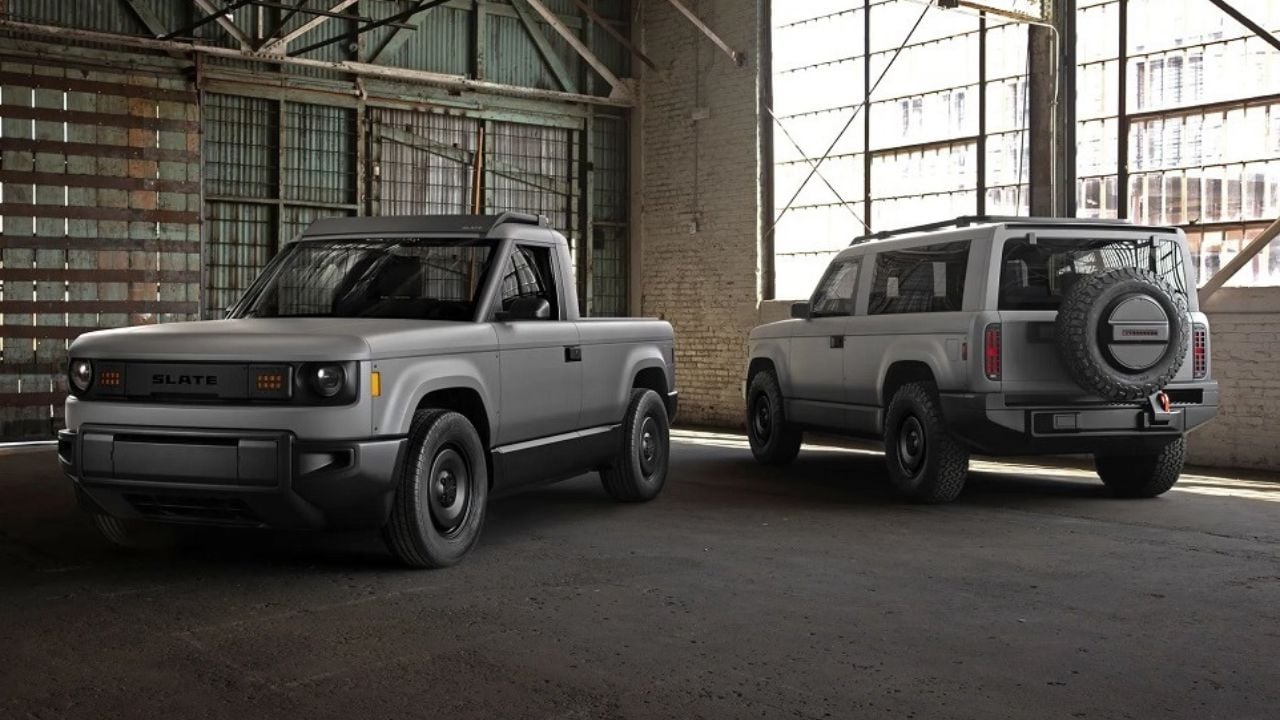
The startup instead plans to make money through accessories, modular upgrades, and customization. Buyers can start with the company’s basic “Blank Slate” truck and later convert it into an SUV or add other upgrades over time.
That modular strategy could help offset the intentionally stripped-down nature of the vehicle. Slate says buyers who want more personalization can add wraps, accessories, and additional equipment later.
Pricing also plays a huge role in the company’s strategy. Slate previously said the truck will start somewhere in the mid-$20,000 range before incentives, although final pricing is expected to be announced on June 24.
Whether mainstream buyers will embrace such an analog approach remains unclear. Most consumers now expect remote start, over-the-air updates, large touchscreens, and smartphone-style connectivity in new vehicles.
Still, Slate may have identified a growing niche of drivers who simply want transportation without constant digital surveillance. Right now, that alone makes the truck stand out.