In the car world, few old sayings survive like “There is no replacement for displacement.” It sounds simple, but the real story is far more interesting.
Engine displacement is the total volume swept by the pistons as they move through the cylinders, and it is set by bore, stroke, and cylinder count.
Bore is the width of the cylinder, while stroke is the distance the piston travels from top to bottom.
Those two dimensions shape how an engine breathes, revs, and delivers its power. That is why two engines with similar cubic inches can feel completely different once you get behind the wheel.
What Bore And Stroke Really Measure

The math starts with a single cylinder. To find its swept volume, you multiply the area of the cylinder bore by the stroke length, then multiply that number by the number of cylinders to get total engine displacement.
That is the easy part. The more interesting part is that displacement only tells you how much volume the engine moves, not exactly how that engine will make its power.
Power and torque are related, but they are not the same thing. Torque is twisting force at the crankshaft, while horsepower is a measure of how quickly that work is done, which is why horsepower rises with torque, rpm, or both.
Why Bigger Bore Often Favors Horsepower
When the bore is larger than the stroke, the engine is usually called oversquare. That kind of layout has long been common in racing engines and many high-performance road cars because it favors higher revs.
A larger bore also gives engineers more room for bigger valves. More valve area usually means better airflow, and better airflow gives the engine a better chance to keep making power as rpm climbs.
The shorter stroke matters too. With less piston travel per revolution, average piston speed stays lower at a given rpm, which reduces stress and helps the engine survive at higher revs, where horsepower is made.
Why Longer Stroke Builds Torque

When the stroke is longer than the bore, the engine is considered undersquare, or long stroke. In broad terms, that setup tends to favor stronger low-rpm torque because the longer crank throw gives combustion force more leverage at the crankshaft.
That same design usually comes with a tradeoff. A smaller bore leaves less room for large valves, so airflow becomes a bigger limitation as engine speed rises.
A longer stroke also raises piston speed at the same rpm, which increases mechanical load and makes very high revs harder to live with. That is one reason long-stroke engines often feel strongest lower in the rev range, where pulling power matters more than chasing a huge top-end number.
Why Real Engines Are Always A Compromise

This is why the old slogan needs context. Bore does not automatically mean horsepower, and stroke does not automatically mean torque, because cam timing, compression, intake design, exhaust flow, gearing, and tuning all shape the final result too.
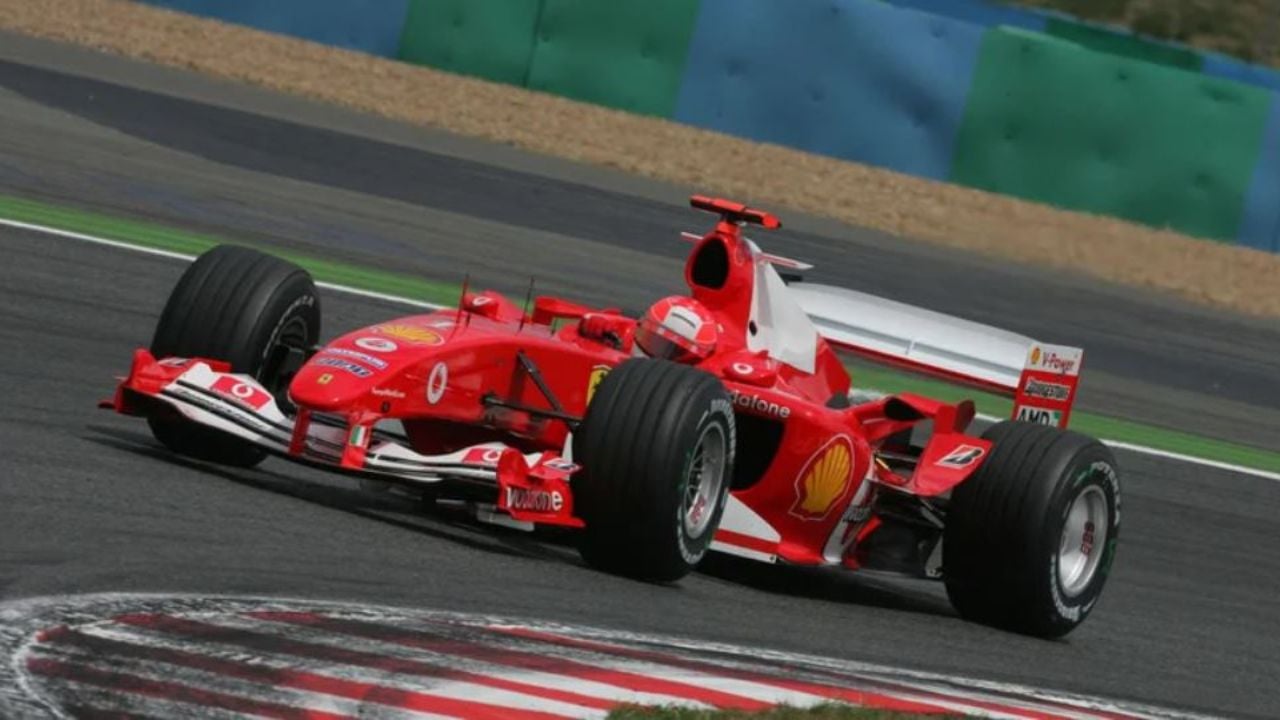
Still, the pattern shows up again and again across the industry. Historic Formula 1 engines leaned heavily toward short-stroke layouts to support extreme rpm, while low-speed marine diesel engines have traditionally used very long strokes because their job is steady pulling force rather than sky-high revs.
That is the real answer to the question. There may be no easy replacement for displacement, but there is also no shortcut around engine geometry, because the relationship between bore and stroke helps decide whether an engine feels eager and high-revving or calm, muscular, and built to pull.
This article originally appeared on Autorepublika.com and has been republished with permission by Guessing Headlights. AI-assisted translation was used, followed by human editing and review.