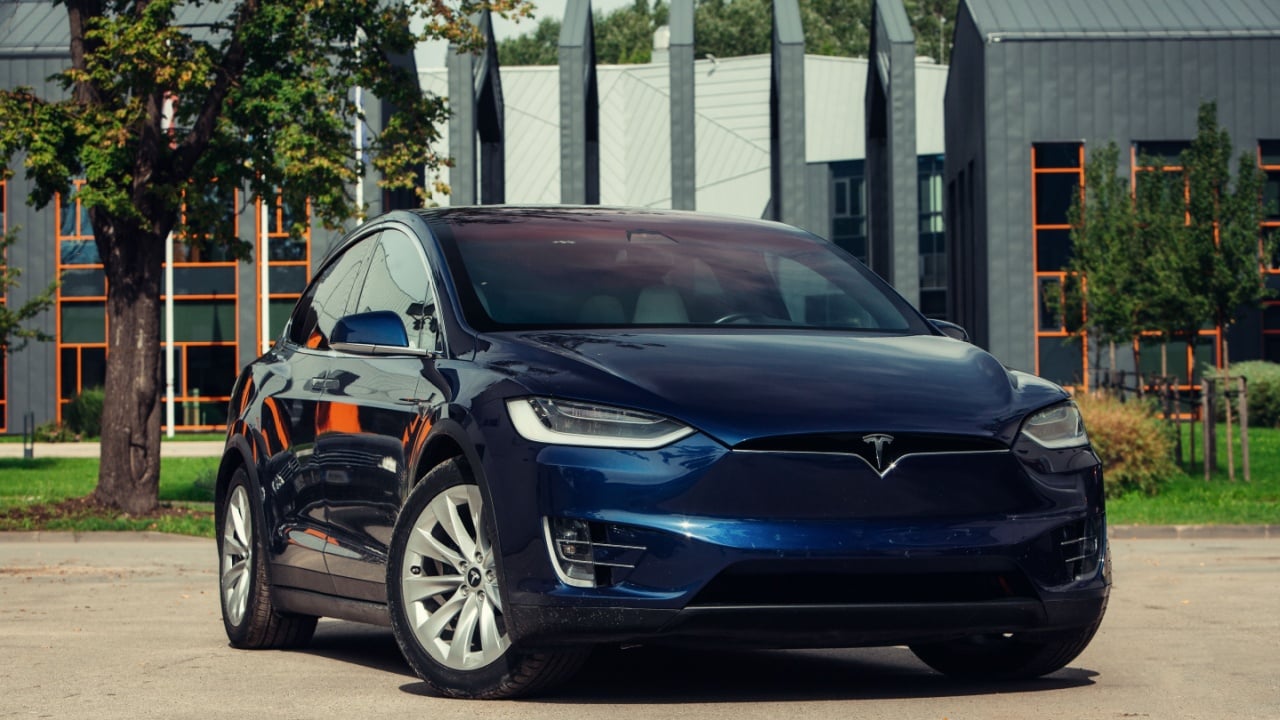
The used Tesla market has become incredibly tempting for budget-conscious EV shoppers in 2026. Prices have dropped significantly from their peak years, making these tech-forward vehicles accessible to buyers who previously couldn’t afford them new.
However, the decision to purchase a pre-owned Tesla isn’t quite as straightforward as snagging a deal on a used Honda. These electric vehicles come with unique considerations that differ from traditional cars, from battery health concerns to software update eligibility. Understanding both the advantages and potential drawbacks can help you determine whether a used Tesla aligns with your needs and expectations.
Let’s explore what makes these vehicles both appealing and occasionally challenging as a used purchase.
Pro: Substantial Price Depreciation Works in Your Favor
Used Teslas have experienced steeper depreciation than many anticipated, which translates to serious savings for secondary market buyers.
Models that sold for $50,000 to $70,000 new just a few years ago can now be found for $25,000 to $40,000 depending on mileage and condition. This depreciation curve has been accelerated by Tesla’s own new vehicle price cuts and increased competition in the EV space.
For buyers willing to sacrifice that new car smell, you’re essentially getting premium electric vehicle technology at mainstream sedan prices. The value proposition becomes even more attractive when you consider that these vehicles still offer features and performance that rival current-year competitors.
It’s one of those rare moments in the automotive market where patience genuinely pays off.
Con: Battery Degradation Is a Real Concern
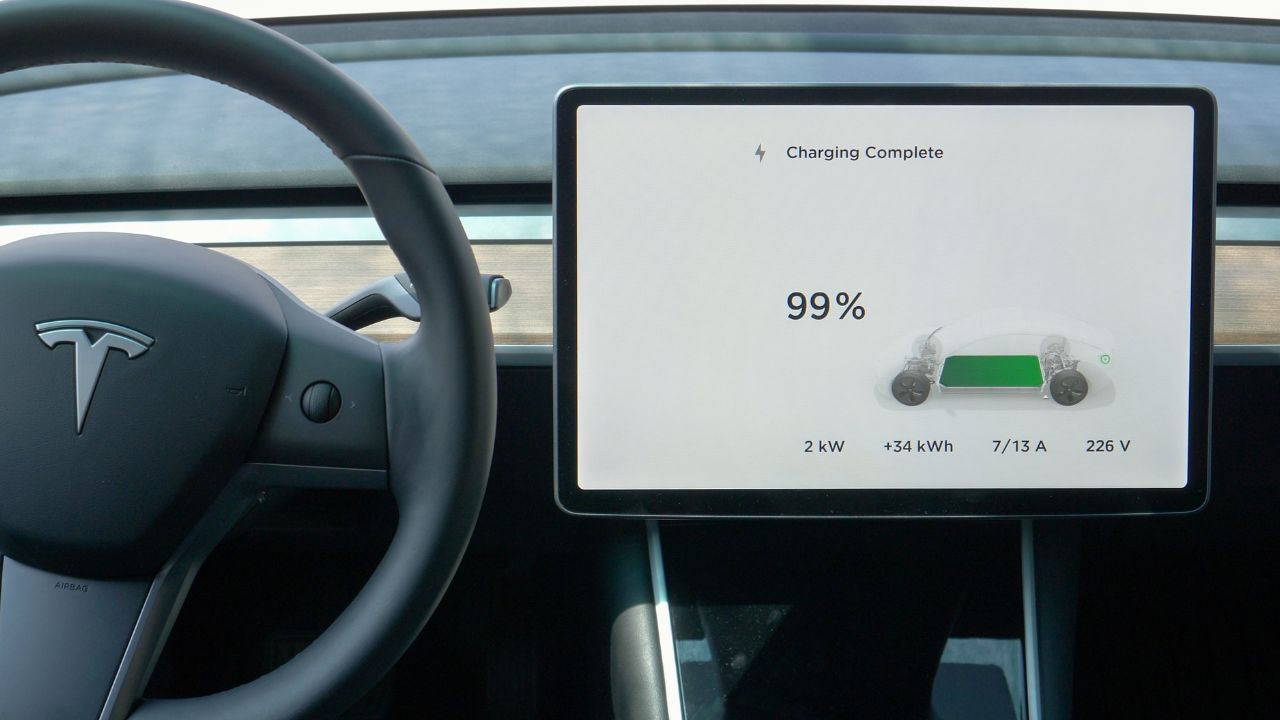
The battery pack represents the heart of any electric vehicle, and it doesn’t last forever.
Most used Teslas will show some degree of capacity loss, but average battery degradation is often only a few % per year, with wide variation based on climate, charging habits, and mileage. Depending on the vehicle and how it was used, a “300 mile range” Model 3 might deliver something like 270-285 miles on a full charge after some years, and cold weather or sustained high speeds can reduce range further.
While Tesla batteries have proven more durable than early skeptics predicted, replacement costs remain eye-watering if you’re outside warranty coverage. Out of warranty battery replacement can be a five figure expense, and costs vary widely by model and what is replaced, sometimes reaching $20,000 or more on larger packs.
Before purchasing, it’s worth getting a battery health report or having a pre-purchase inspection that specifically evaluates capacity retention.
Pro: Lower Operating Costs Than Gas Vehicles
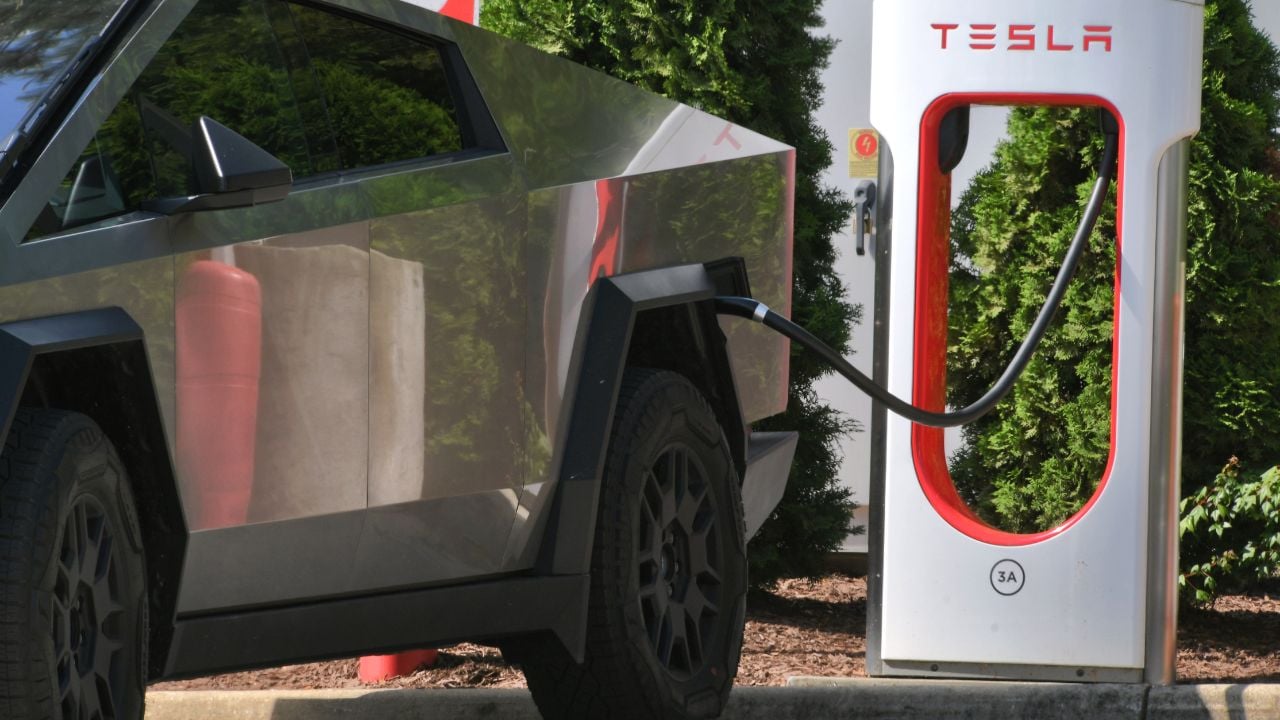
The financial benefits of electric vehicle ownership extend well beyond the purchase price. Many EV owners spend substantially less on energy than comparable gas vehicles, especially when most charging happens at home, but the exact savings depend on local electricity rates, rate plans, and driving habits. Maintenance costs are also dramatically reduced since there’s no oil to change, no transmission fluid to service, and brake wear is minimal thanks to regenerative braking.
You’ll still need tire rotations and occasional brake fluid changes, but the annual maintenance burden is substantially lighter. Insurance costs have normalized somewhat compared to earlier years when Tesla coverage was notoriously expensive. Over three to five years of ownership, these savings can offset much of the initial depreciation hit that the first owner absorbed.
Con: Warranty Coverage May Be Limited or Expired

Tesla’s warranty situation on used vehicles requires careful examination before you commit.
The basic vehicle warranty is 4 years or 50,000 miles, while the battery and drive unit warranty extends to 8 years with model dependent mileage limits. If you buy used directly from Tesla, the company says you may also get an additional 1 year or 10,000 miles of limited warranty coverage after the basic warranty ends.
Many used Teslas available in 2026, particularly 2018-2021 models, are approaching or have exceeded their basic warranty coverage.
This means you’re responsible for any repair costs that arise, and Tesla service isn’t exactly budget-friendly. Some third-party warranty options exist, but coverage can be limited and may exclude the most expensive components like battery packs and drive units.
Always verify exactly what warranty time remains and calculate whether an extended warranty purchase makes financial sense for your specific situation.
Pro: Supercharger Network Access Is Still Unmatched

Tesla’s Supercharger network remains the gold standard for DC fast charging infrastructure in North America.
Tesla says its Supercharger network includes 75,000+ Superchargers worldwide, with wide coverage that makes road trip charging far easier than with many other charging options. The charging experience is seamless, just plug in and the payment happens automatically through your Tesla account.
Charging speeds can be very fast on newer Superchargers, but real world results vary by charger type, battery temperature, and state of charge. While other networks are expanding and Tesla has begun opening Superchargers to non-Tesla EVs, having native access to this mature infrastructure is genuinely valuable.
For anyone who travels beyond their local area regularly, this network advantage shouldn’t be underestimated.
Con: Older Models Miss Out on Latest Features
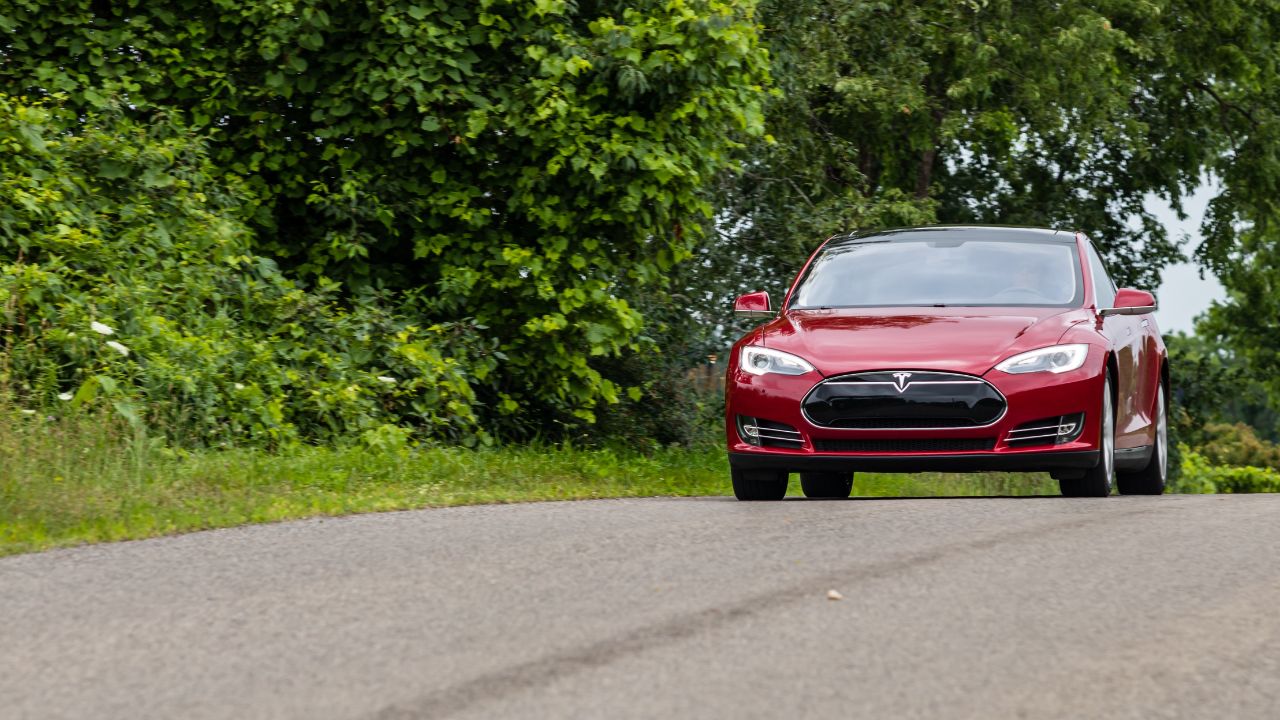
Tesla’s approach to vehicle updates means newer cars often receive hardware and software capabilities that older models simply can’t match.
The difference between a 2018 Model 3 and a 2024 version goes far beyond just cosmetic updates. Newer Teslas feature improved processors, better cameras, updated Autopilot hardware, and refined battery chemistry that older vehicles won’t receive through software updates alone.
Features like the visualizations in newer Autopilot systems, improved voice commands, and certain safety features remain exclusive to later hardware generations. You might find yourself browsing Tesla forums and feeling a twinge of envy when owners of newer models discuss capabilities your vehicle will never have.
It’s the automotive equivalent of buying a three-year-old iPhone, it works perfectly fine, but you know you’re missing some of the latest tricks.
Pro: Proven Track Record and Reliability Data
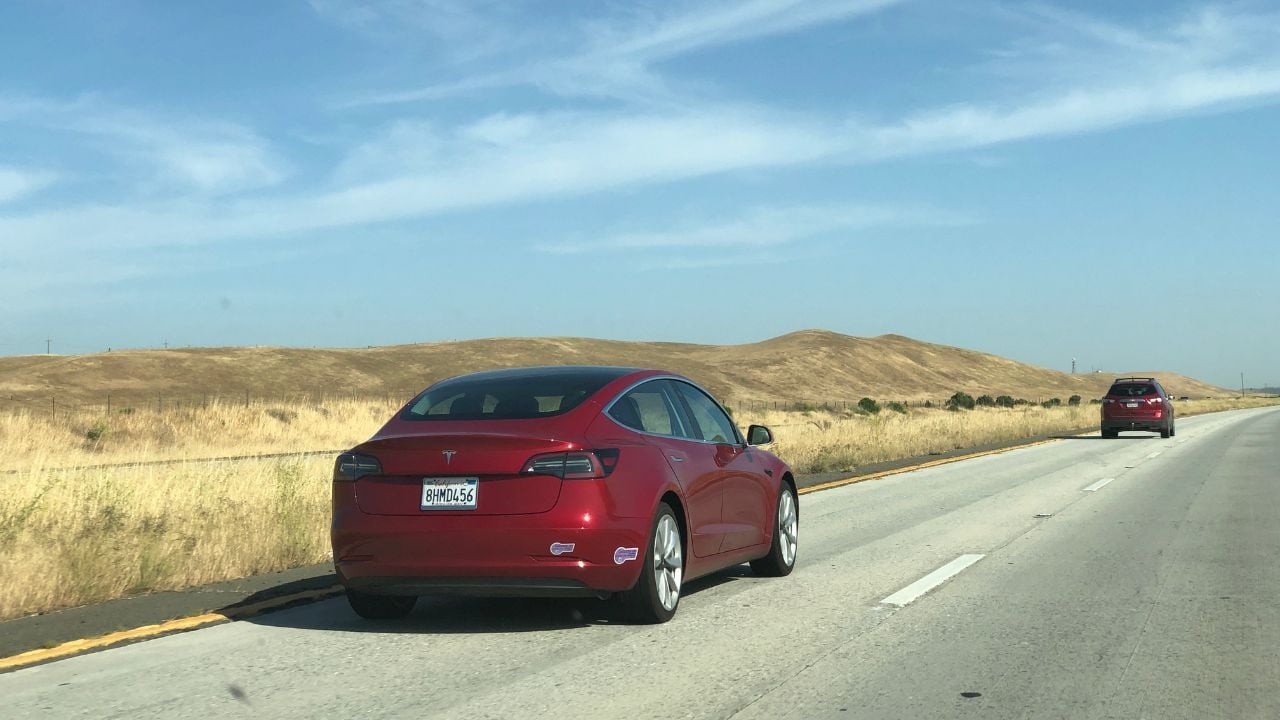
Unlike buying a used vehicle from a first-generation production run, used Teslas now come with years of real-world reliability data.
We know which model years had issues with drive unit replacements, which ones experienced screen failures, and which have held up exceptionally well. There is now a large base of owner data on common Tesla issues by model and model year, but reliability can still vary by year, factory, and individual vehicle history, so service records and inspection matter more than a broad rule.
Online communities like Tesla Motors Club and various Reddit forums provide extensive documentation of common problems and solutions. This wealth of information helps you make an informed decision and set realistic expectations.
You’re not taking a blind leap with untested technology anymore, there’s a substantial paper trail showing how these vehicles age and what typically needs attention.
Con: Build Quality Varies Significantly by Production Period

Tesla’s manufacturing quality has been something of a roller coaster over the years.
Early production examples of various models suffered from panel gap issues, paint defects, and interior trim problems that ranged from annoying to genuinely problematic. While build quality has generally improved over time, there’s substantial variation even within the same model year depending on when and where the vehicle was manufactured.
A 2019 Model 3 built in Fremont during a production push might have noticeably different fit and finish compared to one built several months later. Inspecting any used Tesla carefully for these issues is important, as some problems like paint defects or water intrusion can worsen over time.
What seemed like a minor cosmetic issue to the first owner might become your expensive headache.
Pro: Over-the-Air Updates Keep Software Fresh
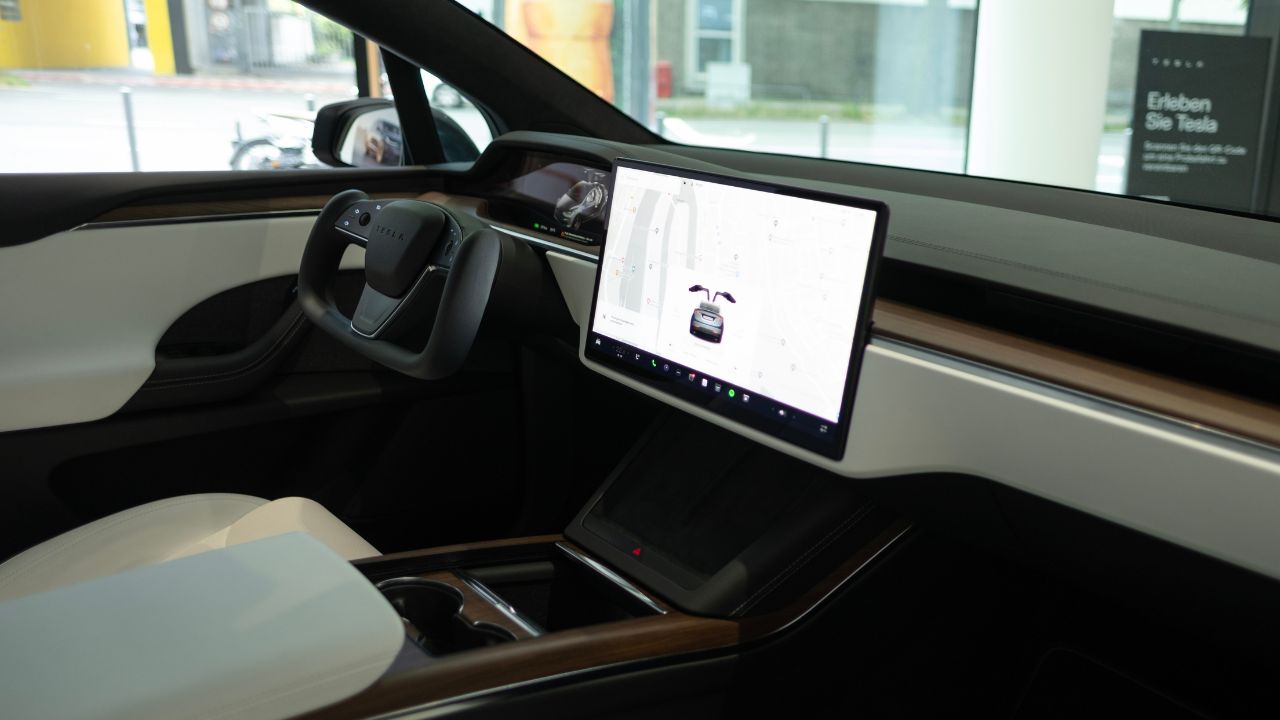
One of Tesla’s most distinctive advantages is its over-the-air software update capability, which continues to enhance vehicles long after purchase.
Your used Tesla will continue receiving new features, performance improvements, and user interface refinements throughout its life. These aren’t just minor tweaks either, updates have historically added substantial functionality like improved Autopilot behavior, new entertainment options, performance boosts, and enhanced efficiency. This means a 2020 Tesla in 2026 operates with far more sophistication than it did when new. It’s the rare used vehicle that actually gets better over time rather than simply aging.
This ongoing software support helps maintain resale value and keeps the ownership experience feeling contemporary even as the vehicle ages.
Con: Repair Costs and Service Availability Can Be Challenging
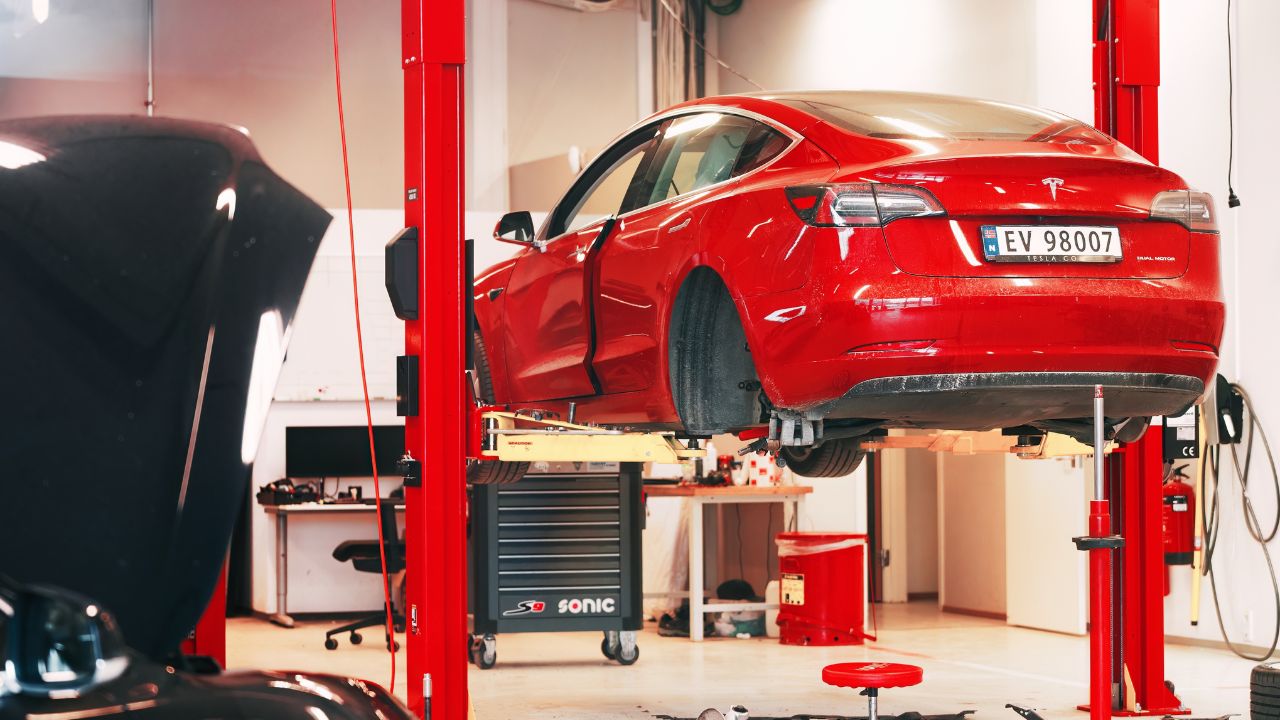
Getting a Tesla serviced isn’t quite as straightforward as taking a Toyota to your local mechanic.
Tesla service centers are concentrated in urban areas, which can mean long drives or wait times for appointments if you’re in a rural location. Independent shops are increasingly capable of handling Tesla repairs, but they may struggle with certain diagnostic procedures or parts availability.
When repairs are needed, costs can be startling, and even relatively minor accidents can be expensive because of sensor calibration, parts pricing, and EV specific repair procedures. Mobile service is convenient when available, but scheduling can be difficult in high-demand areas.
Parts supply has improved but can still involve frustrating delays for less common components, potentially leaving your vehicle sidelined for weeks.
Pro: Performance and Driving Experience Remain Exceptional

Even older used Teslas deliver a driving experience that feels genuinely special compared to conventional vehicles.
The instant torque from electric motors provides thrilling acceleration that never gets old, whether you’re merging onto a highway or just enjoying a spirited backroad drive. The low center of gravity from floor-mounted batteries gives these vehicles surprisingly sharp handling characteristics.
Cabin quietness at highway speeds is remarkable without engine noise, and the minimalist interior design has aged well aesthetically. Features like one-pedal driving with regenerative braking become second nature and make conventional cars feel primitive by comparison.
For many owners, the daily driving experience is so satisfying that it overshadows the various ownership hassles.
Con: Resale Value Trajectory Remains Uncertain

While current depreciation creates buying opportunities, it also raises questions about future value retention.
The used Tesla market has been volatile, with values swinging based on new vehicle pricing, gas prices, and EV incentive policies. If you’re planning to own the vehicle for just two or three years, you could potentially experience further significant depreciation.
The expanding competition in the EV market means your used Tesla will be competing with an increasing number of new electric vehicles at similar price points. Additionally, future battery technology improvements could make current-generation vehicles seem less appealing to subsequent buyers.
Unlike established luxury brands with predictable depreciation curves, the used Tesla market is still finding its equilibrium, making your eventual exit strategy somewhat unpredictable.
Conclusion: A Calculated Risk with Genuine Rewards

Purchasing a used Tesla in 2026 represents a different value equation than buying nearly any other used vehicle.
The substantial upfront savings and lower operating costs create compelling financial logic for buyers who understand what they’re getting into. These vehicles offer genuinely advanced technology and an engaging driving experience that justifies their original premium pricing, now accessible at more reasonable price points. However, potential issues with battery health, warranty coverage, and service logistics require careful consideration and realistic budgeting for possible repairs. The key is approaching the purchase with eyes wide open, get a thorough pre-purchase inspection, verify warranty status, and maintain a contingency fund for unexpected issues.
For the right buyer with appropriate expectations, a used Tesla can deliver years of satisfying electric vehicle ownership at a fraction of the new car cost.