

For years, Chinese electric vehicles (EVs) made headlines for one thing only: their rock-bottom prices. But that narrative is rapidly shifting.
In 2025–26, Chinese EV makers didn’t just force the global industry to reconsider cost competitiveness; they’re now challenging outdated assumptions about quality, reliability, and technological maturity, with growing confidence from buyers, regulators, and world leaders who are increasingly opening their markets to Chinese brands.
Several high-profile industry leaders have explicitly warned that Chinese automakers pose a serious threat to Western car companies, especially in the electric vehicle (EV) space. The most striking comments come from Ford’s CEO Jim Farley, who has repeatedly described Chinese cars as an “existential threat.”
In a Wall Street Journal interview, Farley emphasized: “The Chinese EV industry is the biggest threat to my business. It’s an existential threat to Ford.”

Again, at the Aspen Ideas Summit, he reflected on visiting China’s auto industry: “It was the most humbling thing I’ve ever seen. Their cars have far superior technology, lower costs, and great quality.”
Farley’s repeated use of that phrase “existential threat” underscores that he sees Chinese automakers not just as competitors, but as potentially overwhelming rivals that could upend Ford’s future.
He points out that Chinese EVs are highly competitive globally because they combine advanced tech with lower production costs. Once dismissed as copycats, Chinese automakers are now producing vehicles that rival or surpass Western brands in engineering and design.
When a major U.S. automaker’s CEO openly admits being humbled by Chinese competitors, it signals a seismic shift in global automotive power. Such statements often fuel debates in Washington and Brussels about tariffs, subsidies, and industrial strategy to protect domestic carmakers.
Chinese EVs are already dominating their home market and are expanding aggressively into Europe, Latin America, and Africa.
From “Cheap and Questionable” to Tech-Rich and Reliable
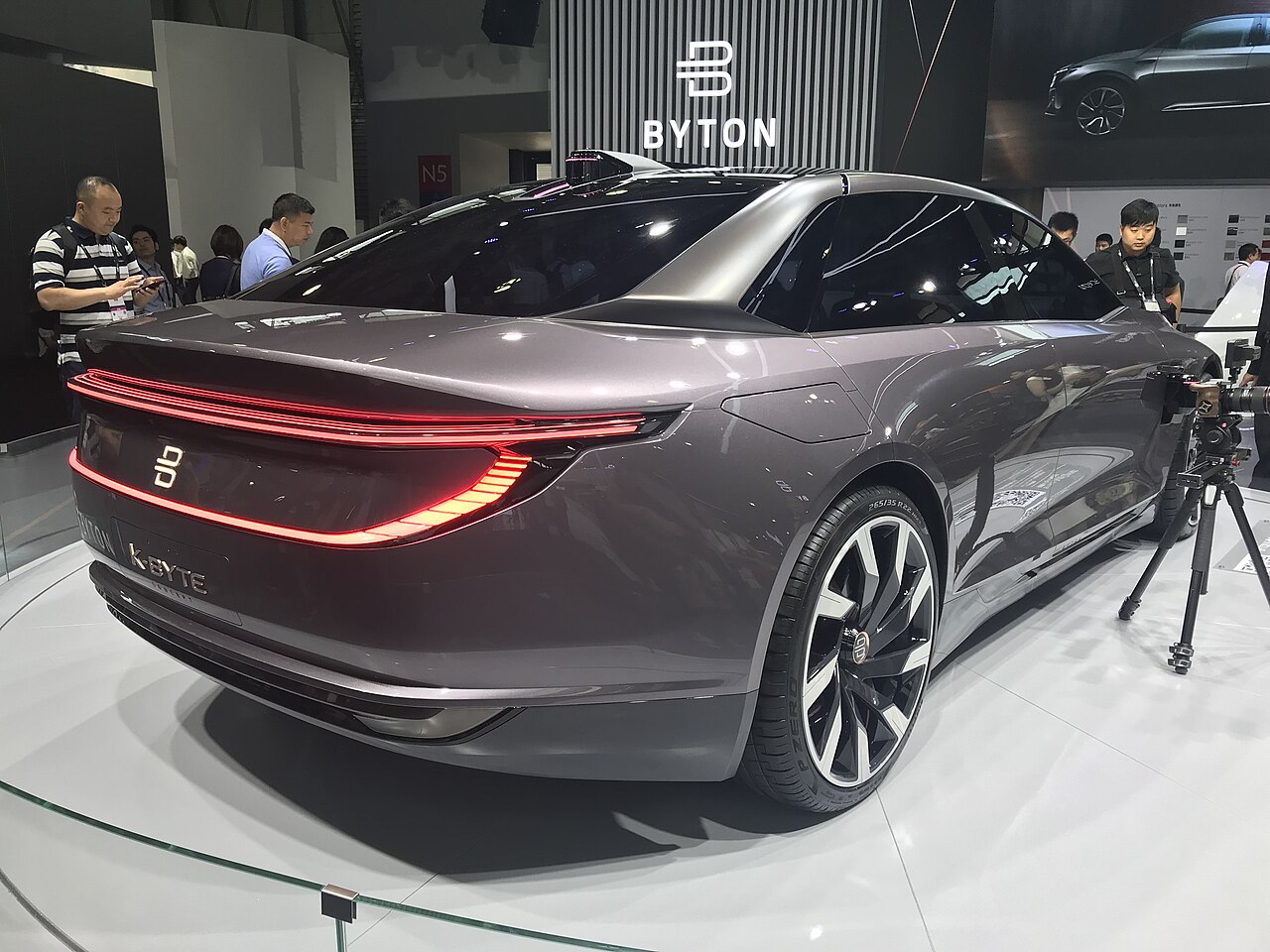
The early wave of China’s EV exports was marked by skepticism. Reviewers and buyers often pointed to inconsistent build quality and software quirks, and for good reason: initial market entries from some start-ups saw quality issues including panel gaps and early software bugs. But that story is evolving fast.
Recent industry and consumer data show that Chinese EV quality is rising meaningfully. According to a China Daily–reported survey, owner-reported quality and reliability satisfaction for New Energy Vehicles (NEVs) hit 80.8 points in 2025, up year-on-year, while performance satisfaction also climbed.
Although the industry still wrestles with intelligent-system glitches and interior quality problems, this shift in satisfaction scores signals real progress toward parity with more established global players.
That improvement isn’t accidental. Massive domestic competition — once nearly 500 EV makers — has forced Chinese OEMs to rapidly refine their quality standards or perish. Today’s survivors must match or beat international rivals not just in price, but in build integrity and long-term reliability.
World-Class Tech, In-House Battery Leadership

Chinese pure EV players are no longer just low-cost assemblers. They are leaders in core EV technologies. For example, battery giant CATL now holds roughly 38% of global EV battery market share, and that position feeds into improved safety, range, and product consistency.
BYD’s proprietary Blade battery architecture (a lithium iron phosphate (LFP) design) has earned praise for thermal safety and longevity, with capacity retention even after long charge cycles. Independent comparisons show Chinese battery architectures rival Western alternatives in many respects.
It’s one thing to claim quality gains, but global sales tell a more convincing story. In 2025, BYD alone beat Tesla’s global deliveries by moving 2.26 million vehicles worldwide, cementing its position as a dominant EV brand across multiple continents.
And Chinese EVs are making major inroads in Europe. Forecasts show that by the end of 2025, particularly in the UK, Chinese automakers could account for one in every ten new cars sold, powered largely by EV and hybrid models.
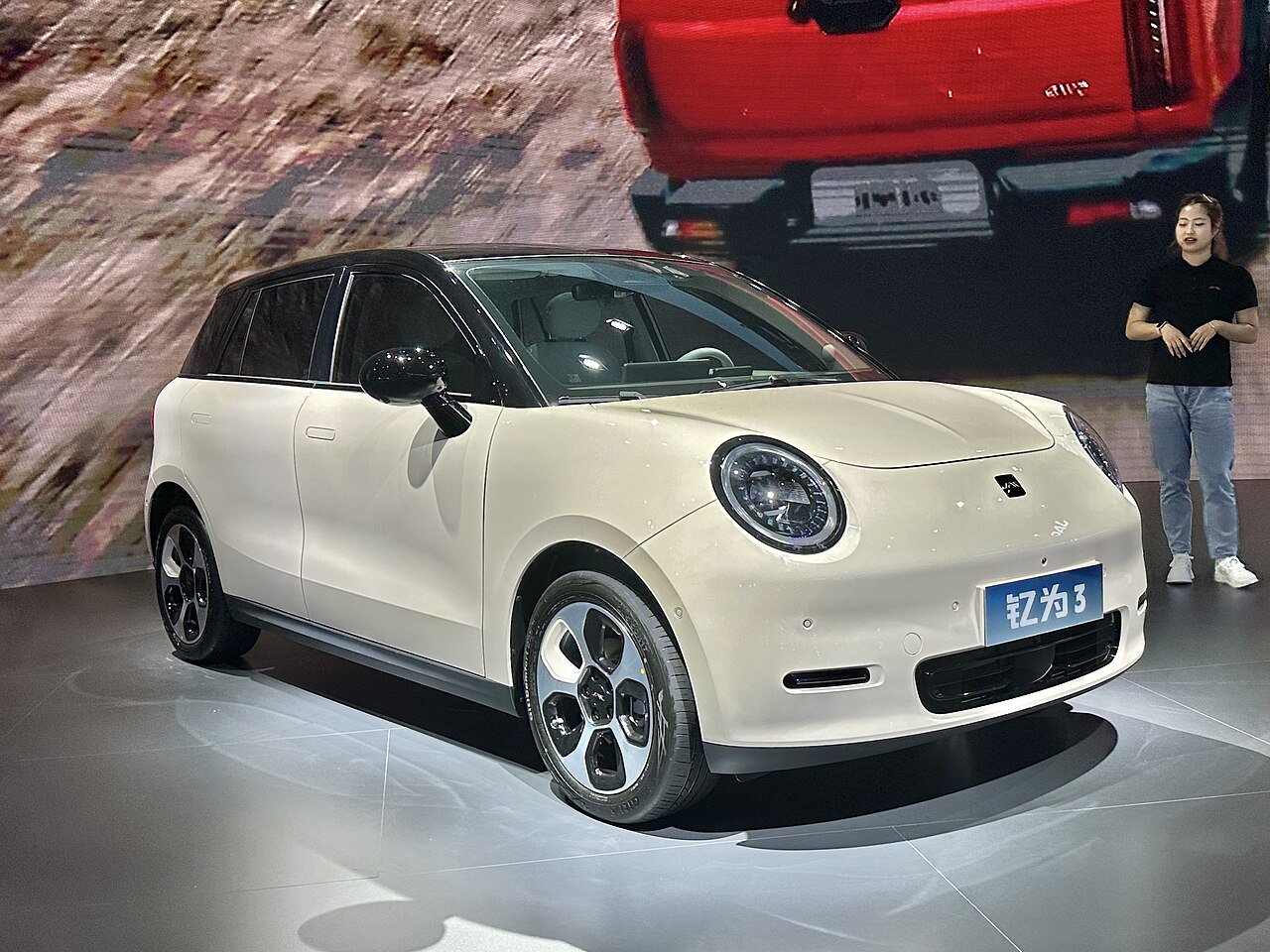
We recently reported that the Chinese-made Jaecoo 7 (fondly nicknamed Temy Range Rover) has quickly become a household name in the UK.
Moreover, strategic moves like BYD’s new assembly plant in Hungary, built to avoid high EU tariffs, demonstrate Chinese players responding directly to quality expectations and local regulatory requirements.
A Shift in Global Perception
Canada recently moved to scrap its 100% tariff on Chinese EVs, replacing it with a more modest rate. That step is widely interpreted as recognition that Chinese EVs offer competitive product quality and consumer value.
Even among skeptical markets, demand isn’t purely cost-driven. In the Gulf Cooperation Council (GCC), drivers have highlighted Chinese EVs’ durability in extreme weather, strong after-sales networks, and solid warranty offerings as factors in growing adoption.
Many Chinese models now meet Euro NCAP 5-star safety ratings, directly countering assumptions that low cost equals low safety or build quality.
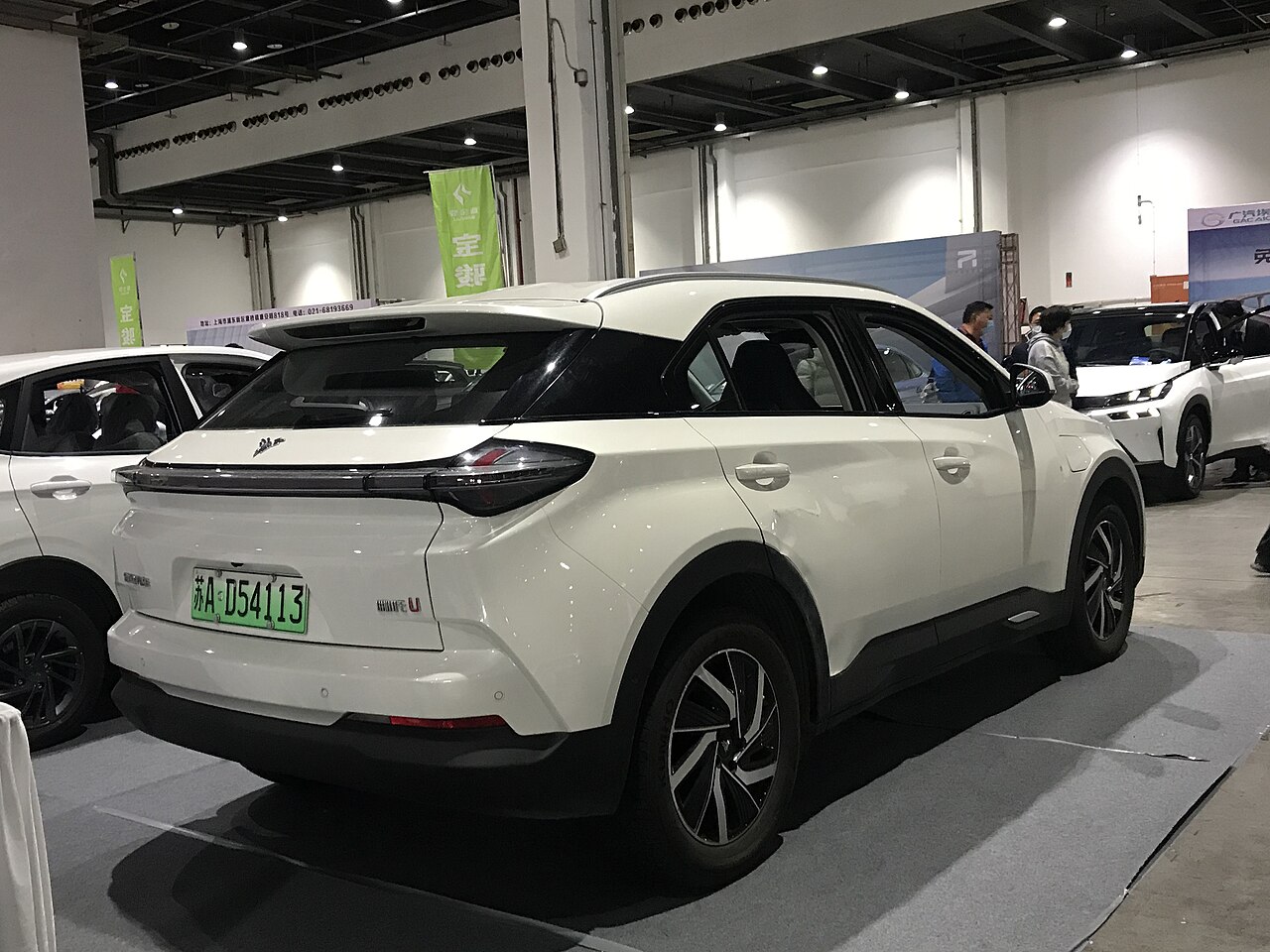
That’s not to say Chinese EV quality is flawless. Independent quality benchmarks, such as J.D. Power’s Initial Quality Study, still show a rise in reported problems per 100 vehicles for domestic brands, especially in software and infotainment categories, compared to international peers.
And high-profile recalls, including more than 210,000 BYD brands due to safety defects, remind industry watchers that rapid growth brings growing pains.
A Genuine Disruption in Quality Perception
So, yes, Chinese EVs are a threat because of their affordability, but their quality has also become the bigger threat. “Cheap Chinese cars” have been around for decades, but it’s only now that the Canadian Prime Minister would be confident enough in their quality to invite China to come sell cars in his country.
What was once dismissed as a threat in price alone has become a more nuanced challenge to the global auto industry. Chinese EVs are now proving that they can compete on cost and on quality, technology, and performance.
That shift is compelling enough that auto shoppers, industry players, and national governments are adjusting their strategies, legislation, and fleets in response.
What do the car manufacturers expect. They went to China to make cheaper vehicles especially VW. They taught the Chinese very well how to manufacture vehicles now it’s coming back to bite them.