
Detroit’s biggest automakers are again brushing up against the machinery of national defense, this time through exploratory talks that could pull General Motors and Ford into the United States military supply chain in a way that looks closer to industrial strategy than traditional contracting.
According to reporting from the Detroit Free Press, senior defense officials in the Trump administration have approached both GM CEO Mary Barra and Ford CEO Jim Farley in separate discussions about whether the companies could help increase production of military equipment.
The conversations, described as early and still undefined, reflect mounting pressure on the Pentagon as ongoing conflicts in Ukraine and Iran strain existing stockpiles of weapons and related hardware.
What the Department of War Wants from Detroit
The idea being floated is not a simple pivot where automakers start building weapons.

Instead, the Pentagon is exploring whether GM and Ford could contribute industrial capacity, particularly in areas where they already have deep expertise, such as stamping, casting, forging, and the production of components using advanced plastics and composites.
Those parts could then feed into a broader defense manufacturing network through established weapons contractors.
At this stage, the talks remain exploratory. No formal requirements have been set, and neither automaker has confirmed any commitment. Ford declined to comment, while GM reiterated its long-standing position that it supports national security efforts but does not engage in speculation.
A Move Rooted in History
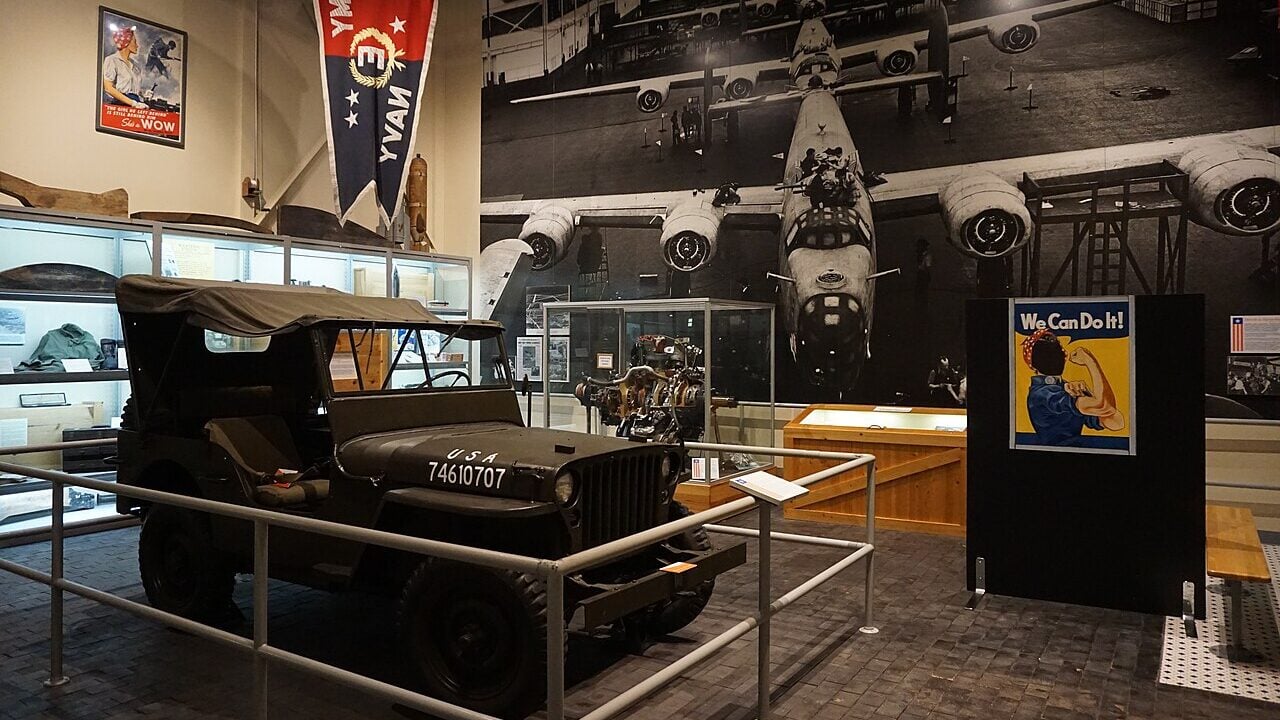
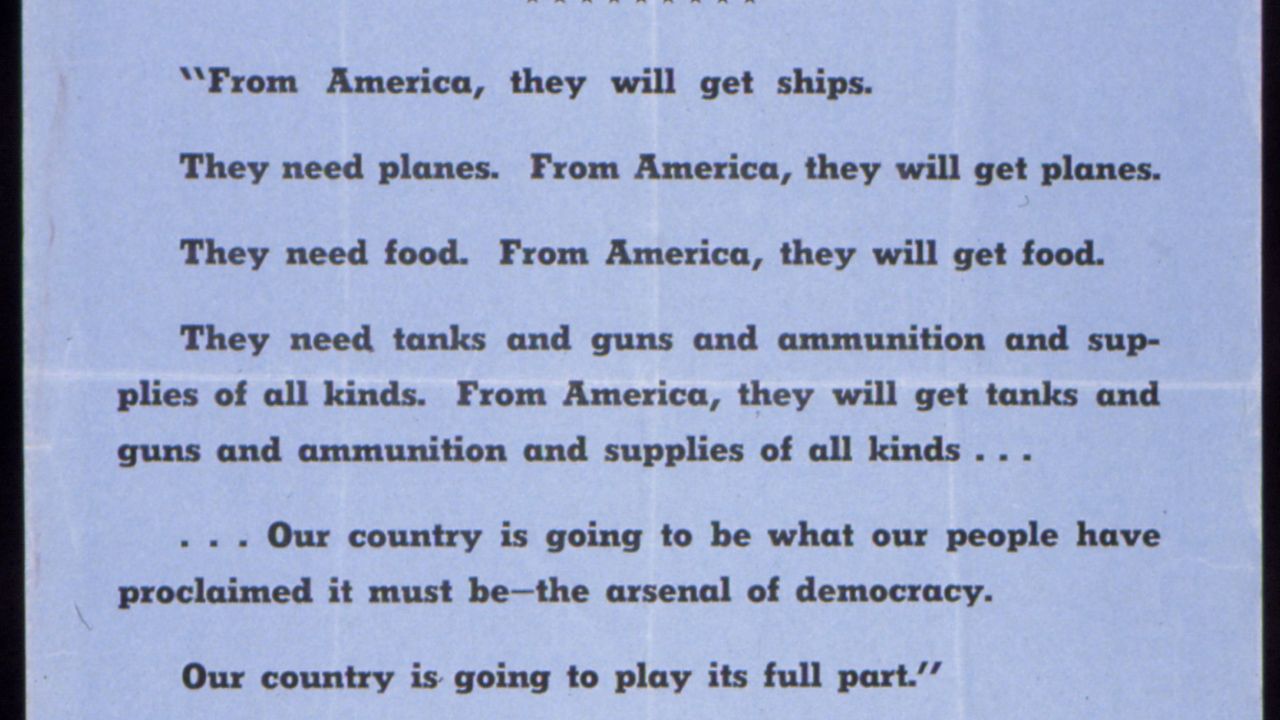
Still, the idea draws heavily on history. During World War I and World War II, the so-called Arsenal of Democracy saw Detroit’s automakers retool entire plants for military output.
Ford’s Rouge complex, which today is synonymous with F-150 production, once supported wartime manufacturing. Ford also played a role in producing Jeep vehicles and aircraft components, including the massive Willow Run operation near Ypsilanti that turned out B-24 Liberator bombers at scale.
GM, meanwhile, converted more than 100 facilities during World War II to produce trucks, aircraft parts, machine guns, and ammunition. Chrysler, now part of Stellantis, also contributed heavily to wartime production.
That legacy still shapes how policymakers view the sector.
The logic is straightforward. If automakers can mass produce millions of vehicles using highly optimized supply chains, robotics, and just-in-time logistics, then portions of that system might be repurposed to help address defense shortfalls in moments of geopolitical strain.
America’s Pressured Arsenal
The current pressure points are tied to prolonged military commitments abroad.
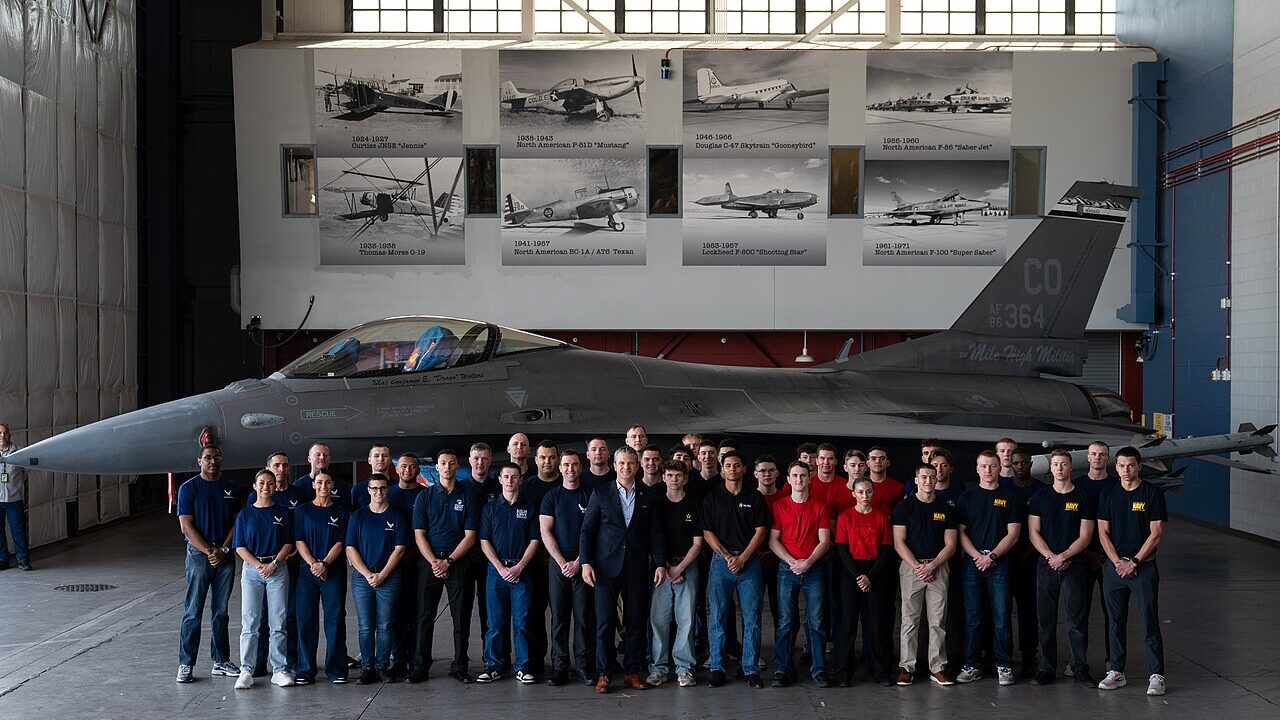
The war in Ukraine, which escalated in 2022, has required sustained supplies of artillery, vehicles, and support equipment. Added to that, ongoing conflict involving Iran has further complicated demand planning.
U.S. defense planners are reportedly concerned that traditional contractors alone may struggle to keep up with replenishment needs across multiple theaters of conflict.
The Free Press reporting notes that discussions with GM and Ford were initiated by Pentagon officials as part of a broader effort to expand the defense industrial base.
A White House spokesperson did not immediately respond to requests for comment, underscoring how preliminary the conversations are at this time.
A Ready Capacity
Interestingly, GM already has a dedicated defense arm. GM Defense, formed in 2017, has secured contracts with the U.S. Army, including a $214.3 million agreement to build the Infantry Squad Vehicle.
It has also won additional government work, including State Department contracts for specialized security vehicles. That existing foothold suggests GM may be better positioned than a typical commercial manufacturer if talks advance.
Ford’s connection is more historical but no less consequential.
The company’s manufacturing footprint, including its long-established Rouge complex, remains one of the most advanced automotive production systems in the United States.
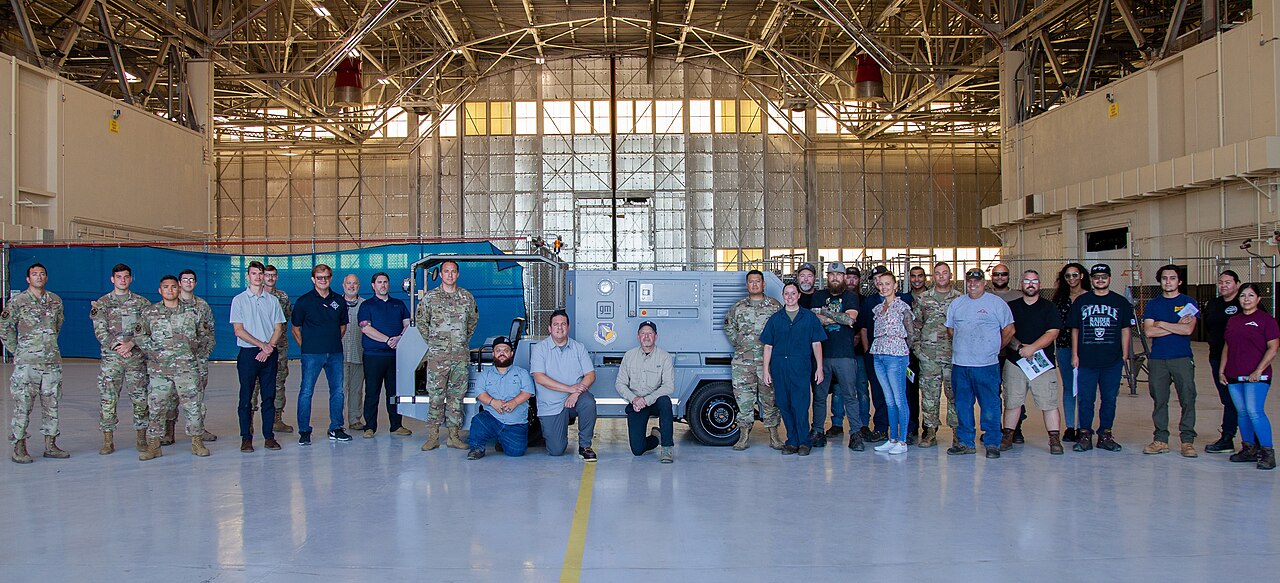
During the COVID-19 pandemic, both Ford and GM demonstrated the ability to shift portions of their operations toward producing ventilators. That alone reinforces the argument that flexible manufacturing capacity still exists within the industry.
The Pentagon’s interest also reflects a broader shift in thinking about industrial readiness.
Officials have indicated in reporting from the Wall Street Journal that the goal is to leverage commercial-scale production capabilities to strengthen supply chains that have been stretched by sustained military demand. In parallel, other defense suppliers such as Oshkosh have reportedly been in talks with the Pentagon to expand output capacity.
Time Will Tell
For now, the conversations with GM and Ford sit in an early phase, closer to capability assessment than contract negotiation. Yet the fronted idea alone carries weighty implications.
If the talks progress, they could blur the boundary between civilian automotive manufacturing and defense production in ways not seen since the mid-20th century.
What’s up for debate right now is whether Detroit’s automakers will view this as a strategic extension of their industrial role or as a diversion from a highly competitive global automotive market already under pressure from electrification, tariffs, and shifting consumer demand.
Sources: DFP