
Only a few years after supply chain snarls first snarled global car production during the pandemic, the automotive industry is facing a new semiconductor threat. This time the cause isn’t a virus or lockdowns. It is artificial intelligence and its voracious appetite for memory chips that has pushed the industry to the brink of another major disruption.
At a recent Wolfe Research summit in New York, Ford’s Chief Financial Officer, Sherry House, acknowledged something unsettling for both car buyers and manufacturers. Memory chips are now a pinch point in global supply, and prices for even basic components like RAM are being driven sharply higher.
According to House, Ford has access to supply for now but is already feeling pressure on pricing as the scarcity bites.
The reason for this pressure is a structural shift in where the semiconductor industry directs its resources. The same memory chips used to power vehicle electronics are indispensable inside the massive server farms training AI models at companies like Google, Microsoft, and OpenAI.
These corporate buyers are offering higher profits and long contracts, so fabricators such as Samsung, SK Hynix, and Micron have been reallocating capacity toward high-end AI demand. That leaves fewer chips available for automotive use.
A ‘Strategic’ Shortage
This dynamic is very different from the pandemic era chip crunch. Back then, supply chain bottlenecks and shutdowns caused an unexpected imbalance between supply and demand for a broad range of chips. Today, the imbalance is intentional.
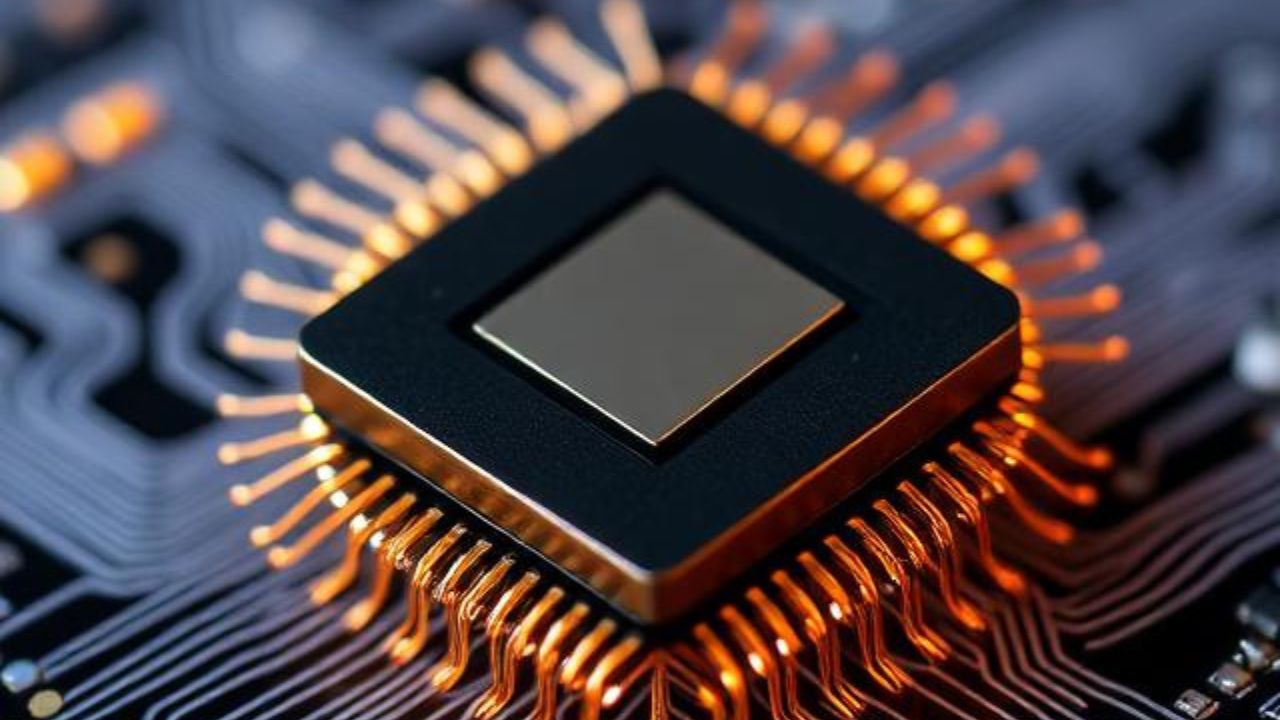
Chip makers are favoring the most lucrative customers over lower-margin orders from auto manufacturers. That strategic choice is reshaping industrial priorities across continents and is already driving double-digit price increases on memory chips that used to be commodity parts.
Automakers are not blind to the risk. Executives from parts suppliers have quietly traveled to the industrial zones surrounding Samsung and SK Hynix fabs in South Korea to plead for dedicated automotive memory production, knowing full well that automobile production lines could face disruptions if shortages deepen.
Industry analysts warn that by the second half of 2026; shortages could transition from being a supply strategy issue into a production problem.

The consequences of such an outcome could be profound. If memory chips become scarce enough, automakers might delay production, reduce high-tech features, or pass cost increases onto buyers.
Already in 2026, some brands are seeing new car prices climb even before accounting for this latest squeeze. In markets like the United States, dealers are nudging buyers toward used cars as the supply of new vehicles becomes more constrained and costly.
The Looming Impact on Buyers and Production
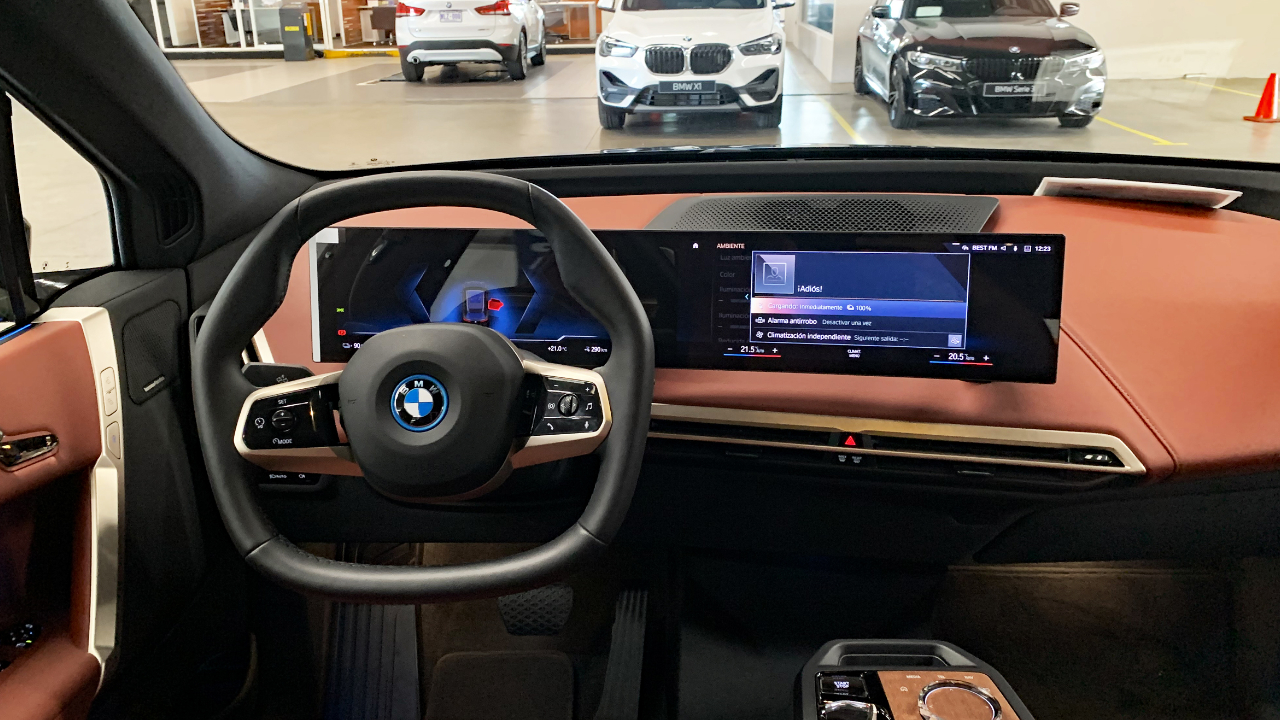
Today’s cars are computers on wheels. A modern passenger car can incorporate dozens of gigabytes of memory across systems managing safety features, infotainment, navigation, and advanced driver-assistance. In premium and electric models, that figure can soar even higher.
With demand predicted to rise, the gap between what is needed and what is supplyable could widen, especially if AI continues to hoover up available silicon.
Japan’s Toyota and Honda have started forming alliances with chip suppliers to help secure long-term semiconductor commitments, recognizing that supply uncertainty could be a competitive disadvantage for automakers unable to deliver their full suite of technology offerings on time.
This sort of collaboration represents a significant evolution in how the auto industry thinks about its supply chain, turning semiconductor planning into something as strategic as engine development or platform architecture.
Some experts suggest that this crisis could force a rethink of vehicle design itself. Perhaps automakers will finally ‘listen’ to consumer pleas for a return to basics, not because they actually ‘listened’ but because they have no choice.
Chip architectures that require less memory or that rely on newer, more efficient memory standards may help future-proof production. But transitions on that scale take years to finalize and validate for automotive safety standards. Until then, the industry remains exposed.
For car buyers, the emerging shortage means higher prices and longer wait times for new cars. The old advice to buy “used instead of new” may gain fresh relevance. For automakers and parts makers, the scramble for memory chips could be the defining supply chain story of 2026 and beyond.
Sources: Bloomberg.com