
US marines just gave the M4 a driver-assist system for shooting drones.
The modern infantry battlefield is quietly undergoing a transformation that feels as much like a shift in automotive control systems as it does in traditional weapons design.
According to reporting from Task & Purpose, U.S. Marines are now fielding a new generation of rifle-mounted smart optics designed specifically to counter one of the most disruptive technologies of recent years: small, fast-moving drones.
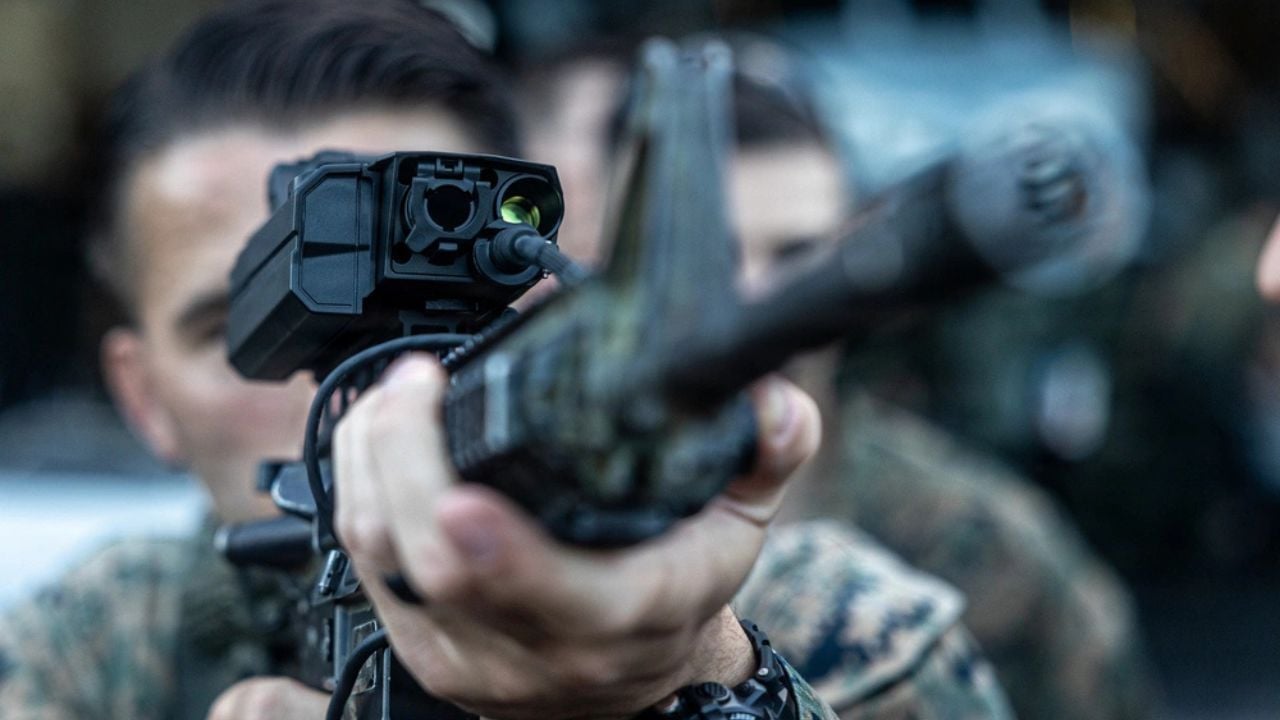
The system featured in the report is the SMASH 2000L, developed by Smart Shooter Inc., and it is being integrated with standard service rifles like the M4 carbine.
The SMASH term represents the “Smart Shooter” system family. It’s a product line name, not a spelled‑out acronym. The 2000L designation or the “2000” series refers to the generation of optics, while the “L” indicates a lightweight version optimized for standard service rifles like the M4 carbine.
On paper it still looks like a conventional optic. In practice, it behaves more like a compact fire-control computer fused directly to the shooter’s weapon.
Already in the Hands of Deployed Forces
The Marines of the 11th Marine Expeditionary Unit (11th MEU) were shown training with the system during pre-deployment work aboard the USS Portland, part of a broader operational deployment cycle in the Middle East.
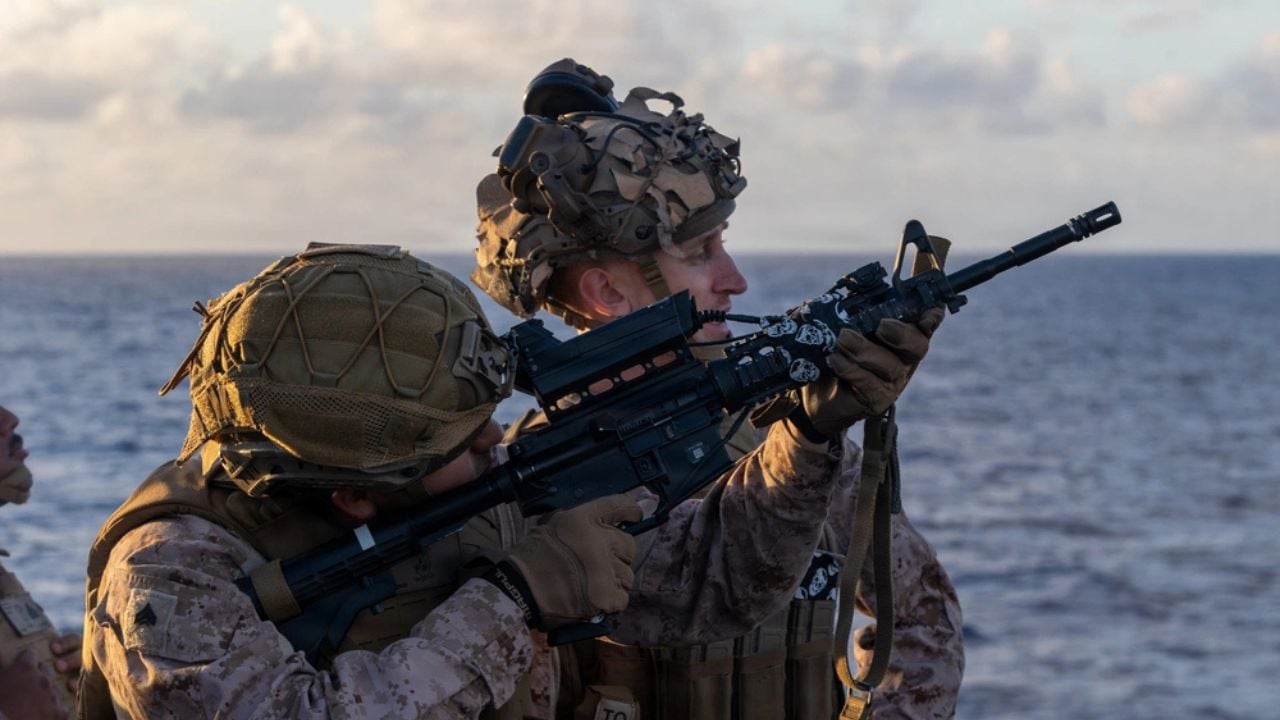
That context is important. This is not a prototype sitting in a lab or a limited demonstration at a stateside range. It is already in the hands of deployed forces preparing for real-world missions.
At its core, SMASH is built around automated target tracking and real-time ballistic computation. When a shooter brings the optic onto a target, the system identifies and locks onto it using onboard visual processing. From there, it continuously analyzes movement, range estimation cues, and the shooter’s own weapon stability.
The key technical step is the generation of a firing solution.
The optic calculates when a projectile from the rifle will intersect the moving target’s path, accounting for variables such as target velocity, angle change, and shooter-induced sway. Rather than relying purely on instinct and reaction time, the system shifts the hardest part of the engagement into computation. It’s a game changer.
In operational terms, the trigger mechanism is also governed by this solution.
The weapon will not release a shot unless the calculated hit probability meets a defined threshold, though operators can override the system if required. This introduces a hybrid firing model: human intent still initiates engagement, but the system determines optimal timing.
Why Drone Warfare Demanded this Shift
The motivation behind this design reflects how drone warfare has altered infantry expectations.
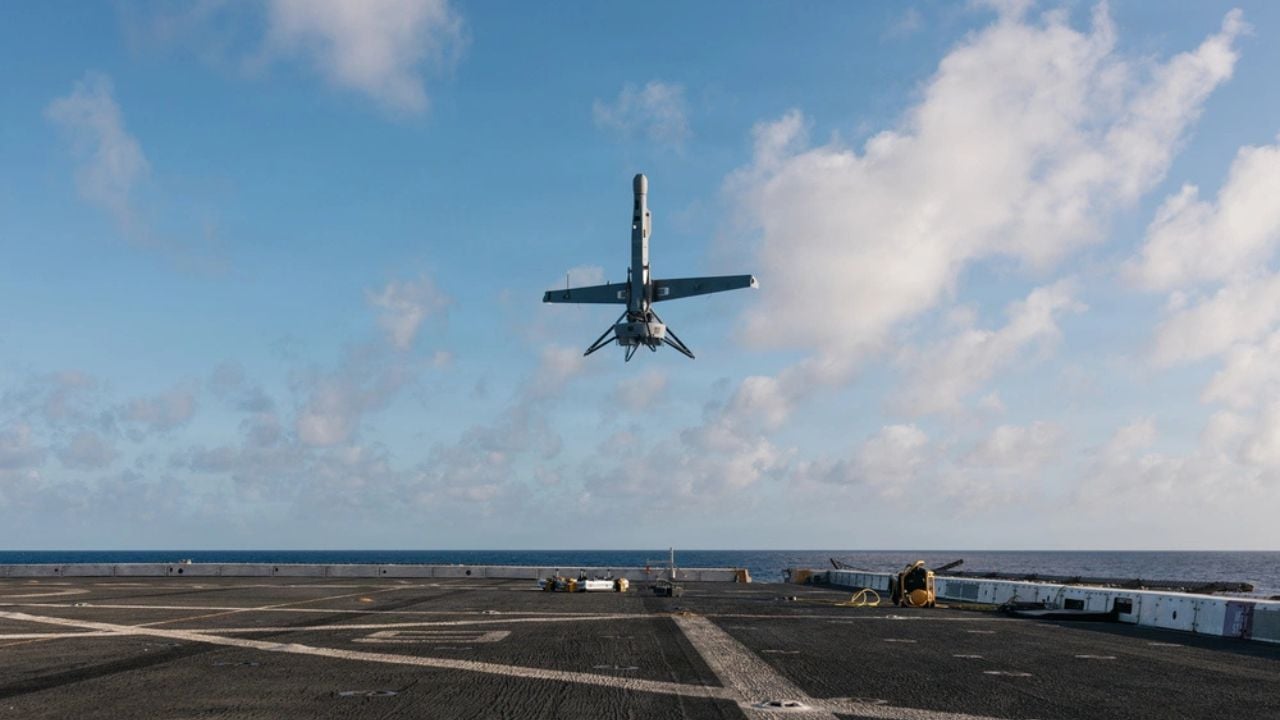
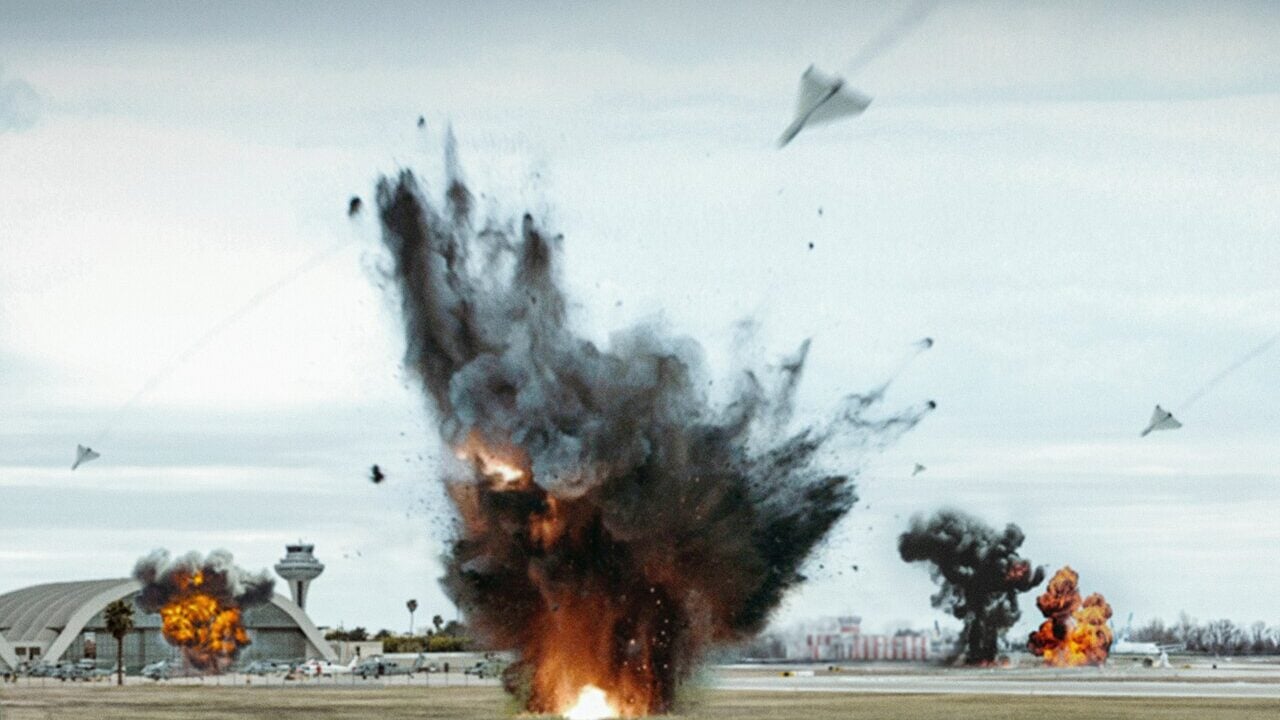
Small unmanned aerial systems are difficult targets. They are compact, often irregular in motion, and capable of operating at speeds and altitudes that challenge conventional iron-sight or standard optic engagement methods. Marines training with SMASH are effectively being equipped with a tool designed to compress reaction time gaps that drones exploit.
The developmental philosophy behind systems like SMASH draws from older domains of fire control, particularly in armored vehicles and aircraft, where computers have long assisted with targeting calculations.
Those platforms historically solved similar problems: moving shooter, moving target, and the need for precise lead and timing solutions. What is different here is scale. That level of computational assistance is now being mounted on a shoulder-fired rifle.
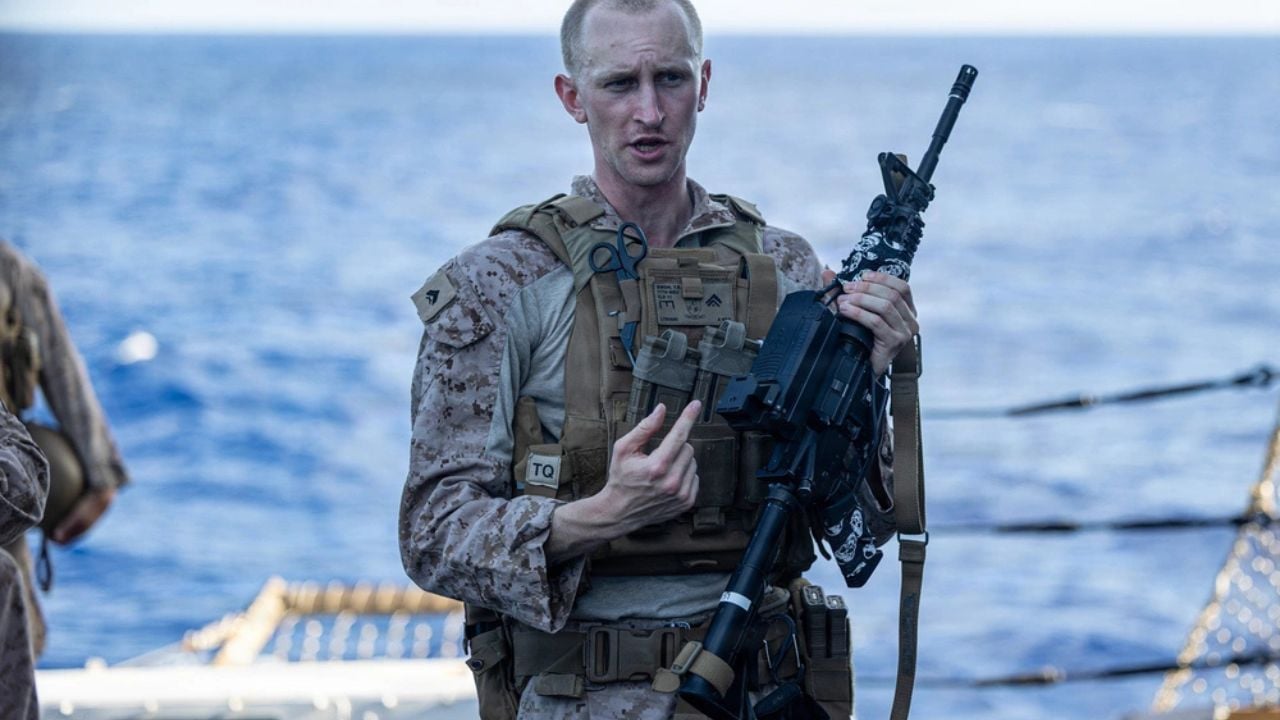
The Task & Purpose report frames this as part of a wider doctrinal shift inside the Marine Corps. Infantry units are increasingly expected to operate in environments where drones are not exceptional threats but persistent ones.
As a result, counter-drone capability is no longer reserved for specialized air defense units. It is being pushed down to the level of dismounted infantry squads.
The Future of Infantry Accuracy
Training imagery from the 11th MEU suggests that Marines are learning to integrate the system into standard marksmanship practice rather than treating it as a separate specialty tool. That blending of traditional shooting fundamentals with assisted fire-control logic signals a change in how infantry accuracy is defined.
Skill is no longer only about raw trigger discipline and visual tracking, but also about managing systems that interpret and refine engagement timing.
The SMASH 2000L itself represents a broader trend in defense technology: the convergence of computer vision, automation, and small arms. Its design compresses what used to require large, stabilized platforms into a rifle-mounted optic weighing only a fraction of legacy systems.
What emerges from the Task & Purpose report is a clear picture of infantry warfare adapting to a drone-saturated environment. The Ukrainians found a way to counter low-cost attack drones often fired in swarms; the US just raised the bar.
The Marines are not just adding new weapons. They are integrating computational assistance into the act of shooting itself, reshaping how engagements are judged, timed, and executed on the modern battlefield.