

In the early hours of April 14, 2026, the world’s largest electric vehicle manufacturer, BYD, faced a crisis that quickly drew global attention.
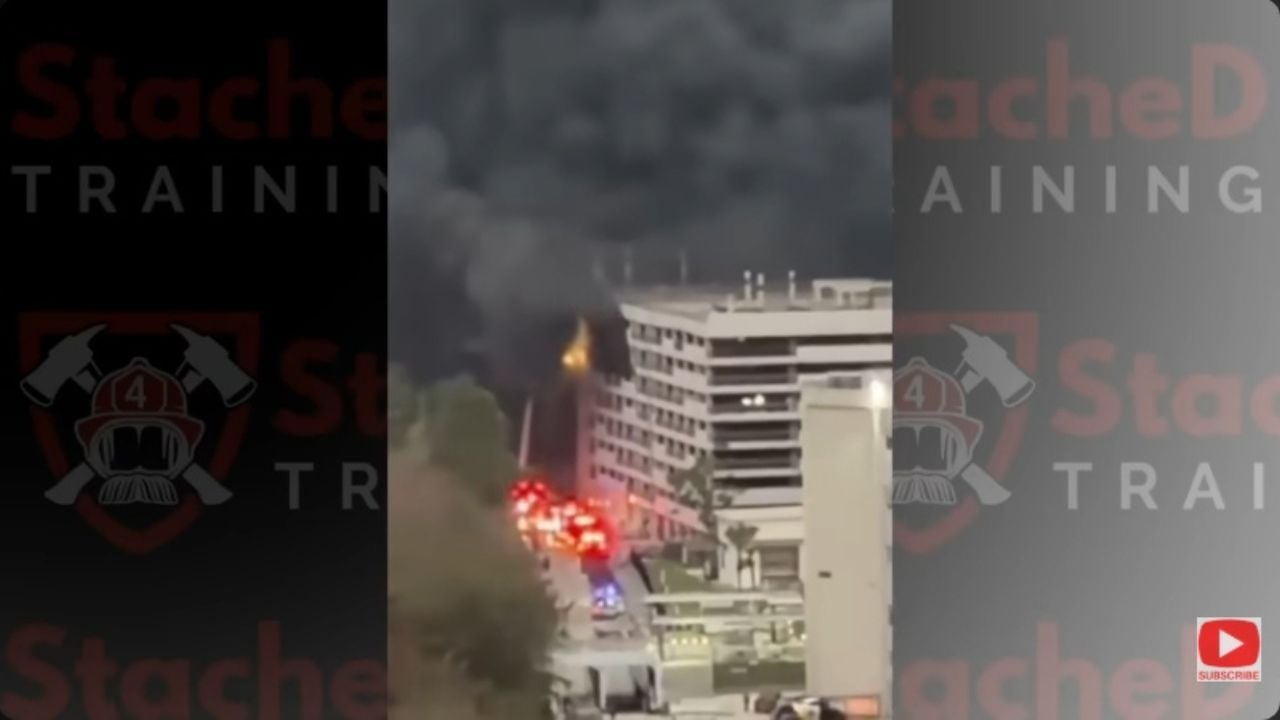
At precisely 2:48 a.m., fire crews in Shenzhen were dispatched to BYD’s Number 20 factory in the Pingshan district after alarms signaled a blaze inside a multi‑story automated parking structure.
What unfolded was a dramatic fire that consumed hundreds of vehicles, filled the sky with thick black smoke, and reignited debate about EV safety, industrial practices, and fire preparedness.
The Scene: An Automated Parking Tower
Unlike conventional garages, this facility was a “stereo garage.” That is, an automated system that mechanically stacks cars on platforms using conveyors and lifts. The design maximizes density, allowing far more vehicles to be stored in a compact footprint.
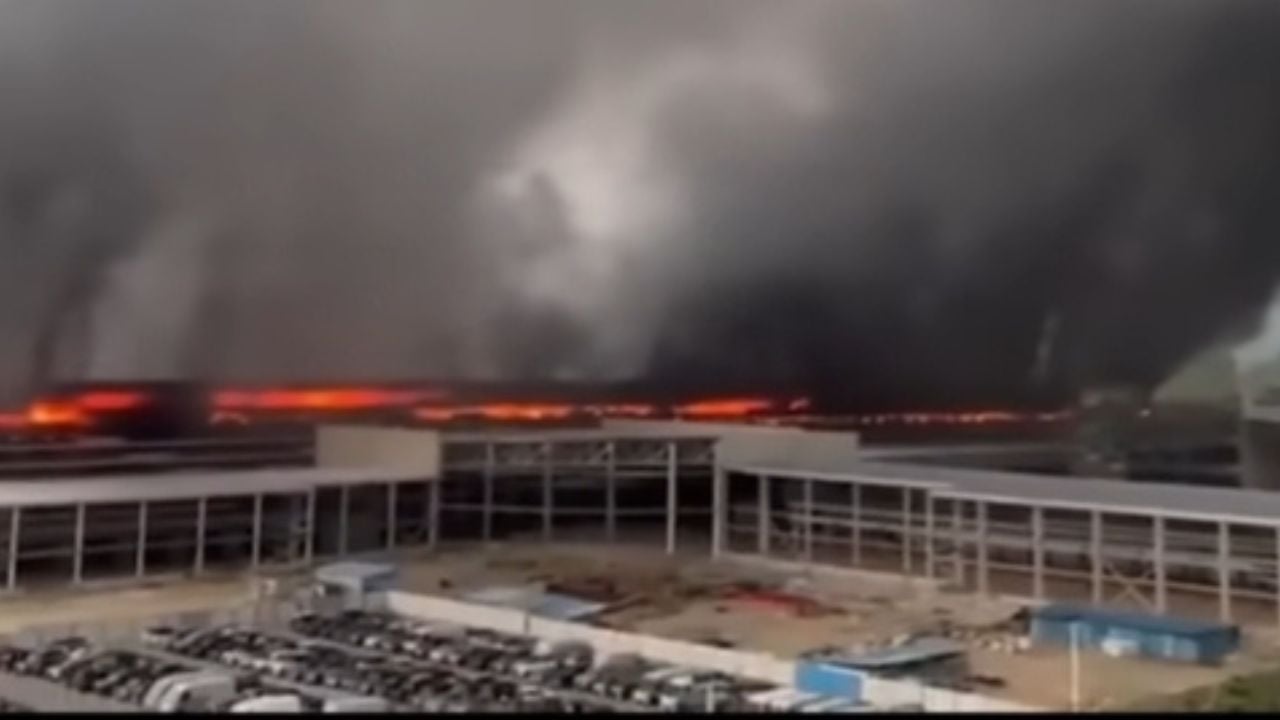
On this night, though, the structure contained both test vehicles and scrapped cars awaiting disposal. While efficient in space usage, this incident just proved such a design poses unique challenges for fire suppression.
Once flames broke out, the mechanical systems failed, locking vehicles in place and leaving firefighters with no realistic way to reach the source.
The Fire’s Spread and Immediate Impact
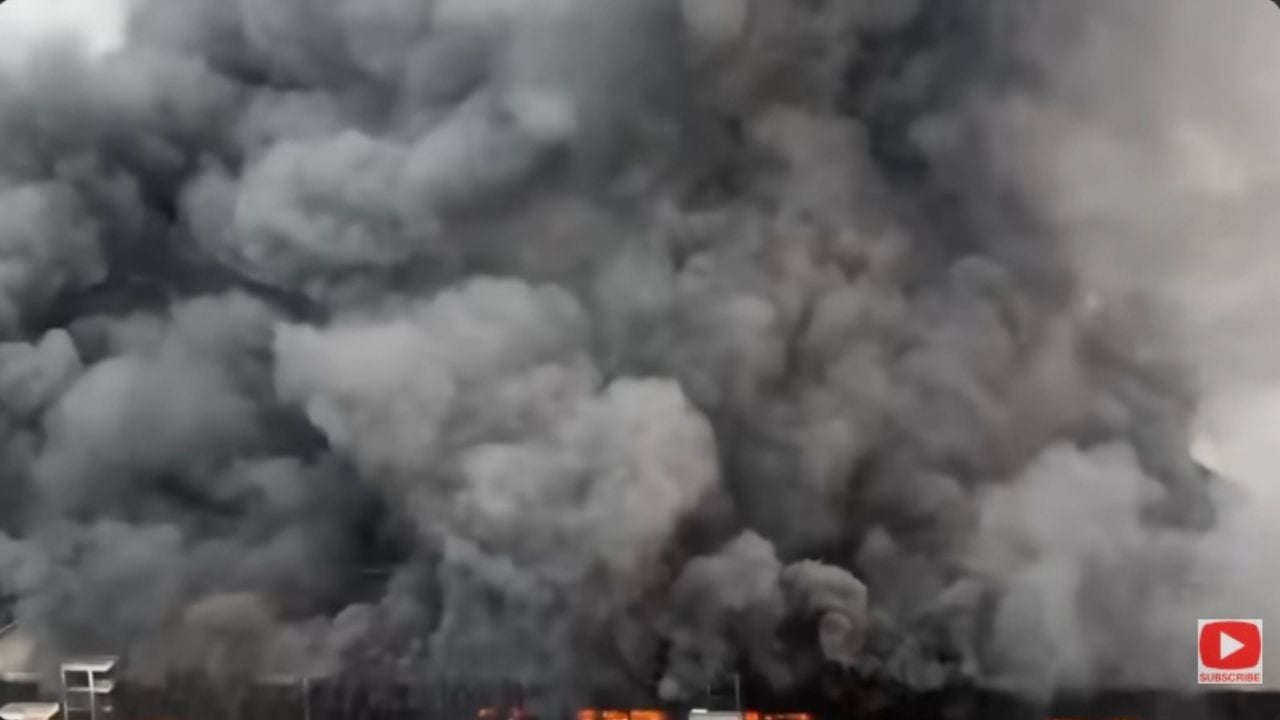
Eyewitness footage showed flames stretching across large sections of the building and smoke visible from miles away. The fire spread rapidly due to the tight spacing of vehicles stacked vertically.
Each car carried a significant fuel load: plastics from dashboards, seats, wiring, and tires, plus—above all—lithium‑ion batteries in the case of EVs. Once one vehicle ignited, exposure risks multiplied in every direction; above, below, and beside.
A nearby school was forced to close temporarily, and roads around the facility were restricted as emergency crews battled the blaze. Remarkably, no injuries were reported. But someone’s job is very likely to be burned.
BYD’s Official Explanation
BYD moved swiftly to issue a statement. According to the company, the fire was triggered by a contractor improperly handling materials during equipment dismantling. Insulation material ignited, sparking the blaze.
Crucially, BYD emphasized that the fire was not caused by battery failure. This clarification was aimed at countering speculation that the incident was another example of EV battery thermal runaway.
The Battery Question
Despite BYD’s assurances, experts note that scrapped or end‑of‑life EV batteries remain a risk. Even when retired, packs often retain residual energy. If exposed to heat, they can enter thermal runaway, releasing additional heat and toxic smoke.
In this case, while batteries may have contributed to fire intensity once ignited, BYD says they were not the initial cause.
However, BYD issued its initial statement while the fire was still burning. While that’s not unusual in corporate crisis management, it does raise questions about how much certainty they could have at that stage.
Battery fires are a sensitive issue for EV makers. BYD, as the world’s largest EV producer, has every incentive to quickly reassure the public and investors that its core technology wasn’t at fault.
Companies often release preliminary explanations to shape the narrative before speculation spirals. Saying “this wasn’t a battery fire” was a way to contain reputational damage.
It’s true that fire departments and corporate safety teams often provide early assessments based on visible evidence (e.g., where flames started, what materials were being handled), but these are not full investigations.
A complete forensic investigation requires access to the site after the fire is extinguished, examination of ignition points, electrical systems, and material residues.
Investigators can sometimes identify the likely origin of flames (e.g., insulation material igniting during dismantling) based on eyewitness accounts and initial inspection.
Definitive statements ruling out battery involvement are premature until debris is examined. Batteries may not have been the initial cause, but they could have contributed to fire intensity once ignited.
That said, issuing a denial while smoke is still pouring out naturally looks defensive. Because EV battery fires are a known risk, many observers suspect companies of downplaying or deflecting.
A pattern can even be established here: Other automakers have also rushed to deny battery involvement in past incidents, only for later reports to reveal batteries played some, even consequential roles in fire spread.
The broader issue, then, is how such vehicles are stored.
Industry guidance, such as NFPA recommendations, advises keeping damaged EVs at least 50 feet from other exposures. Stacking hundreds in a dense automated tower runs counter to that advice.
Fire Suppression Challenges
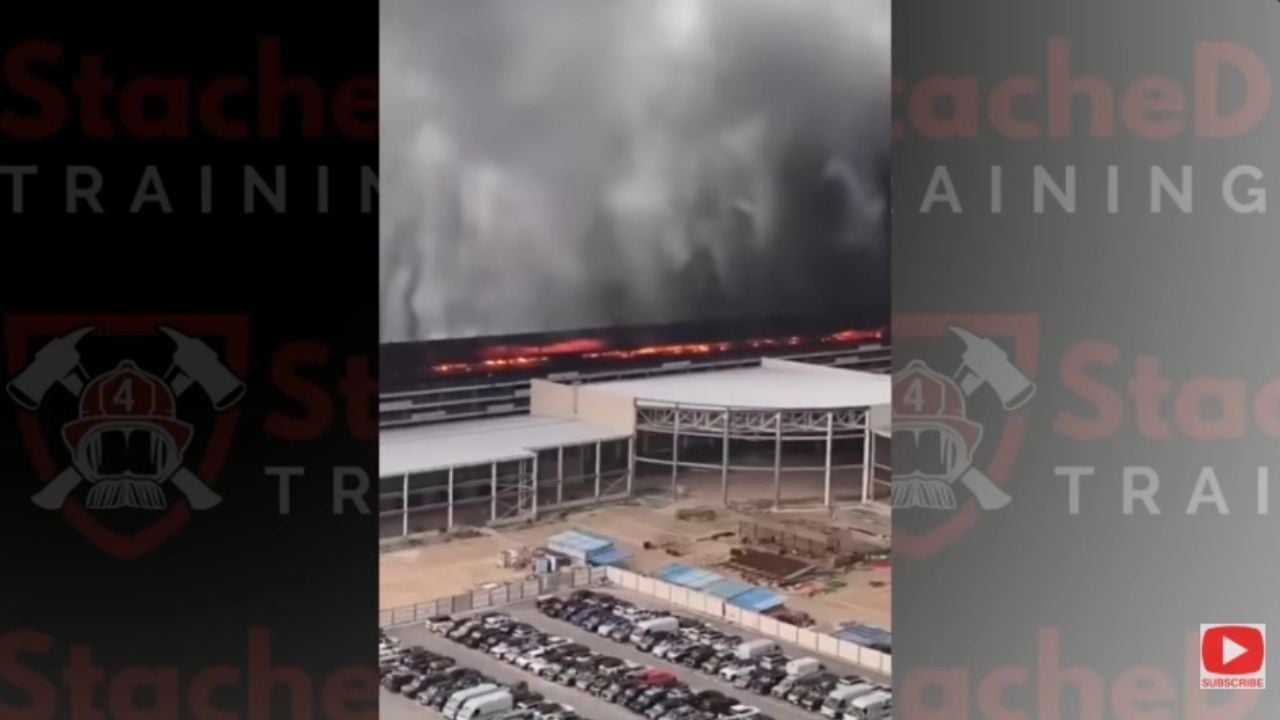
Questions also surround whether the structure had an effective suppression system. In many open‑air parking facilities, sprinklers are not required. Even if present, systems are designed for limited activation.
When dozens of vehicles ignite simultaneously, water pressure drops and sprinklers become ineffective. Firefighters were left with exterior operations, essentially containing the blaze rather than extinguishing it internally.
The incident highlights a gap in global standards for storing end‑of‑life EVs. As electric vehicles proliferate, automakers and regulators must address how to safely manage large volumes of retired cars and batteries.
Automated density‑focused storage may be efficient, but, clearly, it creates nightmare scenarios for fire response or other unforeseen hazards. The BYD fire underscores the need for stricter protocols, better suppression systems, and industry‑wide guidelines.
A Wakeup Call
The BYD fire was dramatic, destructive, and disruptive, but BYD wants the world to know it wasn’t the catastrophic battery failure some headlines suggested. Instead, it was a complex industrial accident sparked by contractor mishandling, amplified by the inherent risks of storing hundreds of vehicles — plastic‑laden and battery‑equipped — in a tightly packed automated tower.
As for BYD, the company’s early denial was a strategic communication move, not a final technical conclusion.
It’s quite possible their internal safety team had enough evidence to believe the ignition source was unrelated to batteries. But until the fire was fully extinguished and forensic teams completed their work, any categorical statement was more about protecting reputation than presenting conclusive science.
So yes, BYD spoke while the fire was ongoing, and that makes their denial more of a PR maneuver than a completed investigation. The full technical report will be the real test of whether batteries were entirely uninvolved.
No lives were lost, but the event serves as a wake‑up call for the EV industry.
As BYD and others push forward with electrification, the lessons from Shenzhen will shape how manufacturers, regulators, and firefighters prepare for the next challenge.