Horsepower still sells headlines. It still fills comment sections, fuels spec-sheet arguments, and makes parking lot conversations easy.
But the cars people end up loving most are often the ones that solve a bigger problem than straight-line bragging rights. They feel light on their feet, easy to live with, efficient when it matters, and satisfying in ways that stay with you long after the launch-control novelty wears off.
That is why the smartest cars can be more exciting than the most powerful ones. They do not ask you to organize your whole ownership experience around one big number.
They simply make more sense from more angles at once. And in a market that spent years acting as if excess was the only path to desirability, that kind of intelligence feels refreshing again.
What Counted As A Smarter Choice Here
This article focuses on cars sold in the U.S. market right now that make a stronger case for balance than raw output. Straight-line speed mattered, but it was never enough on its own.
The strongest candidates also needed to deliver something more durable, such as sharp chassis tuning, excellent efficiency, thoughtful packaging, real comfort, or a price that still feels grounded. Cars were left out when their main appeal was simply having a bigger number than the next model over.
Preference went to vehicles that feel cohesive from the driver’s seat, where steering, seating position, practicality, fuel economy, and day-to-day usability all work together instead of fighting for attention. The final five are the cars that best prove good judgment can be more rewarding than chasing horsepower for its own sake.
Honda Civic Sedan Sport Touring Hybrid
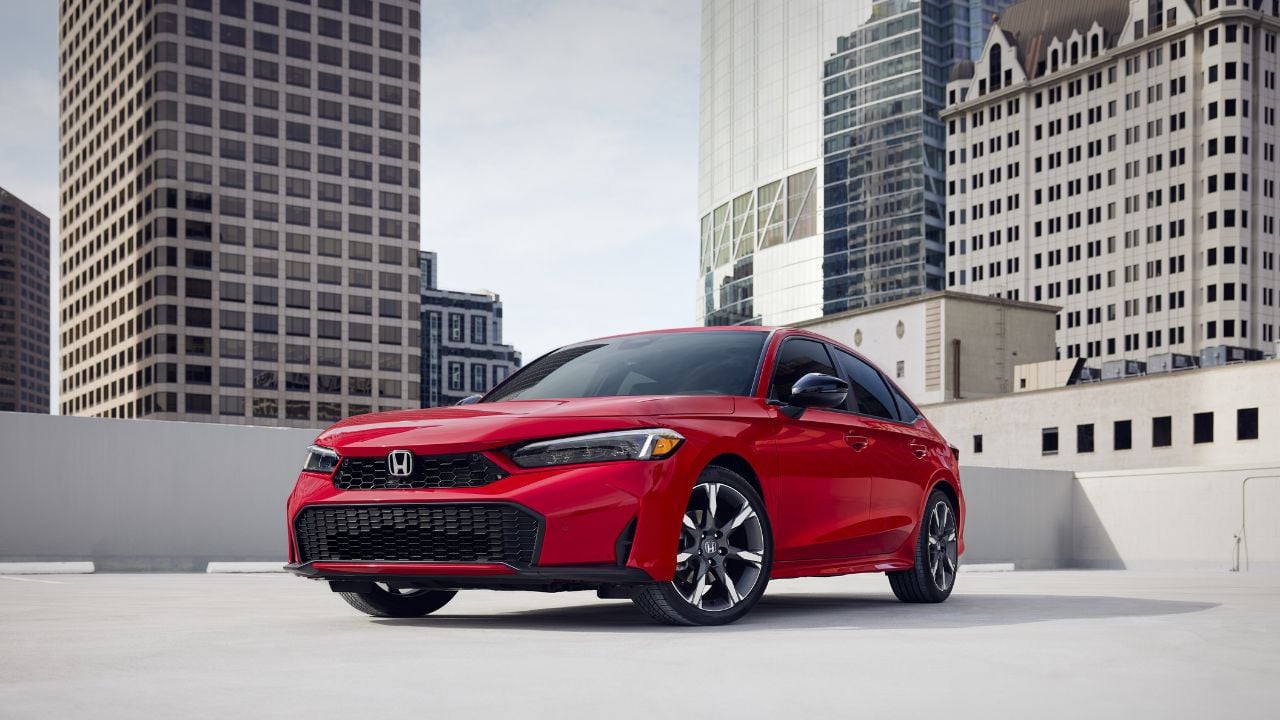
The Honda Civic Sedan Sport Touring Hybrid is such a convincing modern answer because it refuses to separate intelligence from enjoyment. Honda gives it 200 total system horsepower, an EPA rating of 50 city, 47 highway, and 49 combined, plus the kind of polished cabin and clean control layout that make daily use feel easy rather than busy.
That combination matters. This is not a stripped economy car pretending to be clever through thrift alone. It is quick enough to feel lively, efficient enough to make the ownership math look excellent, and mature enough inside to feel like a serious compact sedan instead of a compromise.
In a world full of cars trying to impress by doing one thing loudly, the Civic Hybrid stands out by doing almost everything well.
Toyota Prius LE
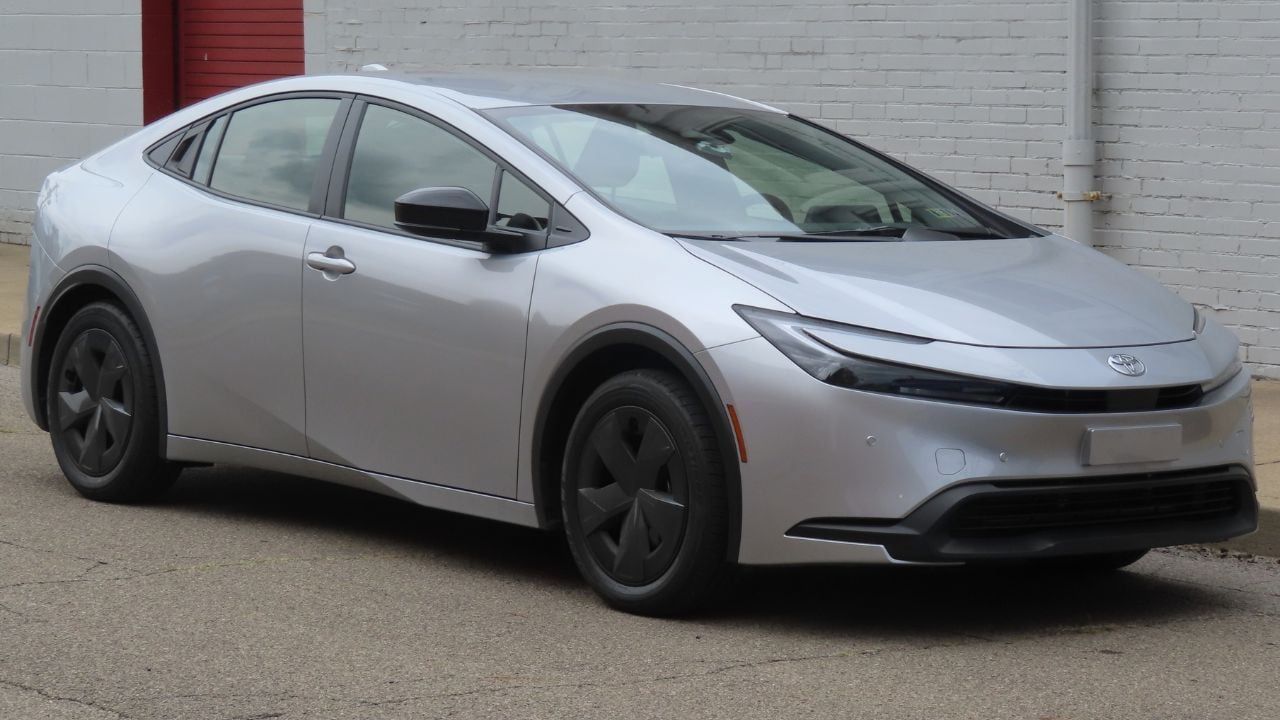
The current Toyota Prius LE might be the clearest proof that smart engineering can finally look desirable too. Toyota says the 2026 Prius LE starts at $28,550 and delivers an EPA-estimated 57 city, 56 highway, and 57 combined mpg, which already gives it a very strong practical case.
But this Prius no longer leans only on thrift. It has a lower, sleeker shape, a proper sense of design confidence, and the kind of liftback usefulness that quietly improves ownership every week.
In front-wheel-drive form, Toyota’s fifth-generation hybrid system delivers 194 net combined horsepower, which helps explain why the car no longer feels like a slow-motion eco statement. It feels like a well-judged modern car that just happens to be brilliantly efficient.
Volkswagen Golf GTI

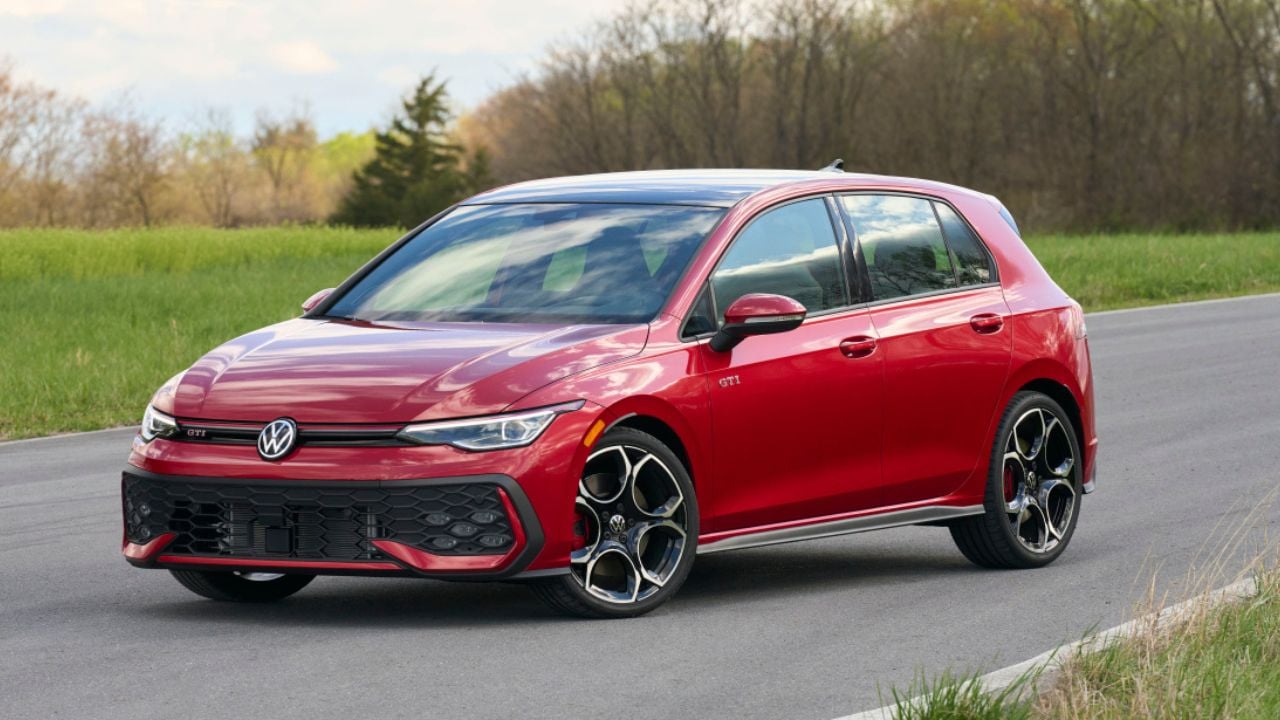
The Volkswagen Golf GTI remains one of the smartest performance buys on sale because it has always understood that one great car is better than two specialized ones. Volkswagen says the current GTI starts at $34,590 and uses a 2.0-liter turbocharged engine making 241 horsepower and 273 lb-ft of torque, while also giving buyers a standard 12.9-inch touchscreen and the core practicality of a hatchback.
That is exactly why the GTI fits this headline so well. On paper, it is not the most powerful hot hatch people dream about. In real life, it is often the one that makes the most sense to own.
It is quick, roomy, refined enough for daily driving, and still playful enough to make a quiet back road feel like a good decision.
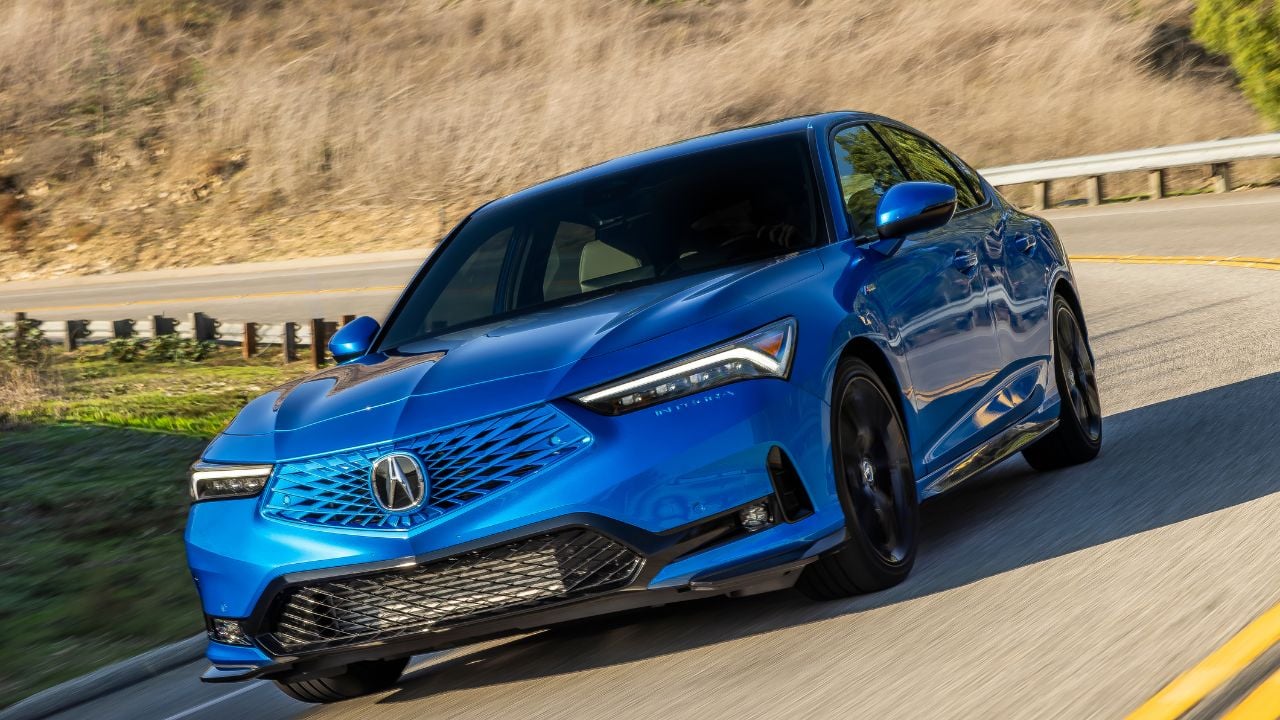
Acura Integra A-Spec With Technology Package
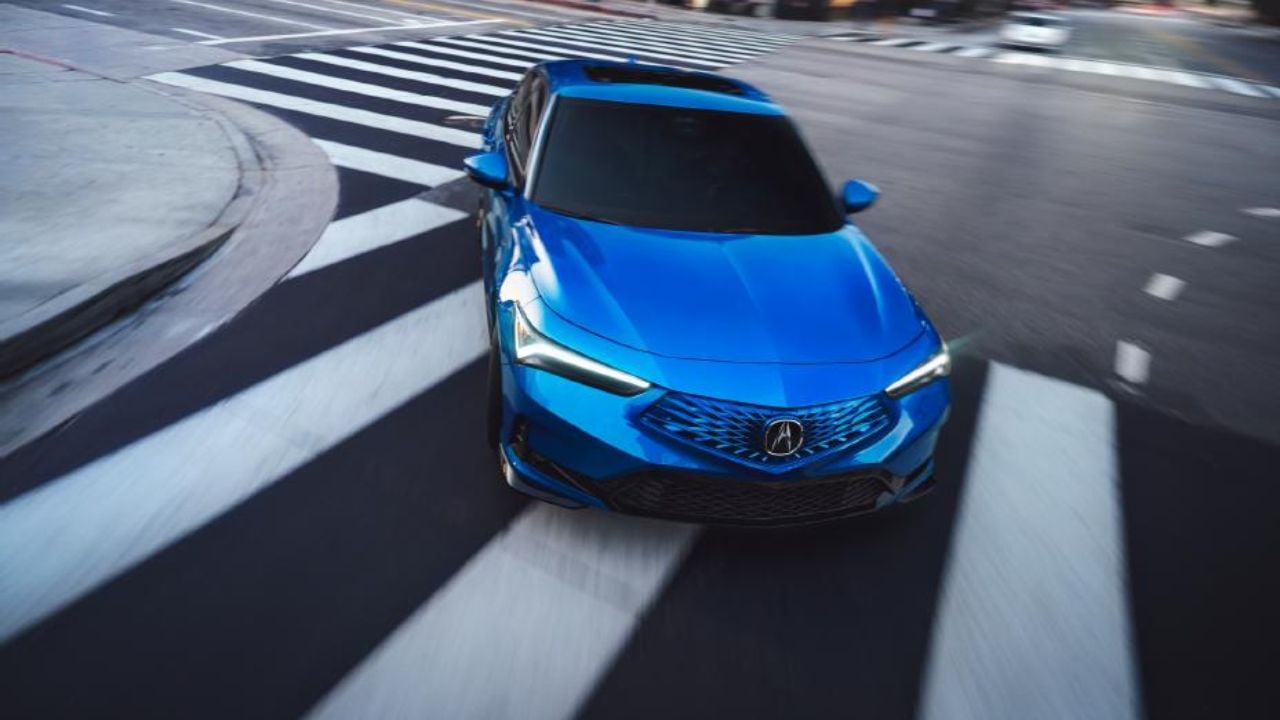
The Acura Integra A-Spec With Technology Package feels smart because it offers the sort of complete ownership experience that bigger power numbers often fail to improve. Acura gives the Integra a 200-horsepower turbocharged engine, fuel economy of up to 29 city and 37 highway with the CVT or 26 city and 36 highway with the available 6-speed manual, and a practical liftback layout that brings far more utility than most premium compact sedans.
Move up to the Technology Package and the car adds the richer details that make it easier to justify every day, including the ELS Studio 3D audio system and a more premium cabin atmosphere. This is not the loudest compact performance car.
It is the one that feels most grown up about why it exists.
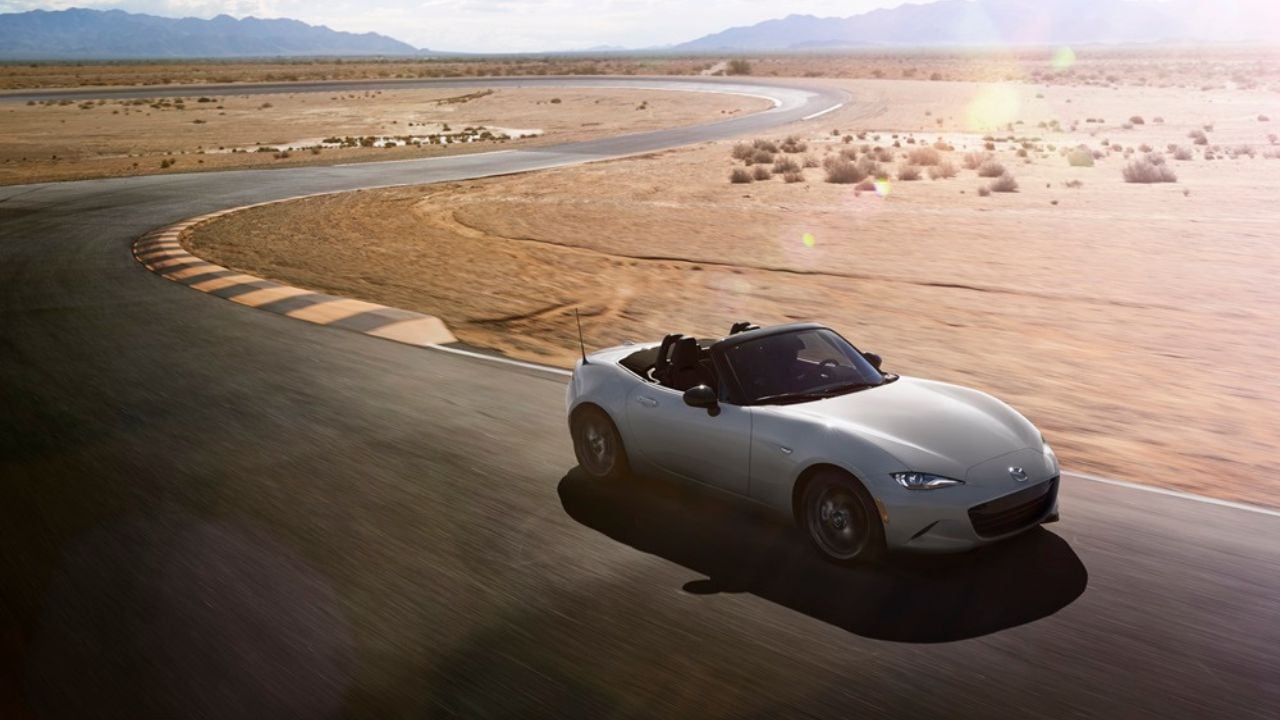
Mazda MX-5 Miata
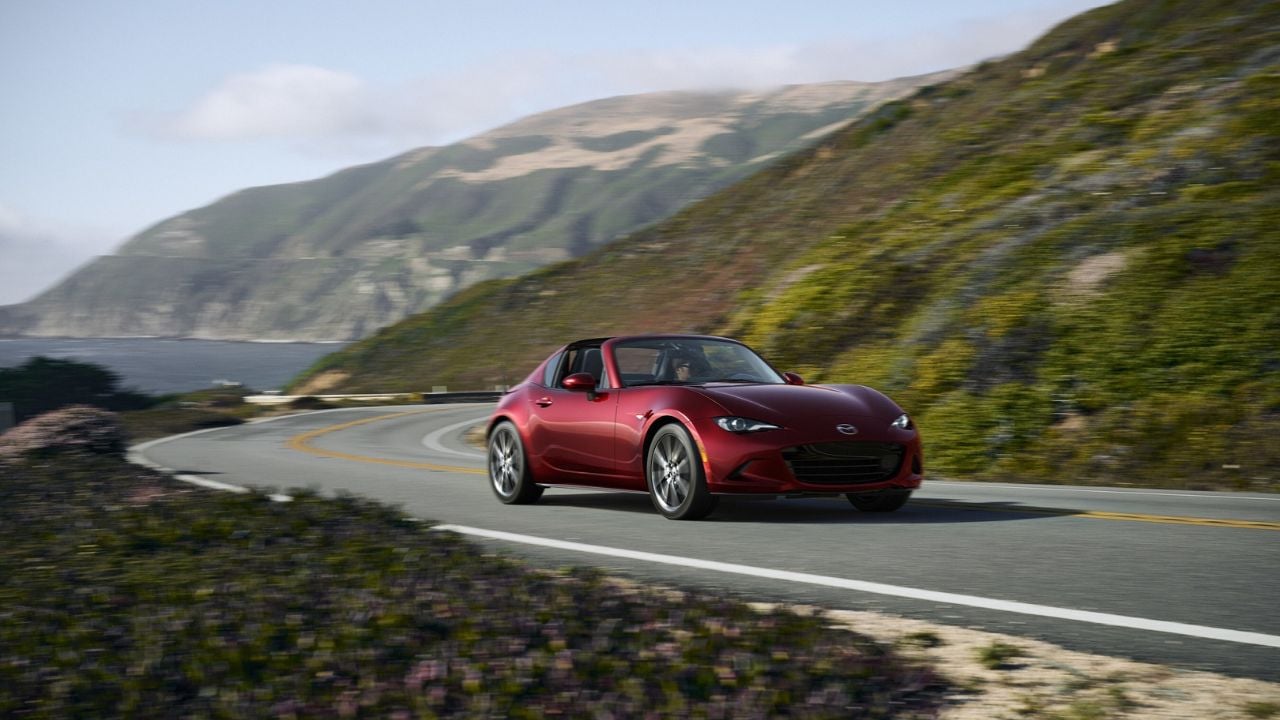
The Mazda MX-5 Miata is the permanent reminder that chasing horsepower can distract buyers from the part that matters most. Mazda says the current Miata starts at $30,430, keeps its near 50:50 weight distribution and rear-wheel-drive layout, and uses a 2.0-liter engine with 181 horsepower and a standard 6-speed manual.
None of those numbers is meant to dominate a spec sheet. That is the whole point. The Miata does not need excess to feel alive, because it was engineered around lightness, clarity, and response instead of brute force.
Every control has a purpose, every input seems to matter, and the car rewards commitment more than ego. Plenty of faster cars exist. Very few make moderate speeds feel this rich, this precise, and this memorable.
The Best Cars Usually Know When To Stop
What makes these five so appealing is that none of them confuses greatness with escalation. They prove that more power is only one path, and often not the most interesting one.
The better path is usually the harder one. It asks engineers to think about weight, efficiency, packaging, ride quality, visibility, steering feel, and all the quiet details that turn a car into something you actually want to keep driving.
So what feels smarter to you right now? A hybrid sedan that makes every commute easier, a hatchback that can do nearly everything well, a premium liftback that feels usefully grown up, or a small roadster that still knows exactly how to make a road feel special?
The best cars rarely win by shouting the loudest. They win by making the rest of the experience feel more complete.