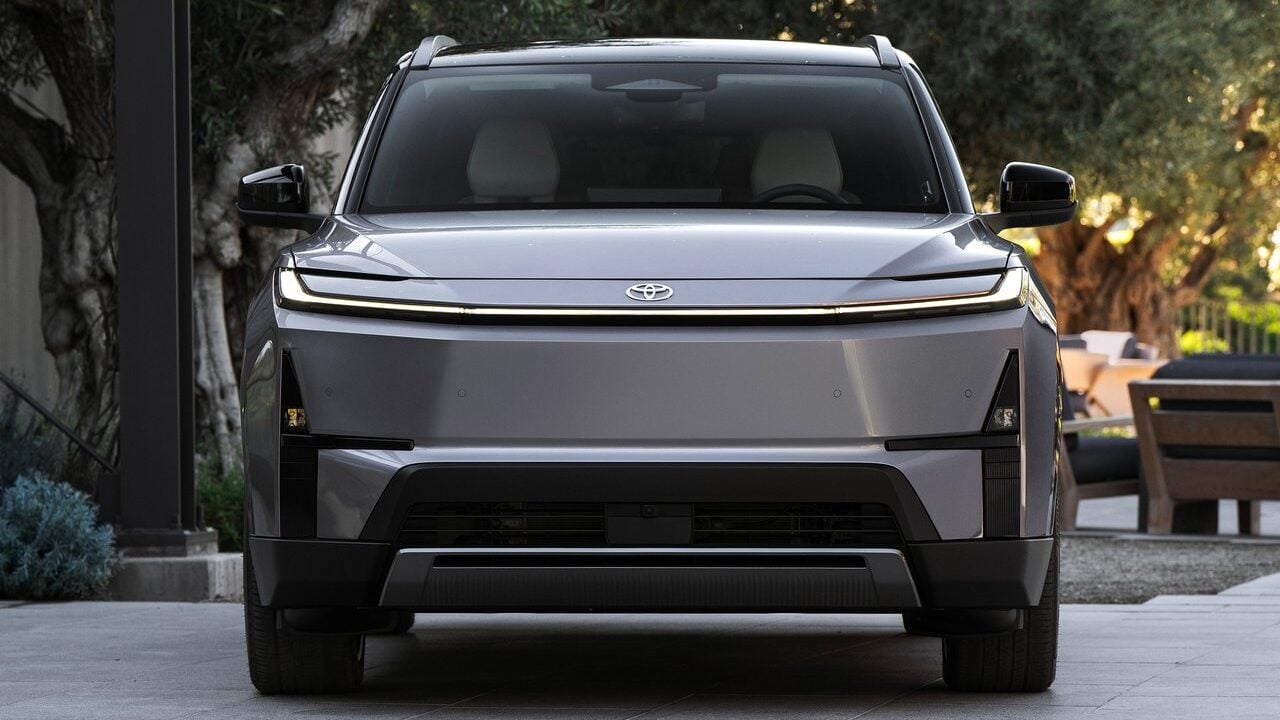

The future of one of Toyota’s most trusted family SUVs is suddenly at the center of a heated debate. According to commentary shared in a recent YouTube video by automotive creator The Car Care Nut, plans for the next generation of the Toyota Highlander could represent a dramatic shift in the brand’s strategy.
The discussion focuses on the possibility that the 2027 Highlander may move to a fully electric platform, a decision that raises serious questions about customer expectations, market timing, and Toyota’s historically cautious approach to new technology.
The Highlander’s Legacy
For more than two decades, the Highlander has been a cornerstone of Toyota’s SUV lineup. Introduced in 2001, the three-row crossover built a reputation for reliability, practicality, and family friendly comfort.
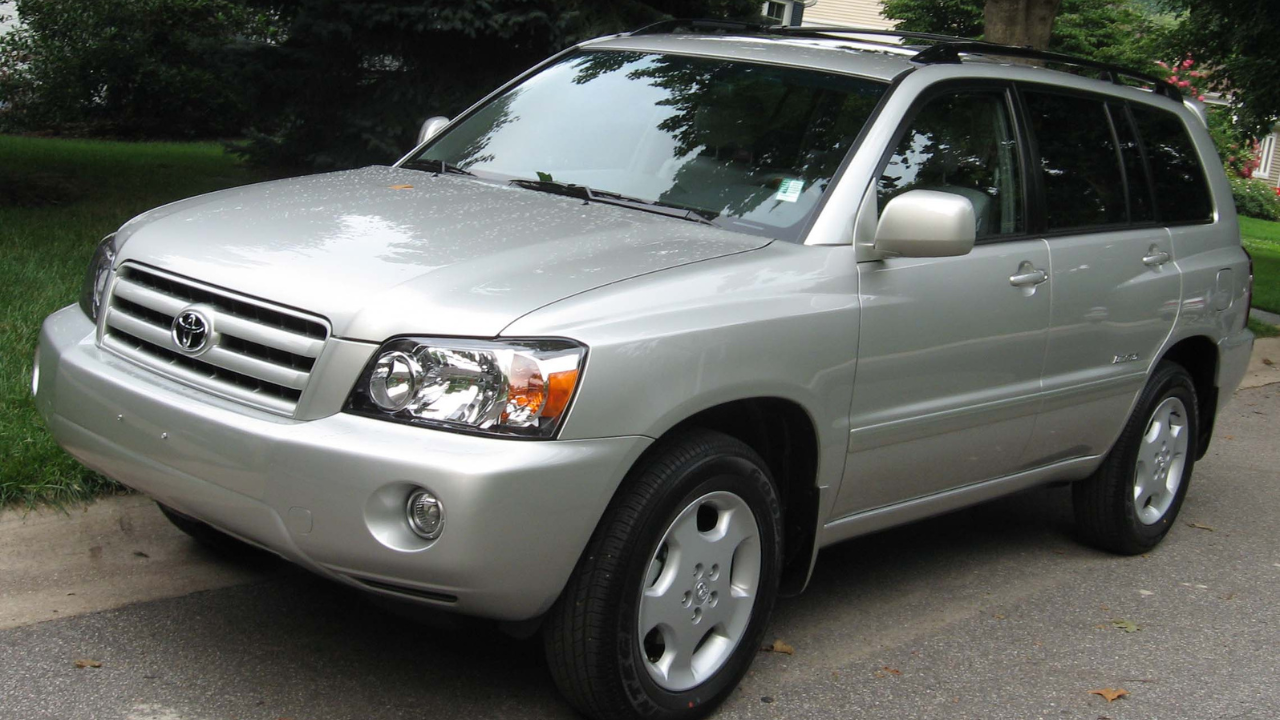
Over multiple generations, Toyota refined the formula with better safety technology, improved efficiency, and a hybrid option that became increasingly popular among buyers.
The current generation of the Highlander already underwent a major change when Toyota replaced the long standing V6 engine with a turbocharged four-cylinder powertrain.

While the move improved fuel efficiency, it also had longtime buyers who valued the outgoing V6’s simplicity and durability questioning the move to turbo-4. That move now looks modest compared the imminent, complete transition to electric power.
Why an Electric Highlander Worries Fans
The concern raised in the video is not necessarily about electric vehicles. Instead, the focus is on the type of customer that typically buys the Highlander and whether a fully electric SUV aligns with their needs.
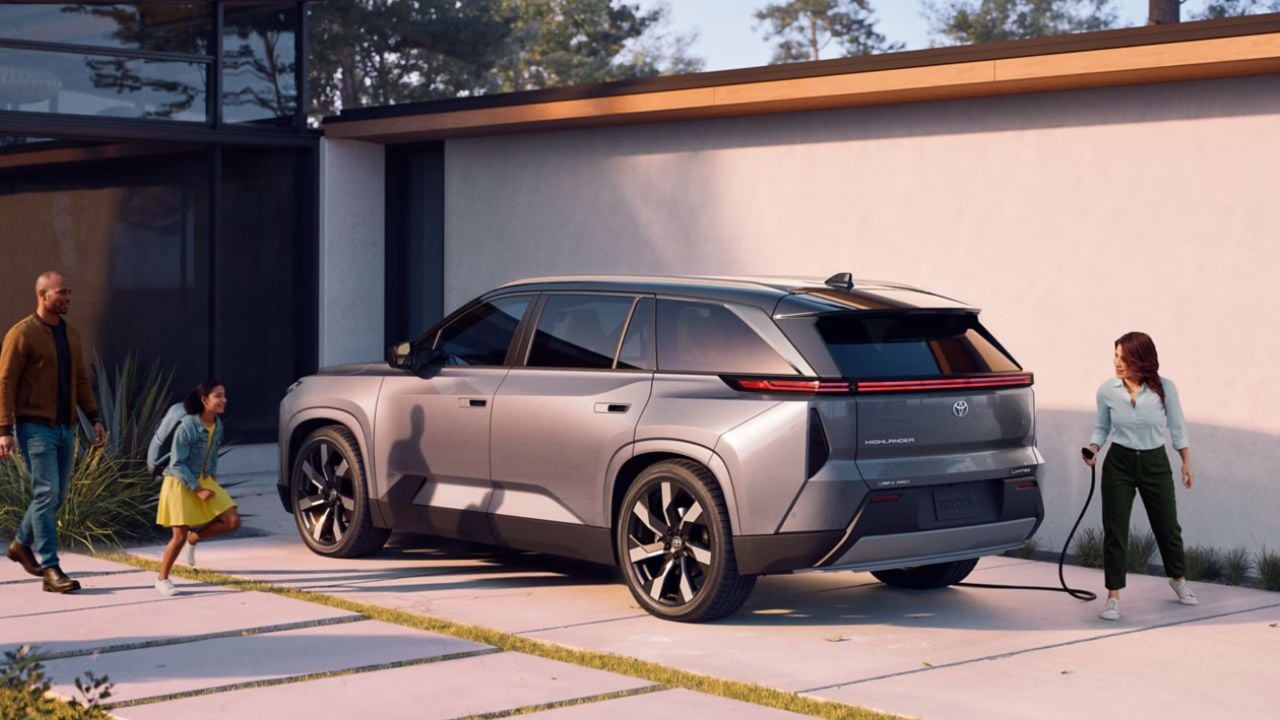
Highlander customers are often families seeking dependable transportation for daily commuting, school runs, and long road trips. It stands to reason that many aren’t early adopters of new technologies. This category of buyers typically prioritizes convenience, reliability, and ease of ownership.
EVs introduce a different ownership experience that the Highlander’s historical customer base might find alien to deal with. Charging infrastructure, home charging setups, and range management require behavioral adjustments that some consumers may not be ready to accept.
While electric vehicles continue to gain traction globally, the transition has not been uniformed across all customer segments.
Toyota itself has historically been cautious about pushing customers too quickly toward new technologies. The company pioneered the hybrid revolution with the introduction of the Toyota Prius in the late 1990s.
Despite that, Toyota gradually expanded the technology across models such as the Toyota Camry and the Toyota RAV4, instead of converting its entire lineup to hybrid power overnight. This gradual rollout allowed buyers to adopt hybrid technology at their own pace.
Toyota’s EV Track Record
This video’s argument suggests that applying a different strategy to EVs could be risky. Toyota’s first dedicated EV, the Toyota bZ4X, faced early challenges including limited range compared with rivals and a high-profile recall shortly after launch.
Although Toyota has worked to improve its EV technology, the brand still trails several competitors in the fully electric space.
Another factor complicating the Highlander’s future is internal competition. Toyota introduced the larger Toyota Grand Highlander in 2023, offering more interior space and stronger hybrid powertrains.
The model quickly attracted buyers who might otherwise have chosen the standard Highlander, contributing to a decline in sales for the original model.
Turning the next generation Highlander into an EV could represent an attempt to reposition the SUV in Toyota’s lineup. It could differentiate the model from the Grand Highlander while allowing Toyota to expand its electric portfolio.
It’s a smart plan, but it also risks alienating the loyal customer base that helped the Highlander become one of the brand’s most recognizable family vehicles. The automaker is arguably banking on those hardcore fans just moving to the Grand Highlander.
A Gamble on the Future
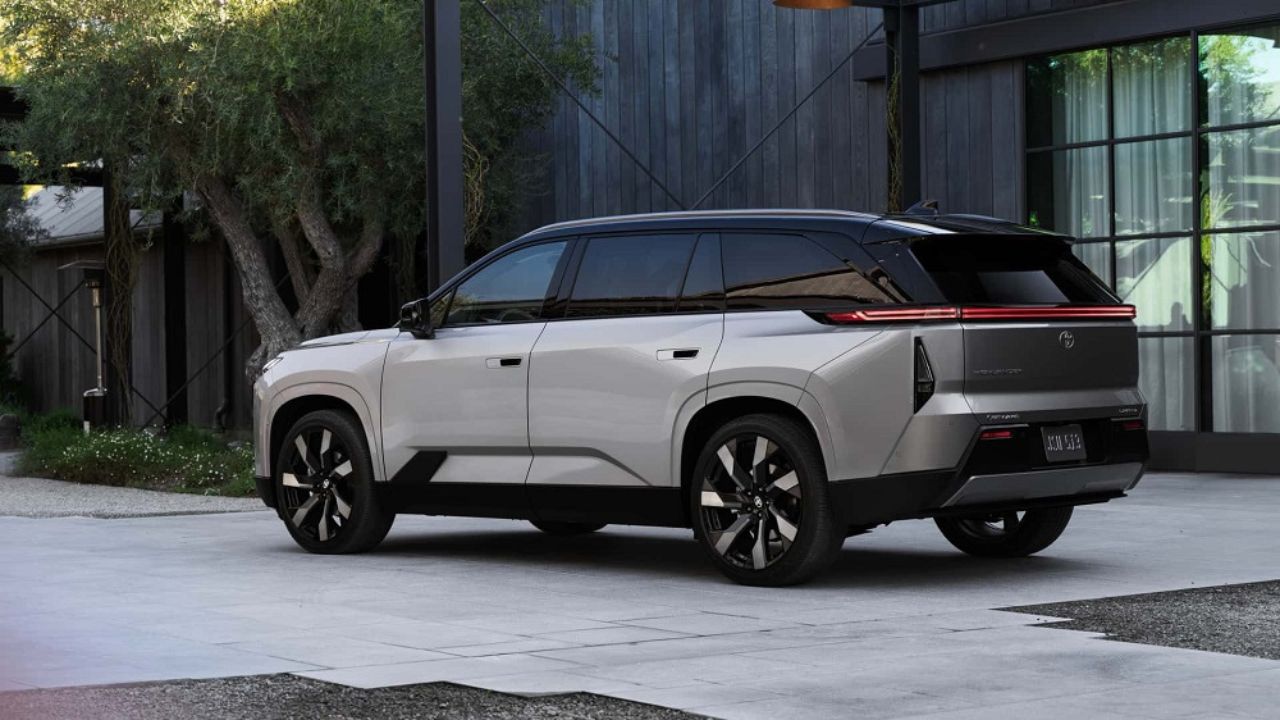
The broader context is the evolving global auto industry. Governments and regulators continue to push manufacturers toward lower emissions vehicles. At the same time, market demand for EVs has fluctuated in recent years as buyers weigh costs, charging infrastructure, and long-term ownership considerations.
Toyota’s leadership, including former CEO Akio Toyoda, has often advocated a multi pathway approach to electrification that includes hybrids, plug in hybrids, hydrogen technology, and battery electric vehicles.
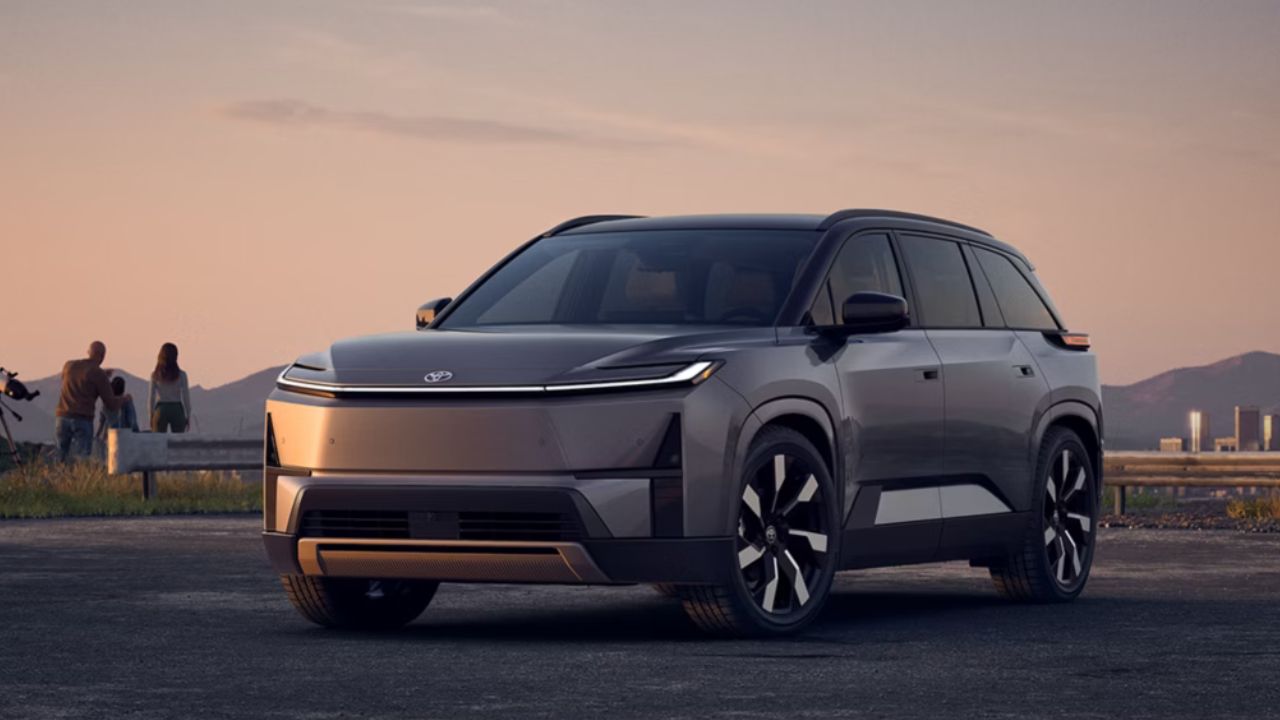
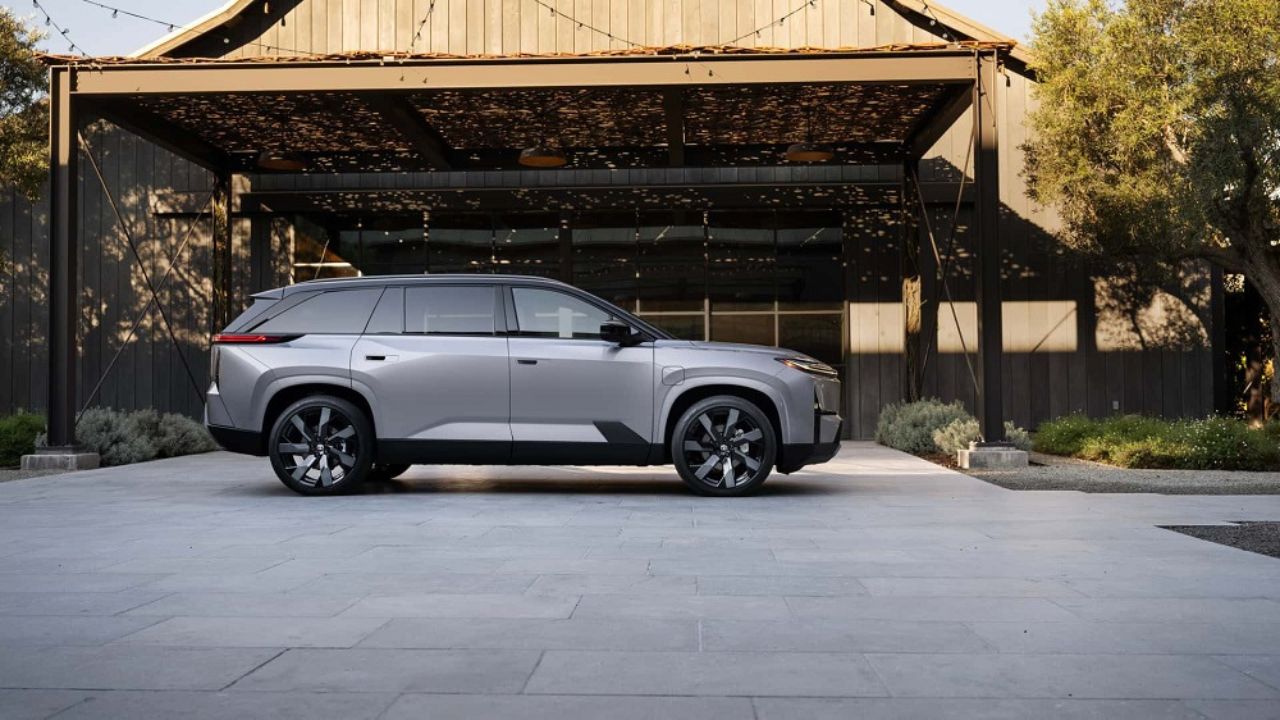
The Highlander moving to an EV-only format marks one of the most aggressive electrification steps Toyota has taken with a mainstream nameplate.
So, to recap: the Highlander is going all‑electric in 2027. But the Grand Highlander is taking a different path, positioned as the option for buyers who prefer gasoline or hybrid powertrains.
Now, Toyota hasn’t confirmed whether this split will remain permanent beyond 2027, but for now, the two models no longer overlap in terms of powertrain offerings. That means the Highlander is the EV choice, while the Grand Highlander is the traditional fuel option.
That said, the skepticism trailing the Highlander’s electric rebirth underlies a massive question mark for the entire automotive industry: How quickly can manufacturers electrify without losing the customers who built their brands in the first place?
Note: This article contains embedded video. Embedded media may not display on all platforms. The video is available on our website here.