
The Ford Probe occupies a peculiar place in automotive history, often dismissed as a footnote or remembered mainly for what it almost became. Yet this sleek coupe deserves a second look from enthusiasts who appreciate the bold experimentation of the 1990s.
Born from an unlikely partnership between Ford and Mazda, the Probe represented Detroit’s serious attempt to build a world-class sport compact that could compete with the best imports. While it never achieved icon status like the Mustang or captured hearts like the Miata, the Probe was genuinely innovative in ways that influenced an entire generation of affordable performance cars.
For those willing to look past the controversial name and its complicated legacy, there’s a fascinating story of engineering ambition, design risk-taking, and surprisingly capable performance.
The Mazda Connection Made It Better Than Most Ford Products

The Probe’s secret weapon was its Mazda DNA, built on Mazda’s G platform (GD for the first generation, GE for the second), shared with the Mazda MX-6 and Mazda 626. This partnership gave Ford access to Mazda’s exceptional chassis tuning and manufacturing expertise at a time when Japanese engineering was the gold standard.
The collaboration happened at Mazda’s AutoAlliance International plant in Flat Rock, Michigan, which meant quality control that exceeded typical Ford standards of the era. Enthusiasts who’ve driven both the Probe and its Mazda siblings often note the refined ride quality and tight body structure. This wasn’t just badge engineering either, Ford contributed its own design language while benefiting from Mazda’s suspension geometry, powertrain options and build processes.
The result was a car that drove more like a Mazda than a Ford, which was exactly the probe, I mean point.
It Nearly Replaced the Mustang (And That’s Wild)

Here’s something that still makes Mustang fans shudder: Ford originally intended a front-wheel-drive coupe related to the Probe/MX-6 program to replace the Mustang.
The plan in the mid-1980s was to transition away from rear-wheel-drive pony cars toward front-wheel-drive sport coupes, which seemed like the future at the time. Ford even positioned the first-generation Probe as a spiritual successor, emphasizing handling and efficiency over raw V8 power.
When word leaked about discontinuing the Mustang nameplate, the public backlash was immediate and fierce, thousands of letters poured into Ford headquarters. The automaker wisely reversed course, keeping the Mustang alive while letting the Probe carve out its own identity.
That decision saved an American icon, but it also freed the Probe to be judged on its own merits rather than living in the enormous shadow of a legend.
The Design Was Genuinely Ahead of Its Time
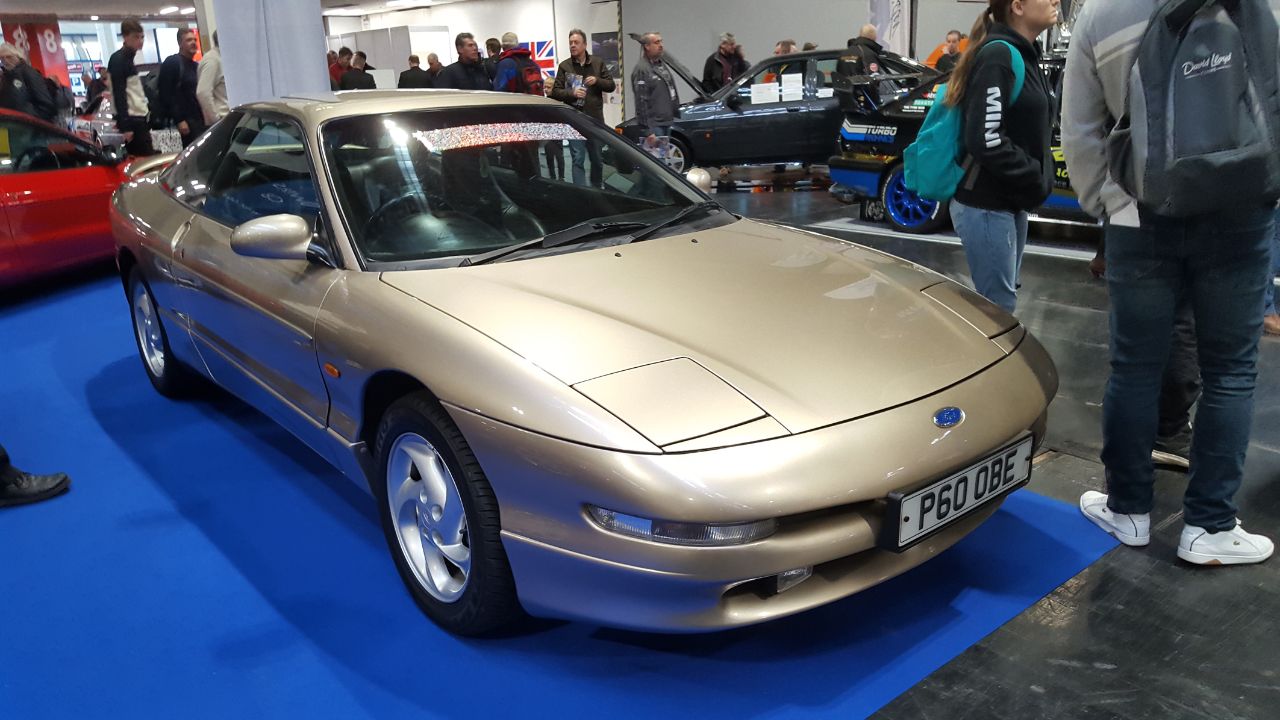
Walk up to a second-generation Probe today and you’ll notice how contemporary the styling still looks.
The 1993 redesign brought a smooth, aerodynamic shape with a drag coefficient commonly cited around 0.33 (figures vary by source), which was exceptional for an affordable coupe. Those flush-mounted headlamps, the wraparound greenhouse, and the wedge profile were cutting-edge at the time and influenced countless sport compacts that followed.
Ford’s design team, created something that looked expensive and European rather than bargain-basement domestic. The interior followed suit with a driver-focused cockpit that angled controls toward the pilot, a layout that feels modern even now.
While some 1990s designs aged poorly, the second-gen Probe’s clean lines and restrained approach to styling have held up remarkably well over three decades.
The GT Model Packed Serious Performance Value
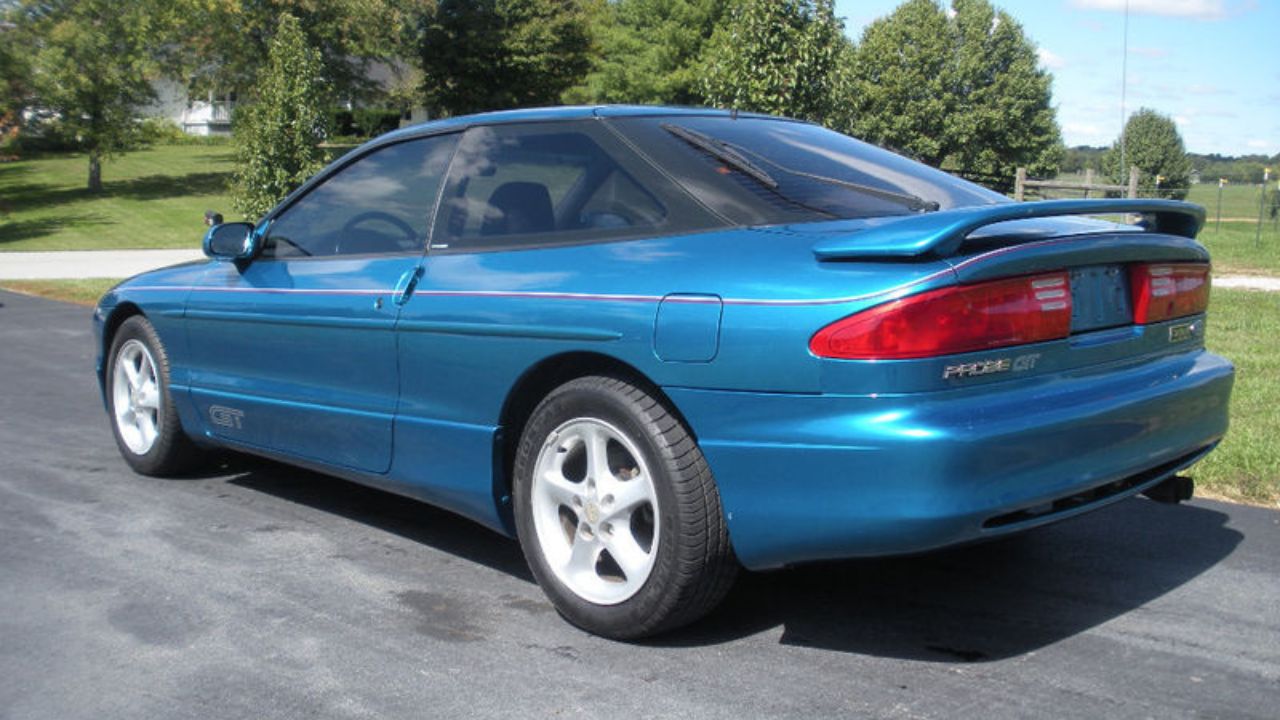
The Probe GT with its 2.5-liter Mazda V6 offered legitimately impressive performance for the money.
With 164 horsepower, instrumented testing put 0–60 mph at about 7.0 seconds and the quarter-mile at about 15.5 seconds. That might not sound earth-shattering today, but in the early 1990s, it put the Probe in legitimate sports car territory with a starting price around $15,500 when new (options could push it much higher).
The V6 delivered smooth power across the rev range with a pleasant growl at higher RPMs that rewarded enthusiastic driving. Paired with either a five-speed manual or a four-speed automatic, the GT variant handled highway merging and backroad carving with equal confidence.
Ford positioned it directly against the Acura Integra, Toyota Celica, and Honda Prelude (back when it was cool), and it held its own in comparison tests, often praised for offering more performance per dollar than its Japanese competitors.
The Handling Was Shockingly Good for a Front-Driver
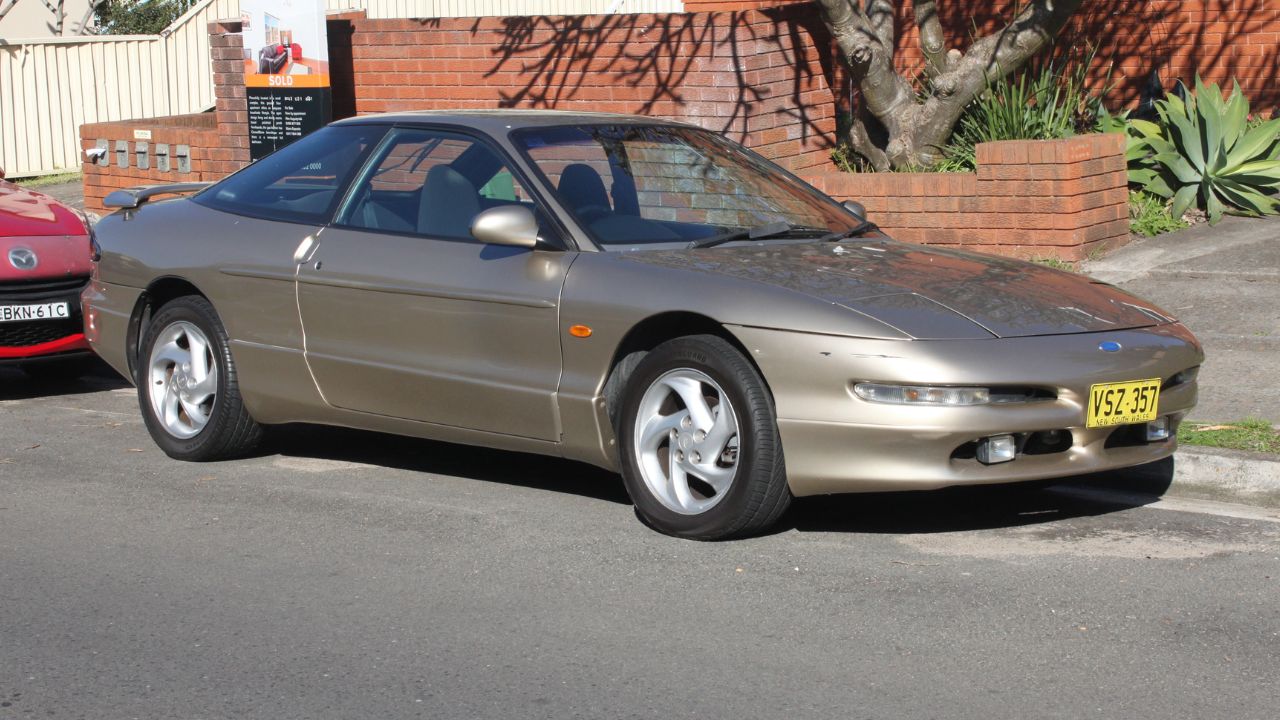
One of the Probe’s most underappreciated qualities was how well it handled, especially for a front-wheel-drive car from that era.
The MacPherson strut front suspension and Ford’s “Quadra-Link” multi-link rear suspension, borrowed from Mazda’s parts bin, provided excellent balance and minimal body roll. The GT model came with larger sway bars and performance-tuned dampers that made it genuinely fun on twisty roads. Understeer was well-controlled, and the chassis communicated what was happening at the contact patches better than most front-drivers.
Car magazines consistently praised the Probe’s steering feedback and cornering composure, with some testers noting it felt more planted than the contemporary Mustang in tight sections. While it couldn’t match rear-drive dynamics, the Probe maximized what was possible with its layout, delivering confidence-inspiring handling that made weekend drives genuinely entertaining.
The Base Model With the Four-Cylinder Was No Slouch
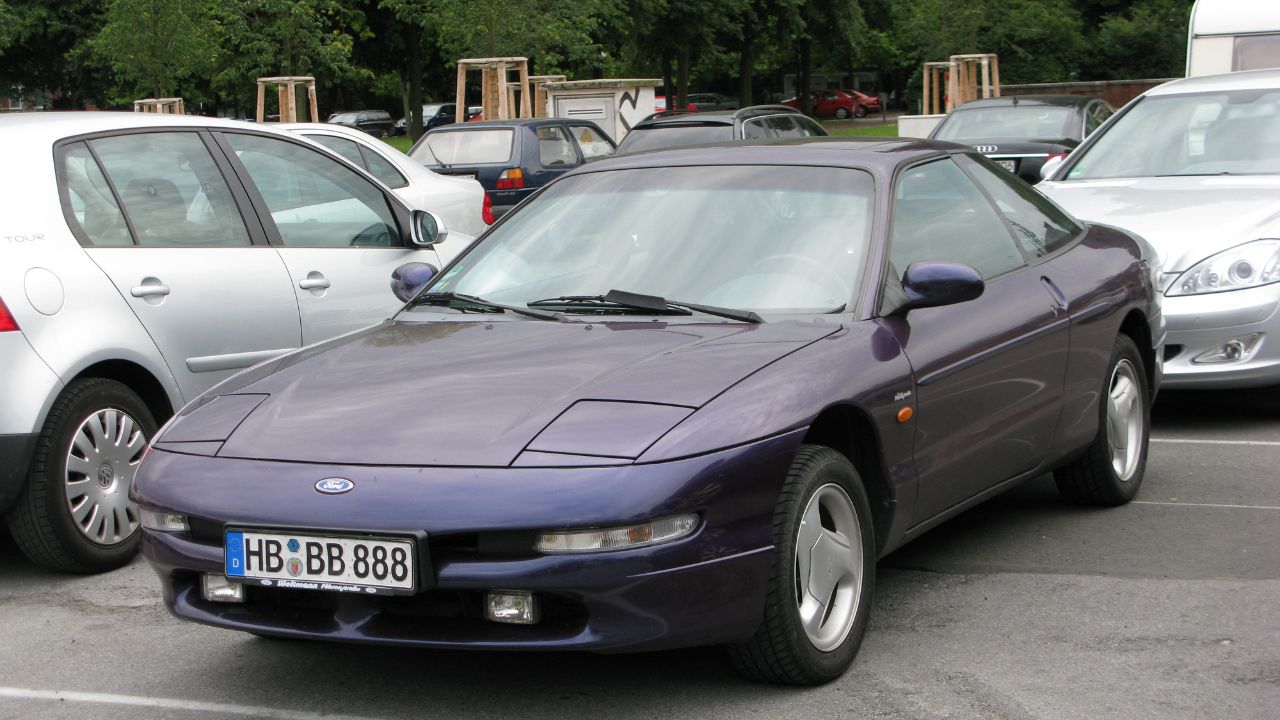
Not everyone needed the V6 GT, and Ford made sure the base Probe with the 2.0-liter four-cylinder was still engaging to drive.
This Mazda-sourced engine produced 115 horsepower in early second-gen cars (rising to 118 hp in later years), which was adequate for daily driving and still delivered respectable fuel economy in the mid-to-high 20s mpg combined, depending on year and transmission. The lighter weight of the base model actually made it feel nimble and tossable, especially with the manual transmission.
Insurance costs were lower, maintenance was simpler, and the suspension was tuned slightly softer for everyday comfort without sacrificing too much sportiness. For younger buyers or those who prioritized practicality over outright speed, the base Probe offered excellent value.
It proved you didn’t need the range-topping model to enjoy the car’s fundamental strengths, good visibility, comfortable ergonomics, and decent handling dynamics were standard across the lineup.
The Interior Quality Was a Pleasant Surprise
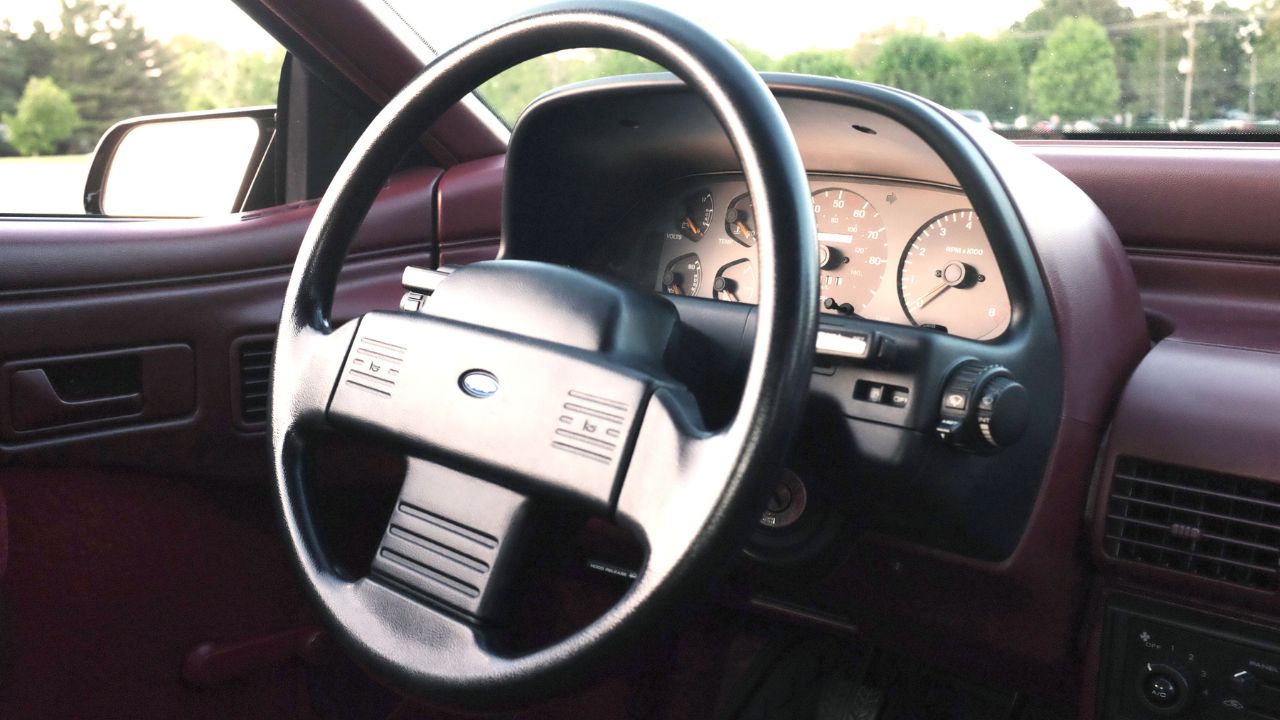
Step inside a well-maintained Probe and you’ll find an interior that punches above its price point. The dashboard layout was logical and driver-focused, with clear gauges and controls that fell easily to hand. Material quality was solid for the segment, with soft-touch surfaces in key areas and durable plastics elsewhere that held up well over time.
The seats offered good bolstering in the GT model, and even taller drivers found adequate headroom despite the coupe’s low roofline. Climate controls were straightforward, and the optional leather in higher trims felt genuinely upscale for a car in this price range. Ford even managed to include thoughtful touches like a fold-down rear seat for extra cargo space and decent cupholders, details that enhanced everyday usability.
Compared to some cost-cut interiors from domestic competitors, the Probe’s cabin felt like it belonged in a more expensive car.
It Offered Impressive Refinement for the Money
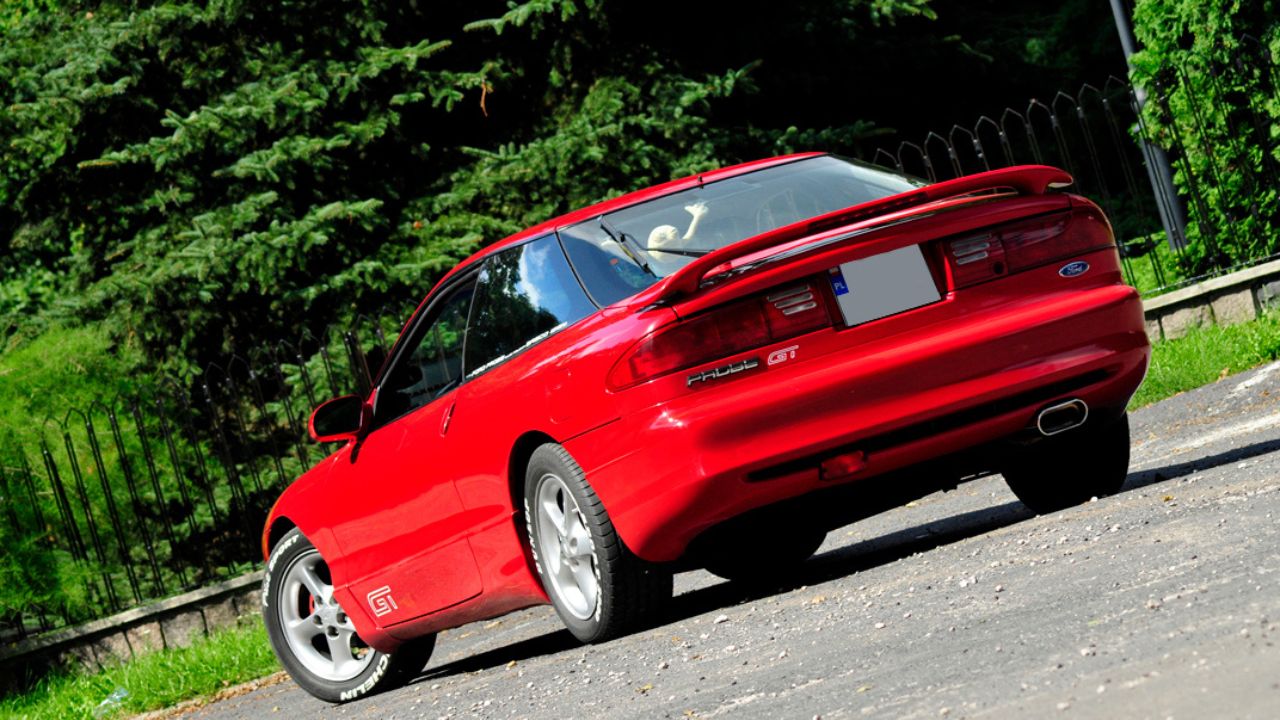
What often gets lost in discussions about performance is how refined the Probe felt in regular driving.
Wind noise was minimal thanks to that slippery aerodynamic shape, and road noise was well-damped even on rougher surfaces. The suspension soaked up highway expansion joints without jarring impacts, making long-distance cruising comfortable and fatigue-free. Engine vibration was minimal in both the four-cylinder and V6 variants, and the manual transmission shifted smoothly with well-defined gates.
This refinement extended to small details like solid-feeling door closures and minimal squeaks and rattles, even as the cars accumulated miles. For buyers cross-shopping Japanese coupes, the Probe’s polish and quietness stood out as major selling points.
Ford proved it could build a car that felt sophisticated and mature rather than cheap and buzzy, which helped attract buyers who might have otherwise gone straight to Honda or Toyota.
The Aftermarket Potential Was There From the Start

Enthusiasts quickly discovered the Probe’s tuning potential, particularly the GT model with its Mazda-based V6.
The shared platform with the MX-6 meant that many performance parts were interchangeable, opening up a world of suspension upgrades, exhaust systems, and handling improvements. Engine modifications ranged from simple bolt-ons like cold air intakes and headers to more serious work like turbocharger kits. The chassis responded well to lowering springs and upgraded sway bars, and the brakes could be enhanced with larger rotors and performance pads.
Several companies offered appearance upgrades too, from body kits to aftermarket wheels that complemented the sleek design. While the Probe never developed the massive aftermarket following of a Civic or Integra, dedicated enthusiasts found plenty of ways to personalize and improve their cars.
Online forums and clubs shared knowledge about what worked, creating a small but passionate community that kept modded Probes running strong.
It Proved Front-Drive Sport Coupes Could Be Serious
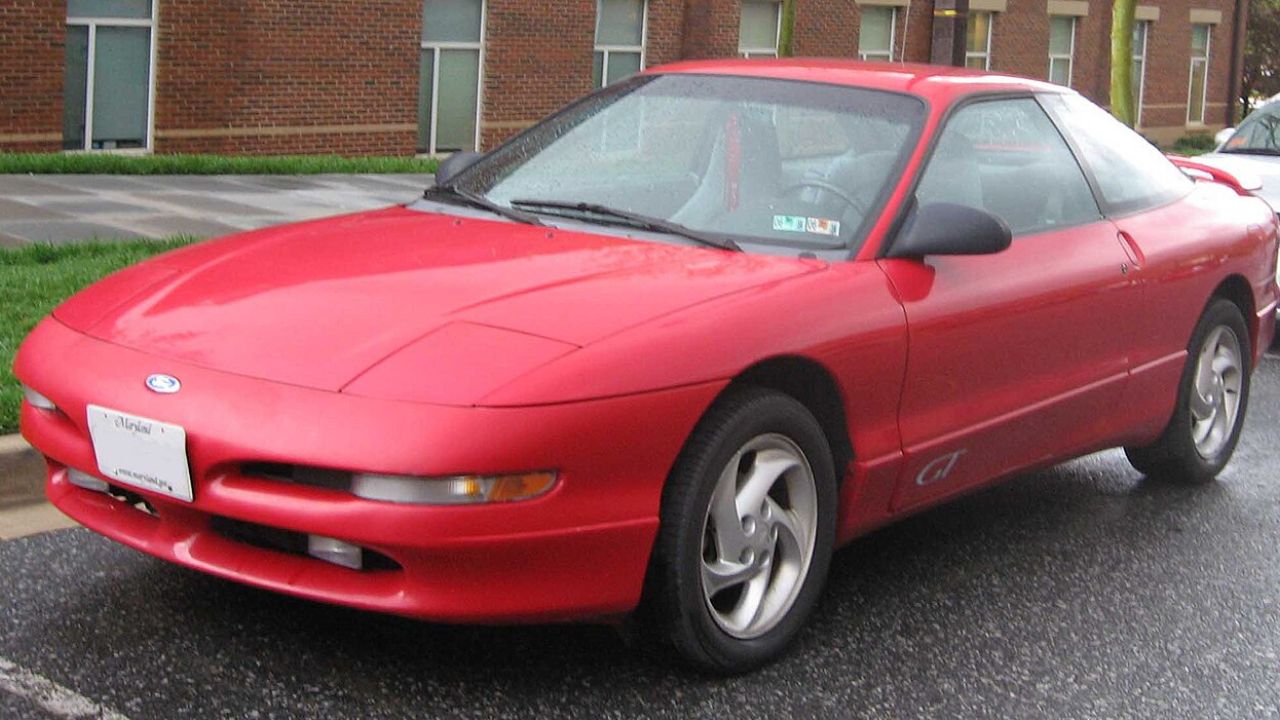
The Probe arrived at a pivotal moment when the industry was debating whether front-wheel-drive could deliver genuine sporting credentials.
Traditional enthusiasts scoffed at the idea, insisting real sports cars needed rear-wheel drive. The Probe helped change that conversation by demonstrating that with proper engineering, a front-driver could be engaging, balanced, and rewarding to drive hard. Its success paved the way for acceptance of later front-drive performance cars and showed that layout alone didn’t determine a car’s character.
Professional reviewers consistently ranked it among the best-handling front-drive coupes available, often preferring its dynamics to pricier competitors. The Probe showed that thoughtful chassis tuning, quality components, and attention to weight distribution mattered more than driven-wheel ideology.
While purists might never be fully convinced, the Probe earned respect from open-minded enthusiasts who judged it on how it actually performed rather than on preconceptions about its mechanical layout.
The Reliability Was Better Than Its Reputation Suggests

Many people assume domestic cars from the 1990s were reliability nightmares, but the Probe tells a different story.
The Mazda-sourced engines were generally robust, and the Japanese manufacturing quality at the Flat Rock plant contributed to solid build integrity. Owners who maintained their Probes properly often saw them sail past 150,000 miles without major issues.
Common problems were relatively minor, things like worn motor mounts, failing power window regulators, and eventual wear on suspension bushings. The V6 could develop oil leaks as it aged, but catastrophic failures were rare. Transmission reliability was decent in manual-equipped cars, though the automatic could be less durable under hard use. Overall, a well-cared-for Probe proved to be a dependable daily driver that didn’t require constant repairs or leave owners stranded.
The combination of Mazda engineering and Ford parts availability meant that keeping these cars running was both feasible and affordable compared to some contemporaries.
Finding a Clean One Today Is Getting Harder

As with many affordable sport coupes from the 1990s, clean examples of the Probe are becoming increasingly scarce.
Many were driven hard, modified heavily, or simply worn out and scrapped when repair costs exceeded their value. Rust has claimed numerous examples in salt-belt states, and the rising interest in 1990s automotive nostalgia hasn’t yet elevated the Probe to collectible status. That’s starting to change as enthusiasts recognize what’s being lost and begin preserving the best survivors. Well-maintained GT models with low mileage can still be found, though prices are creeping upward as people realize these cars won’t be around forever.
The Probe occupies an interesting position, not quite common enough to be disposable, not quite special enough to have been carefully preserved. For collectors interested in underappreciated 1990s performance, now might be the time to secure a good example before they become genuinely hard to find or prices rise significantly.
Conclusion
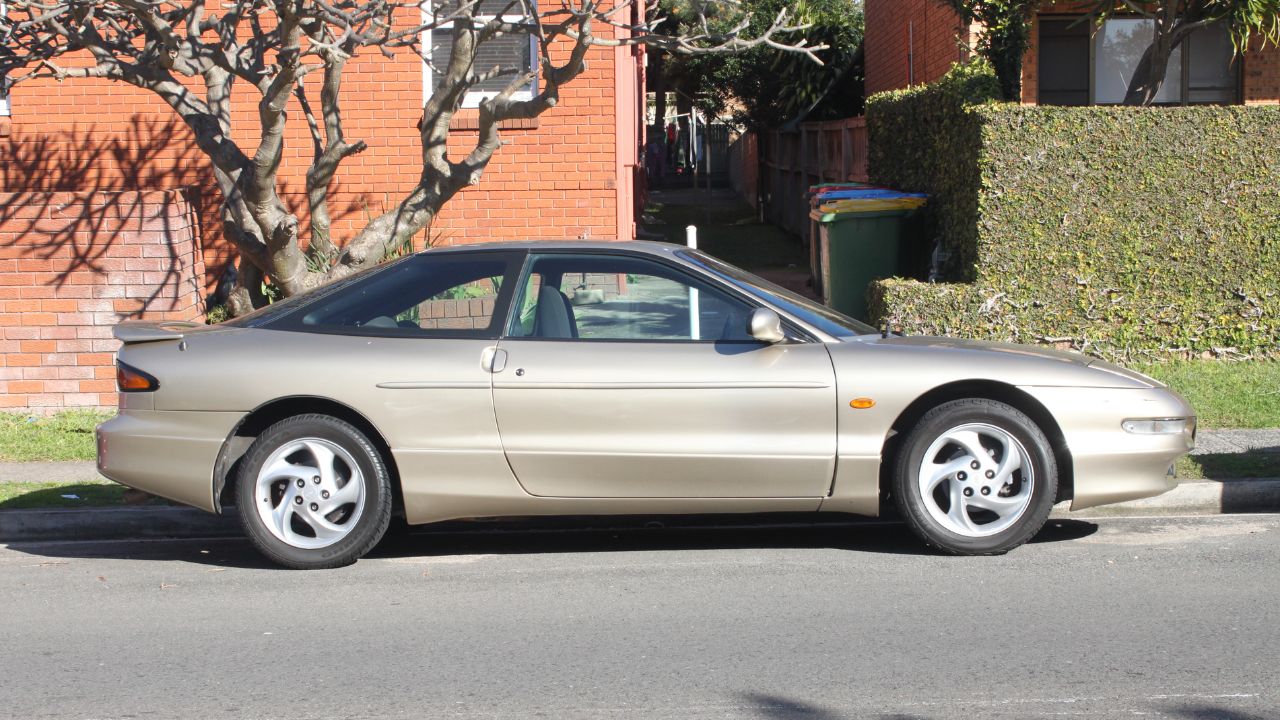
The Ford Probe deserves recognition as more than just an interesting footnote in automotive history with a silly name. It represented Ford’s genuine attempt to build a world-class sport coupe by learning from the best in the business and refusing to compromise on driving dynamics.
The combination of Mazda engineering excellence and Ford’s design vision created something that was competitive, capable, and considerably more sophisticated than many people remember. Its influence on the sport compact segment and proof that front-wheel drive could be genuinely engaging helped reshape expectations for affordable performance cars. While it may never escape the shadow of what it almost replaced or achieve the collector status of some contemporaries, the Probe stands as evidence that innovation sometimes comes from unexpected places.
For enthusiasts willing to look beyond the name and the assumptions, there’s a compelling case that this overlooked coupe was actually one of the better performance values of its era.