A beach towel can feel like the simplest travel item in the world. Pack it, unfold it, sit on the sand, and enjoy the day.
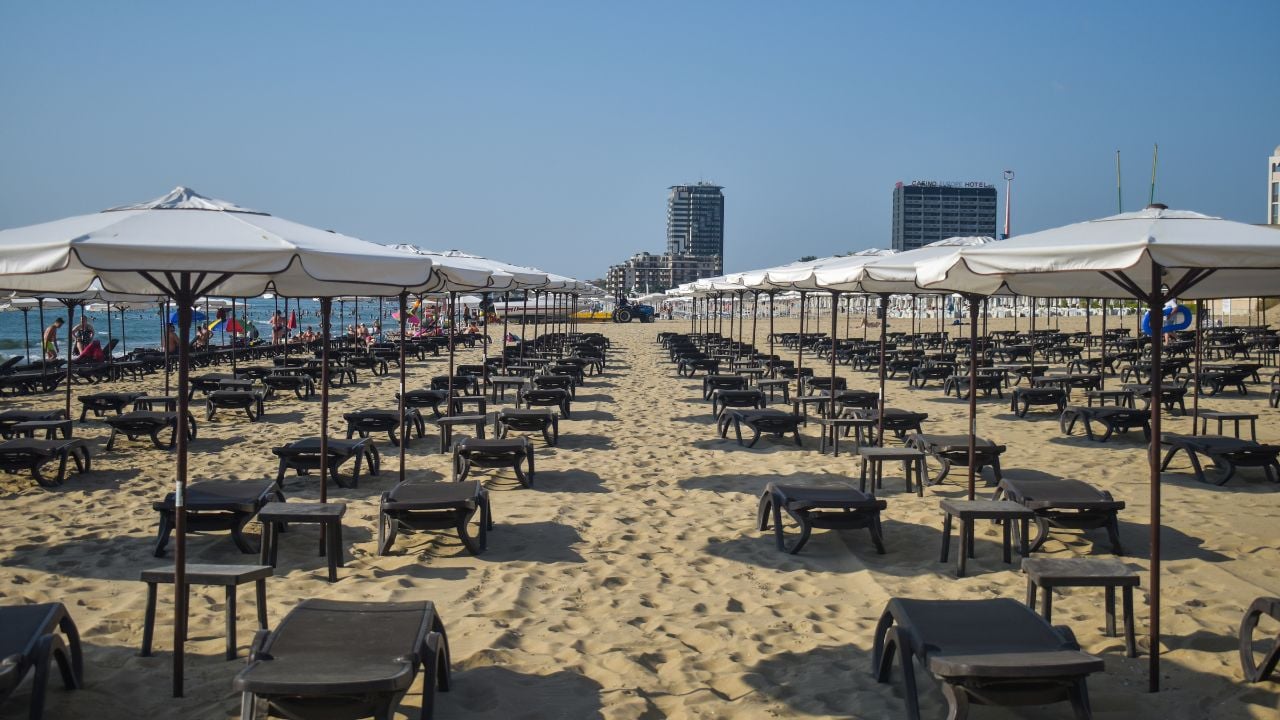
In some European resort towns, the problem starts when a towel, umbrella, chair, or lounger is left behind to hold space while nobody is actually there. A beach that looks full of “reserved” spots may have very few people using them.
The rule is not the same across Europe. Some towns remove items left before cleaning hours, some set a limit for unattended belongings, and others rely on broader rules against occupying public beach space.
Visitors should follow the signs where they are staying. Bring the towel when you arrive, take it when you leave, and do not assume a piece of fabric can hold public sand for hours.
1. Using a Towel Is Fine; Abandoning It to Hold Space Is the Problem
No serious beach rule is aimed at travelers who bring a towel and sit on it. The issue is using towels, umbrellas, chairs, tables, or loungers as placeholders while the owner leaves for breakfast, lunch, shopping, or several hours away from the beach.
On crowded beaches, that habit blocks public space without anyone actively using it. It can interfere with cleaning crews, make the shoreline look full before people arrive, and leave other families searching for open sand beside empty towels.
A short swim, restroom break, or quick water purchase is different from setting up at dawn and returning late in the morning. The risk begins when belongings are left unattended long enough for local rules to treat them as abandoned or as an attempt to reserve space.
Check signs at the beach entrance and near lifeguard posts. If a notice mentions unattended belongings, beach cleaning hours, or prohibited reservations, follow that local rule instead of guessing from habits in another resort town.
2. Calpe, Spain
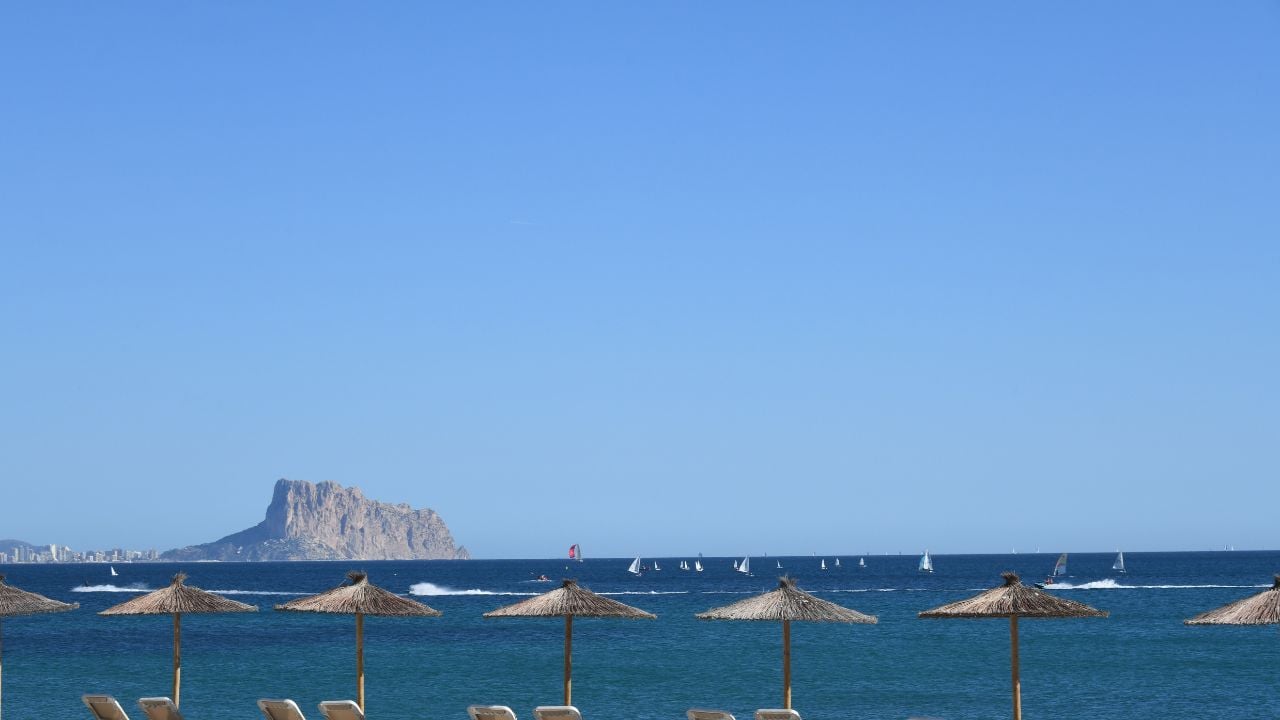
Calpe, on Spain’s Costa Blanca, has one of the clearest beach-space rules for visitors. The town’s official notice says umbrellas, chairs, hammocks, and similar items placed on beaches before 9:30 a.m. may be removed because they interfere with cleaning work.
The same Calpe notice says items left for more than three hours without the owner present can be removed and taken to the municipal depot. The rule specifically targets the early-morning habit of occupying public beach space before anyone is actually using it.
Travelers may see front-row spots filled with gear before breakfast and assume the system is accepted. In Calpe, that assumption can leave them looking for missing belongings instead of enjoying the beach.
The cleaner approach is to set up when the group is ready to stay. If everyone leaves for a long meal, shopping trip, or hotel break, take the towel and beach gear too.
3. Rincón de la Victoria, Costa del Sol, Spain

On the Costa del Sol, Rincón de la Victoria gives another clear example of how strict some Spanish beach towns can be about abandoned gear. Its municipal beach notice bans reserving physical space on the sand at any time of day or night by leaving objects such as chairs, umbrellas, tables, awnings, or tents without the owner physically present for more than one hour.
The official beach notice says objects found that way can be removed and stored by municipal services for up to fourteen days. After that period, unclaimed stored by municipal services for up to fourteen days. After that period, unclaimed items can be treated as waste.
That one-hour threshold is much shorter than many visitors expect. A towel left through a long hotel breakfast or extended lunch can stop being a saved place and become a municipal problem.
Rules can change from one municipality to the next, even along the same coastline. A habit tolerated in one town may lead to removal, storage, or a fine in another, so local signs matter more than general beach etiquette.
4. Italy’s Public Beaches
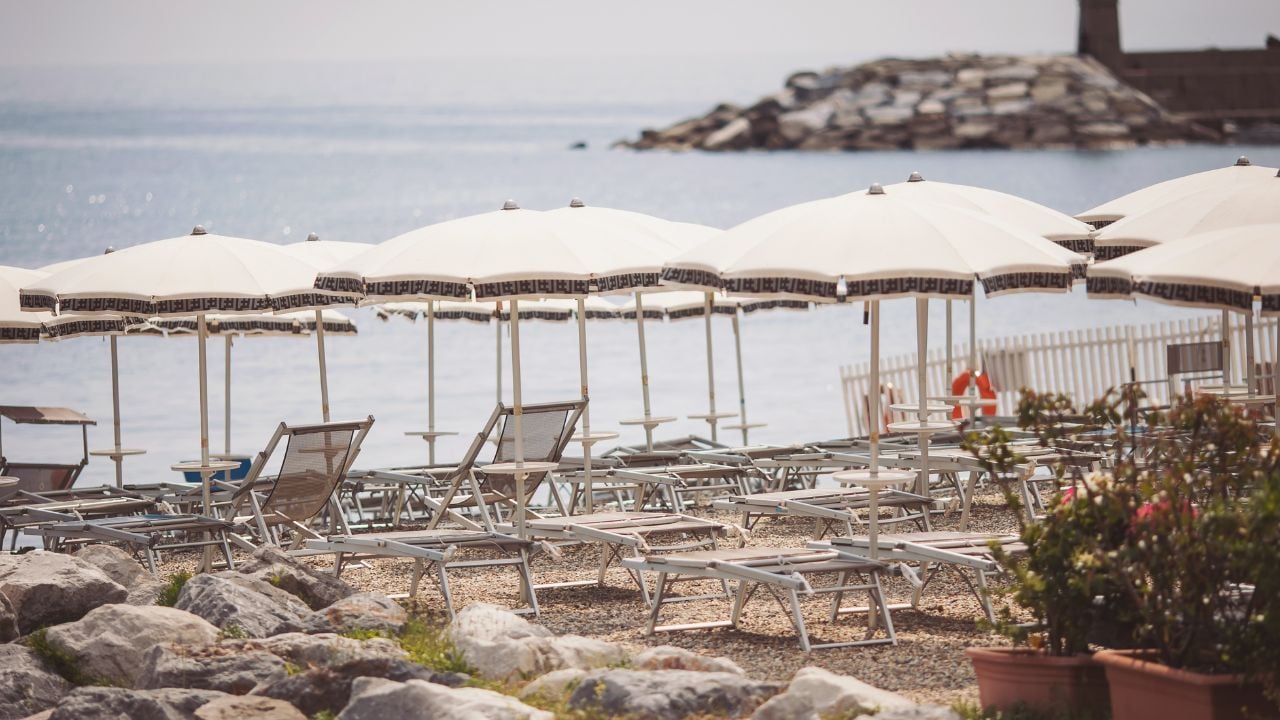
Italy has a long-running fight over people leaving umbrellas, chairs, towels, and other gear on public beaches to hold space. The broad legal backdrop is the maritime public domain, where beach space cannot simply be occupied as if it were private property.
Italy’s official Gazette text for Article 1161 of the Navigation Code refers to the arbitrary occupation of maritime-domain space and cases where public use is obstructed. That legal principle helps explain why unattended beach gear can become a problem on free public beaches.
Enforcement often happens through local rules and beach checks. In 2025, La Gazzetta Marittima described a Guardia Costiera operation in which umbrellas, beach chairs, and other gear were removed and seized after being left to reserve space.
For visitors, the distinction is simple: sitting on a towel is normal, but leaving equipment behind to control a piece of public beach can be treated differently. Take the gear when leaving for a long break, especially on free beaches where space is limited.
5. Croatia’s Adriatic Towns
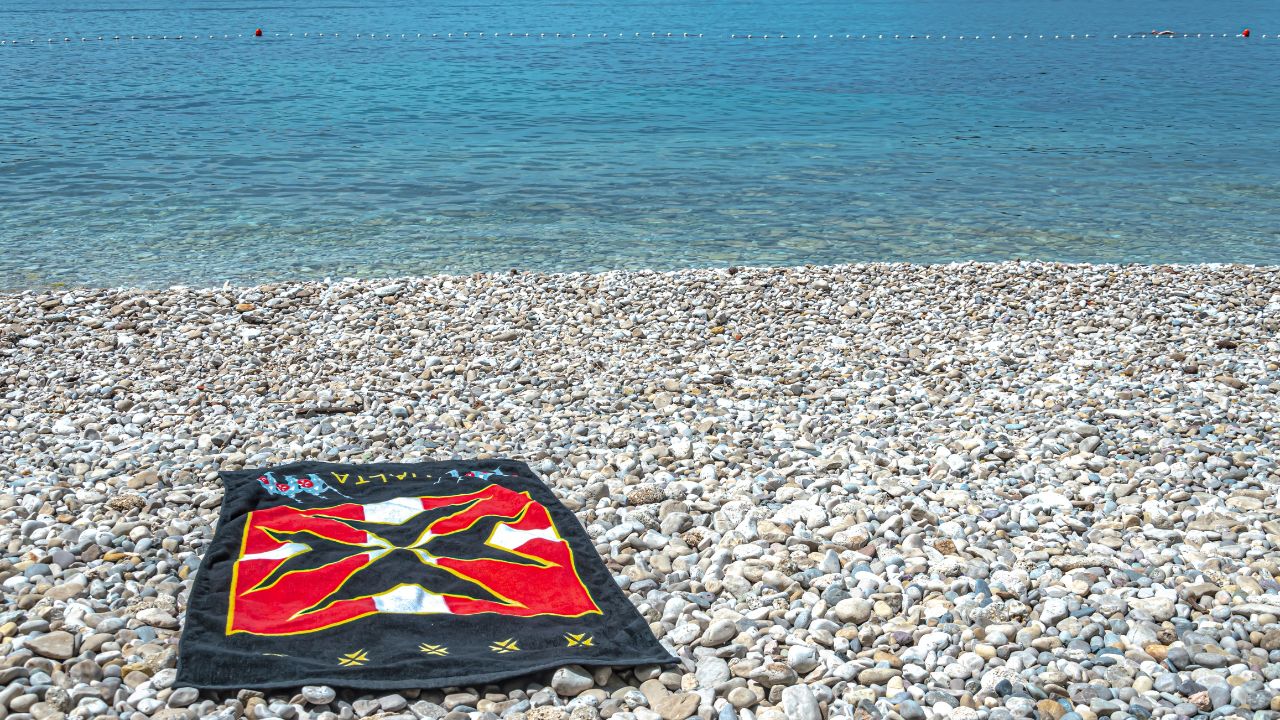
Croatia has seen the same frustration on busy Adriatic beaches. The issue is not a towel beside someone who is swimming nearby; it is towels, loungers, umbrellas, and inflatable gear left behind to claim space before the beach day starts.
Croatian public policy treats beaches as space for general use. A Croatian Parliament summary of the 2023 Maritime Domain Act says beaches must be available to everyone and that no admission may be charged, which helps explain why towns object when people try to control public shoreline with abandoned belongings.
In Tribunj, Vreme wrote that the mayor announced belongings used to reserve places on the beach could be collected by municipal services and retrieved with a fine. A separate Sloboden Pečat account quoted local officials saying multilingual signs warn beachgoers against that behavior and that fines can reach €260.
Other Croatian resorts have used removals, warnings, or fines to deal with the same habit. The safer rule for visitors is to keep their towel with them unless they are actually using the space, then clear everything when they leave the beach.