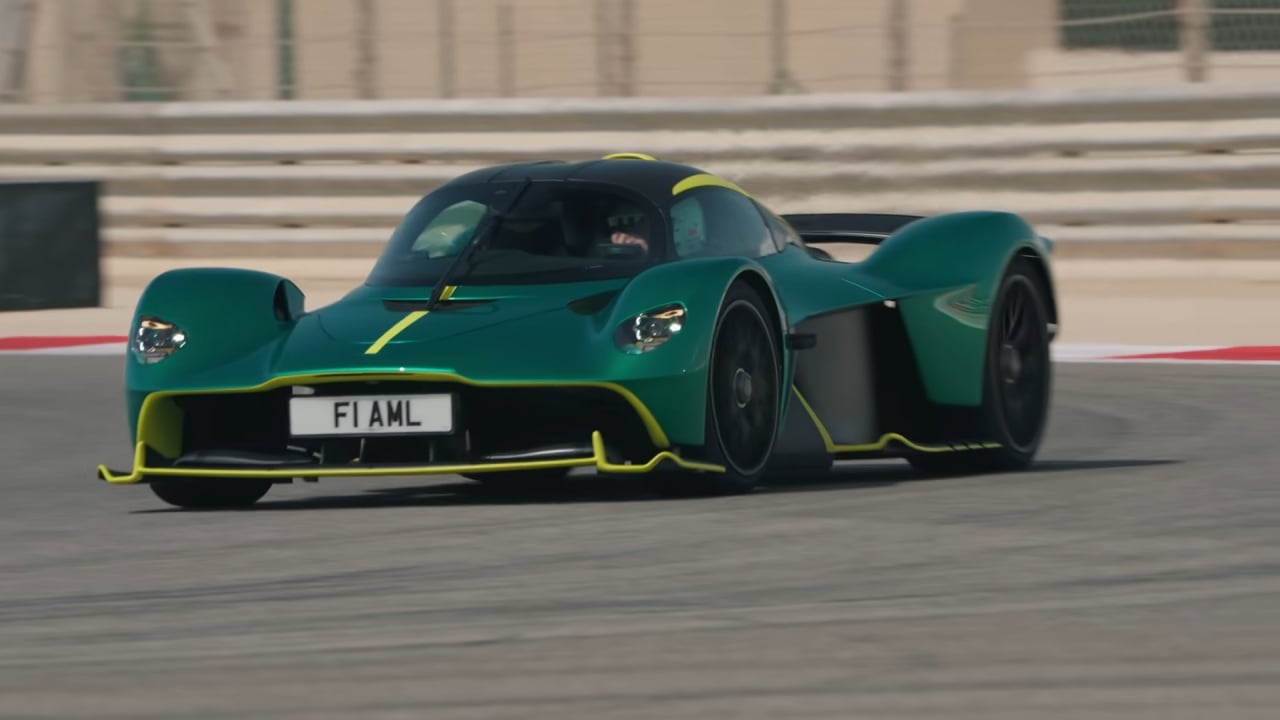
There is no denying how incredible the Aston Martin Valkyrie is. With a naturally-aspirated V12 under the hood and some hybrid power, it is a real force in the hypercar world, and with design genius Adrian Newey responsible for much of the car, it has real racing DNA as well.
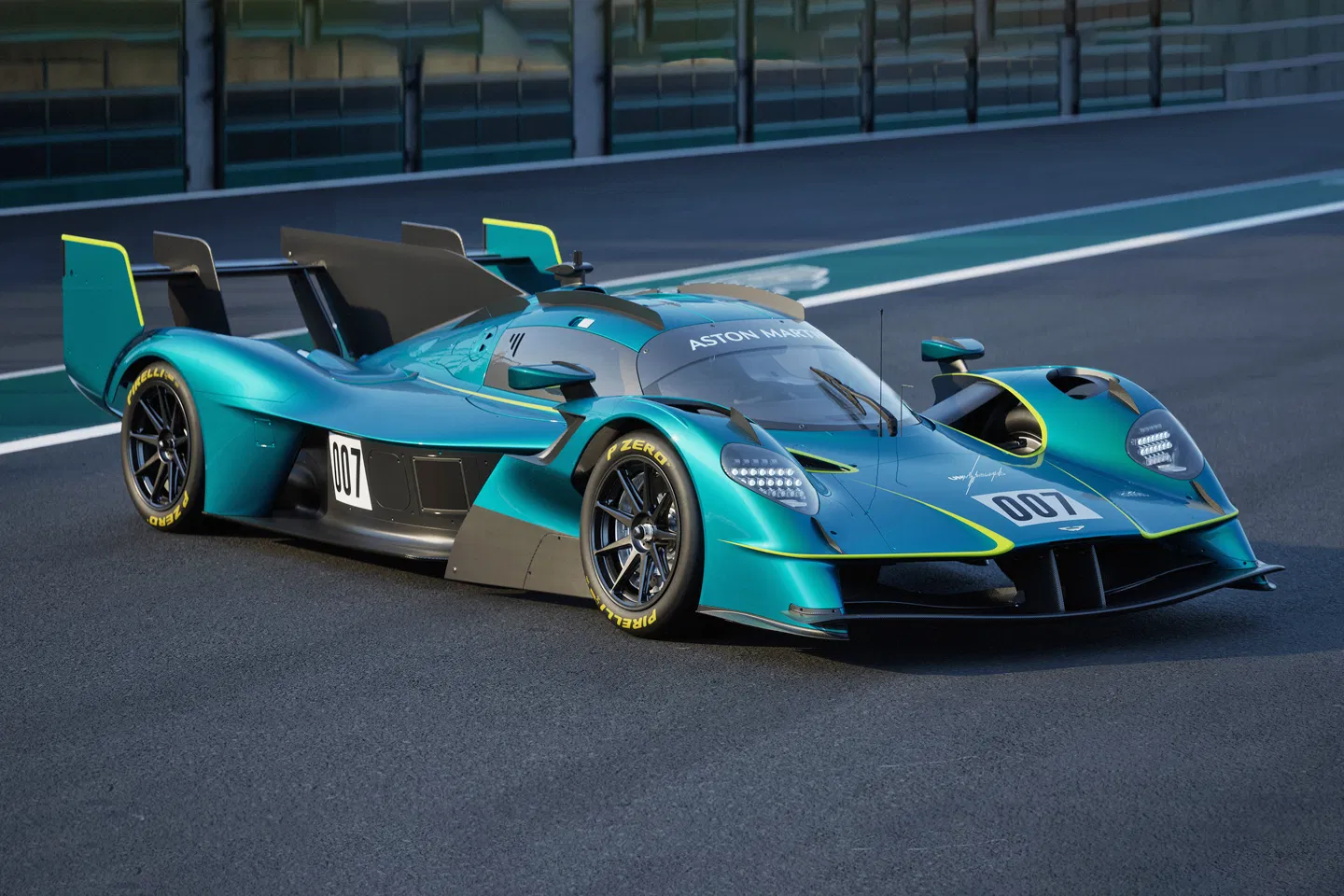
It’s also become arguably the most popular car in motorsports right now. The Valkyrie currently races in both the WEC and IMSA series, and in those it has ditched the hybrid power to race fully as a V12, and produces an incredible soundtrack as it flies around the world’s racetracks.
Yet there have been some bumps in the road, most notably with delays to production. But now, Aston Martin has issued a recall for the Valkyrie for the cars that are equipped with the track suspension. But digging deeper, this isn’t a standard recall.
Aston Martin has said that it relates to a seal within one of the brake master cylinders, and that seal could potentially deform. Amazingly, though, the issue is only present if the Valkyrie is driven in a very particular way. Which probably isn’t something you can say about most recalls!
Why Has the Valkyrie Been Recalled?
According to Aston Martin, the recall actually only impacts seven 2024 Valkyrie hypercars. Regarding the seal, if it does deform, a whole heap of problems could be caused by it. The issue prevents brake fluid from returning to the reservoir when the pedal is released. If this happens, the brake pressure won’t be released, causing all sorts of other issues.
If the fluid builds up to a certain saturation point, the brakes may then drag on the brake disc. If the car is already being driven aggressively, and if the brake disc temperatures are hot enough, they could ignite the resin in the carbon fiber rear brake cooling duct. That would cause a fire, and it could rapidly become very unsafe. Thankfully, this only becomes an issue if the car is driven in a certain way.
Brake dragging will occur if the following take place;
- The car is being driven in a track environment
- The Electronic Stability Program is set to Sport, Track, or Off
- The Valkyrie is in an oversteer slide or drift and has exceeded the yaw rate and body slip angle thresholds.
- The driver is counter-steering against the oversteer condition enough that the ESP intervenes, braking the front inside wheel while the front outside brake builds fluid pressure
- The Valkyrie must be sliding sideways at a very high speed
- The driver must be using the throttle either during or just before brake application so that the ESP intervenes on the rear inside wheel
- Brake pressure will build up in the rear inside wheel to prevent it from spinning
- The driver must then apply the brake pedal forcefully at the exact moment both the front and rear brakes of the circuit have been pre-filled due to ESP interventions
This Won’t Affect the Aston Martin Valkyrie on the Road
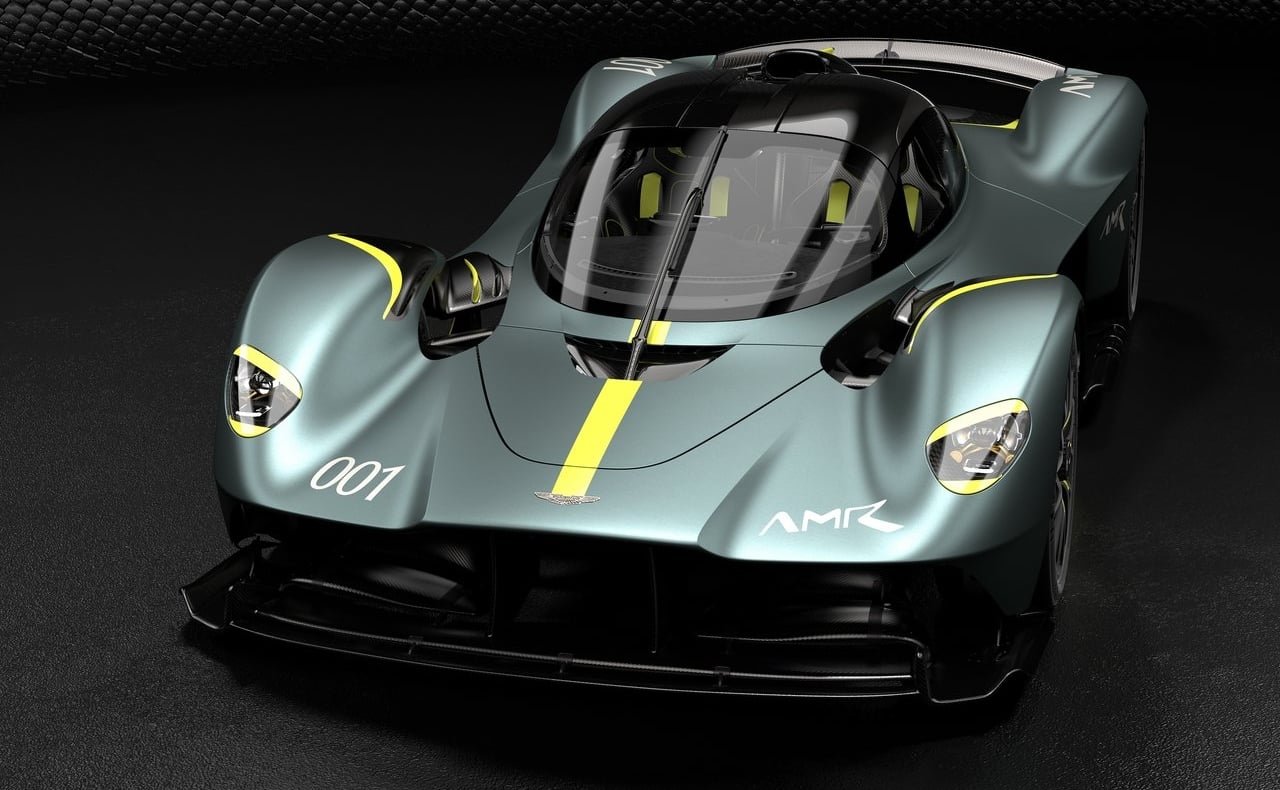
Originally, the Valkyrie wasn’t meant to have an ESP or adjustable traction control. That is where the issues stem from. The issue was first identified in November 2022, and a new part to fix the problem was rolled out in September 2025. The problem has been deemed big enough, however, for the company to issue a recall.
As it is unlikely the Valkyrie would be driven in the above manner on a normal, public road, it is unlikely to take place on a regular drive. But despite that, Aston Martin has said those affected should take the car to a dealership, and a technician will replace the brake master cylinder. The company will no doubt sleep easier at night when it knows the affected models have been fixed.