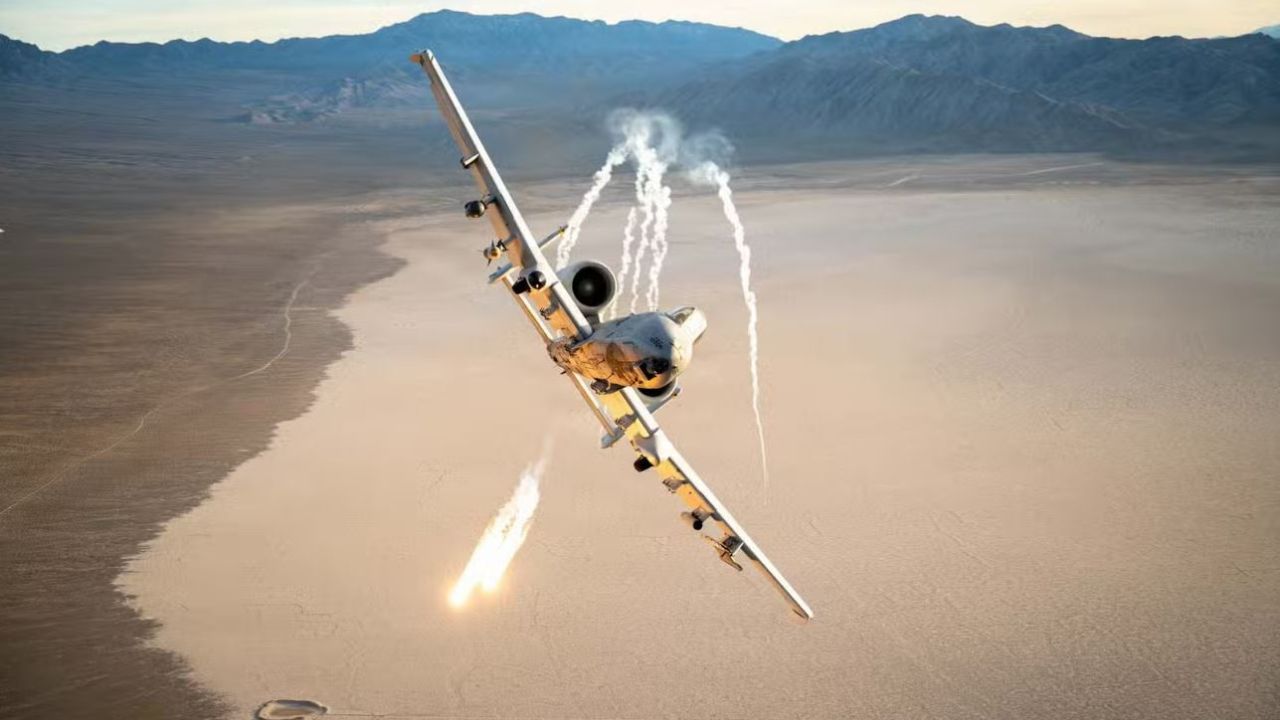

The U.S. Air Force has made a decision that feels almost out of place in an era obsessed with next generation technology. The A-10 Thunderbolt II, better known as the Warthog, is staying in service until at least 2030.
This decision to keep the Warthog in service a bit longer is driven by real combat demands, industrial limitations, and a stubborn in-your-face truth about machines that simply work.
For years, the Air Force has tried to retire the A-10.
The aircraft dates back to the 1970s, built around a single purpose: close air support. It flies low, takes punishment, and delivers devastating firepower with its GAU-8 Avenger cannon.
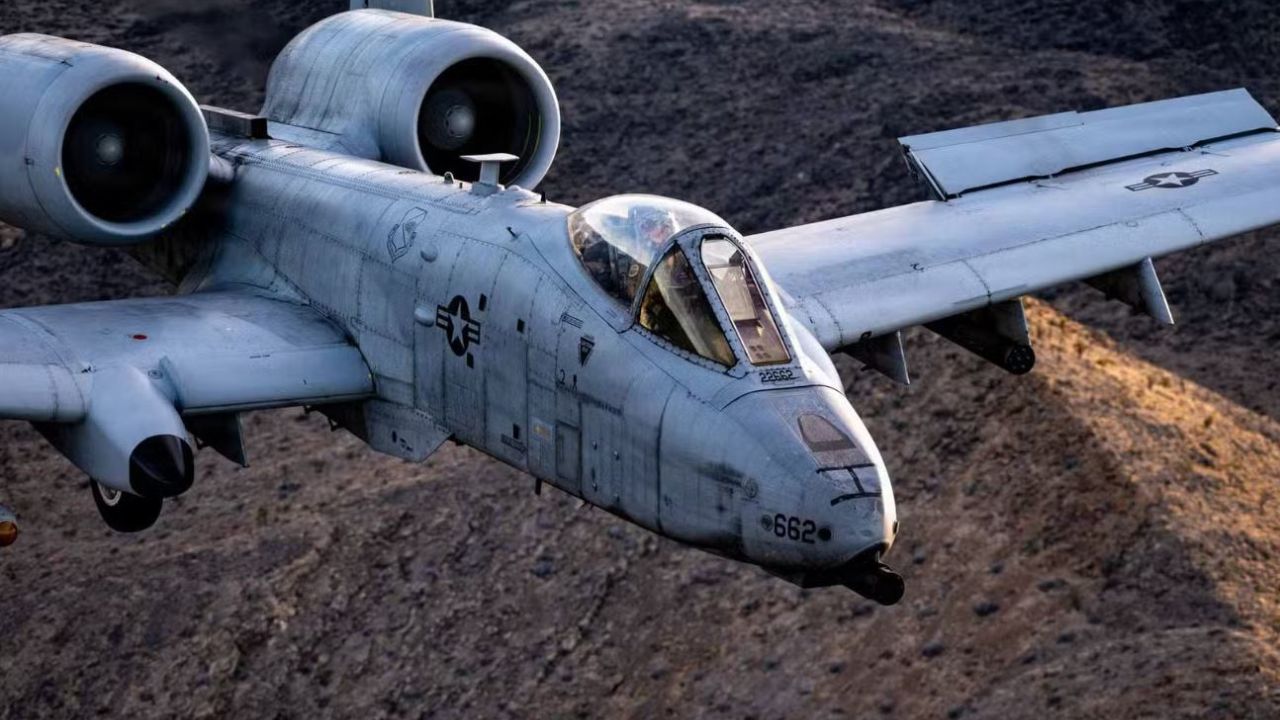
In modern defense planning, though, that kind of specialization has been, apparently erroneously, dismissed outdated. The future is supposed to belong to stealth fighters, drones, and multi-role platforms that can do everything.
Yet the battlefield keeps pulling the Warthog back into relevance.
Why the Battlefield Won’t Let Go
Recent operations tied to tensions involving Iran have underlined exactly why.
It turns out when ground forces need precise, sustained support, there is still nothing quite like the A-10. It can loiter over a combat zone, identify targets clearly, and engage with a level of control that faster, higher-flying jets struggle to match.
In messy, close-range engagements, that matters more than radar evasion or top speed.
Extending the Warthog’s retirement to 2030 is also tied to a more uncomfortable, open secret. Namely, the United States does not yet have a true replacement ready.
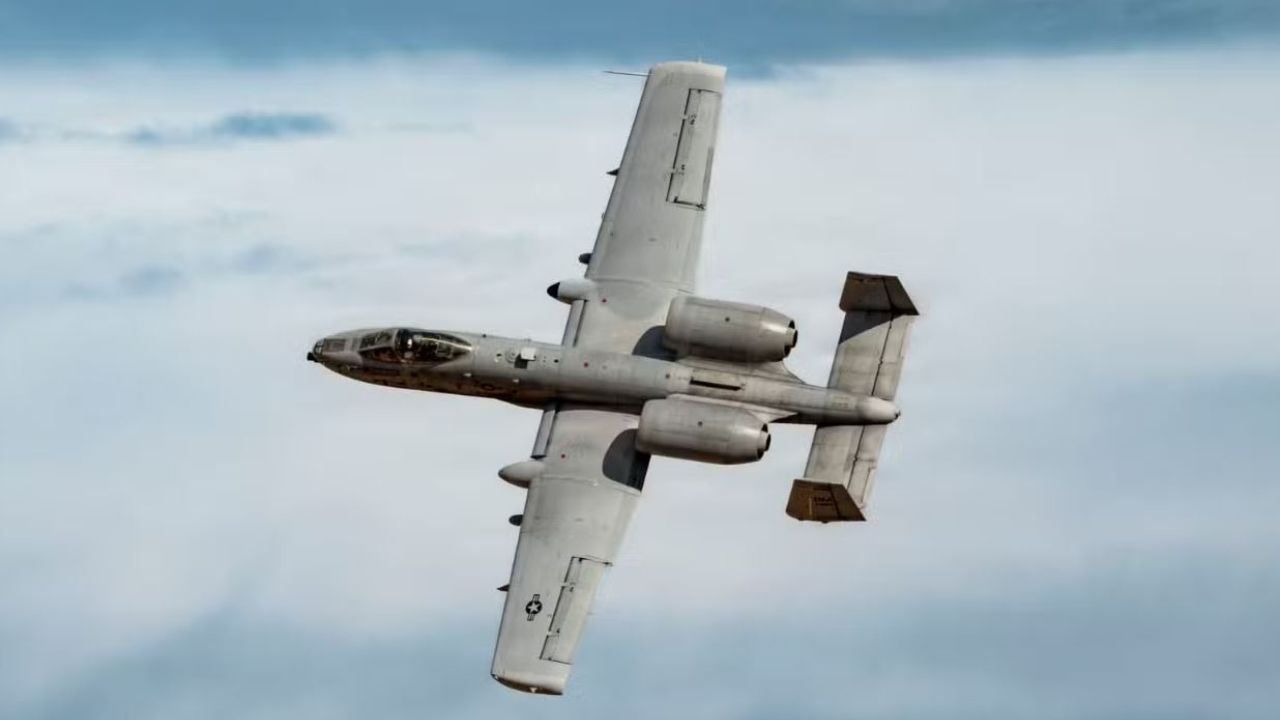
Aircraft like the F-35 bring advanced sensors and stealth, but they are not built around the same mission profile. They are expensive to operate in prolonged close support roles, and their design prioritizes survivability in contested airspace rather than lingering over troops in contact.
There is also the issue of production.
The defense industry is under pressure to scale up output of newer aircraft, but that takes time. Keeping the A-10 in service helps bridge that gap. It ensures that the Air Force does not lose a critical capability while waiting for future platforms and concepts to mature.
The Trade-Offs of Keeping an Old Warhorse
Of course, keeping the Warthog longer comes with trade-offs. The A-10 is costly to maintain as it ages. Parts become harder to source, and sustaining older airframes demands more labor.
It is also more vulnerable in environments with advanced air defense systems. Against a peer adversary with modern surface-to-air missiles, the Warthog would be up against a serious problem.
Still, the aircraft has something that cannot be easily engineered into a newer platform. It has a reputation built over decades of conflict, from the Gulf War to Afghanistan.
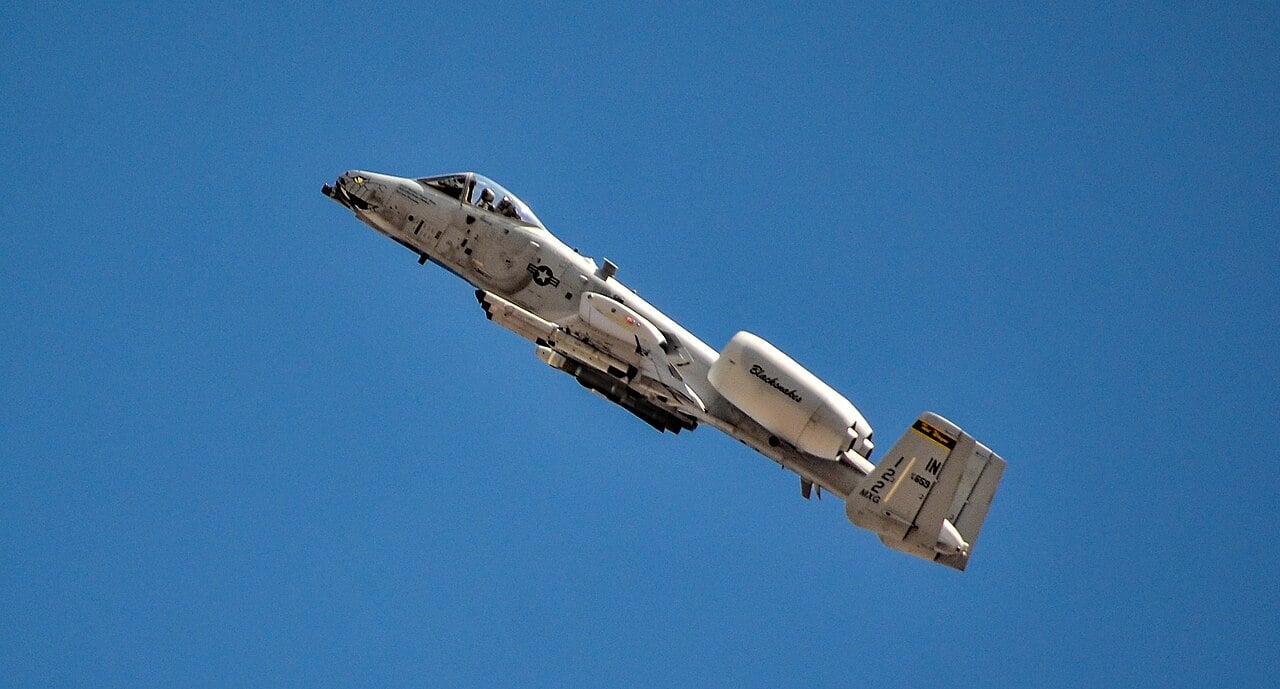
Pilots trust it. Ground troops trust it. That kind of confidence is earned through repeated performance under pressure.
What the Warthog Teaches About Machines That Simply Work
For us who live and breathe all things automotive, the parallel is hard to miss.
The A-10 is the mechanical equivalent of a rugged, overbuilt machine that refuses to be replaced by newer, more complex alternatives.
Think of a car that outlive multiple redesign cycles because they deliver exactly what their users need, without compromise or unnecessary complication.
In that sense, the Warthog’s extended life is less about nostalgia and more about function. The Air Force is not keeping it around for sentimental reasons. It is keeping it because the job still exists, and no successor has fully stepped in to do it better.
By 2030, the expectation is that newer systems will be ready to take over, whether through advanced aircraft, drones, or a mix of both. Until then, the A-10 remains an active part of the lineup. Not as a relic, but as a working tool that continues to earn its place every time it flies.
Sources: Strait Times