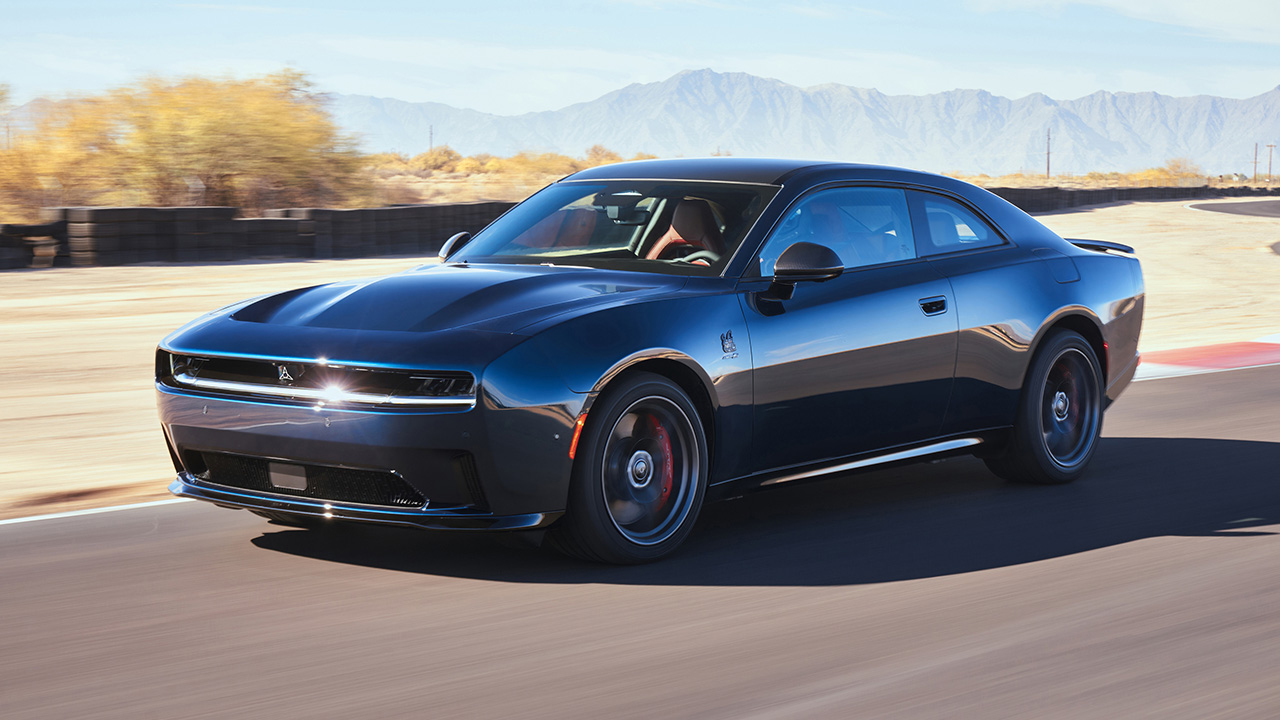
When Edmunds wrapped up its year-long evaluation of the 2024 Dodge Charger Daytona Scat Pack, the editorial team faced a harsh financial reality: the car they bought for approximately $82,000 sold for just $35,000, representing a loss of nearly $47,000 in roughly 12 months and fewer than 7,000 miles on the odometer. That works out to more than half the vehicle’s purchase price gone before it even had time to break in properly.
To put that number in context, a 57% depreciation rate in a single year is extraordinary even by the already-steep standards of the EV market, where new models often take significant value hits as technology improves and competition increases. Most buyers accept some depreciation as part of car ownership. Losing more than half in a year, on a brand-new vehicle, is a different story entirely.
The sale was handled by Edmunds journalist and fleet buyer Brent Romans, whose job it is to purchase and later resell the vehicles used in the publication’s long-term road tests. Even accounting for the well-known tendency of Stellantis vehicles to depreciate faster than average, Romans described the outcome as a gut punch. The expectation going in was that low mileage would soften the blow. It did not.
What makes the story particularly striking is that the Charger Daytona was supposed to be a landmark vehicle, not a cautionary tale. It represented Dodge’s high-profile pivot to electrification, carrying one of the most iconic nameplates in American muscle car history into the EV era. Instead, it became a case study in how quickly the market can render a verdict on a product it does not believe in.
What Went Wrong With the Car Itself
The resale collapse does not exist in a vacuum. Over the course of a year, Edmunds staff members documented a long list of complaints that paint a picture of a vehicle that simply was not ready for the road.
Jonathan Elfalan, director of vehicle testing, flagged a persistent clunking sensation from the motors every time the car moved from a standstill, something he noted was absent from every other modern EV on the market, including those from smaller startups. Senior features editor Clint Simone reported a wheezing climate system and a high-pitched beeping noise that appeared before the car had even crossed 1,500 miles. Other staff noted a backup camera that would only activate after the driver had already finished reversing, radio controls that changed stations on their own, and a regenerative braking system that would randomly stop working mid-drive.
Then there was the incident in which the car got stuck in accessory mode during a company event and had to be towed, only for the dealer to be unable to reproduce or diagnose the problem. There was also an unintended acceleration situation caused by a feature called Drive by Brake, a mode that applies constant low-level power if the system detects an accelerator issue, essentially moving the car forward without driver input until the brakes are applied.
Handling and dynamics drew criticism as well, with testers noting that the brakes faded earlier than expected and that the car’s wide body, comparable in width to a full-size pickup truck, made ordinary parking a genuine challenge. The turning radius drew particular frustration from multiple staff members.
What Buyers Can Learn From This Depreciation Story
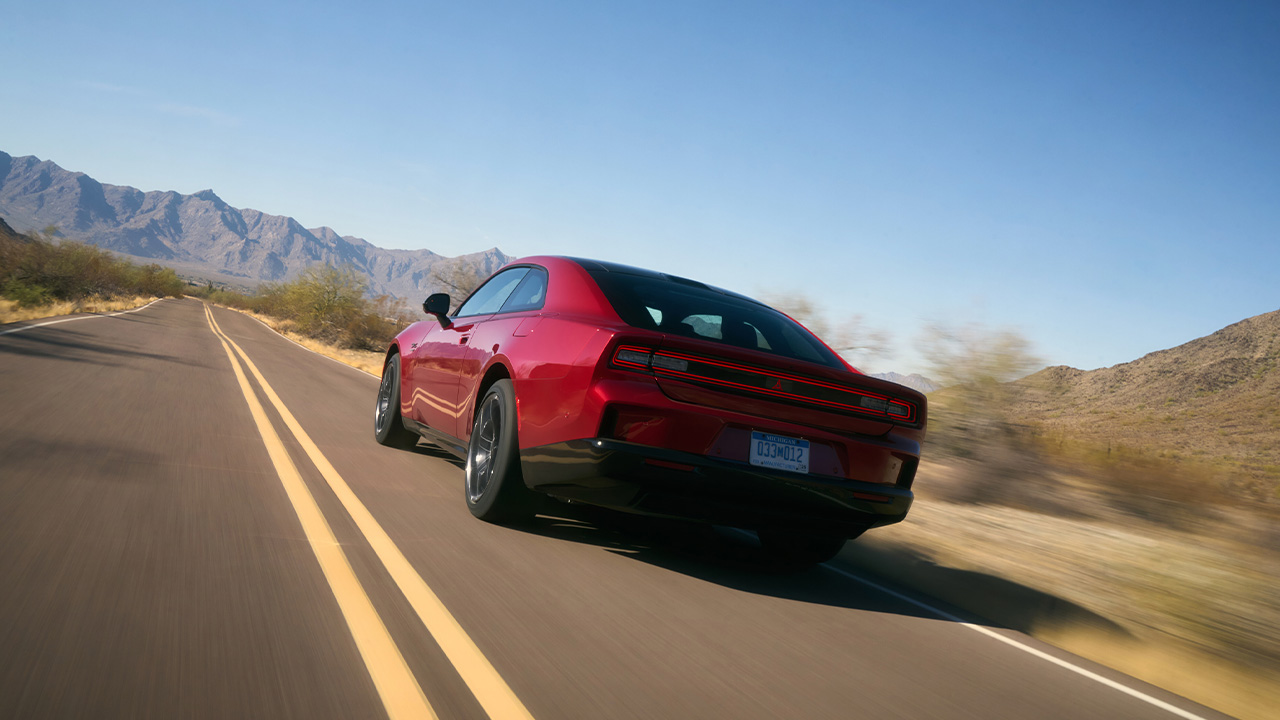
The Charger Daytona’s rapid value loss offers a few clear lessons for anyone shopping in the EV space right now. First, brand legacy does not protect resale value if the execution is poor. The Charger name carries decades of goodwill, but that goodwill did not transfer when buyers and critics found the product underwhelming in nearly every functional category.
Second, the EV market is particularly unforgiving when it comes to quality issues. Unlike gas-powered vehicles where buyers have decades of reliability data to draw from, EV shoppers are still building trust in new drivetrains and electronics. A long-term test full of bugs, glitches, and a tow truck call is exactly the kind of coverage that accelerates resale depreciation.
Third, pricing a vehicle aggressively at launch creates a steep drop when the market reassesses. At nearly $86,000 before discounts, the Scat Pack was priced as a premium performance machine. When real-world ownership revealed significant quality control gaps, the gap between perceived value and actual value closed fast, and not in a direction that benefited sellers.
For potential used-car buyers, the flip side is that a $35,000 Charger Daytona Scat Pack represents an objectively large machine with genuinely impressive straight-line performance and range that reportedly beat its EPA estimate by 18 percent in testing. The question is whether the long list of documented quirks makes that price feel like a deal or a trap.
The Few Things Dodge Actually Got Right
Not everything about the Charger Daytona year was a disaster. Edmunds testers acknowledged that the car’s styling generated consistent positive attention from people who had no idea it was electric, with the exterior design widely praised as the one area where Dodge absolutely delivered. The hatchback cargo area proved practically useful, and the interior was described as reasonably quiet at highway speeds once occupants found a comfortable seating position.
The range performance was also a genuine bright spot. During Edmunds’ standardized EV range test, the Scat Pack traveled 255 miles on a single charge against an EPA estimate of 216 miles, an 18% improvement that is genuinely noteworthy in a segment where many vehicles fall short of their official numbers.
Whether those positives are enough to justify the ownership experience, or the purchase price, is a question the resale market has already answered clearly. At $35,000, the Charger Daytona EV is now priced as a used curiosity rather than a flagship statement. For Dodge, that outcome represents more than just a financial loss on one test vehicle. It reflects the reception of a brand-defining gamble that, at least in its first generation, did not pay off.