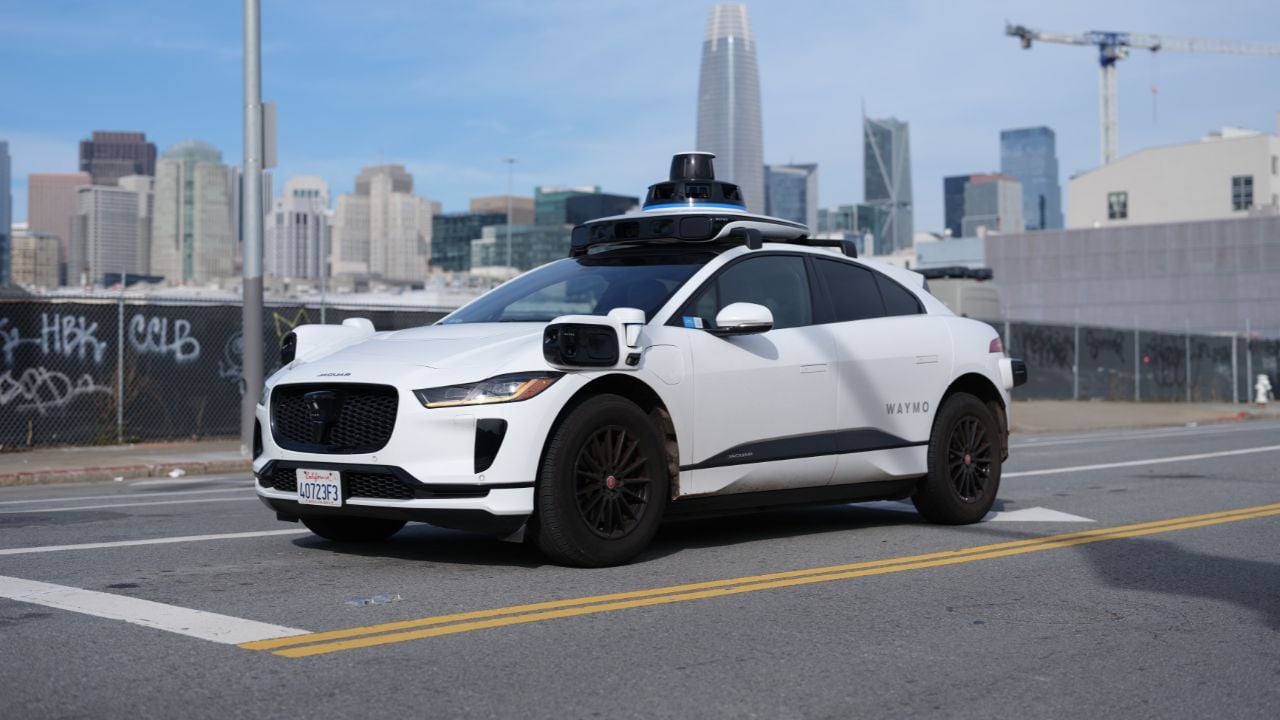
Autonomous vehicles are supposed to make roads safer, smoother, and more predictable. That’s the promise behind companies like Waymo, which has spent years developing driverless systems designed to react faster and more consistently than humans ever could.
However, out on real streets, things don’t always play out like they do in simulations. Especially when those streets are filled with flashing lights, sirens, and high-pressure emergency situations that don’t follow neat, predictable patterns.
That’s where the cracks are starting to show. According to first responders in cities like San Francisco and Austin, Waymo vehicles are not just struggling in those situations, they may actually be getting worse.
In situations where seconds matter, even small delays can have serious consequences for everyone involved.
When A Robot Doesn’t Know What To Do
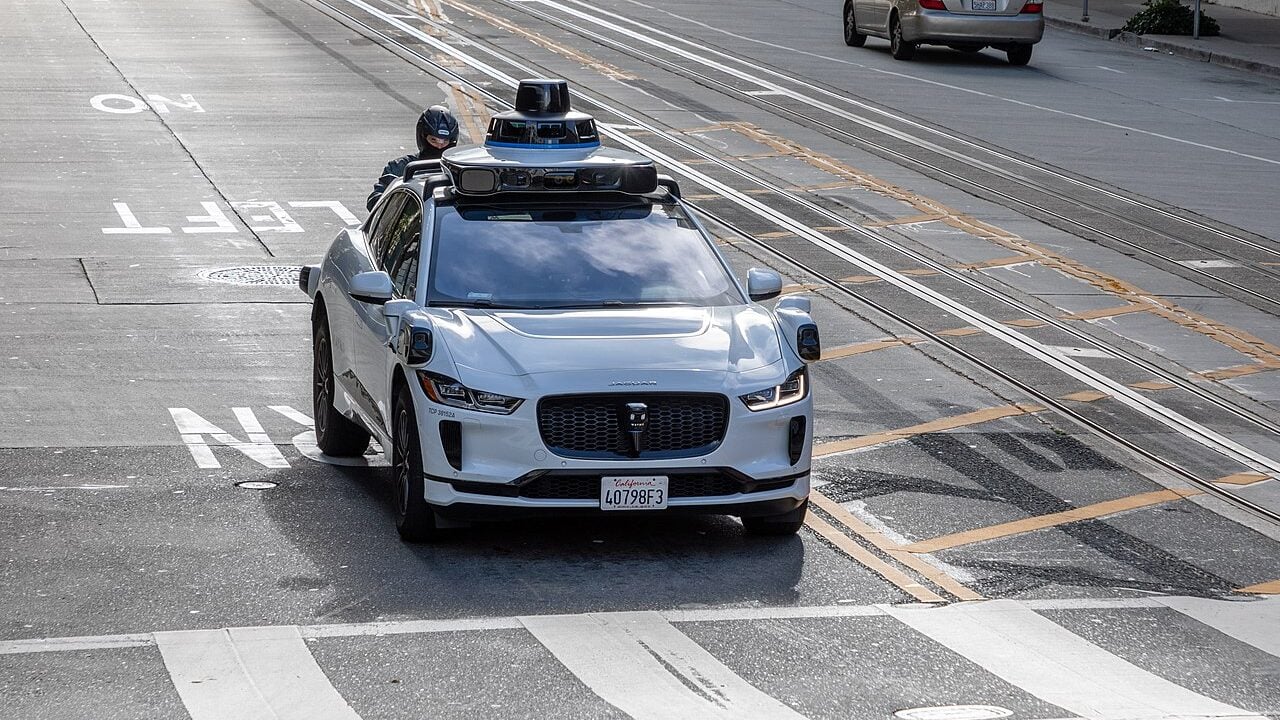
Emergency responders are trained to act quickly and decisively. Every second counts, and anything that slows them down, whether it’s traffic, confusion, or an unexpected obstacle, can directly impact outcomes.
That’s why the reports coming out of recent meetings with regulators are raising concerns. Officials say Waymo vehicles sometimes freeze, fail to interpret signals, or simply don’t react the way a human driver would, and in an emergency, that’s a real problem, not just an annoyance.
One of the biggest issues appears to be what responders call the “human element.” When situations become chaotic or fall outside predefined scenarios, the vehicles struggle to adapt in real time.
Real Incidents Are Raising Red Flags
There have already been multiple real-world cases where Waymo vehicles interfered with emergency response efforts.
In one high-profile incident, a Waymo car reportedly blocked an ambulance responding to a mass shooting in San Francisco. While responders were able to work around it, the delay still highlighted how unpredictable these interactions can be.
In other cases, responders have had to wait minutes just to connect with Waymo’s support line. One report even mentioned a 53-minute wait time to reach a representative, which is completely unacceptable in a time-critical situation.
Even when things don’t escalate that far, delays of just a few minutes can be the difference between life and death.
System Failures Create Bigger Problems
The issue isn’t limited to individual incidents, as larger system failures have also caused significant disruptions.
During a power outage in San Francisco, more than 1,000 Waymo vehicles were stranded across the city. While many eventually recovered, around 60 had to be manually removed by emergency services.
That created a secondary problem as calls flooded into emergency lines, not just for actual emergencies, but for reports of stuck vehicles blocking roads.
When 911 lines are forced to handle autonomous car issues, it diverts resources from real emergencies, and this kind of scenario keeps emergency management officials up at night.
Training Exists, But It’s Not Enough
Waymo does provide training materials for first responders. These explain how the vehicles work, how they detect their surroundings, and how to disable them in an emergency. The problem is what happens when those systems don’t respond.
Right now, one of the main instructions is to call a support number displayed on the vehicle. That’s not exactly helpful when you’re trying to secure a scene quickly or move an obstruction out of the way.
Responders rely heavily on hand signals and direct communication. When a vehicle doesn’t recognize or respond to those signals, it creates confusion and delays that shouldn’t exist in the first place.
Regulators Are Starting To Step In
With these issues becoming more frequent, regulators are beginning to take action. California’s Department of Motor Vehicles has introduced new rules aimed at improving how autonomous vehicles interact with emergency services.
One key proposal would require companies like Waymo to respond to first-responder calls within 30 seconds. Another would allow authorities to issue “do not enter” directives, forcing autonomous vehicles to avoid or leave emergency areas within a set timeframe.
These changes could help, but they’re not a perfect solution. They still rely on communication systems working quickly and reliably, which hasn’t always been the case so far, and in emergency situations, even a short delay can be too long.
A Technology Still Learning The Real World
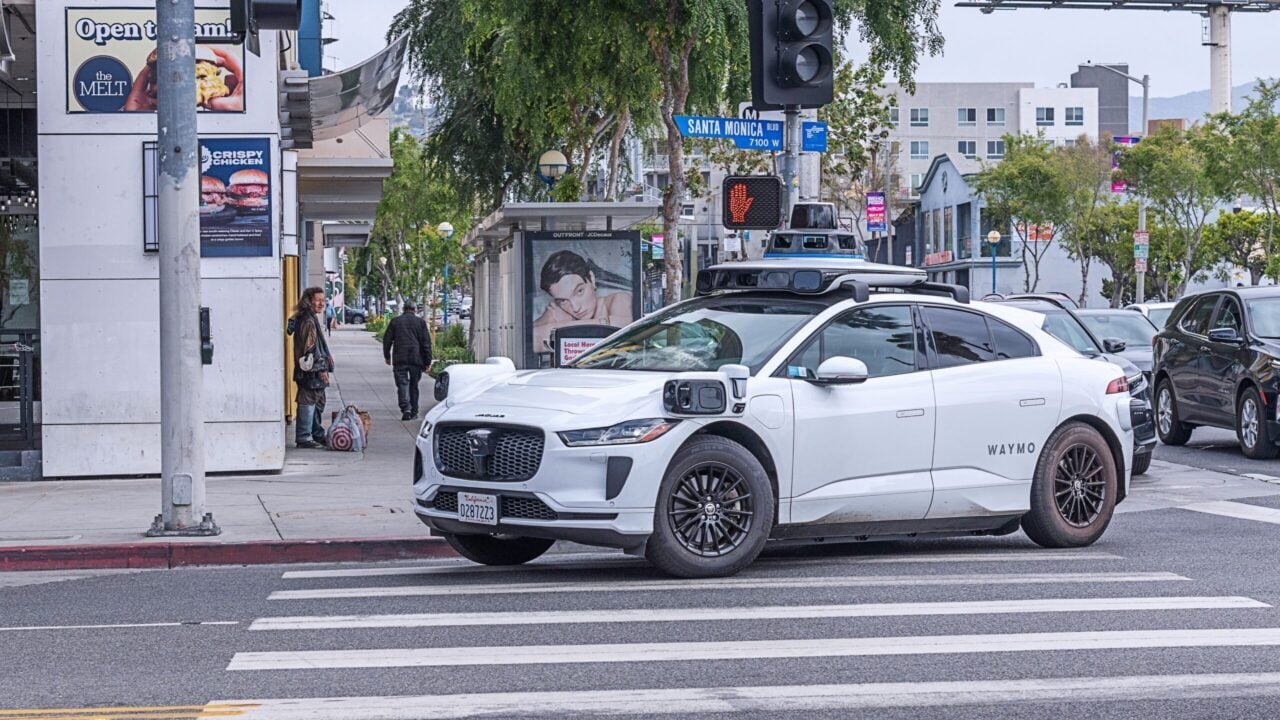
Autonomous driving technology has made huge strides, but situations like this highlight a fundamental challenge. Real-world driving is about understanding context, urgency, and human behavior, not merely following rules. That’s something humans do instinctively, but machines are still learning.
Waymo has acknowledged some of these issues and says it’s working with city officials to improve communication and response times. That’s a step in the right direction, but it doesn’t change the current reality faced by first responders on the ground.
Until these systems can handle unpredictable, high-pressure situations as well as, or better than, humans, questions about their readiness will continue to grow.