
Owners of older electric vehicles built by Nissan are voicing frustration after the automaker confirmed that a key smartphone app used by many drivers will soon be switched off.
The company plans to shut down the NissanConnect EV app for certain vehicles later this month. When that happens, the switch-off will remove several remote functions that drivers have come to rely on after many years of use.
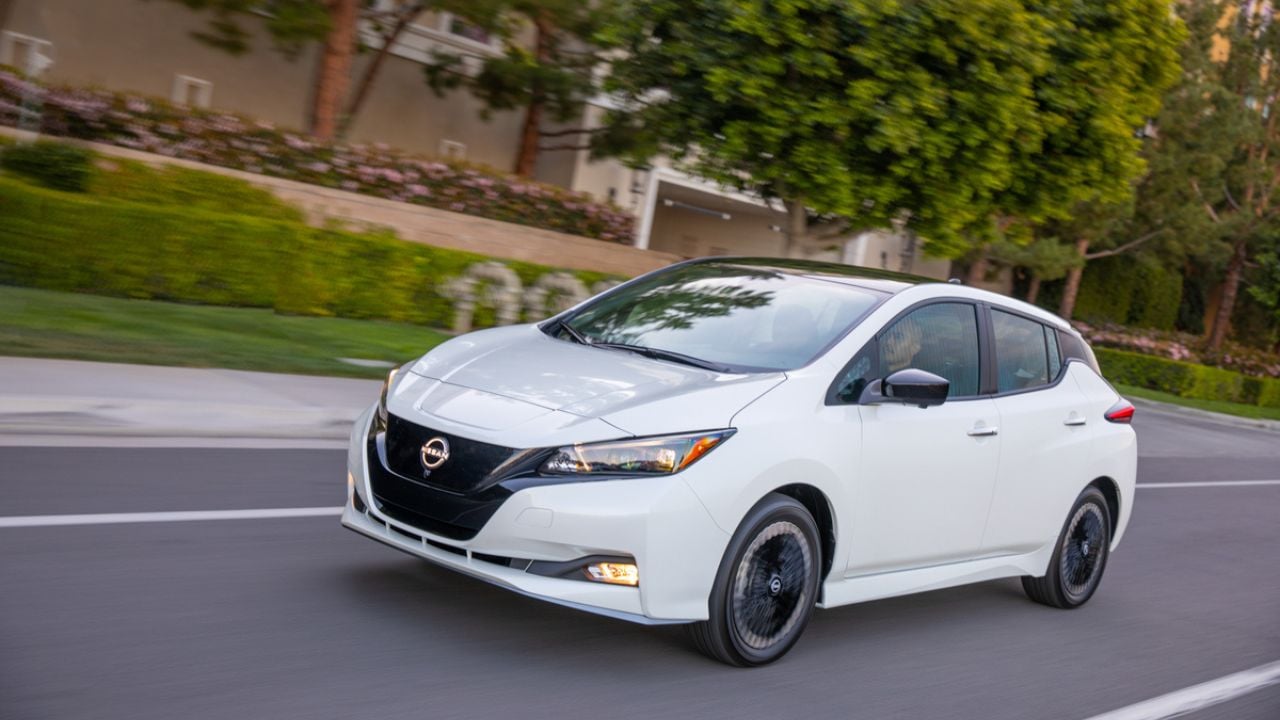
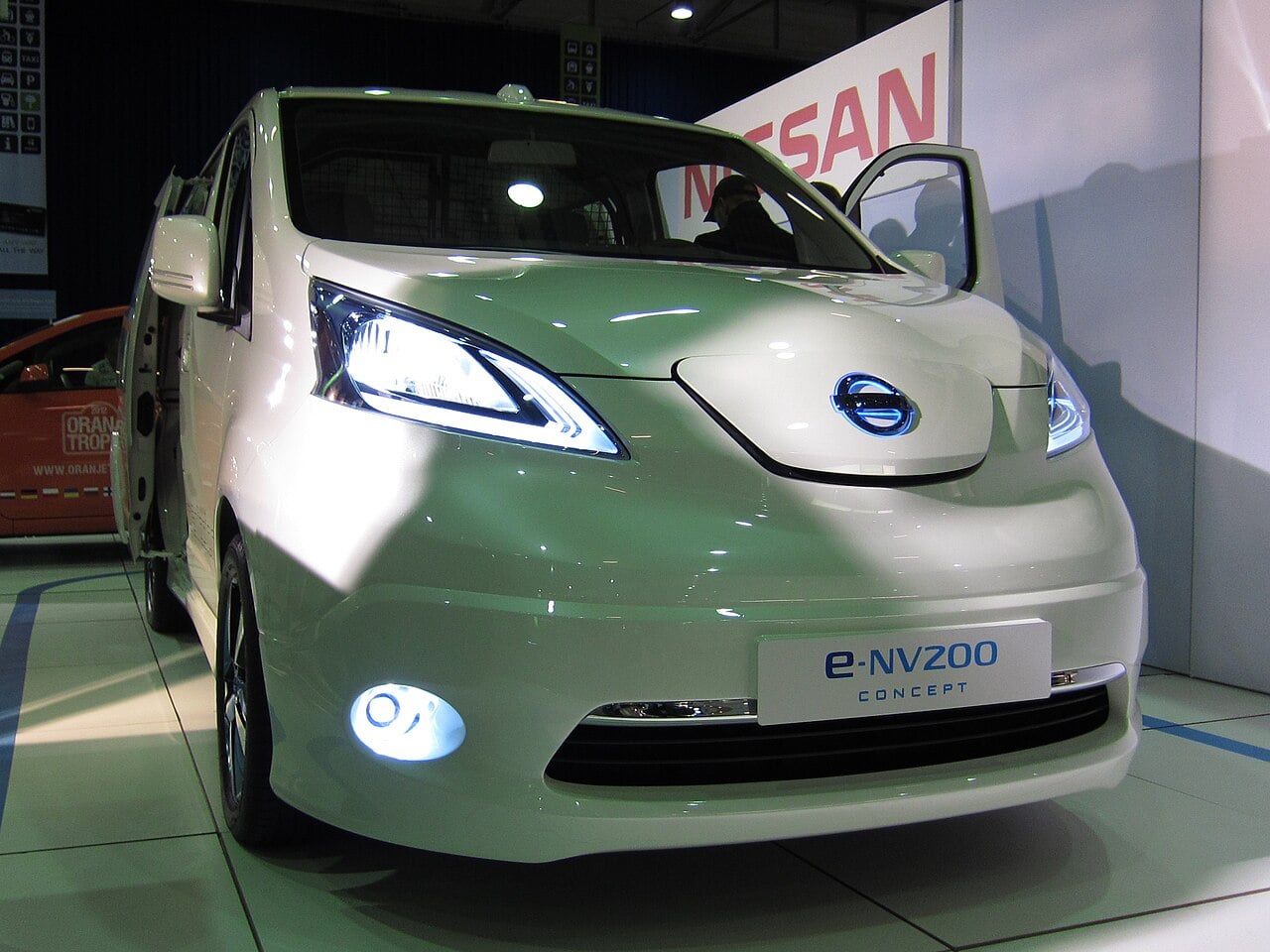
The planned shutdown affects earlier versions of the popular Nissan Leaf electric hatchback as well as the electric van version of the Nissan e‑NV200.
According to the automaker, it plans to close the app on March 30, 2026. Owners received direct emails from Nissan stating that the NissanConnect EV app will stop working from that date.
What Features Are Being Lost?
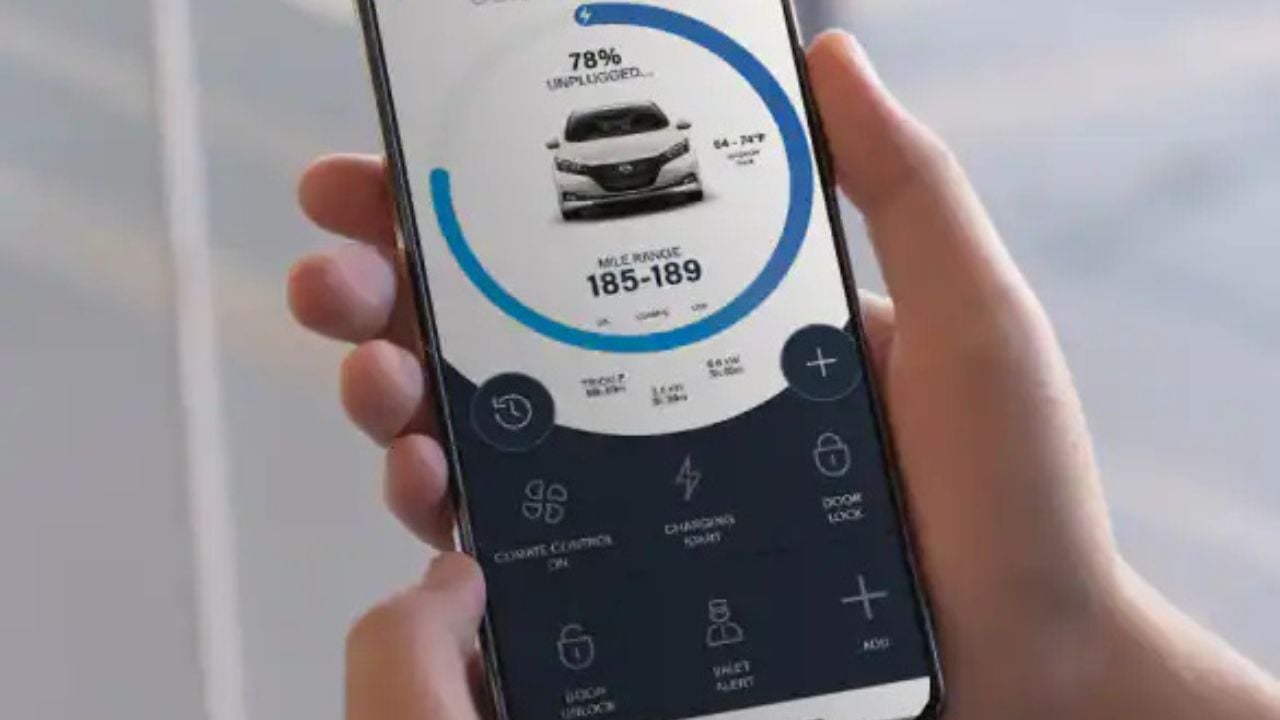
For many owners, the announcement has come as a shock. The app allowed drivers to interact with their vehicles remotely using a smartphone, offering convenience features that many EV drivers now consider essential.
Once the service is discontinued, several of these functions will disappear entirely. Drivers will no longer be able to check battery charge status from their phones, start or stop charging remotely, or pre-heat or cool the cabin before entering the vehicle.
Remote climate control has been one of the most commonly used features among EV drivers, particularly in regions with extreme temperatures.
The app also allowed drivers to monitor charging progress and manage charging schedules without being inside the car. Losing that ability means owners will need to rely more heavily on the vehicle’s built-in systems.
Nissan’s Rationale Meets Owner Backlash
Nissan has said that some features will still be available directly through the car’s onboard controls. Functions such as charging timers and climate scheduling can still be programmed using the vehicle’s infotainment system. However, the convenience of managing those features remotely from a phone will disappear.
The automaker says the shutdown is necessary because the digital infrastructure supporting the service is outdated. According to Nissan, the underlying platform used by the app is considered legacy technology that can no longer support future upgrades or security requirements.
That explanation has not gone down well with many drivers.
Some owners say their vehicles are still relatively new and that they expected longer support for connected services when they purchased their cars. For many early adopters of electric vehicles, connected apps were a major selling point. Losing those features years later can feel like an unexpected, unacceptable downgrade.
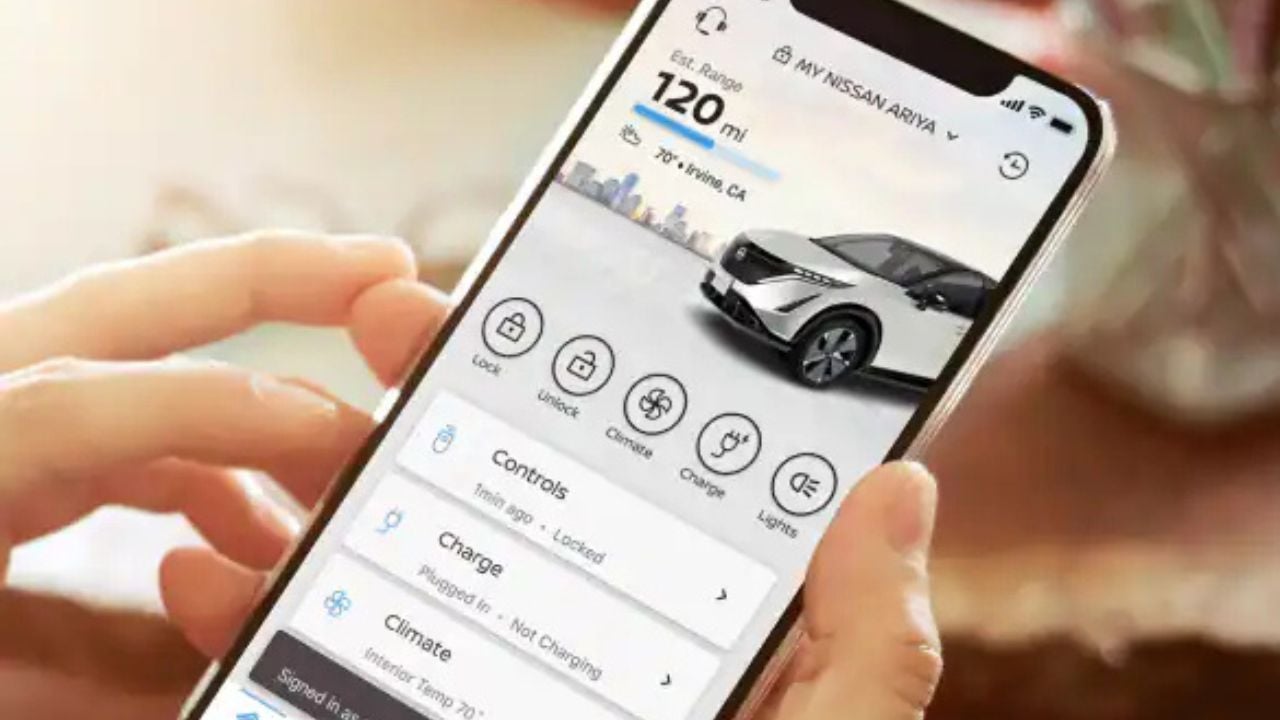
To be clear, this isn’t a total shutdown of the app for everyone. What Nissan is doing is phasing out the NissanConnect EV & Services app for older Leaf models (2025 and earlier), while newer EVs—including the 2026 Leaf and the Ariya—are supported through the MyNISSAN app instead.
The Problem of Premature Obsolescence
From the owners’ perspective, a 2025 Leaf is still a very new car, yet Nissan is effectively stripping away a core connected feature only a year or so into its life. That feels like premature obsolescence, especially since buyers expect modern EVs to retain connectivity for the bulk of their ownership.
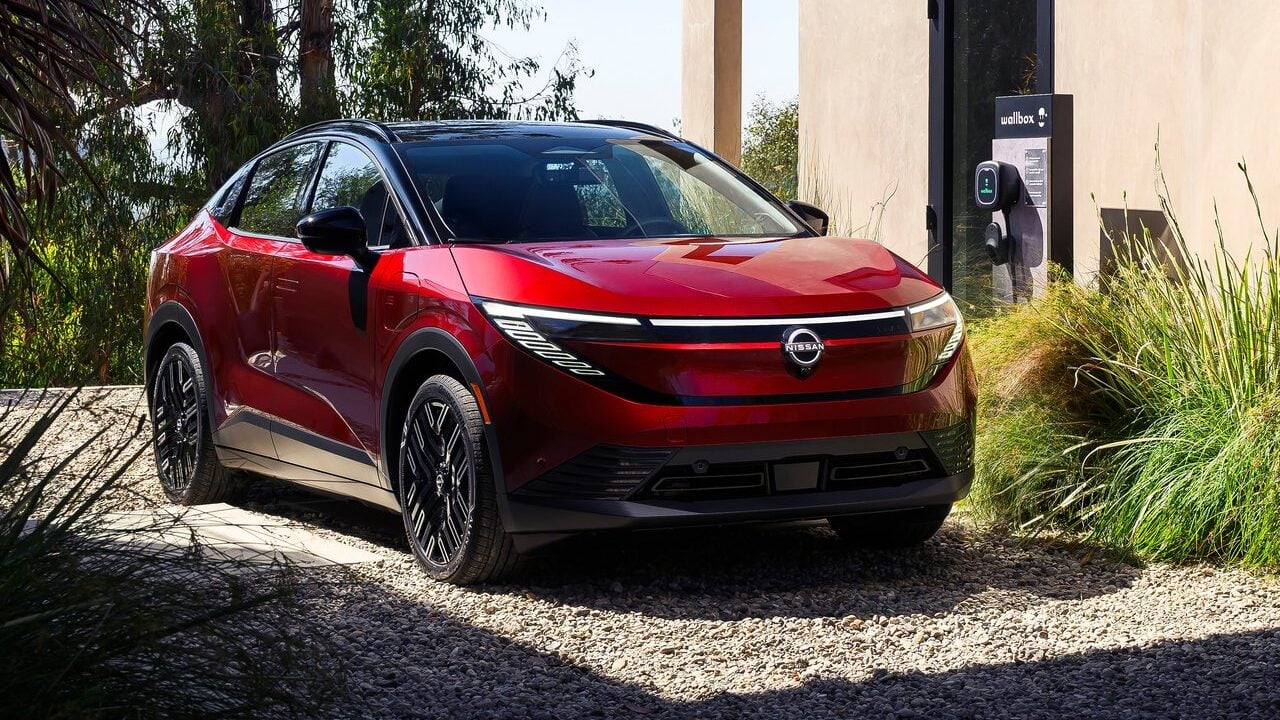
Nissan’s justification—that the app relies on older 2G/3G network infrastructure and poses security risks—makes sense technically. But the optics are poor: customers see it as the company offloading the consequences of outdated design choices onto them.
For someone who just invested in a 2025 model, being told “your car is already on the legacy system” undermines confidence in the brand’s long-term support.
What’s happening is that owners of 2025 or earlier Leaf models will still be using the NissanConnect EV app, but that service is the one being discontinued. If you own a 2026 Leaf or Ariya, you’re expected to use the MyNISSAN app, which carries forward the same EV connectivity features.

That means the shutdown is a disengagement for older models only, not a blanket end to Nissan’s EV app ecosystem. Nissan is essentially migrating its connected services to the newer MyNISSAN platform, leaving the legacy app behind.
So, while Nissan can argue that the migration to the MyNISSAN app is necessary for security and futureproofing, owners are justified in feeling shortchanged. They’re losing functionality far sooner than expected, and that gap between technical rationale and customer experience is exactly why the backlash has been so sharp.
A Growing Challenge for the Digital Age
The situation highlights a growing challenge in the modern automotive world. As cars become more dependent on software and cloud-based services, drivers increasingly rely on smartphone apps and online platforms to access features that go far beyond traditional vehicle controls.
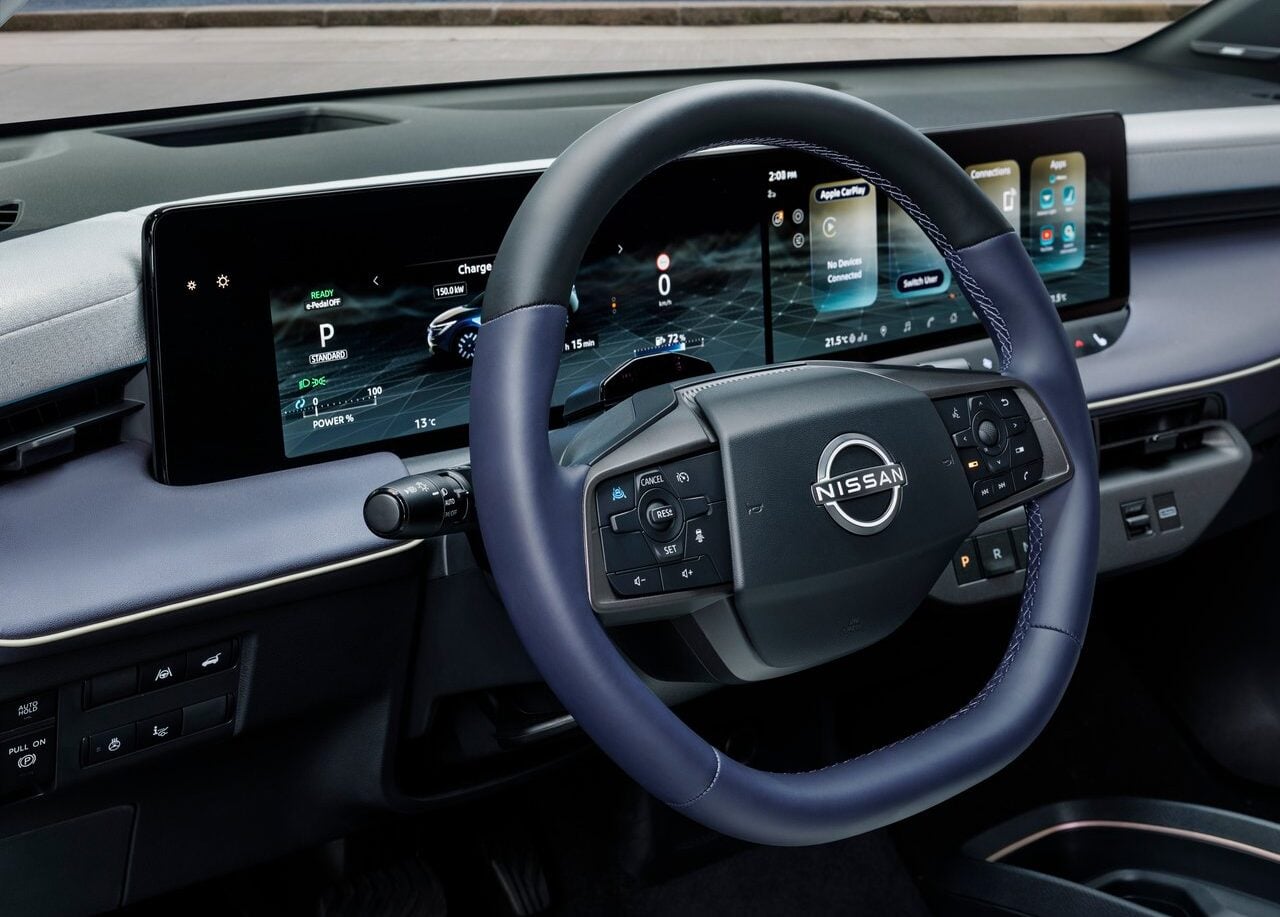
When those digital services are discontinued, the functionality of the car can change even if the hardware remains perfectly functional.
The issue may become more common as automakers transition to newer digital systems. Many early connected vehicle platforms were developed more than a decade ago and were not designed to support the long lifecycles that cars typically have.
That said, other automakers, arguably, have handled app transitions more gradually than Nissan, which makes Nissan’s move feel unusually abrupt for 2025 Leaf owners.
BMW phased out its “Connected” app but gave owners a clear migration path to the “My BMW” app, ensuring compatibility for vehicles as far back as 2014. Tesla, meanwhile, has continuously updated its single Tesla app rather than discontinuing it, so even older models retain access to core connected features.
Nissan, on the other hand, is shutting down NissanConnect EV for Leaf models as recent as 2025, forcing those owners to lose features only a year into ownership.
Now What?
EVs like the Nissan Leaf helped introduce connected features to a wider audience, but maintaining those systems over time can be complex and expensive.
It stands to reason that the bigger concern for drivers affected by the shutdown is whether future vehicles will face similar problems. In other words, will this happen again? Automobiles are traditionally expected to remain usable for many years, but digital services may not always last that long.
Sources: The Guardian