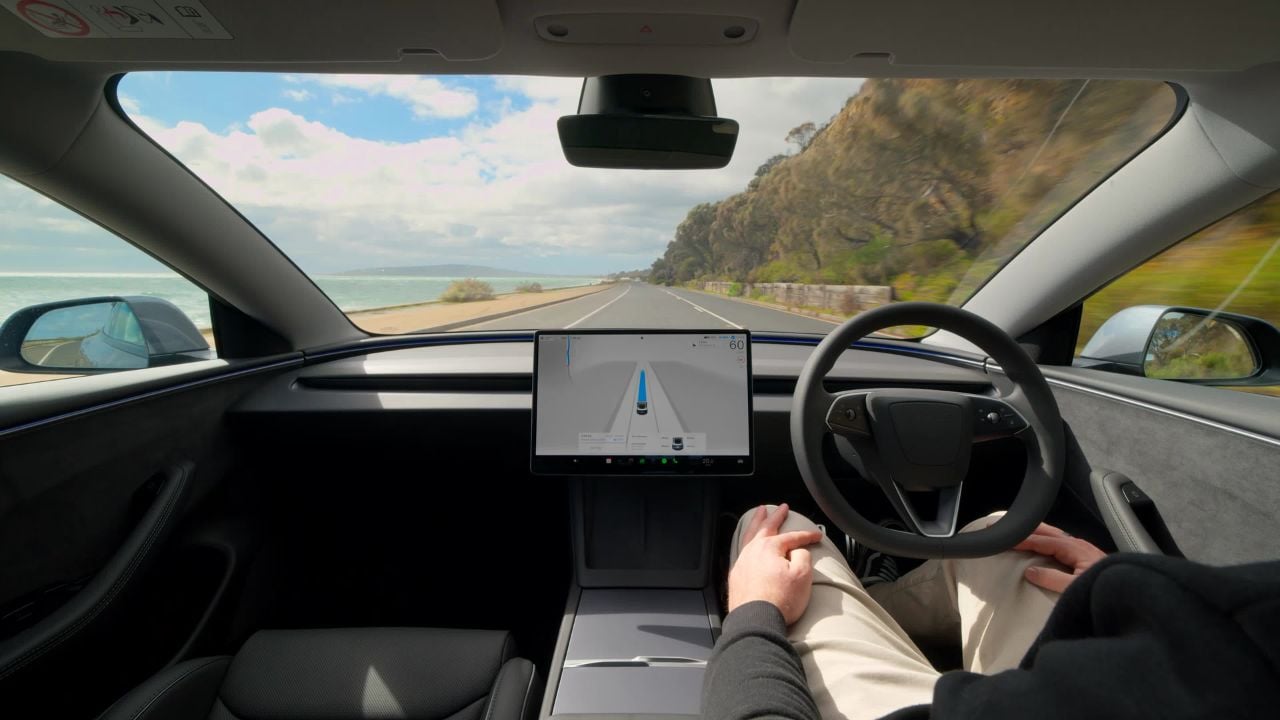
Tesla is facing renewed scrutiny in China after a group of vehicle owners filed a lawsuit alleging the company misrepresented the capabilities of its Full Self-Driving package. The legal dispute comes at a sensitive moment for the automaker as regulators and consumers around the world continue to debate the marketing and real-world performance of advanced driver-assistance systems.
The case centers on ten Tesla owners who claim they paid thousands of dollars for software that never delivered the functionality they were led to expect. According to the plaintiffs, Tesla’s messaging and public statements created the impression that true self-driving capability was on the horizon, influencing their purchasing decisions.
Adding to the controversy is a recent branding change in China. Just days before the first court hearing, Tesla quietly dropped the “Full Self-Driving” name in favor of “Tesla Assisted Driving,” a move that aligns more closely with how Chinese regulators classify driver-assistance technologies.
While the lawsuit currently involves a relatively small group of owners, legal experts and industry observers believe it could become a much larger challenge for Tesla if additional customers pursue similar claims.
Owners Claim Tesla Failed to Deliver Promised Capabilities
The plaintiffs reportedly purchased Tesla’s Full Self-Driving package between 2019 and 2021, paying approximately $7,800 each for the option. They argue that Tesla representatives and public comments from CEO Elon Musk suggested that increasingly advanced autonomous driving functions would eventually arrive through software updates.
The issue became more complicated when Tesla began rolling out newer versions of its driver-assistance software in China. The latest functionality was made available only on vehicles equipped with the company’s newer HW4 hardware platform, leaving owners of older HW3-equipped vehicles without access to the same features.
For many customers, that distinction has become the foundation of their legal argument. They contend that the product they purchased has not evolved into the capability originally implied when they paid for the package years earlier.
A Name Change Draws Attention
Tesla’s decision to rebrand the system in China has become one of the most discussed aspects of the case. The company now refers to the feature as “Tesla Assisted Driving,” terminology that more accurately reflects a Level 2 driver-assistance system rather than a fully autonomous driving solution.
Under Level 2 classification, the driver remains responsible for monitoring the vehicle and maintaining control at all times. The vehicle can assist with steering, acceleration, and braking under certain conditions, but it is not considered self-driving under current regulatory standards.
Critics argue that the timing of the rebrand raises questions about Tesla’s previous marketing approach. Supporters of the company, meanwhile, may view the change as a practical adjustment to regulatory requirements and evolving industry terminology.
Potential Financial Risks Could Be Significant
The financial implications of the lawsuit could extend far beyond the ten owners currently involved. Reports suggest Tesla has a substantial number of HW3-equipped vehicles on Chinese roads, many of which were sold with expectations surrounding future autonomous driving capabilities.
The compensation demands go beyond mere refunds. According to reports, nine of the ten plaintiffs are seeking reimbursement for their Full Self-Driving purchases along with triple damages under Chinese consumer protection laws. One owner is reportedly pursuing a far larger claim, arguing that Tesla’s self-driving promises were the primary reason for purchasing the vehicle and therefore seeking compensation tied to the entire cost of the car. Combined, the group is seeking more than 3.95 million yuan, or roughly $583,000, in damages
Chinese consumer protection laws can impose significant penalties if a company is found to have engaged in misleading sales practices. While the current lawsuit involves only ten owners, the case is attracting attention because it could establish a legal framework for similar claims from a much larger pool of Tesla customers in China. Reports indicate that additional owners are already exploring potential legal action.
Although the outcome remains uncertain, the case has already attracted attention from other Tesla owners who are reportedly exploring legal options of their own.
Similar Challenges Emerging Around the World
China is not the only market where Tesla faces legal scrutiny over its driver-assistance technology. Similar disputes have emerged in several countries as customers question whether the company’s hardware and software can ultimately deliver the level of autonomy that was once anticipated.
In Australia, Tesla has faced legal action related to the marketing of Full Self-Driving and Autopilot technologies. European owners have also begun organizing collective efforts aimed at pursuing compensation tied to vehicles equipped with older hardware systems.
These cases gained momentum after Tesla acknowledged that vehicles using HW3 hardware may not achieve the same autonomous capabilities as newer models. That admission has become a central point in many complaints, particularly among owners who purchased software packages with the expectation of future upgrades.
A Case That Could Set an Important Precedent
The Chinese lawsuit may involve a relatively modest financial claim today, but its broader significance could be far greater. A ruling in favor of the plaintiffs could establish a legal precedent that encourages similar cases from other owners who believe they were promised capabilities that never materialized.
For Tesla, the dispute highlights the challenges of marketing rapidly evolving driver-assistance technologies while managing customer expectations over a product that continues to develop years after purchase. As courts and regulators increasingly examine those claims, the outcome of this case could influence how autonomous driving features are marketed across the automotive industry for years to come.