Dodge appears to be preparing a car that could change how people view the future of American performance.
For the past few years, it seemed as if big gasoline-powered machines were being pushed aside by electrification, tighter regulations, and a new generation of performance cars built around batteries.
The Copperhead SRT project suggests Stellantis is not ready to let SRT become just a badge on electric or software-defined vehicles. The car is still surrounded by secrecy, but the early reporting points to something far more emotional than another trim package.
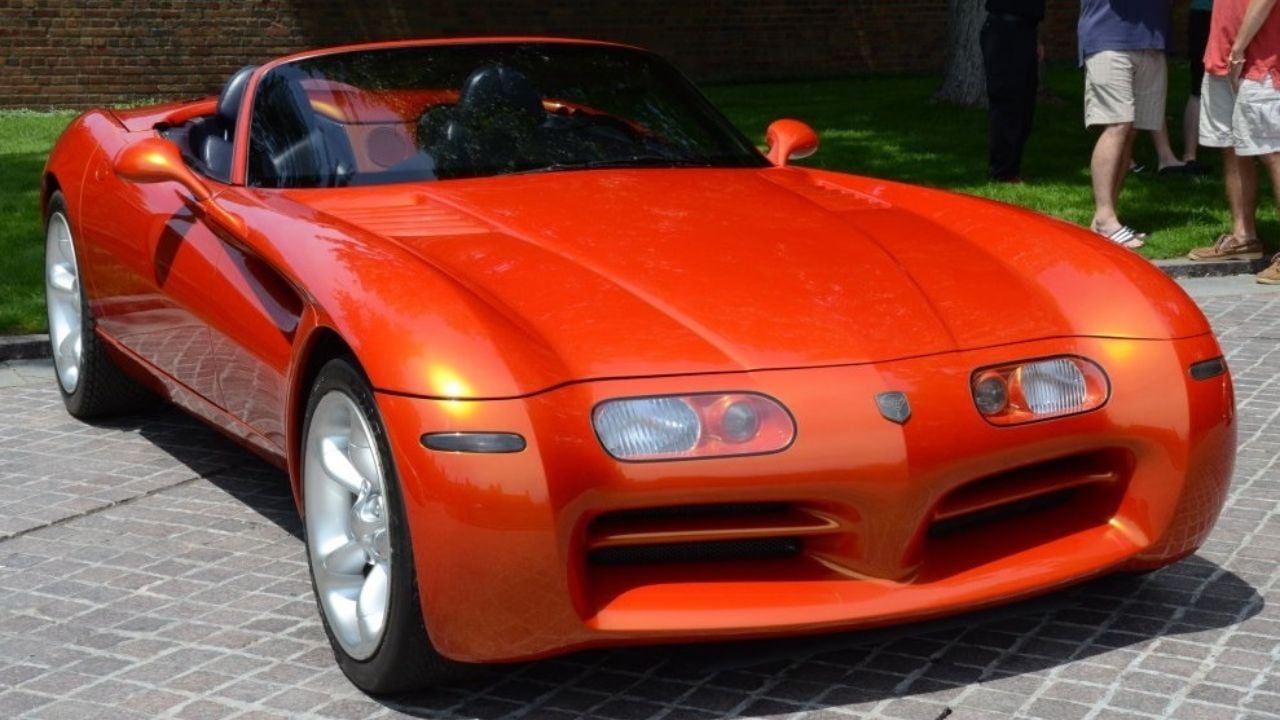
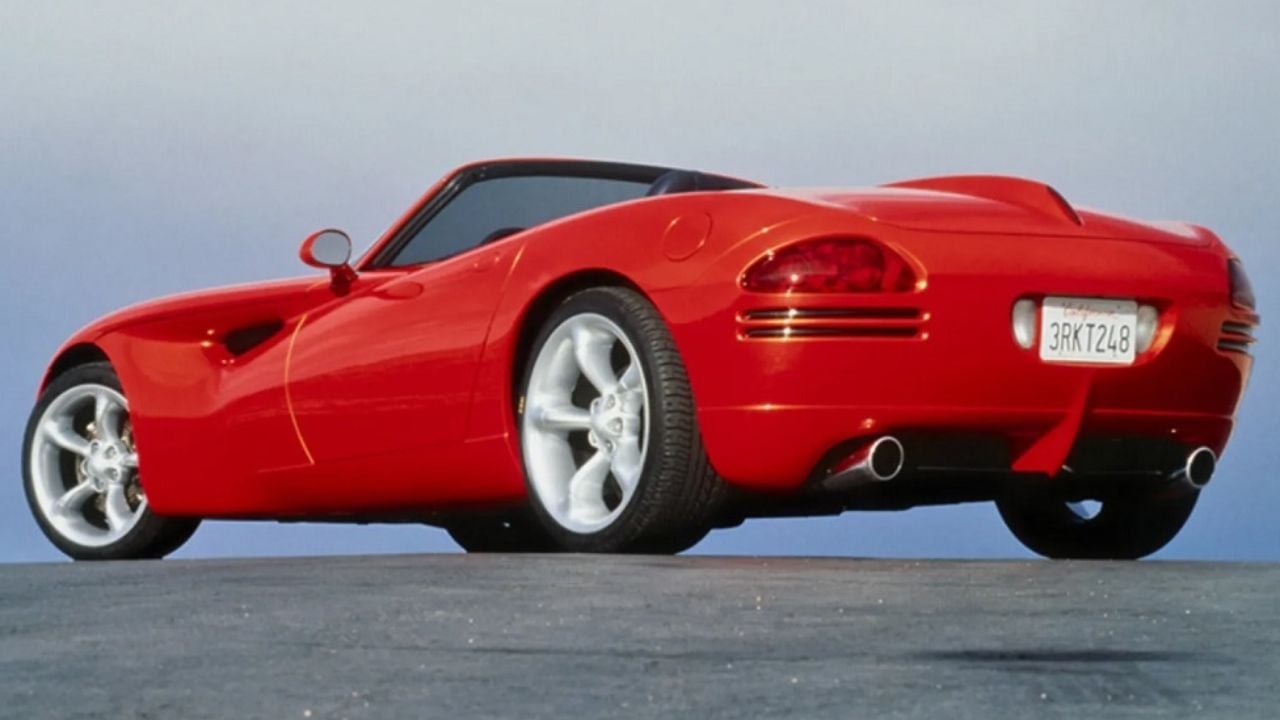
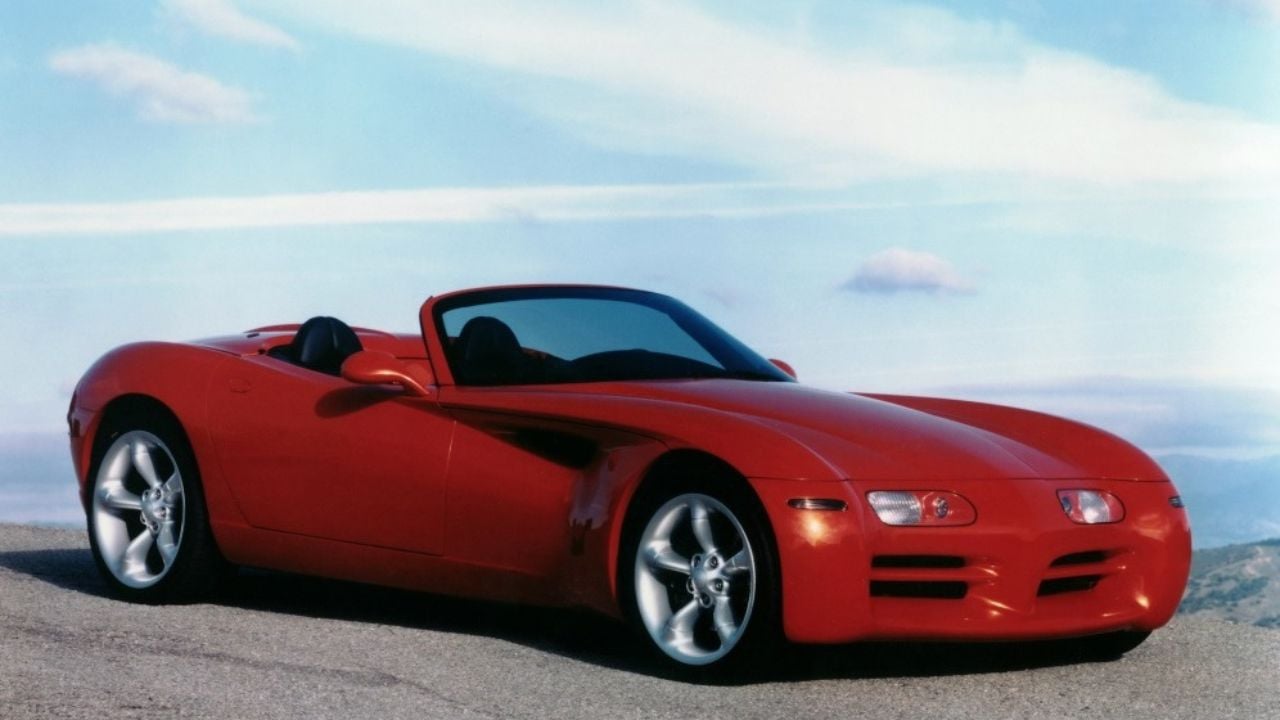
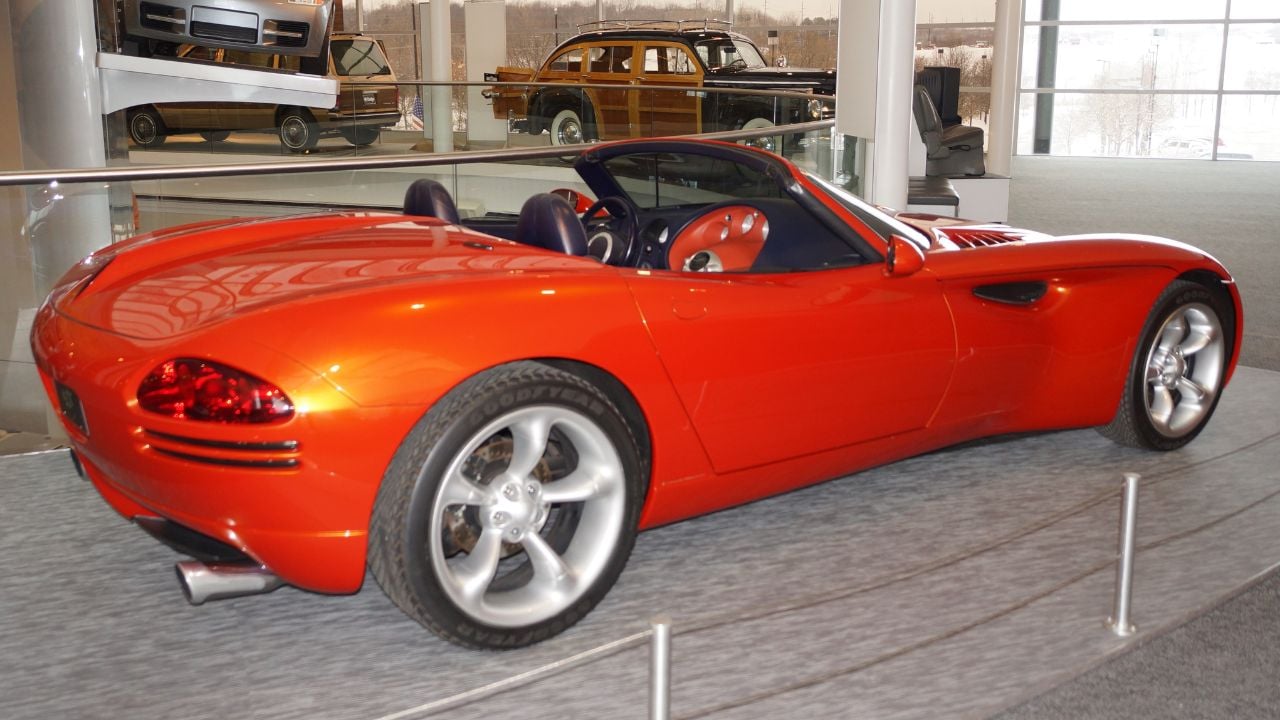
The name reaches back to Dodge’s 1997 Copperhead concept, a smaller and more approachable Viper-adjacent roadster that used a V6 instead of the Viper’s V10. That history makes the new Copperhead name more interesting. It does not have to mean a direct Viper replacement. It could mean Dodge is trying to create a new kind of halo car for a different era.
A Secret Preview Sparked Major Speculation
The first details about the mysterious model appeared during a closed Stellantis presentation for journalists and analysts.
The car was shown behind closed doors, with no photography allowed and no opportunity for a detailed public inspection. The preview reportedly lasted only a few minutes, but that was enough to start a wave of speculation.
At first glance, many assumed the Copperhead SRT was directly related to the new Dodge Charger. That seemed logical because the Charger is Dodge’s current performance centerpiece, and its STLA Large platform was designed to support electric, gasoline, and possible range-extended powertrains.
Tim Kuniskis, who leads Stellantis’ American brands and oversees SRT development, later made the situation more interesting. He said the Copperhead does not use the Charger’s hard points, meaning it is not simply a rebodied Charger coupe with a different name.
Why Copperhead Is Not Just Another Charger
The difference matters because the new Charger’s architecture brings compromises. STLA Large was created as a multi-energy platform, which means the structure has to leave room for battery packaging even when the car uses a gasoline engine.
That packaging affects the floor height and proportions. It works for a large modern muscle coupe, but it is not ideal for a low, aggressive halo car built around classic sports-car stance.
Kuniskis said the Copperhead does not carry those compromises. The car shown behind closed doors reportedly had real hard points and production-intent proportions rather than the false stance tricks often used on pure concept cars.
That does not mean Dodge has shown a finished production car. It does mean the Copperhead appears to be more serious than a design exercise. The shape was reportedly created around real packaging, not just fantasy-show-car proportions.
A Global Platform And A Real Gas Engine
Kuniskis has not revealed the exact platform, but he hinted that SRT is using one of Stellantis’ existing global architectures. That would make financial sense.
Developing a completely unique sports car is extremely expensive, especially while automakers are spending billions on electrification, software, batteries, and new manufacturing systems.
SRT appears to be using the wider Stellantis parts library to create an exclusive high-performance model without starting from zero. Kuniskis has also been clear that halo cars can no longer exist only for image and corporate ego. Each project now needs a business case.
For traditional Dodge fans, the most important detail is that Copperhead will not be fully electric. Exhaust outlets were reportedly visible during the presentation, and Kuniskis later confirmed that the car uses a combustion engine.
That is a major statement by itself. Dodge is not only trying to keep SRT alive. It is trying to build a new SRT halo car with sound, exhaust, and mechanical drama still involved.
The Big Question Is What Engine Dodge Will Use
A combustion engine does not automatically mean a Hemi V8. That is the key point Dodge fans will need to accept until Stellantis reveals more.
Kuniskis has suggested that Dodge is experimenting with new performance technology and could reveal more of its future plan this summer, shortly before Roadkill Nights in August.
He also pushed back against the idea of a conventional hybrid V8 setup, arguing that the wrong technology could feel dated too quickly. For a halo car that owners may keep for years, the powertrain needs to feel special now and still relevant a decade from now.
That makes the Hurricane inline-six hard to ignore. Dodge is already using the twin-turbo Hurricane in the new Charger Sixpack, and SRT is working on more powerful versions of that formula.
If an evolved Hurricane becomes the heart of the Copperhead SRT, Dodge could make one of the most important shifts in its modern performance history. It would create a gas-powered halo car with American attitude, but without relying on the same V8 formula that defined the Hellcat era.
Copperhead Could Redefine What SRT Means Next
The new Copperhead should not be judged only by whether it brings back a V8. Dodge has already built the Hellcat chapter. Repeating it forever would be easier emotionally, but harder technically and commercially.
The harder job is building something that still feels like Dodge without pretending the last decade of the auto industry never happened. Copperhead SRT could be that answer if it combines dramatic proportions, combustion power, aggressive styling, and a powertrain that gives the brand a new signature.
Timing remains unclear, but current reporting points to a late-decade launch rather than an immediate reveal. That gives Dodge time to finish the business case, refine the platform, and decide how far it wants to push SRT’s next identity.
In an era when many brands are replacing performance character with silence and instant torque, Copperhead SRT looks like Dodge’s attempt to keep emotion in the formula. It may not be a new Viper. It may not be a traditional Hemi muscle car. That may be exactly why it matters.
This article was originally published by Autorepublika.com and is republished with permission. It has been reviewed and edited by Guessing Headlights.