

Putting a definitive punctuation mark on a long-running policy ambiguity, Tesla has formally announced that its Full Self-Driving (FSD) transfer program will end on March 31, 2026. This announcement ties directly into the company’s broader shift to making its most controversial driver-assist software available only via subscription, and it finally answers a key question that has dogged Tesla owners since the subscription pivot was first revealed.
For years, Tesla’s FSD package has been a source of intense discussion, admiration, confusion, and frustration in equal measure. Buyers could once pay a substantial upfront price—often in the thousands of dollars—to “own” FSD outright.
That ownership included the ability to transfer the software from an older Tesla to a new one upon upgrade. That transfer ability was always a critical piece of the value story for FSD owners and helped justify the high initial cost.
The Transfer Window Is Closing for Good
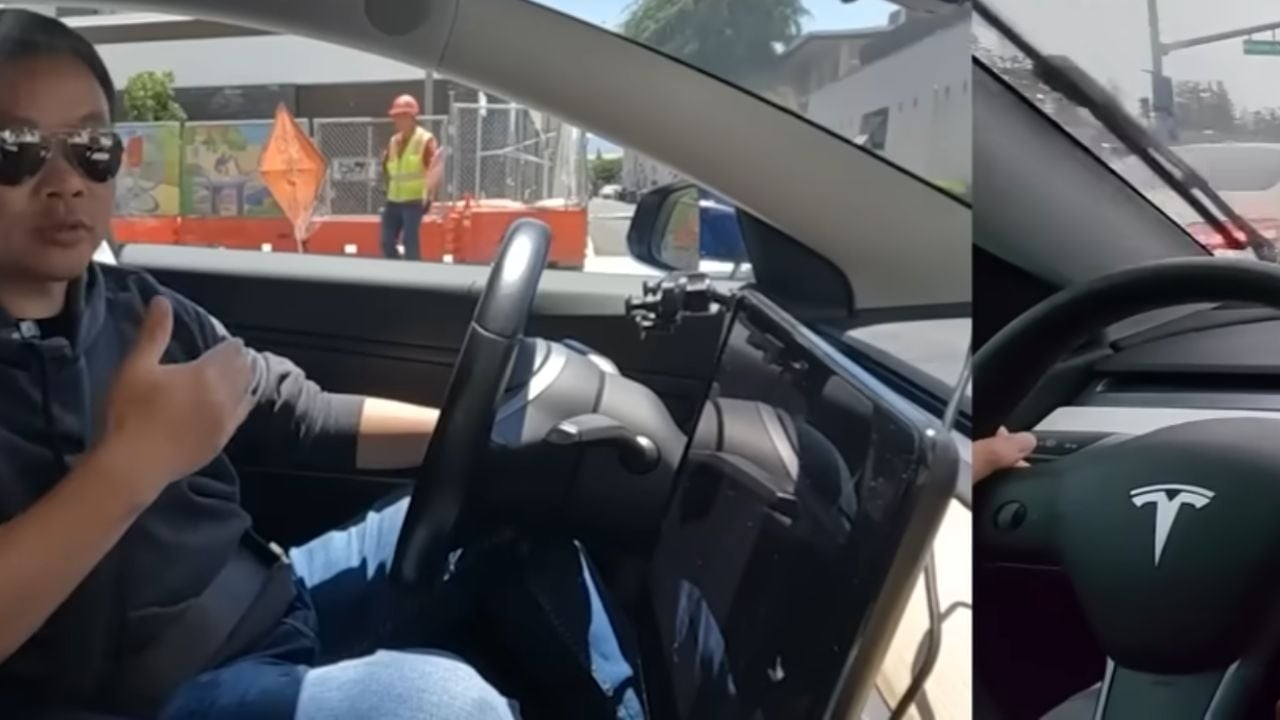
But earlier this month, Tesla reportedly confirmed that the program that allowed buyers to move FSD from an existing vehicle to a new one will come to a definitive end at the end of March 2026. Tesla has changed the rules slightly from previous iterations of the transfer window.
Owners must now place an order for a new Tesla by March 31 in order to transfer their FSD package, but don’t need to take delivery by that date. The delivery can happen later. That nuance signals something more than just another quarterly sales lever. It signals an endpoint.
That endpoint is inseparable from Tesla’s broader strategy for FSD. Tesla CEO Elon Musk announced that starting February 14, 2026, the automaker will stop selling FSD as a one-time purchase altogether. Going forward, access to the software will be exclusively subscription-based, with pricing currently in the ballpark of $99 per month. That subscription only model reinforces the fact that FSD is now a service, not a permanent ownership feature.
Money-Smart Boring Company
From a corporate perspective, this shift makes a lot of business sense. Software subscriptions are predictable, recurring revenue streams. They fit with Tesla’s aspirations to position itself as more than an EV manufacturer—an AI and software powerhouse.

With automotive margins under pressure, revenues tied to software could be a key differentiator for long-term profitability. And given that FSD’s fully autonomous capabilities remain years away from being deliverable, a subscription model lets Tesla monetize incremental improvements more aggressively.
However, many owners and enthusiasts see a clear trade-off. The end of transfers means buyers who already paid thousands of dollars for FSD could find that investment is functionally locked to their current vehicle unless they lock in an order before the March deadline. Once the transfer window closes, that paid-for software does not move with them. Critics say this undermines the notion of ownership many early adopters believed they were buying.
Tesla used FSD transfer offers in the past as a quarterly sales lever. Leaks and community discussion showed that Tesla would reopen and extend “transfer windows” often at the close of a quarter to boost deliveries, only to declare them temporary or limited time offers.
That history made many owners skeptical of promises about a “last” chance to transfer. But this time the context is different because the very mechanism of owning FSD is being phased out in favor of ongoing service payments.
The Used Tesla Market

Tesla fans and everyone else now have clarity. On the positive side for owners, this announcement finally defines the rules of the game. Buyers who want to carry their FSD investment into a new Tesla have a clear timeline.
And even for those who don’t exercise that option, the subscription setup could lower the barrier to entry for FSD features for new users who were previously unwilling to make a large upfront payment.
On the flip side, the shift raises new questions about second-hand value. Historically, a Tesla with FSD carried a premium on the used market precisely because that software could transfer with the car. Without transferability, that premium might diminish, since new buyers would have to pay a subscription fee to access the same features.
Ultimately, Tesla’s decision to end FSD transfers in the context of this broader strategic pivot puts an exclamation point on the transition of automotive software toward a service model. For an industry that has long teetered between hardware value and software promise, Tesla’s latest move makes it clear that the era of owning advanced driver-assist software outright is drawing to a close.
Sources: not a Tesla app