

Tesla has confirmed it will stop selling its Full Self-Driving (FSD) driver-assist software as a one-off purchase after February 14, 2026, and that’s coming straight from the horse’s mouth. Instead, the company says the system will only be available through monthly subscription plans.
CEO Elon Musk delivered the announcement via a post on social platform X, triggering immediate ripples through the automotive industry and among Tesla owners. The post has been viewed nearly 54 million times at the time of writing this report.
For years, Tesla pitched FSD as a premium add-on that customers could buy once and enjoy for life. At its peak, the one-time price hit as high as fifteen thousand dollars. More recently, Tesla had reduced this to about eight thousand dollars in the US, while offering an alternate subscription for around ninety-nine dollars a month. With the change, new buyers will no longer have a buy-once option at all.
Will Tesla Owners Care?
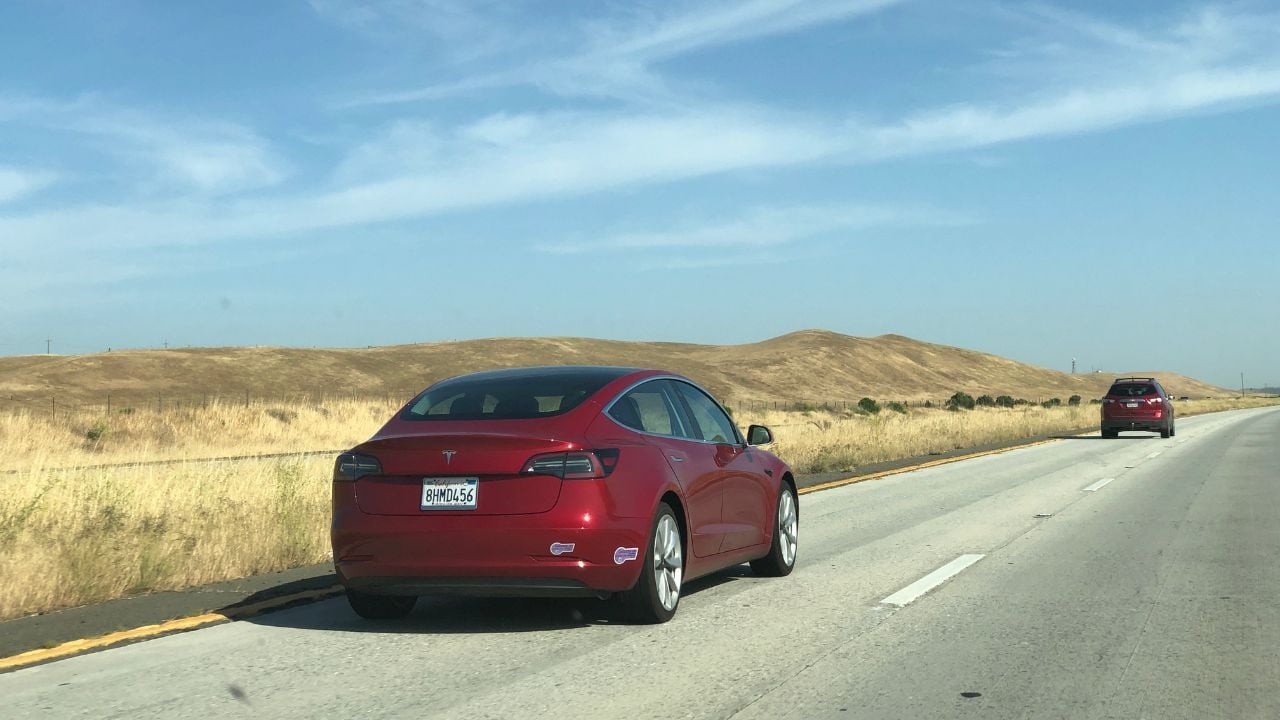
Yes — there is some verifiable data about how many Tesla owners have been using or paying for FSD, and while it is imperfect because Tesla does not publicly break down exact numbers, what we do know from credible sources suggests that only a minority of Tesla drivers actually pay for the FSD package. That has direct implications for how many people will be affected by shifting exclusively to a subscription model.
In an IndexBox reporting of this development, we learn that only a fraction of Teslas has FSD activated, translating to around 12% of the fleet. Tesla’s Chief Financial Officer reportedly said that about 12% of Tesla’s vehicles currently have an active FSD subscription or paid access. This number reflects the total paid user base within the company’s larger fleet and shows that technology’s adoption has been modest relative to total deliveries.
We also know that subscription adoption is low even when trial users are counted. Independent analysis of credit card transaction data for Tesla owners who used a free trial of FSD showed that only about 2% of those who tried the service continued by either buying it outright or subscribing after the trial ended. While this dataset is limited (about 3,500 trial participants), it is a useful real-world indicator of willingness to pay from the most engaged users.

And historical purchases of FSD outright suggest modest overall take-rates. Tesla itself confirmed that 285,000 people had purchased the FSD package in North America as of late 2022. With global Tesla deliveries numbering in the millions, that implies a historically low take-rate for the extensive one-time purchase.
Using early data from 2022, this translated to an approximate adoption rate of less than 20% among North American owners at that time — and more recent figures suggest similar or lower take-rates.
Taken together, this data paints a clear picture: most Tesla owners have not paid for FSD, whether by subscription or outright purchase. Even with free trial offers designed to boost adoption, only a small percentage convert to paid users despite praising the feature on social media.
What This Means for Impact of the Subscription-Only Shift
We can confidently predict that more owners won’t be directly disrupted by the change. Because only around 12% of vehicles have FSD subscribed or paid for, the vast majority of Tesla owners currently drive without ever opting into the feature. Those drivers, who rely on the base Autopilot or no advanced driver assistance at all, will even notice unless they choose to subscribe in the future.
In fact, it makes sense to assume Tesla’s leadership wouldn’t be making this change if the original arrangement worked or was as profitable as the company hoped.
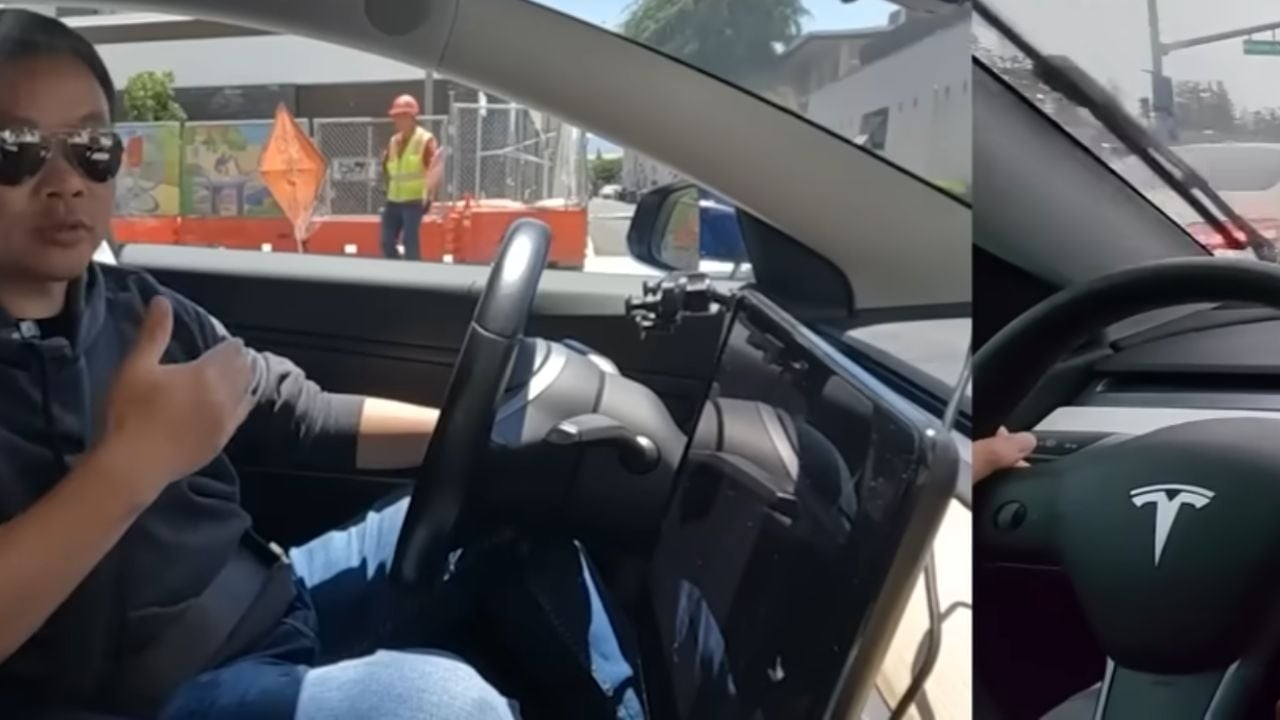
We can also predict fewer than expected will be negatively affected by losing the one-time purchase option. Among the relatively small percentage of owners who have paid for FSD upfront, most are already grandfathered in and will retain access under Tesla’s announced terms.
The real question is how Tesla handles transfer or upgrade rights for these purchasers when they trade vehicles, but fundamentally the subscription shift affects future buyers more than existing one-time buyers.
On the flip side, some previously hesitant buyers might actually be encouraged to try FSD now that the entry cost is lower and more flexible. A subscription model removes a large upfront commitment, so someone who would never pay $8,000 outright might instead subscribe for a few months and see value in the technology before canceling.
While FSD already has a subscription plan, and the credit card trial data shows conversion is low today, that trend could improve as pricing and perception evolve.
Bottom Line
- Only a small minority of Tesla owners currently pay for FSD.
- Most owners will not personally feel the pain of losing the one-time purchase option because they never bought it in the first place.
- The subscription-only shift mostly affects future buyers and Tesla’s revenue strategy rather than a large base of existing users.
- Whether the subscription model grows overall adoption remains an open question, but a lower barrier to entry suggests Tesla is betting more owners will opt in over time rather than fewer.
So, Musk’s announcement is unlikely to bother most current Tesla drivers directly because most of them never paid for FSD to begin with. Those who did buy it outright are grandfathered in, and the real impact will be seen in future sales and subscription trends.
Still on the Matter for Drivers and Customers

First, Tesla is not suddenly delivering a fully autonomous car that can legally drive itself without human supervision. The technology still requires drivers to pay attention and be ready to intervene. This is why regulators and consumer advocates have repeatedly reminded drivers that it remains a Level 2 driver-assist system, not a genuinely self-driving product.
What changes now is how Tesla monetizes that system. Instead of owning the software as part of your vehicle, you will be renting access to it. Monthly subscription pricing lowers the barrier for drivers who only want FSD occasionally, such as on long road trips. It might also encourage more Tesla owners to try the system who might have balked at the upfront cost.
For people who previously bought FSD outright, Tesla says existing purchasers will retain access and updates, though it is not yet fully clear how this will work if owners trade in their cars for new ones. That question is already stirring debate among the Tesla community. Some worry about hardware compatibility and upgrade paths for older cars.
The Strategic Forces at Work

It’s easy to identify technical and financial pressures behind this pricing shift. Tesla has faced falling vehicle sales in recent quarters and an intense focus on revenue from software and services. Turning FSD into a subscription service aligns with broader trends in tech where buyers pay ongoing fees rather than a big one-time purchase. It also builds a recurring revenue stream that Wall Street tends to value highly.
In addition, Tesla has dealt with regulatory scrutiny in the United States, particularly from the National Highway Traffic Safety Administration, which has investigated millions of its vehicles equipped with FSD after reports of safety issues. Those probes and the need to reassure regulators may be part of the backdrop to this shift.
Musk’s personal earnings is another factor rarely talked about in press announcements relative to this issue. According to internal company filings reviewed by analysts, Elon Musk’s own compensation package includes aggressive targets tied to subscriber growth for software products like FSD. A subscription-only model makes hitting those targets easier than relying on sporadic big purchases.
What About the Used Market and the Future?
Used Tesla buyers now face a new calculus. Previously, buying a used Tesla with FSD could be a strong value, since the software stayed with the vehicle. As subscription becomes the default, those packages may become less valuable. Some owners on social forums worry that without a perpetual license, the value of a used Tesla that once had FSD will erode over time.
Finally, drivers should understand that this shift does not instantly change how the technology performs on the road. FSD remains aBeta-level assisted driving system that continues to evolve. But it does signal Tesla’s intention to treat self-driving software as a living service, not a boxed product.
Tesla will stop selling FSD after Feb 14.
FSD will only be available as a monthly subscription thereafter.
— Elon Musk (@elonmusk) January 14, 2026
Subscription models give Tesla flexibility to update pricing, bundle features, and potentially create new tiers, all while collecting more driver data and usage patterns.
For those with plans to subscribe to the Tesla FSD, buy now before February 14, or simply drive with basic autopilot. We should expect a noticeable uptick in purchases around this time, but just how much uptick depends on $8,000. This announcement opens a new chapter in how software meets the road. There is both promise and frustration ahead in the transition from ownership to subscription.