If you’ve ever been browsing the internet at 2 a.m. and stumbled across what appeared to be a pristine 1967 Ford Mustang for the price of a used lawnmower, Tennessee’s Attorney General has some news for you… And it’s not the kind that comes with a title transfer.
The Tennessee Attorney General’s Office has issued a formal warning about a growing wave of scams built around fake online dealerships peddling classic cars and heavy equipment at prices that would make even the most frugal bargain hunter raise an eyebrow. These aren’t your run-of-the-mill “Nigerian prince” email blasts, either. We’re talking polished, professional-looking websites, answered phone calls, convincing videos, and even counterfeit business licenses — the whole performance, minus the actual product.
The catch? Once you wire over your hard-earned cash, the car, the bulldozer, the vintage pickup truck — all of it — vanishes like exhaust smoke in a strong crosswind. Because none of it ever existed.
“These scammers don’t care one bit about your family’s financial well-being,” said Attorney General Jonathan Skrmetti, which is a diplomatic way of saying these people will absolutely take your money and sleep soundly afterward.
How to Avoid Classic Car Scammers
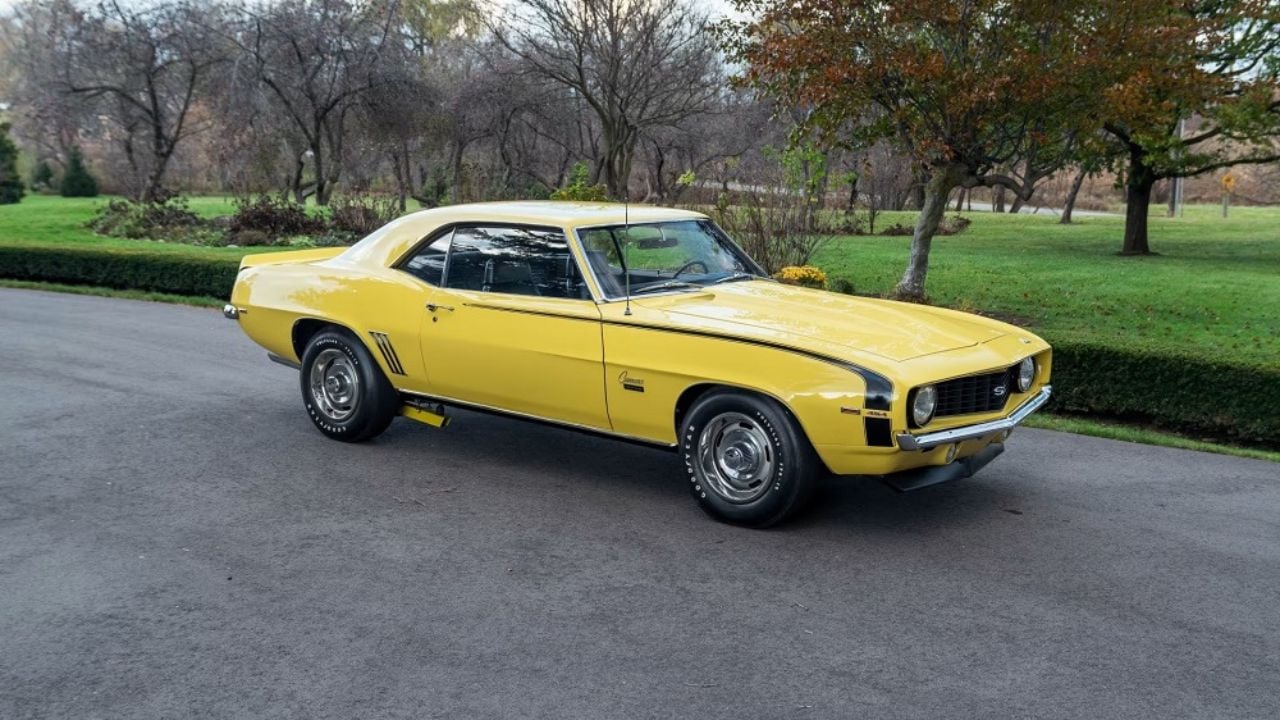
Now, look — we understand the appeal. Car enthusiasts are a passionate bunch. The moment someone spots what looks like a deal on a vintage muscle car or a bargain-priced excavator, rational thought sometimes takes a backseat (pun very much intended). Scammers know this, and they’re counting on that excitement to override common sense before your brain catches up.
So before you start mentally clearing out garage space, here’s what the AG’s Office wants you to keep in mind:
- If the price looks too good to be true, it almost certainly is. Seriously. A fully restored classic car does not go for the price of a decent TV. If it did, every garage in America would be full of them.
- Arrange a third-party inspection. Can’t make the trip yourself? Hire an independent mechanic to go look at the thing. Spending a few hundred dollars on an inspection can save you from losing several thousand — or tens of thousands — to someone who never had a vehicle to sell in the first place.
- Do your homework on the seller. Google them. Check the Better Business Bureau. Pull a vehicle history report through services like CARFAX or AutoCheck. Some scammers are especially crafty, borrowing the names and addresses of real businesses that have since closed — so double-check that the company is still active using Tennessee’s Secretary of State business search tool.
- Keep your money protected. This should go without saying, but: do not wire money to strangers on the internet. Scammers love wire transfers and bank-to-bank payments because once that money is gone, it is genuinely, almost irretrievably gone. Credit cards and checks offer far more recourse if things go sideways.
- Never hand over your Social Security number. A legitimate car dealership doesn’t need your SSN to sell you a truck. If a seller is asking for it before you’ve even shaken hands, back away slowly. Same goes for anyone demanding payment exclusively via gift cards, cryptocurrency, or services like Western Union or MoneyGram — those are red flags waving so hard they could direct air traffic.
- If you or someone you know has already fallen victim to one of these scams, the AG’s Office is urging people to report it to the FBI’s Internet Crime Complaint Center. You can also file a complaint directly with the Tennessee AG’s Office through their online consumer complaint form, or reach out to the Better Business Bureau.
The bottom line is this: the internet is a wonderful place to research your next vehicle purchase. It is a terrible place to actually hand over thousands of dollars to a website you found at midnight without doing a single shred of due diligence. Classic cars and heavy equipment are exciting — we get it — but no amount of excitement is worth learning the hard way that your dream ride was always just a stock photo and a fake phone number.
Take a breath. Do the research. Inspect before you invest.
And maybe if a deal looks too perfect — it’s because someone else wrote the perfect script to take your money.