
Swimming holes are nature’s version of a reward system. They are rarely easy to reach, often hidden, and never accidental. Formed by water patiently shaping stone over centuries, these places invite people to slow down and reconnect with the environment in a way no pool or beach can replicate. They reward curiosity, effort, and respect, offering moments that feel earned rather than provided.
Unlike traditional tourist attractions, swimming holes teach geography, climate, and balance through experience. Water temperature, depth, and flow all reflect the land they come from. Each one tells a quiet story about erosion, rainfall, and survival. These are places where travel becomes education, and immersion means more than just getting wet.
Havasu Falls, Arizona, USA

Havasu Falls sits deep within the Grand Canyon, where mineral-rich water transforms the desert landscape into a vivid turquoise oasis. The contrast between red rock walls and bright blue pools feels almost unreal, yet completely natural. The journey to reach it is long and demanding, reinforcing the idea that access must be earned. This effort helps protect the fragile ecosystem and limits careless tourism.
Swimming at Havasu Falls feels restorative rather than recreational. The cool water offers relief from extreme heat while encouraging reflection and calm. Visitors quickly learn the importance of conservation and respect for Indigenous land. The experience becomes a lesson in responsibility, reminding travelers that beauty and preservation must exist together.
Kuang Si Falls, Laos

Kuang Si Falls is a multi-tiered waterfall system where water flows gently into a series of limestone pools. Each pool varies slightly in depth, temperature, and color, creating a layered swimming experience. The surrounding jungle keeps the area shaded, adding to its calm atmosphere. Natural pathways guide visitors without overwhelming the environment.
Swimming here encourages movement and observation rather than staying in one place. Visitors notice how water changes character as it flows downhill. The experience teaches how natural systems create diversity without human design. Kuang Si Falls becomes a quiet classroom for understanding flow, erosion, and balance.
Ik Kil Cenote, Mexico
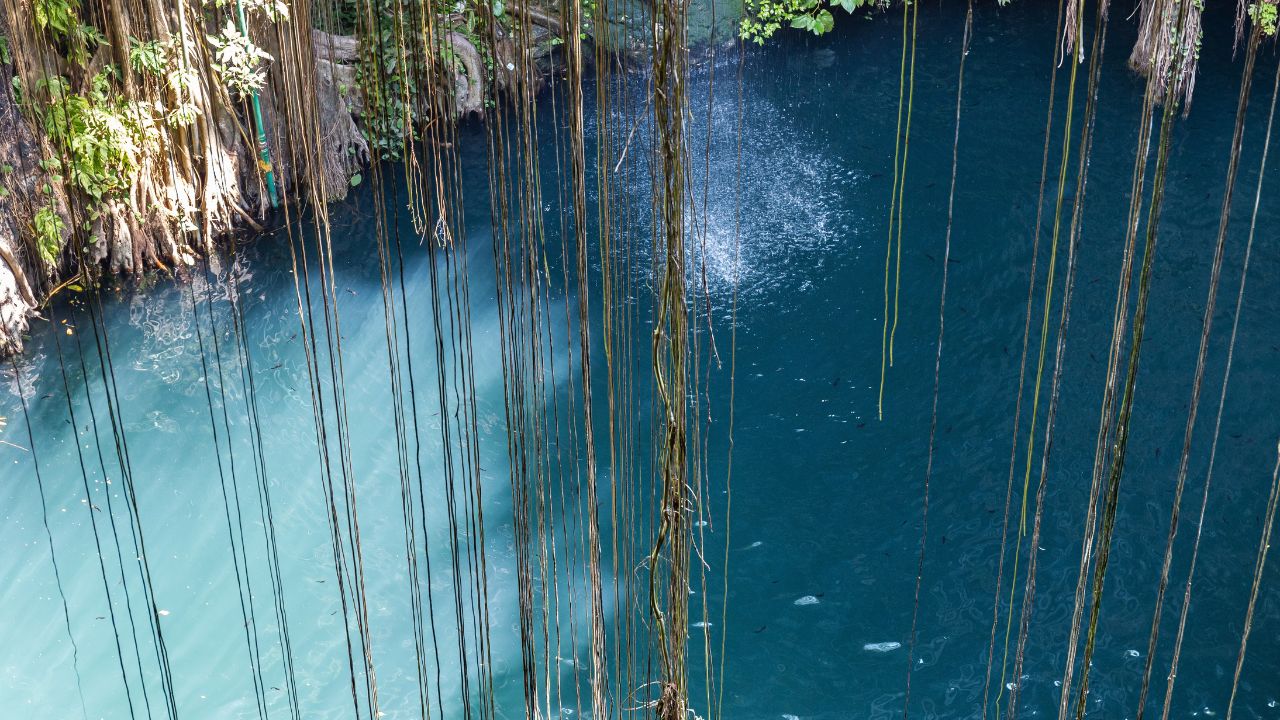
Ik Kil is a vertical limestone cenote, opening dramatically from above like a natural cathedral. Vines hang down toward the water, and sunlight filters in, illuminating the deep blue pool below. The enclosed shape amplifies sound and creates a focused, almost meditative atmosphere. The geometry feels deliberate, though it formed naturally.
Swimming in Ik Kil feels intimate and grounding. The water remains cool year-round, offering relief from Yucatán heat. Visitors gain insight into underground water systems and limestone geology. The cenote teaches how unseen processes shape visible beauty and why groundwater protection matters.
To Sua Ocean Trench, Samoa
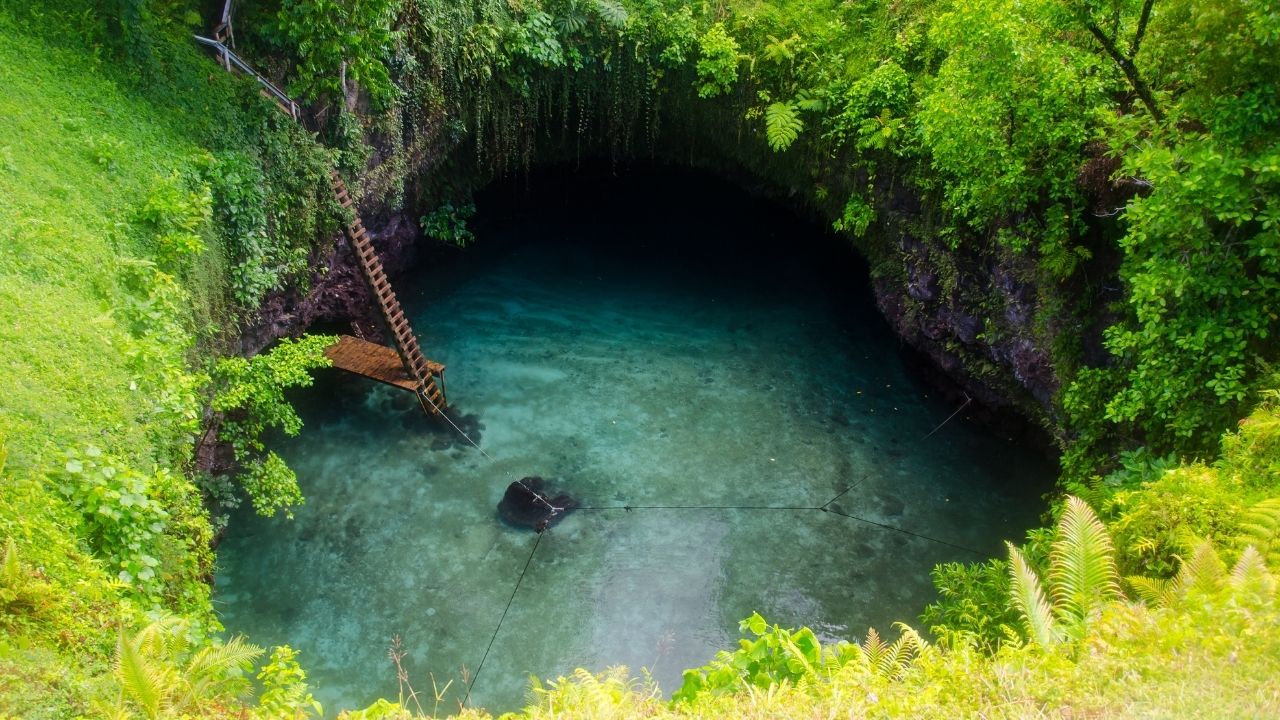
To Sua Ocean Trench combines a swimming hole with ocean access in a dramatic vertical pool. A ladder leads down into crystal-clear water connected to the sea through underground channels. Lush greenery frames the opening, creating a sense of discovery and protection. The site feels hidden despite its popularity.
Swimming here requires awareness of tides and depth, reinforcing respect for natural forces. The experience teaches how land and ocean interact beneath the surface. To Sua demonstrates that beauty and power coexist, and understanding your environment is essential for safe enjoyment.
Devil’s Pool, Zambia
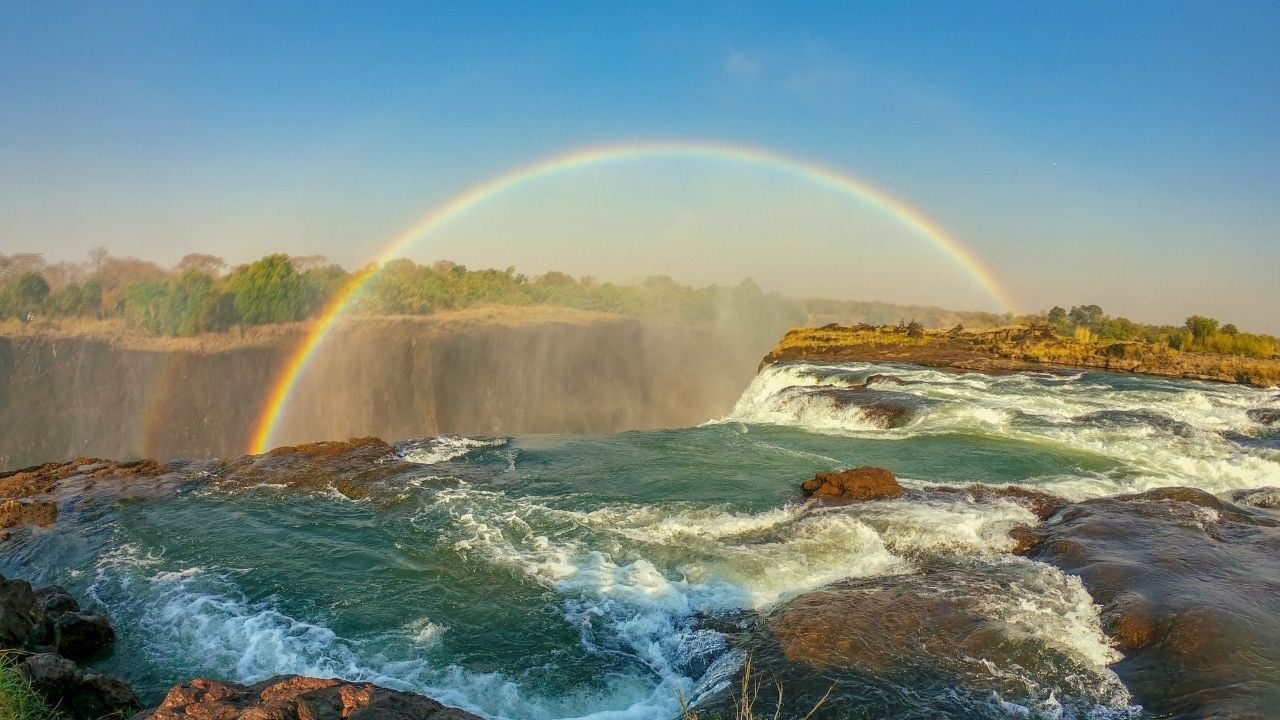
Devil’s Pool forms naturally at the edge of Victoria Falls during the dry season. A rock lip creates a barrier that allows swimmers to approach safely, offering a rare perspective over one of the world’s largest waterfalls. The view is dramatic and humbling. Timing is essential.
Swimming here is guided and controlled, reinforcing the importance of expertise. The experience teaches that nature sets the rules, not thrill-seeking. Devil’s Pool becomes a lesson in seasonal awareness, trust, and respecting limits rather than pushing them.
Hamilton Pool, Texas, USA
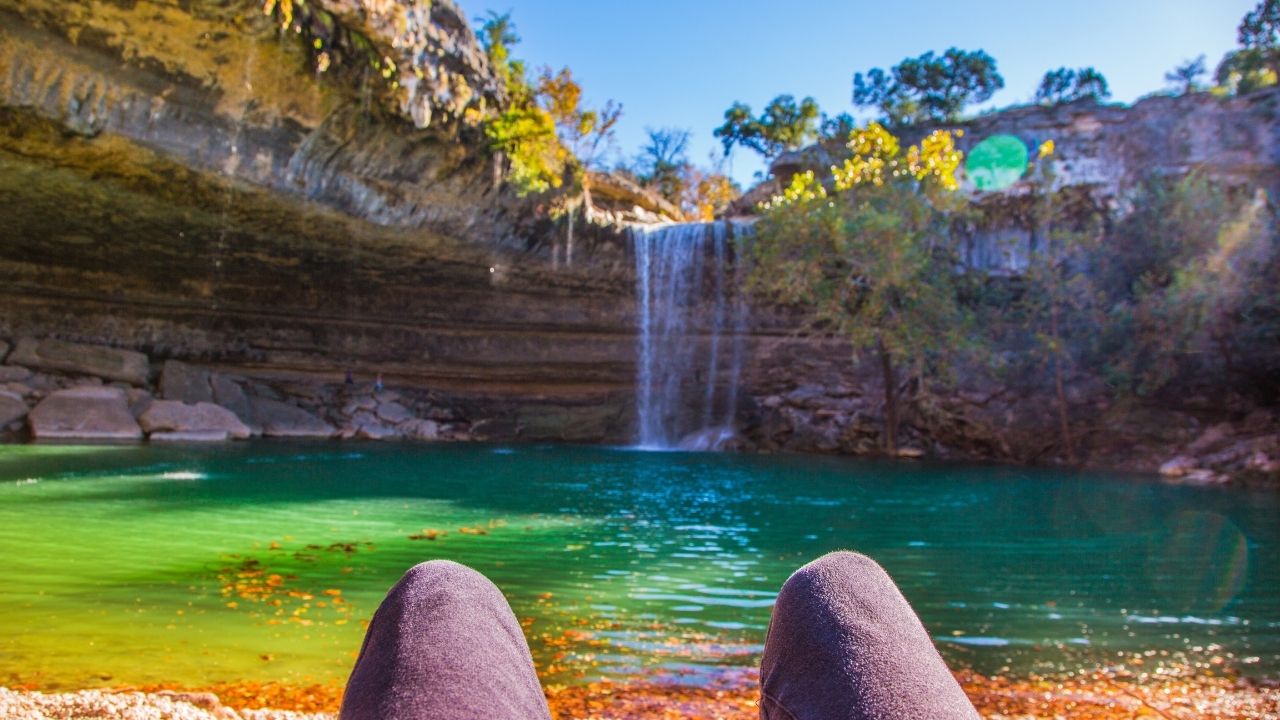
Hamilton Pool was created when a limestone dome collapsed, forming a shaded grotto with a gentle waterfall. The enclosed space keeps water cool and still, even in intense heat. Light filters softly across the pool, creating a peaceful atmosphere. The environment feels protected and deliberate.
Swimming here highlights conservation in action. Limited access preserves water quality and surrounding vegetation. Visitors learn that protection enhances experience rather than limiting it. Hamilton Pool teaches that sustainability is essential for long-term enjoyment.
Semuc Champey, Guatemala
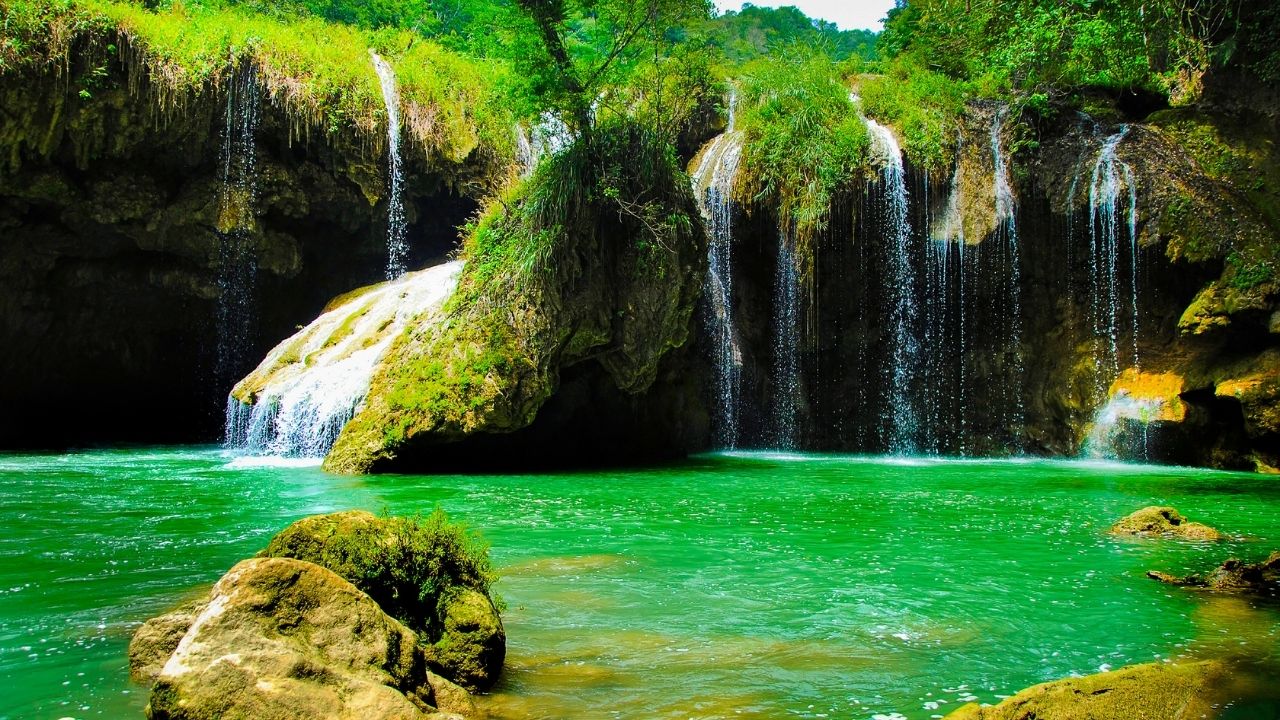
Semuc Champey is a natural limestone bridge topped with a sequence of turquoise pools, while a powerful river flows hidden beneath. The contrast between calm surface water and unseen force below creates a sense of balance and tension. Dense jungle surrounds the pools, adding humidity, sound, and movement to the experience. The site feels complex, layered, and alive.
Swimming here encourages curiosity and observation. Moving between pools reveals subtle differences in temperature, depth, and flow. The experience teaches how erosion and water pressure shape landscapes over time. Semuc Champey becomes a living lesson in natural engineering, where beauty is a byproduct of geological process rather than design.
Karijini National Park Pools, Australia
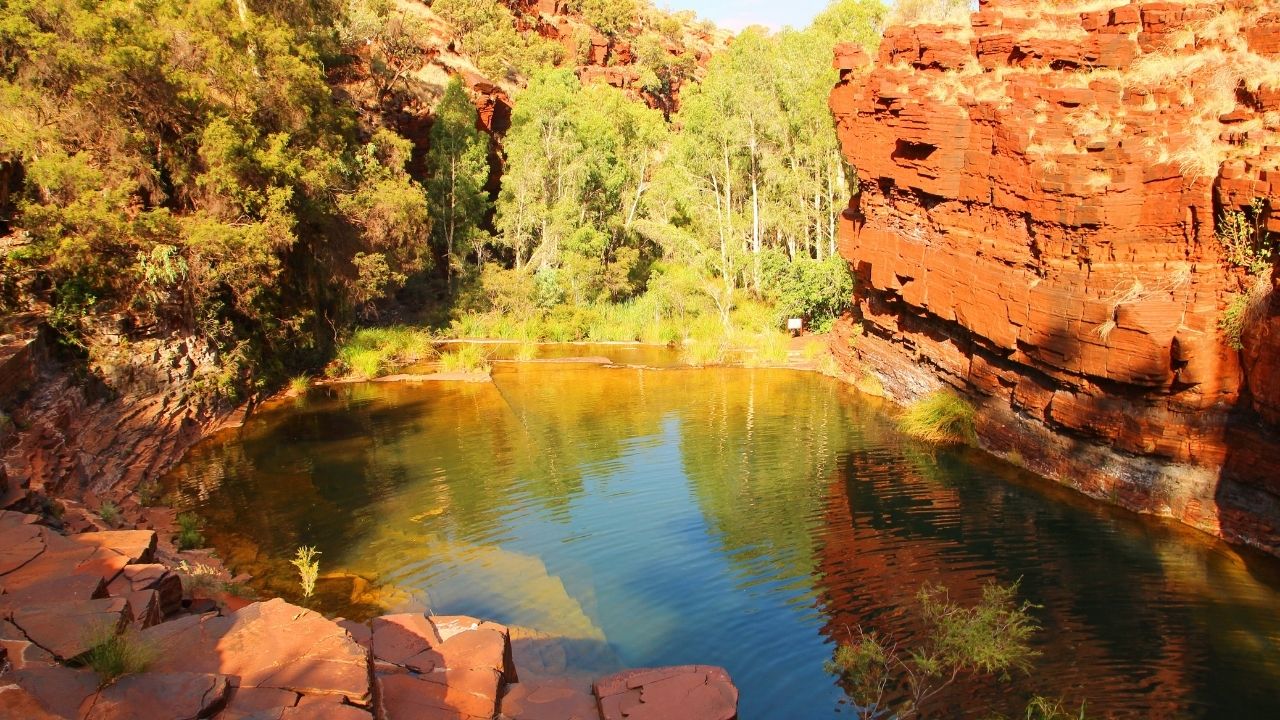
Karijini National Park contains swimming holes carved deep into ancient iron-rich rock through narrow gorges. Water collects in shaded sections, remaining cool even under extreme desert heat. Access often requires climbing, wading, and careful footing, reinforcing respect for the terrain. The setting feels powerful, remote, and unchanged.
Swimming here rewards preparation and patience. Visitors quickly learn that rushing increases risk, while awareness enhances safety. Karijini teaches geological time on a human scale, showing how water slowly reshapes even the hardest stone. The experience feels earned, grounding, and deeply educational.
Wadi Bani Khalid, Oman
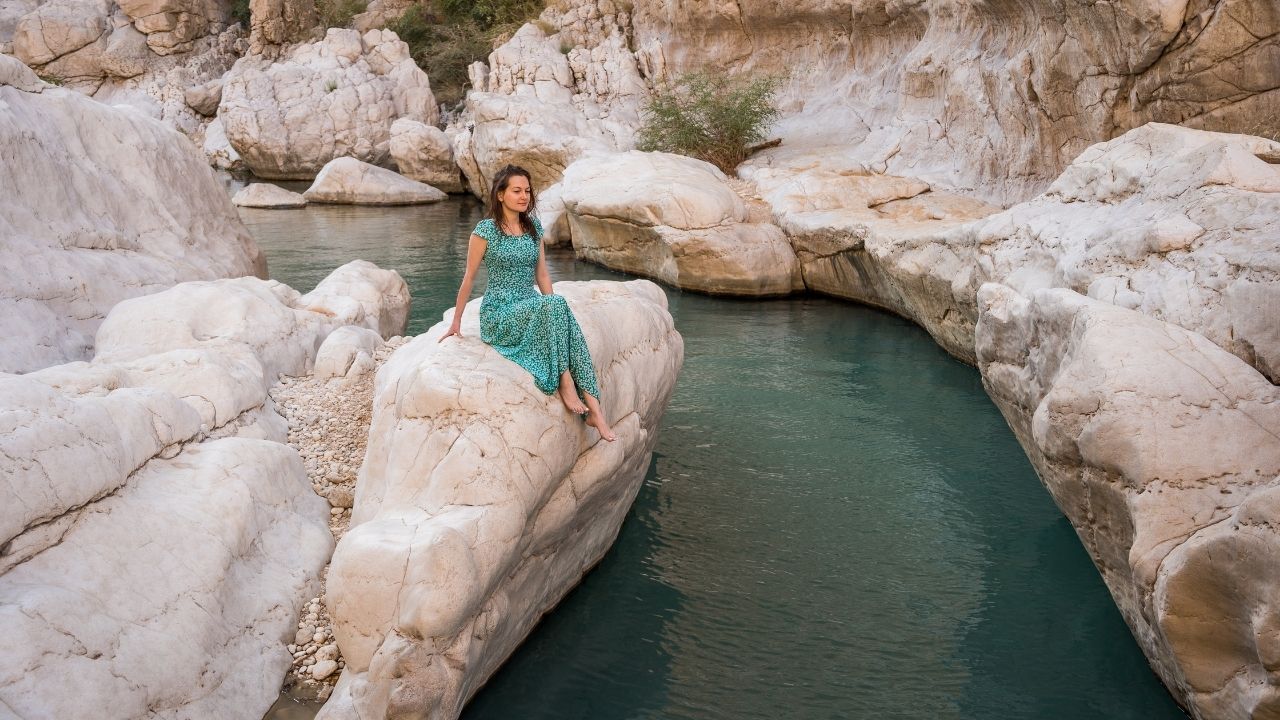
Wadi Bani Khalid is a desert oasis where clear pools wind between smooth rock walls and palm-lined banks. The water remains cool throughout the year, offering relief from surrounding heat. The landscape feels purposeful, shaped by necessity rather than abundance. Every element serves a function.
Swimming here highlights the importance of water in survival. Visitors see how communities adapt to scarcity through careful management and respect. The wadi teaches balance between use and preservation. It leaves a lasting understanding that water is not guaranteed, but protected.
El Nicho, Cuba

El Nicho is a mountain swimming hole formed by a series of waterfalls flowing through dense forest in central Cuba. The pools are naturally terraced, allowing water to circulate gently while remaining remarkably clear. Surrounding vegetation creates constant shade, keeping temperatures cool even on hot days. Unlike crowded beach destinations, El Nicho feels quiet and balanced, shaped by elevation and rainfall rather than tourism infrastructure, which allows the environment to maintain its natural rhythm and character.
Swimming at El Nicho encourages stillness rather than movement. The gentle flow of water invites floating, listening, and observation instead of energetic activity. Visitors quickly notice how sound changes as waterfalls echo through foliage. The experience teaches how ecosystems regulate themselves when left undisturbed. El Nicho leaves swimmers with a deeper understanding of harmony between water, forest, and elevation, emphasizing that tranquility is often nature’s most powerful feature.
Lake McKenzie, Queensland, Australia
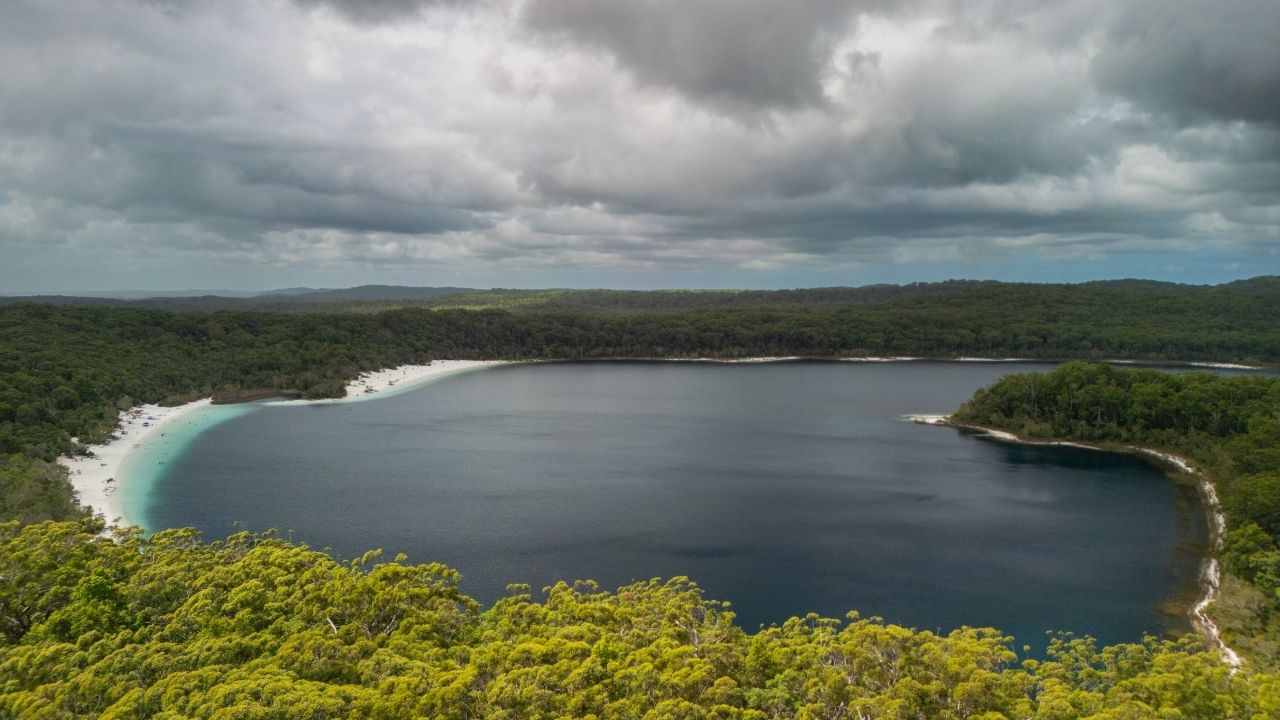
Lake McKenzie is a freshwater lake created entirely from rainwater filtered through fine white silica sand. Because it contains almost no organic matter, the water remains exceptionally clear and pure. The surrounding dunes form a natural basin, protecting the lake from runoff and pollution. The setting feels open and minimal, allowing visitors to see how geology and climate combine to create stability without constant change.
Swimming in Lake McKenzie feels unusually light due to the softness of the sand and clarity of the water. The experience teaches how fragile systems rely on careful protection. Visitors learn why sunscreen restrictions and limited access are necessary. Lake McKenzie becomes a practical lesson in environmental responsibility, showing that preservation is not restrictive, but essential for keeping natural wonders intact.
Plitvice Lakes, Croatia

Plitvice Lakes is a dynamic system of lakes connected by waterfalls flowing over natural travertine barriers. These barriers are constantly forming and eroding, meaning the landscape is always changing. Water color shifts from emerald to blue depending on light and mineral content. The environment feels alive and responsive, shaped by continuous motion rather than permanence.
Swimming is restricted in Plitvice Lakes to protect the delicate ecosystem. This limitation shifts focus toward observation and understanding. Visitors learn that appreciation does not always require physical immersion. Plitvice teaches the value of restraint, demonstrating how protection preserves beauty over time. The lesson is subtle but lasting, emphasizing long-term balance over short-term access.
Blue Hole, Belize
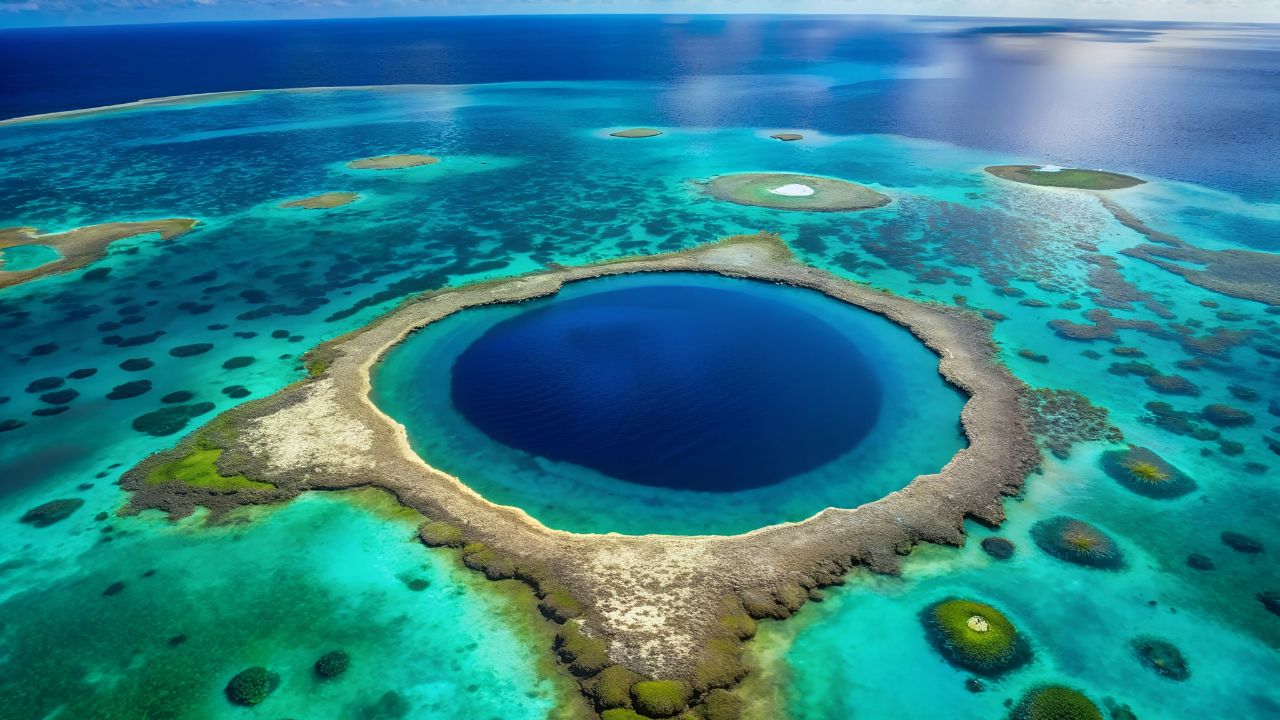
The Blue Hole is a deep natural pool connected to underground cave systems and coastal waters. Its dark blue color contrasts sharply with surrounding lighter shallows, revealing sudden depth changes. The formation reflects thousands of years of geological activity beneath the surface. The setting feels mysterious and powerful, shaped by unseen processes.
Swimming here requires awareness and respect for depth and currents. The experience teaches how surface beauty can hide complex systems below. Visitors gain insight into limestone geology and underwater cave networks. The Blue Hole encourages caution and curiosity, reinforcing the importance of understanding environments before entering them.
Pamukkale Pools, Türkiye
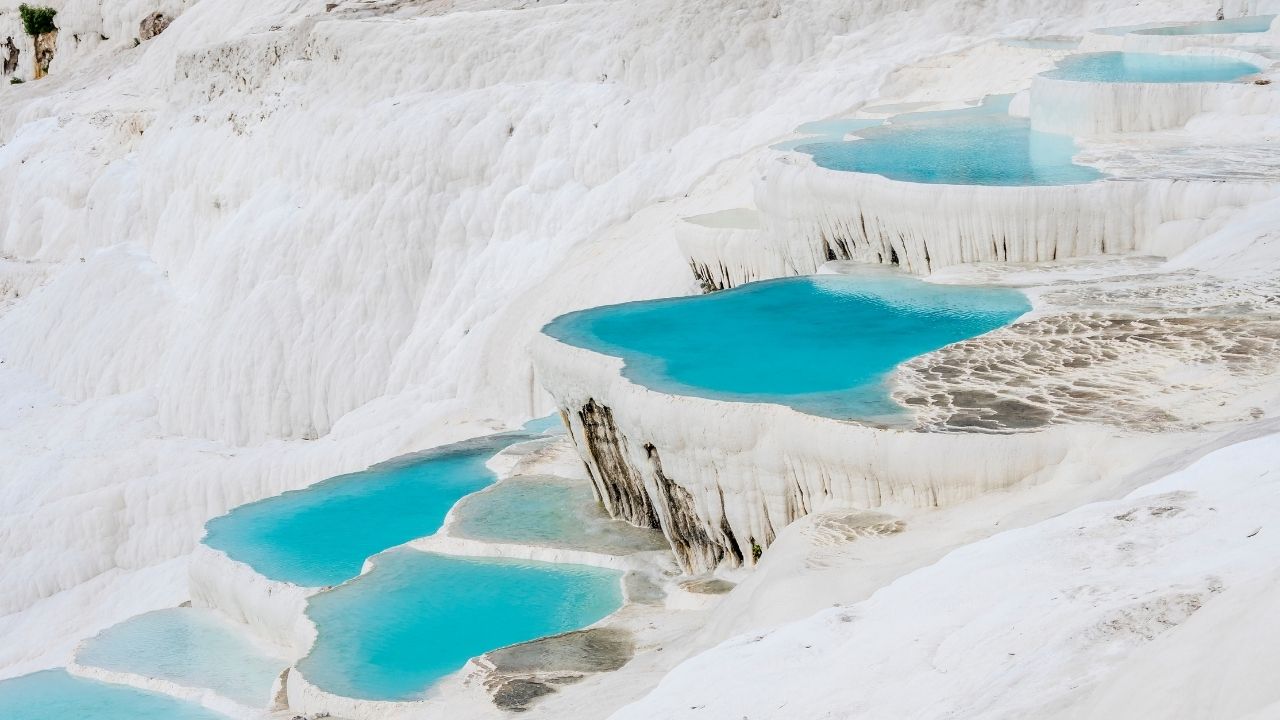
Pamukkale’s pools are formed by mineral-rich thermal water flowing down a hillside, leaving white calcium terraces behind. The shallow pools collect warm water that reflects sunlight intensely. The landscape feels sculpted, yet entirely natural. Each terrace represents centuries of slow mineral deposition.
Swimming here teaches how water chemistry shapes landscapes. Visitors experience warmth, texture, and light interacting simultaneously. Pamukkale demonstrates how natural processes can appear artistic without intention. The pools serve as an outdoor classroom, explaining geology through direct experience rather than explanation alone.
Fairy Pools of Glen Brittle, Isle of Skye, Scotland
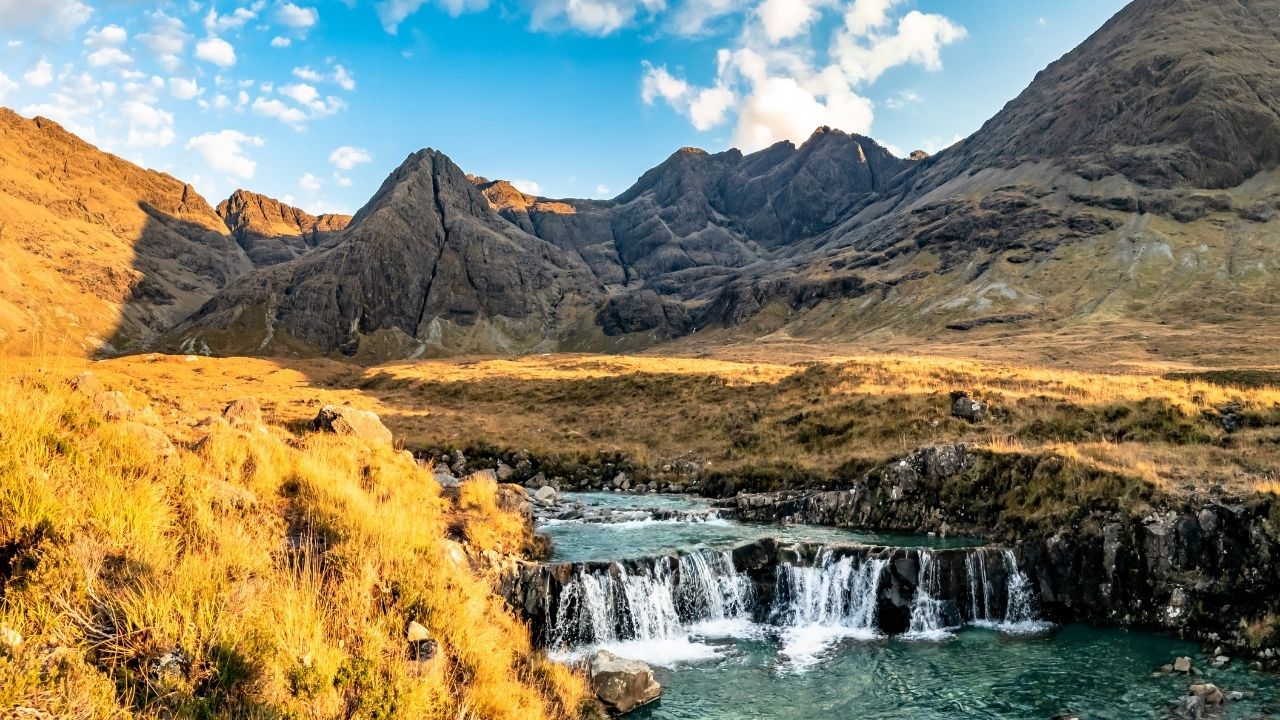
The Fairy Pools of Glen Brittle consist of a series of crystal-clear mountain pools fed by glacial streams, framed by steep hills and rugged rock formations. The water is icy but remarkably transparent, allowing swimmers to see every pebble beneath the surface. Mist and shifting weather enhance the mystical atmosphere, creating an environment that feels untouched and timeless. The location encourages focus and careful observation, reminding visitors that the most beautiful natural swimming holes require patience and effort to reach safely.
Swimming here teaches endurance, attention, and respect for raw environments. Cold water heightens awareness, and moving between pools reveals subtle changes in flow and depth. Observers quickly understand how mountains, precipitation, and geology combine to create these delicate ecosystems.
The experience emphasizes presence over leisure, encouraging mindfulness and appreciation of natural processes, making each moment feel earned rather than casual. Fairy Pools becomes both a physical challenge and a lesson in environmental balance, fostering awareness of how fragile yet resilient nature can be.
Cenote Sagrado, Mexico
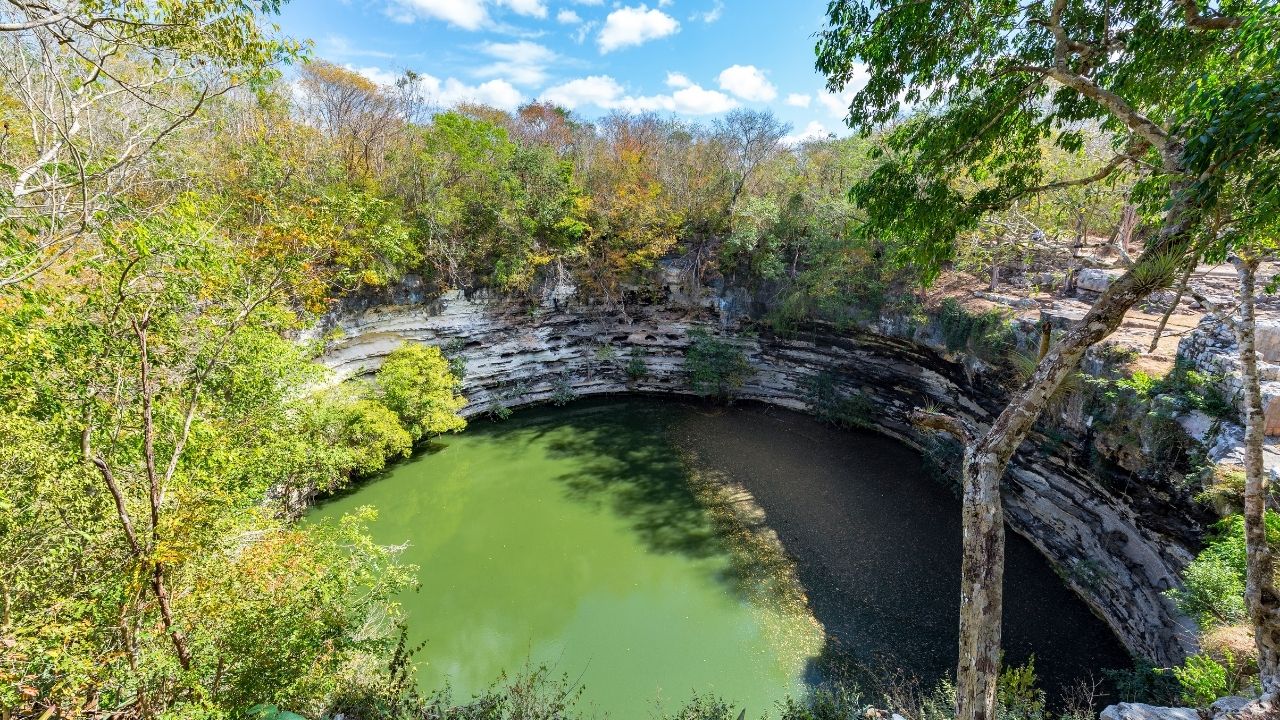
Cenote Sagrado, or Sacred Cenote, is a large limestone pool that sits within a Mayan ceremonial site near Chichen Itza. Sunlight filters from above, casting dramatic reflections and highlighting the depth of the water. The vertical walls and surrounding jungle create an enclosed, almost sacred environment, where the pool itself feels like a living relic of history. The site combines natural formation with cultural significance, teaching visitors that water has always played a central role in survival, ceremony, and human imagination.
Swimming here emphasizes caution and reverence. The cenote’s depth and mineral composition require awareness of conditions, while the surrounding archaeological context encourages reflection. Visitors gain insight into geology and ancient practices simultaneously. Cenote Sagrado shows how landscapes can carry both physical and cultural meaning, reinforcing the importance of careful engagement. The experience demonstrates that beauty is inseparable from context and that water can teach history as much as recreation.
Hells Gate Pools, New Zealand
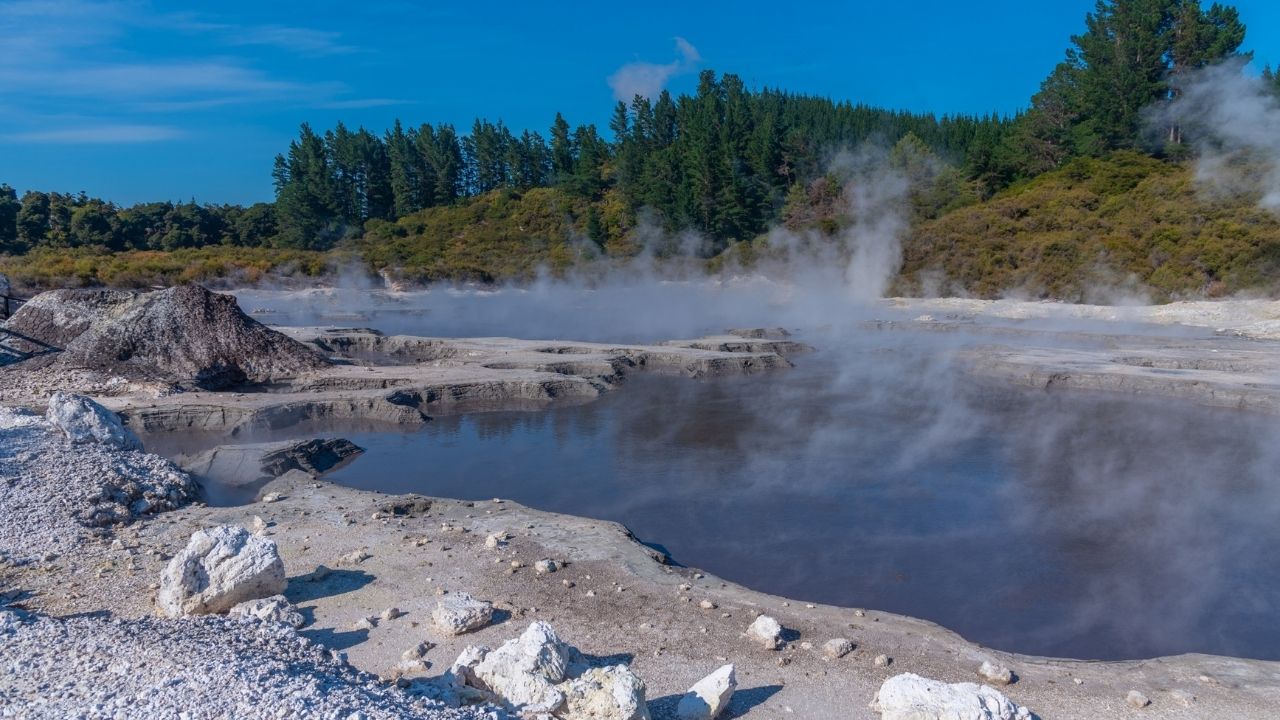
Hells Gate Pools is a geothermal hot spring located in New Zealand’s Rotorua region, where naturally heated waters form steaming pools surrounded by mineral-rich formations. The area combines warmth, scent, and color into a strikingly alien landscape. Visitors are immediately aware that the pools exist because of subterranean geological processes, not human intervention. Steam rises constantly, creating an atmospheric experience that is at once relaxing and educational.
Swimming in Hells Gate Pools teaches respect for geothermal systems. The temperature, acidity, and mineral content vary by pool, showing how environmental factors influence usability and safety. Visitors quickly learn that immersion in natural systems requires knowledge, patience, and adaptability. Hells Gate illustrates that recreation can coexist with environmental awareness, transforming a simple swim into a practical lesson about geology, chemistry, and the fragility of ecosystems that humans are only beginning to understand fully.
Wadi Shab, Oman

Wadi Shab is a desert canyon featuring a series of deep pools and waterfalls fed by freshwater streams. The surrounding cliffs and desert create a dramatic backdrop, highlighting the contrast between arid land and life-giving water. Reaching the pools requires hiking and wading through rocky streams, making the arrival feel earned. The experience emphasizes patience, endurance, and the sense of discovery that only natural swimming holes can provide, far from crowded beaches or tourist infrastructure.
Swimming here combines refreshment with observation of geology and vegetation. The cool water, echoing cliffs, and hidden caves create immersive lessons in environmental balance. Visitors notice how the ecosystem sustains itself and how human access must remain respectful. Wadi Shab teaches that effort enhances reward, revealing the importance of preparation, timing, and environmental awareness. The pools become more than a destination, they are a living example of how landscape, water, and patience intertwine to create unforgettable natural beauty.