Summer 2026 is shaping up to be among the most expensive travel seasons in recent memory. The national average price for regular unleaded gas currently sits at $4.43 per gallon, up from $3.16 this time last year, and airfare hasn’t been this high since May 2022.
What the rising cost of fuel means for the airline industry, and for the millions of Americans planning summer trips, is a travel market upended by strained budgets, especially amid rising costs across everything from groceries to clothing.
This period from Memorial Day to Labor Day is traditionally the peak travel season, but fuel price spikes will be a test of how much consumers are willing to pay to fly (or drive).
What’s Driving Prices Up
Jet fuel costs have nearly doubled since February. Domestic round-trip airfares are averaging $623, according to data from the Airlines Reporting Corporation, a 10-15% increase from last year. International fares to Europe have climbed nearly 20 percent.
After labor, fuel is the next-largest expense for airlines, and carriers have already noted they are passing those costs along to customers.
Airlines are also cutting routes. United announced a 5% capacity reduction to address surging fuel costs, and Delta has trimmed almost 4%. These reductions are usually associated with the less profitable routes: redeyes, midweek travel, and long-haul international flights.
“Summer 2026 is shaping up to be one of the pricier travel seasons we’ve seen in recent years,” said Points Path Founder and CEO Julian Kheel.
Competition used to help keep fares in check, but that’s also weakening. Spirit Airlines, one of the largest budget carriers in the U.S., ceased all operations earlier last month, removing a once-reliable low-fare option. Spirit had been a consistent competitor on routes to the Caribbean, Florida, and Las Vegas, and industry analysts expect baseline fares on former Spirit routes to rise 20 to 25% over the next six months.
Despite this, demand is still strong. United Airlines CEO said in March that it had logged its ten biggest booking weeks in the company’s history. Delta reported first-quarter operating revenue of $15.9 billion, according to a financial results announcement from the airline.
Kheel adds, “Airlines clearly aren’t losing sleep over whether travelers will show up this summer. With demand still running strong, there’s simply no incentive to lower prices.”
Two-Track Summer
Budget travelers this summer are split into two camps: those looking for airline deals where they can be had, and those skipping the airport altogether.
Data from travel research firms point to mid-to-late August as the better window for cheaper fares, with Tuesday flights roughly 17% cheaper than Sundays. Short-haul international routes, like those to Mexico and Canada, are offering consistent sub-$400 round-trip fares.
That’s because these shorter international flights are less exposed to the higher fuel costs of longer transatlantic flights and face more competition from low-cost carriers.
Data from Dollar Flight Club, which analyzed more than 500,000 airfare data points across 65 U.S. airports, found that flying to Puerto Vallarta and San Juan from most U.S. cities was roughly 30-40% cheaper than comparable flights to Hawaii.
“The deals haven’t disappeared,” says Neugarten, “they’ve just moved, and travelers need to know where to look.”
Peak summer fares to popular Western European cities like Paris and Rome are running $1,700 to $2,100 round-trip, roughly 20% higher than last year. By comparison, travel to Nordic capitals showed the highest volume of reasonable fares. Adds Neugarten, “If you can shift to late August, almost every European city gets 30–40% cheaper.”
Ironically, international premium cabin fares may be a better deal this summer than in previous years. Business and first-class seats on international routes are only up about 7% this summer, modest compared to the steeper jumps in economy.
“For travelers who’ve been eyeing an upgrade, this summer may actually be the time to pull the trigger,” says Kheel.
Road Trip Summer
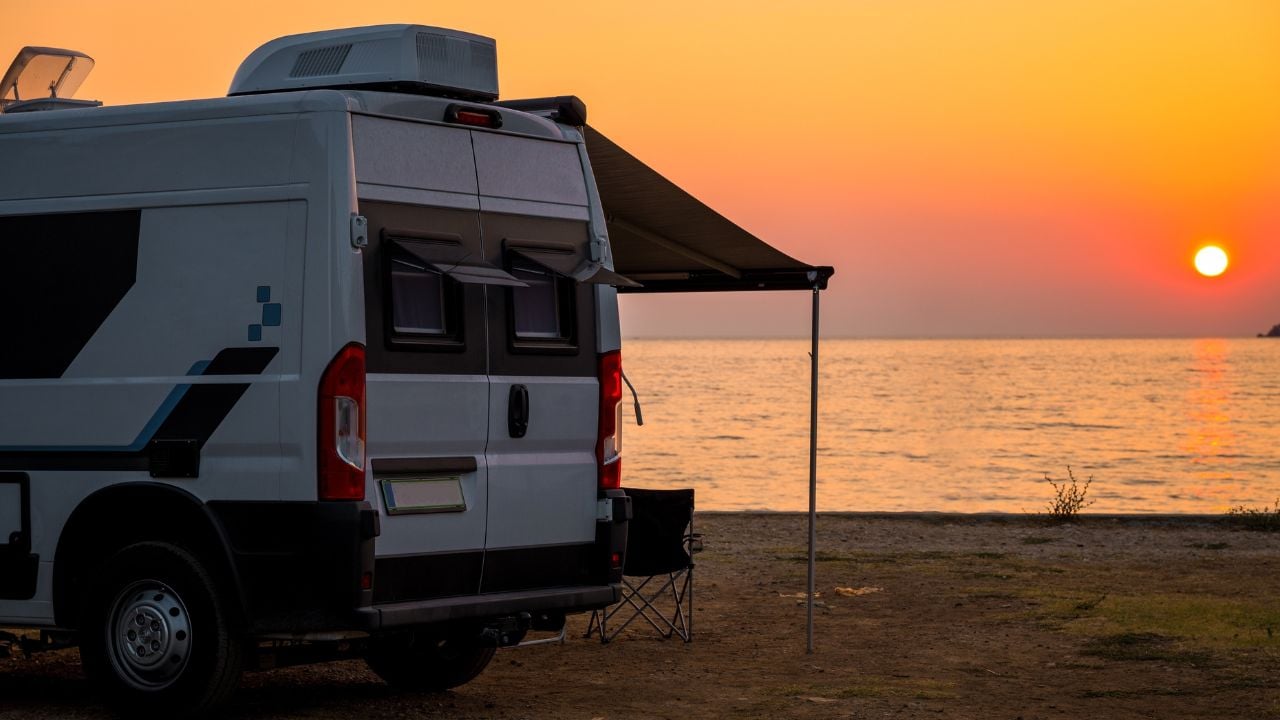
For road-trippers, the pitch is easier. A recent survey of more than 1,400 travelers found that 8 in 10 planned to cut back on air travel this summer. Fifty-eight percent said they were more likely to choose a drive-to getaway than they were last year.
Campspot’s data shows that 70% of camping trips this summer will happen within a six-hour drive from home, with a third of travelers keeping trips under four hours. The average nightly tent site rate is roughly $54, a fraction of typical hotel rates.
Besides being easier to budget, camping almost automatically means spending more time outdoors and less time on screens, paralleling another growing trend of analog travel. Whether it’s cooking meals over a campfire, sleeping under the stars, or spending long stretches away from devices, travelers are increasingly prioritizing trips that feel simpler.
“This summer’s travel story isn’t ‘less travel,'” said Carolin Fuller, director of consumer marketing at Campspot. “It’s ‘less hassle.’ People still want the reset. What they do not want is a trip that adds stress.”